
Renting a car often seems like a straightforward transaction, but the true cost can frequently catch travelers off guard. Beyond the advertised daily rate, a complex web of fees, surcharges, insurance options, and situational variables can significantly inflate the final bill. Understanding these financial components is crucial for accurate budgeting and avoiding unexpected expenses. This guide delves into the various monetary aspects of renting a car, helping you discern the real cost and implement strategies to keep more money in your pocket.
The Baseline: Understanding Core Rental Costs
At its heart, the cost of a rental car begins with a base rate, but even this initial figure is subject to several influencing factors. Identifying these foundational elements is the first step in financially planning your rental.
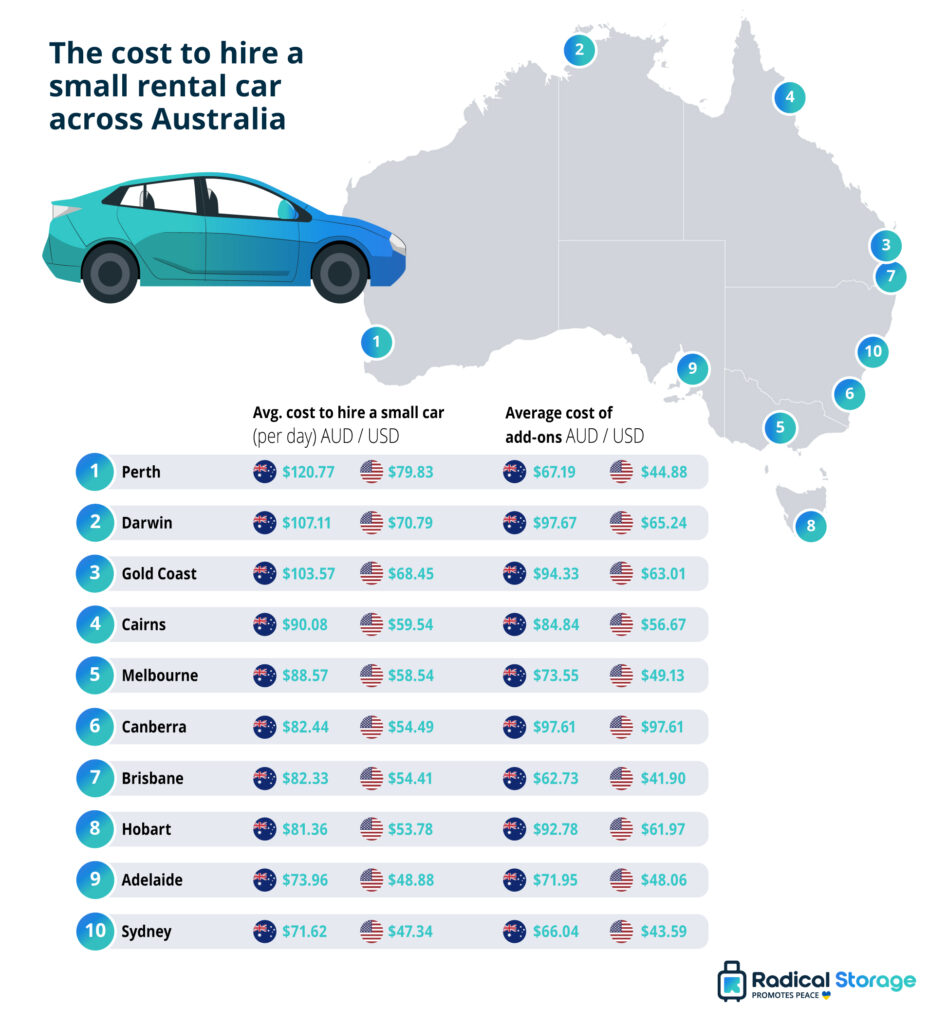
Daily, Weekly, and Monthly Rates
Rental car companies typically offer different pricing structures based on the duration of your rental. While a daily rate is the most common quote, renting for a full week (five to seven days) often results in a lower per-day average than multiple consecutive daily rentals. Similarly, monthly rentals can provide even more significant discounts for extended periods. This is a strategic pricing model where companies incentivize longer commitments to ensure higher utilization of their fleet. Always compare the cumulative cost of daily rates versus the weekly or monthly rate if your trip spans these thresholds, as the savings can be substantial.
Vehicle Category and Demand
The type of vehicle you choose directly impacts its cost. Economy cars are almost always the most affordable option, offering basic transportation at the lowest price point. As you move up the categories — compact, mid-size, full-size, SUV, minivan, luxury, and specialty vehicles — the prices increase proportionally. This pricing reflects the vehicle’s market value, fuel efficiency, passenger capacity, and perceived luxury. Furthermore, the availability and demand for certain vehicle types can also influence pricing. During peak travel seasons or special events, the prices for all categories can rise, and specific popular types (like SUVs for family vacations) might command an even greater premium due to limited supply.
Location-Based Pricing (Airport vs. Off-Airport)
Where you pick up your rental car makes a substantial financial difference. Airport rental locations, while convenient, almost invariably charge higher rates than their downtown or suburban counterparts. This premium is due to several factors:
-
Concession Fees (CFC): Airports often impose significant concession fees on rental companies for the right to operate on their premises, which are then passed on to the consumer.
-
Airport Surcharges: Many airports add specific surcharges to each rental, again, a cost typically absorbed by the renter.
-
Convenience Factor: The ease of picking up a car immediately after a flight means airport locations can command higher prices due to demand.
Opting for an off-airport location, even if it requires a short taxi, ride-share, or public transport trip, can often lead to considerable savings. Compare the total cost of transportation to an off-airport site versus the surcharge savings before making your decision.
Navigating the Maze of Additional Fees and Charges
The sticker price for a rental car rarely reflects the final amount you’ll pay. A myriad of fees, taxes, and optional add-ons can quickly bloat your bill. Understanding these is vital for accurate financial planning.
Mandatory vs. Optional Insurance Coverages
Insurance is perhaps the most significant potential cost driver beyond the base rate. Rental companies aggressively offer various forms of coverage, each with its own price tag and purpose.
-
Collision Damage Waiver (CDW) / Loss Damage Waiver (LDW): This waives your financial responsibility for damage to or theft of the rental vehicle. It’s often the most expensive add-on. Many personal auto insurance policies, and particularly premium credit cards, offer secondary (or sometimes primary) CDW/LDW coverage, making the rental company’s offering redundant and expensive for many consumers.
-
Supplemental Liability Insurance (SLI): This provides additional liability coverage beyond the state-mandated minimums, protecting you against claims from third parties for damage or injury. Your personal auto insurance typically covers this, but checking your policy limits is crucial.
-
Personal Accident Insurance (PAI): Covers medical expenses and accidental death benefits for you and your passengers. Often covered by your personal health insurance or existing life insurance policies.
-
Personal Effects Coverage (PEC): Insures personal belongings in the rental car against theft or damage. Your homeowner’s or renter’s insurance policy often provides similar coverage.
Before accepting any rental car insurance, verify your existing personal auto insurance, health insurance, and credit card benefits. This due diligence can save you hundreds of dollars.
Fuel Policies: A Financial Decider
Rental companies typically offer different fuel options, each with financial implications:
-
Full-to-Full: You pick up the car with a full tank and return it full. This is generally the most cost-effective option, provided you refill the tank yourself at a local gas station, which often offers lower prices than the rental company’s “refuel service.”
-
Prepay (Fuel Purchase Option): You pay for a full tank upfront at the rental company’s rate, regardless of how much fuel you actually use. This is usually more expensive than self-refueling.
-
Return Empty (or Company Refuel): You return the car with less than a full tank, and the company refuels it, charging you a premium rate per gallon plus a service fee. This is almost always the most expensive option.
Always aim for the full-to-full policy and plan to refuel the vehicle yourself before returning it to avoid inflated fuel costs.
Surcharges and Taxes: The Unavoidable Add-ons
These are non-negotiable costs imposed by government bodies or airport authorities.
-
State/Local Taxes: Standard sales or excise taxes applied to the rental transaction.
-
Concession Fees (CFC): Charges levied by airports (as mentioned earlier) or other facility owners where the rental company operates.
-
Vehicle Licensing Fees (VLF): A fee to cover the cost of registering and licensing the rental vehicle.
-
Airport Surcharges: Specific fees added to rentals originating at airport locations.
While unavoidable, being aware of these items helps in understanding the total financial burden.
Other Common Upsells and Penalties
Several other factors can add to your final bill:
-
Additional Driver Fees: If more than one person will be driving, expect a daily fee per extra driver. Some loyalty programs or credit cards waive this.
-
Underage Driver Surcharge: Drivers under 25 (typically 21-24) face significant daily surcharges due to higher perceived risk.
-
One-Way Rental Fees: Returning a car to a different location than where it was picked up often incurs a substantial drop-off fee.
-
Equipment Rentals: GPS units, child safety seats, and electronic toll passes are convenient but expensive to rent daily. Consider bringing your own GPS (phone app) or child seat, and check if your personal transponder works or if the car has a built-in transponder system with fair pricing.
-
Cleaning and Late Return Penalties: Returning a car excessively dirty can incur a cleaning fee. Late returns are often charged an additional full day’s rate, sometimes at a higher premium.
Key Factors That Significantly Impact Your Total Bill

Beyond the base rate and standard fees, several dynamic factors can dramatically shift the financial landscape of your rental.
Booking Timing and Flexibility
The timing of your booking can be a major financial lever. Generally, booking well in advance (weeks to months) can secure lower rates, especially during peak seasons. As demand increases and the rental date approaches, prices tend to rise. However, some last-minute deals can emerge if companies have excess inventory, though this is a less reliable strategy for saving money. Flexibility with your pickup and return times can also help, as some companies charge less during off-peak hours.
Duration of Rental
As previously mentioned, longer rental periods often lead to a lower effective daily rate. Many rental systems are optimized for weekly or monthly rates. Short, odd-duration rentals (e.g., 2 days, 1 hour) can sometimes be disproportionately expensive compared to a full-day or multi-day rental. Adjusting your rental period by even a few hours can sometimes push you into a more favorable pricing tier.
Driver’s Age and Record
Age is a significant factor in rental car pricing. Drivers under 25 are subject to “underage driver” surcharges due to statistical data indicating a higher risk profile for accidents in this demographic. These fees can be substantial, sometimes adding $20-$35 per day. While less common, a poor driving record (e.g., recent DUIs, numerous moving violations) might also lead to refusal of rental or higher rates from certain companies, though this is usually handled at the insurance qualification stage.
Special Events and Peak Seasons
Just like flights and hotels, rental car prices fluctuate significantly based on demand. During major holidays, local festivals, large conventions, or peak tourist seasons, prices can skyrocket. Supply decreases while demand surges, leading to higher rates across all vehicle categories. If your travel dates are flexible, avoiding these periods can result in substantial savings. If not, booking as far in advance as possible becomes even more critical.
Smart Financial Strategies to Minimize Rental Car Expenses
Navigating the complexities of rental car costs requires a strategic approach. Employing these financial tips can significantly reduce your expenditure.
Master the Art of Comparison Shopping
Never settle for the first quote you receive. Utilize online comparison tools and aggregator sites, but also check the official websites of major rental companies (Enterprise, Hertz, Avis, Budget, National, Alamo, Dollar, Thrifty) directly. Sometimes, direct bookings offer exclusive deals or loyalty program benefits. Always compare the total estimated cost, including all taxes and mandatory fees, not just the base rate.
Harness Credit Card Benefits and Loyalty Programs
Many premium credit cards offer primary or secondary collision damage waiver (CDW/LDW) as a benefit when you pay for the rental with their card. This alone can save you $15-$30 per day. Verify your card’s specific terms and coverage limits. Additionally, signing up for rental company loyalty programs (e.g., Hertz Gold Plus Rewards, Enterprise Plus) is usually free and can offer perks like discounted rates, expedited service, or even waived additional driver fees.
Strategic Location Selection
As discussed, airport rentals are pricier. Evaluate the cost-benefit of taking public transport, a taxi, or a ride-share service to an off-airport location. The savings on the rental car itself can often outweigh the cost and minor inconvenience of getting to a different pickup point.
Scrutinize Fuel Policies and Insurance Options
Always choose the “full-to-full” fuel option and commit to refilling the tank yourself before returning the vehicle. Thoroughly review your existing personal auto insurance policy, health insurance, and credit card benefits to understand what rental car coverages you already have. Decline unnecessary insurance add-ons from the rental counter if you’re already covered, as these are often highly profitable for the rental company.
Avoid Unnecessary Add-ons
Think critically about whether you truly need a GPS (your smartphone likely has better mapping apps), a child seat (can you bring your own?), or a toll pass (can you pay cash or use your own transponder?). These daily charges accumulate quickly.
Plan Ahead and Stay Flexible
Booking your rental car in advance, especially during peak travel times, can lock in lower rates. If your travel dates are flexible, research different days of the week or months to find less expensive periods. Weekday rentals are often cheaper than weekends, and off-season travel generally yields lower prices.

Read the Fine Print
Before signing anything, meticulously read the rental agreement. Understand the mileage limits, cancellation policies, late return penalties, and any specific terms regarding vehicle usage. Being informed upfront can prevent costly surprises later on and ensures you are aware of all financial obligations.
Understanding “how much is rental car” goes beyond a simple daily rate. It involves a detailed look at the base costs, an awareness of an extensive array of fees and surcharges, an analysis of factors that dynamically impact pricing, and the implementation of smart financial strategies. By taking a proactive and informed approach, you can significantly reduce the cost of your next rental car and allocate your travel budget more effectively.
aViewFromTheCave is a participant in the Amazon Services LLC Associates Program, an affiliate advertising program designed to provide a means for sites to earn advertising fees by advertising and linking to Amazon.com. Amazon, the Amazon logo, AmazonSupply, and the AmazonSupply logo are trademarks of Amazon.com, Inc. or its affiliates. As an Amazon Associate we earn affiliate commissions from qualifying purchases.