
Navigating the landscape of digital finance often leads to practical questions about how to manage your funds within new platforms. The Cash App Card, a widely adopted prepaid debit card linked to your Cash App balance, offers immense convenience for everyday transactions. However, the fundamental query for many users remains: how can one reliably and efficiently deposit physical cash or transfer funds onto this digital-first card? Understanding the various methods available is crucial for maximizing the utility of your Cash App card and integrating it seamlessly into your personal financial strategy. This guide delves into the diverse avenues for funding your Cash App card, shedding light on their operational nuances, associated costs, and strategic considerations for optimal financial management.
Understanding Your Cash App Card and Its Financial Ecosystem
Before exploring deposit methods, it’s essential to grasp what the Cash App Card represents within your personal finance toolkit. It’s more than just a piece of plastic; it’s a gateway to a broader financial ecosystem designed for modern monetary exchanges.
What is the Cash App Card?
The Cash App Card is a free, customizable Visa debit card directly linked to your Cash App balance. Unlike traditional bank debit cards that draw funds directly from a checking account, the Cash App Card spends from the funds you hold within your Cash App account. This means you must have a sufficient balance in your Cash App account to make purchases, withdraw cash, or complete other transactions. It operates like any standard debit card, accepted wherever Visa is, both online and in physical stores. For many, it serves as a primary tool for budgeting, managing discretionary spending, or receiving peer-to-peer payments.
The Nature of Your Cash App Balance
It’s important to recognize that while Cash App provides banking-like services, it is not a traditional bank. Your Cash App balance is held by Cash App’s partner banks, which are typically FDIC-insured. This structure offers a layer of security for your funds, similar to a bank account, up to the standard deposit insurance limits, provided your account meets the necessary criteria for partner bank services. Understanding this distinction is vital for setting realistic expectations regarding dispute resolution, overdraft policies, and the overall regulatory framework governing your funds. The balance reflects readily available cash that can be spent instantly via your card.
Primary Methods for Adding Funds to Your Cash App Card
Funding your Cash App card involves several straightforward methods, each catering to different user needs, from direct cash deposits to electronic transfers.
Linking a Bank Account
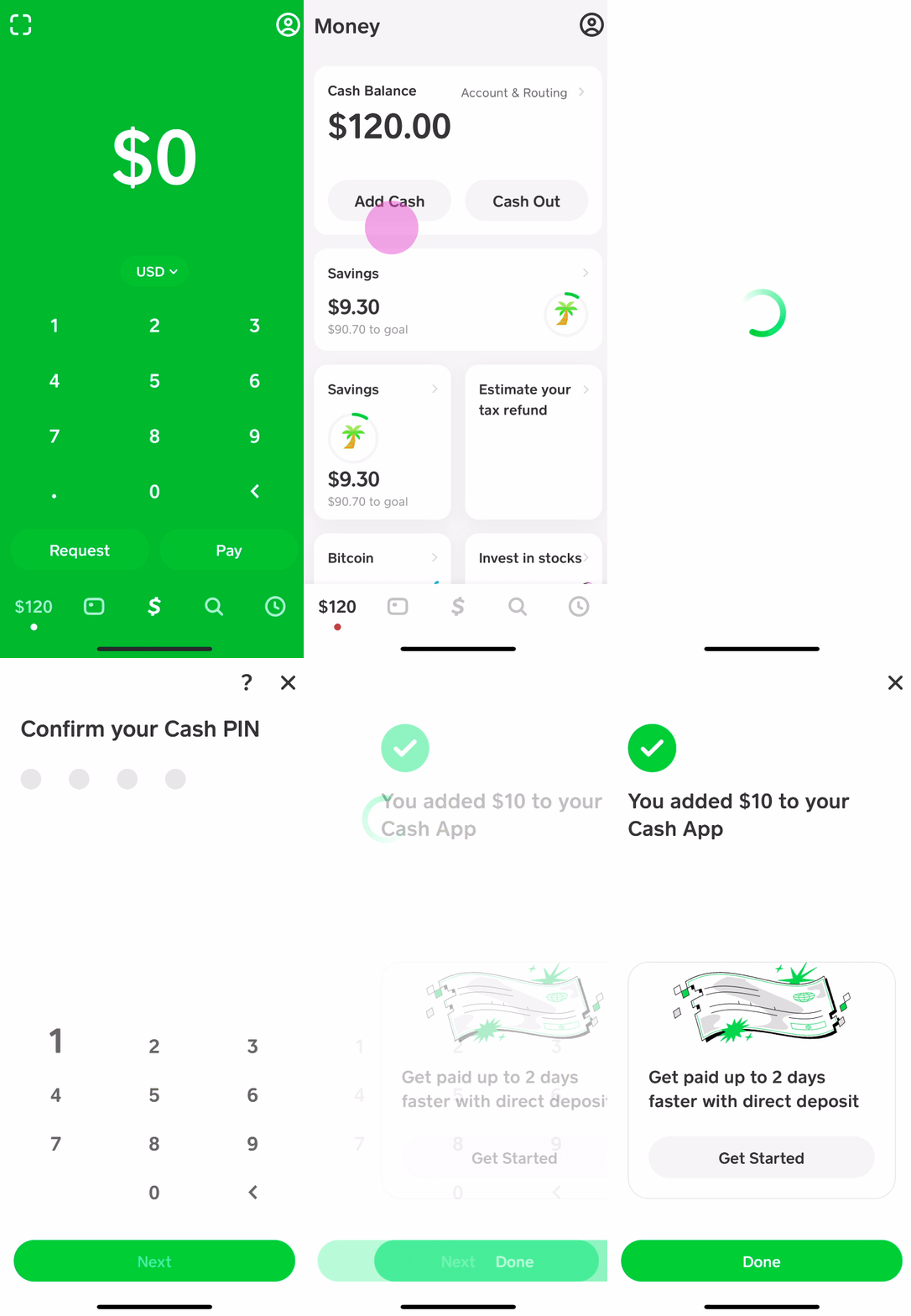
One of the most common and convenient ways to add money to your Cash App balance is by linking an external bank account. This typically involves connecting your checking account to your Cash App profile. Once linked, you can initiate transfers directly from your bank account to your Cash App balance.
-
Standard Deposits: These transfers usually take 1-3 business days to clear, depending on your bank’s processing times. They are typically free of charge.
-
Instant Deposits: For a small fee (usually 0.5% – 1.75% of the transaction amount), you can instantly transfer funds from your linked bank account to your Cash App balance. This option is ideal when you need immediate access to funds on your Cash App card.
Direct Deposit
For a more automated and regular funding solution, setting up direct deposit is an excellent option. Cash App provides unique routing and account numbers that you can use to receive payments directly into your Cash App balance, much like a traditional bank account.
-
Payroll: You can provide your employer with your Cash App direct deposit information to have your paycheck automatically sent to your account. This can often result in receiving funds up to two days earlier than traditional banks, a significant advantage for managing cash flow.
-
Government Benefits: Similarly, government benefits like tax refunds or social security payments can also be directed to your Cash App account using the provided direct deposit details.
Receiving Money from Other Cash App Users
Cash App’s foundational feature is its peer-to-peer payment system. If someone sends you money via Cash App, those funds are instantly added to your Cash App balance and become available for use with your Cash App card. This is a seamless way to receive payments from friends, family, or customers without any additional steps.
Adding Cash at Retail Locations
For those who primarily deal with physical cash, Cash App facilitates direct cash deposits at various retail locations. This method bridges the gap between traditional cash and digital spending, allowing you to load physical currency directly onto your Cash App balance.
-
Participating Retailers: Major retailers across the United States participate in the “Paper Money Deposit” program. These commonly include:
-
Walmart
-
Walgreens
-
7-Eleven
-
Dollar General
-
CVS
-
Rite Aid
-
Family Dollar
-
Pilot Flying J
-
Kwik Trip
-
Sheetz
-
GoMart
-
And many others. Look for signage or check the in-app map feature for the nearest participating location.
-
-
How it Works:
-
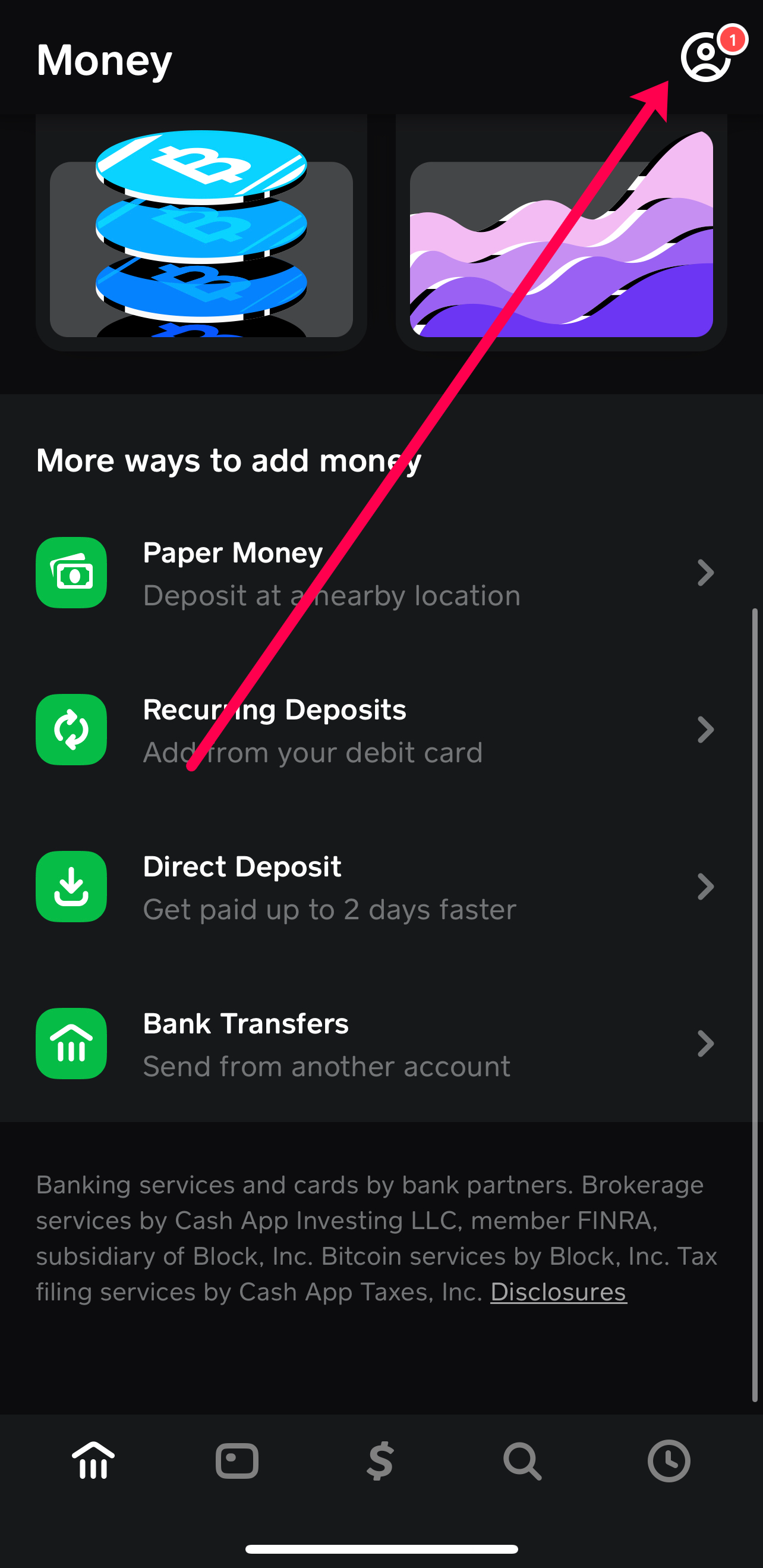
Open your Cash App and tap the “Banking” tab (the house icon).
-
Tap “Deposit Money” then select “Deposit Paper Money.”
-
Cash App will generate a unique barcode.
-
Present this barcode to the cashier at a participating retailer.
-
Tell the cashier how much cash you wish to deposit.
-
The cashier will scan the barcode and take your cash.
-
The funds are usually added to your Cash App balance instantly, though sometimes it might take a few minutes.
-
-
Fees and Limits: There is typically a small fee associated with cash deposits at retailers (e.g., $1 per transaction). Additionally, there are daily and weekly limits on how much cash you can deposit using this method, which vary and are displayed within the app. Always review these limits before heading to a store to avoid inconvenience.
Using a Debit Card for Instant Add Cash
While linking a bank account is a primary method, you can also use an existing debit card (different from the one linked to your bank account for transfers) to instantly add money to your Cash App balance. This is essentially an instant transfer where the funds are pulled directly from your debit card’s associated bank account. Like instant bank transfers, this usually incurs a small fee.
Strategic Financial Management with Your Cash App Card
Beyond simply depositing money, effectively utilizing your Cash App card involves integrating it into a broader financial strategy.
Budgeting and Tracking Expenses
The Cash App card can be a powerful budgeting tool. By funneling specific categories of spending (e.g., entertainment, groceries) through your Cash App balance, you can easily track these expenses within the app. The instant notifications and transaction history provide a clear overview of where your money is going, helping you stick to a budget.
Managing Cash Flow
The flexibility of multiple deposit options—especially direct deposit and instant transfers—allows for agile cash flow management. If you need immediate access to funds, or prefer to segregate certain income streams, Cash App provides the mechanisms to do so efficiently. This is particularly beneficial for freelancers or those managing side hustles, where quick access to earnings can be critical.
Understanding Limits and Fees
Successful financial management with Cash App necessitates a clear understanding of its limits and fees.
-
Deposit Limits: As mentioned, cash deposits at retailers have daily and weekly limits. Electronic transfers from linked banks or debit cards also have varying limits that can increase once your Cash App account is fully verified.
-
Withdrawal Limits: Your Cash App card also has ATM withdrawal limits and daily spending limits, which are distinct from deposit limits.
-
Fees: Be mindful of fees for instant transfers and cash deposits. While standard transfers are free, the convenience of instant access often comes at a nominal cost. Incorporate these potential fees into your financial planning.
Security Best Practices
Protecting your funds is paramount. Always enable security features such as a PIN, Face ID, or fingerprint authentication for your Cash App transactions. Be wary of phishing scams and never share your login credentials or sensitive information with unverified sources. Cash App also offers two-factor authentication, adding an extra layer of security to your account.
Beyond Deposits: Maximizing Your Cash App Card’s Value
Your Cash App card’s utility extends beyond its deposit functions, offering features that can further enhance your financial experience.
Boosts and Discounts
Cash App “Boosts” are instant discounts applied to purchases made with your Cash App card at specific merchants. These can range from a percentage off at a coffee shop to a fixed dollar amount off at a grocery store. Regularly checking and activating relevant Boosts can lead to tangible savings over time, effectively stretching your deposited funds further.
Bitcoin and Stock Investing
While not directly related to depositing money onto your card for spending, Cash App also allows users to buy and sell Bitcoin and fractional shares of stocks. This integrates basic investing features within the same ecosystem, enabling you to manage a portion of your financial assets from one app. Any profits from these investments can be liquidated and added to your Cash App balance, becoming available via your card.
Common Challenges and Solutions
Even with a robust system, users may occasionally encounter issues. Knowing how to address them can save time and frustration.
Deposit Issues
-
Failed Cash Deposits: Ensure the barcode is scanned correctly and the exact cash amount is given. Sometimes, network issues at the retailer can cause delays. Keep your receipt as proof of transaction.
-
Delayed Bank Transfers: While standard transfers are generally reliable, bank holidays or technical glitches can sometimes cause minor delays. Check your bank’s transaction history and Cash App’s in-app status.
Account Verification
To unlock higher spending and deposit limits, and to access all features, it’s crucial to verify your Cash App account by providing your full name, date of birth, and the last four digits of your Social Security Number (SSN). This process helps Cash App comply with financial regulations and enhances the security of your account.

Customer Support
If you encounter persistent problems or have specific inquiries, Cash App’s customer support is accessible through the app. They can provide personalized assistance for issues related to deposits, transactions, and account management.
In conclusion, the Cash App Card offers a versatile and accessible platform for managing your money, with a variety of convenient options for depositing funds. By understanding these methods, leveraging the app’s features, and practicing sound financial habits, you can effectively integrate your Cash App card into your daily financial life, making it a powerful tool for spending, saving, and even investing.
aViewFromTheCave is a participant in the Amazon Services LLC Associates Program, an affiliate advertising program designed to provide a means for sites to earn advertising fees by advertising and linking to Amazon.com. Amazon, the Amazon logo, AmazonSupply, and the AmazonSupply logo are trademarks of Amazon.com, Inc. or its affiliates. As an Amazon Associate we earn affiliate commissions from qualifying purchases.