
Cash App has emerged as a ubiquitous financial tool, simplifying peer-to-peer payments, banking, and even basic investing for millions. Its utility, however, hinges on one fundamental prerequisite: having funds available within your account. Understanding the various avenues for funding your Cash App balance is crucial for leveraging its full potential as a personal finance instrument. This guide explores the diverse methods for depositing money into your Cash App, examining each from a financial perspective to help you manage your funds effectively.
Understanding Cash App’s Core Functionality for Funding
At its heart, Cash App functions much like a digital wallet or a simplified bank account, allowing users to send, receive, and store money. To utilize features like sending money to friends, making purchases with the Cash Card, or investing in stocks and Bitcoin through the app, a positive balance is essential. The ease of funding is a significant factor in its appeal, bridging the gap between traditional banking and digital finance. Each method of depositing money into Cash App carries specific implications regarding speed, convenience, potential fees, and integration with your broader financial ecosystem. Therefore, selecting the most appropriate funding method often depends on your immediate needs, existing financial infrastructure, and personal preferences for managing liquidity.
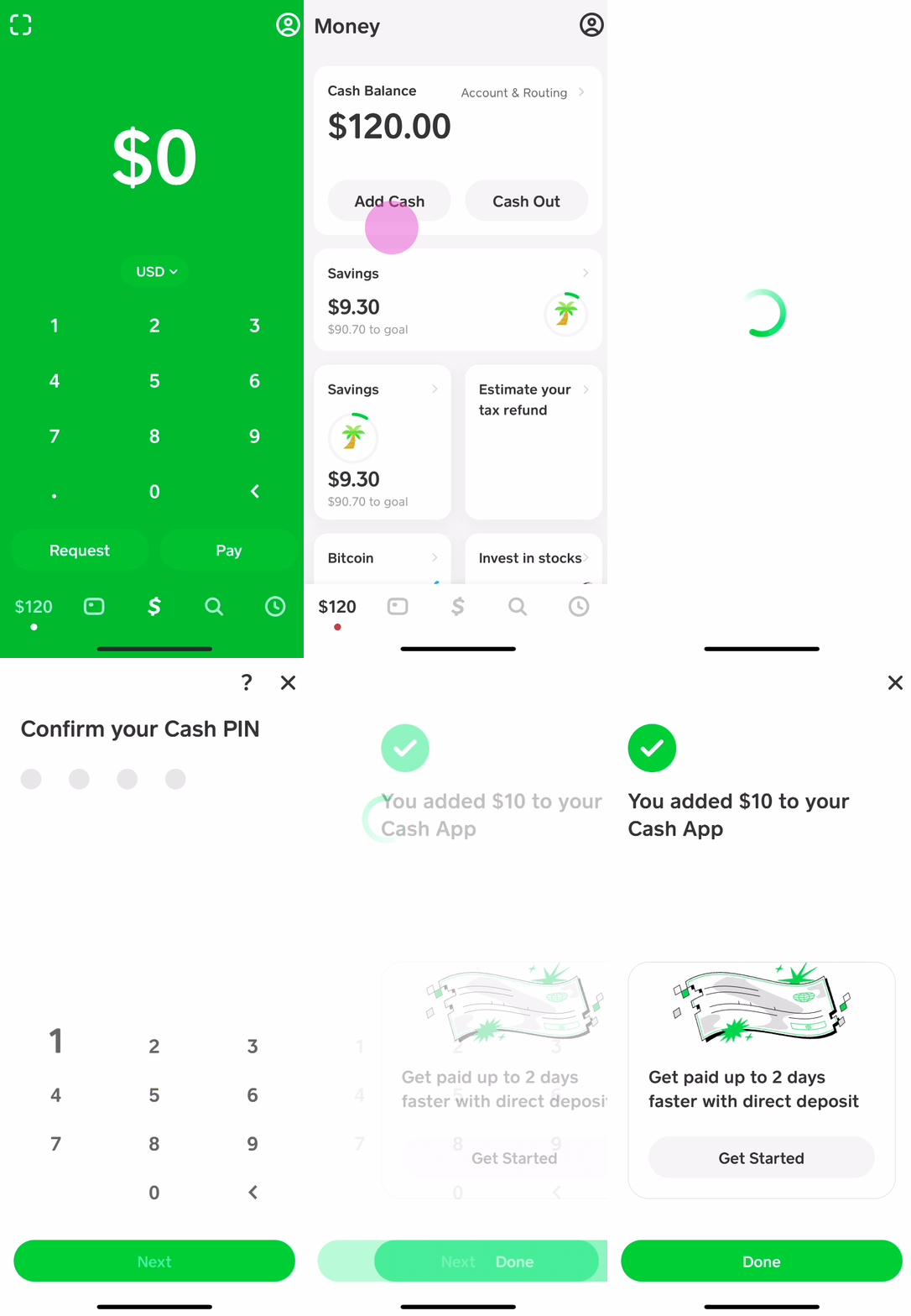
Traditional Methods for Funding Your Cash App Balance
The most common and straightforward ways to add money to your Cash App account often involve linking it directly to your existing financial instruments or making physical deposits. These methods form the backbone of Cash App’s funding mechanisms.
Linking a Debit Card
The primary method for most users to add money to Cash App is by linking a debit card to their account. This process is seamless and typically allows for instant transfers from your linked bank account to your Cash App balance. When you “Add Cash” within the app, funds are drawn directly from your bank account via the debit card connection. This method offers unparalleled convenience for regular top-ups and is ideal for managing day-to-day expenses or quick transfers.
From a financial planning perspective, linking a debit card facilitates a fluid transfer of funds, making Cash App an extension of your primary checking account. However, it’s crucial to monitor these transfers to avoid overdrafts on your linked bank account, especially if you maintain low balances. While Cash App itself doesn’t typically charge fees for standard debit card transfers, your bank might have policies regarding frequent small transactions, though this is rare for debit card usage. The speed of these transactions makes it a preferred choice for urgent financial needs or spontaneous peer-to-peer payments.
Adding Cash at Retailers
For individuals who prefer using physical cash or don’t have a linked bank account, Cash App offers the option to deposit money at participating retail locations. Major retailers like Walmart, Walgreens, 7-Eleven, and Dollar General often support this service. The process usually involves generating a barcode within the Cash App, presenting it to a cashier, and handing over the cash you wish to deposit. The funds are typically available in your Cash App balance within minutes.
This method is particularly valuable for the unbanked or underbanked population, offering a vital access point to digital financial services. It also serves as a convenient option for those who receive income in cash and wish to digitize it for use within Cash App or for transfers. Financially, it’s important to be aware that some retailers might charge a small fee for this service, typically a dollar or two per transaction. While convenient, planning these deposits during store hours and considering potential transaction limits (both daily and weekly) is essential for effective financial management. This method also introduces a physical step into the digital finance world, appealing to users who prefer tangible interactions with their money.
Direct Deposit from Your Paycheck or Benefits
One of Cash App’s most powerful features, transforming it beyond a simple P2P app into a more robust financial tool, is its ability to accept direct deposits. By providing an account number and routing number (found within the app), you can set up direct deposit for your paycheck, government benefits (like unemployment or Social Security), or tax refunds directly into your Cash App balance.
This method integrates Cash App deeply into your personal financial workflow. Receiving direct deposits can often make funds available up to two days earlier than traditional banks, which can be a significant advantage for managing cash flow. From a budgeting standpoint, using direct deposit allows you to allocate a portion or all of your income directly into Cash App, making it easier to separate funds for specific purposes, such as spending with the Cash Card, investing, or sending money. It reduces reliance on external bank accounts for receiving income, centralizing more of your financial activity within the app. Users should, however, be mindful of Cash App’s limits on direct deposit amounts and ensure their employer or benefits provider is compatible with the service. This feature underscores Cash App’s ambition to be a primary financial hub for its users, offering a comprehensive solution for income management.
Receiving Funds from Others: Peer-to-Peer Transactions and Beyond
Beyond actively adding money yourself, your Cash App balance can also grow through incoming transfers from other individuals or entities. These methods highlight Cash App’s strength as a facilitator of financial exchange.
Receiving Payments from Friends and Family
The cornerstone of Cash App’s initial popularity was its ease of peer-to-peer (P2P) payments. Friends, family members, or even colleagues can send you money directly to your Cash App using your $Cashtag, phone number, or email. Once sent, the funds instantly appear in your Cash App balance, ready for use.
This feature simplifies splitting bills, repaying debts, or sending monetary gifts. From a personal finance perspective, receiving funds via P2P transfers enhances liquidity within your Cash App account without requiring manual deposits. It streamlines informal financial interactions, reducing the need for cash exchanges or bank transfers that might incur delays or fees. For individuals managing shared expenses or receiving occasional contributions, this method is highly efficient and user-friendly.

Accepting Payments for Goods or Services
While primarily designed for personal use, many small businesses, freelancers, and individuals selling goods or services have adopted Cash App as a payment method due to its simplicity. Customers can pay directly into your Cash App account, either by scanning a QR code, sending to your $Cashtag, or using your associated phone number/email.
For individuals operating a side hustle or small venture, Cash App offers a convenient way to accept payments without the complexities or higher fees often associated with traditional merchant services. Financially, it’s a low-barrier entry point for digital transactions. However, users should be aware of the distinction between personal and business accounts (Cash App for Business) and the tax implications of receiving income this way. While personal accounts are free for standard transactions, business accounts might incur a small fee per transaction, typically for instant deposits. Proper record-keeping is essential for tax purposes when using Cash App to receive income.
Initiating a Cash App Transfer from Another Bank Account
Though less common than linking a debit card, it’s also possible to initiate a transfer from an external bank account to your Cash App account using your Cash App’s routing and account numbers. This essentially treats your Cash App balance like a receiving bank account. You would typically do this from your other bank’s online portal or app, treating your Cash App as an external account to which you’re sending money.
This method provides an alternative to debit card transfers, particularly if you prefer to manage transfers through your primary banking interface. It can be useful for scheduled transfers or for moving larger sums if you have specific limits on debit card transactions. The primary financial consideration here is the transfer time, which can vary from 1-3 business days, similar to standard ACH transfers between banks. This makes it less ideal for urgent funding but suitable for planned allocations or consolidating funds from different financial institutions.
Strategic Management of Your Cash App Funds
Beyond simply getting money into the app, integrating Cash App into your broader financial strategy requires thoughtful management and understanding of its capabilities and limitations.
Integrating Cash App into Your Budget
For many, Cash App can serve as a supplementary budgeting tool. By funneling a portion of your income or allocating specific funds to it, you can designate your Cash App balance for particular spending categories, such as entertainment, discretionary spending, or online purchases. This creates a psychological separation from your main bank account, potentially helping to control spending in certain areas.
Effective budgeting with Cash App involves consciously deciding how much to transfer and for what purpose. For instance, you might use it as a “fun money” account, loading a fixed amount each week or month and limiting your discretionary spending to that balance. This approach leverages the app’s accessibility for quick payments while imposing a self-managed spending limit.
Understanding Limits and Fees (Financial Prudence)
While Cash App is generally user-friendly and cost-effective, it’s crucial for financial prudence to be aware of its transaction limits and potential fees. Limits exist for sending, receiving, and adding money, and these can vary based on whether your account is verified or unverified. Verified accounts (which require identity verification) typically have higher limits.
Regarding fees, standard transfers from a debit card to Cash App are usually free, as are receiving P2P payments. However, instant transfers from Cash App to a linked bank account often incur a small fee (typically 0.5% – 1.75%). Similarly, as mentioned, adding cash at retailers or receiving business payments might have minor charges. Understanding these financial parameters helps you avoid unexpected costs and ensures that you use Cash App in the most economical way for your specific financial needs.
Utilizing Cash App for Savings and Investments
While not a dedicated savings or investment platform like a traditional brokerage, Cash App offers basic functionalities that can contribute to your financial goals. Once money is in your Cash App account, you have the option to:
-
Invest in Stocks: Purchase fractional shares of publicly traded companies. This allows for accessible, low-barrier entry into the stock market with even small amounts of money.
-
Invest in Bitcoin: Buy and sell Bitcoin directly within the app. This provides an easy way to participate in cryptocurrency markets.
These features mean that putting money into Cash App isn’t just for immediate spending; it can also be a step towards long-term wealth building, even if in a simplified manner. For individuals looking to start investing with small sums or exploring cryptocurrency without needing a complex exchange, funding your Cash App balance opens these avenues. It’s essential, however, to approach these investments with a clear understanding of the associated risks and to not treat Cash App as your sole or primary investment vehicle, given its limited range of assets and advanced features compared to dedicated investment platforms.
Maximizing the Utility of Your Funded Cash App Account
Once your Cash App account is funded, the possibilities for managing and utilizing your money expand significantly. The act of “putting money in” is merely the first step towards leveraging this versatile financial tool.
Spending and Sending Money
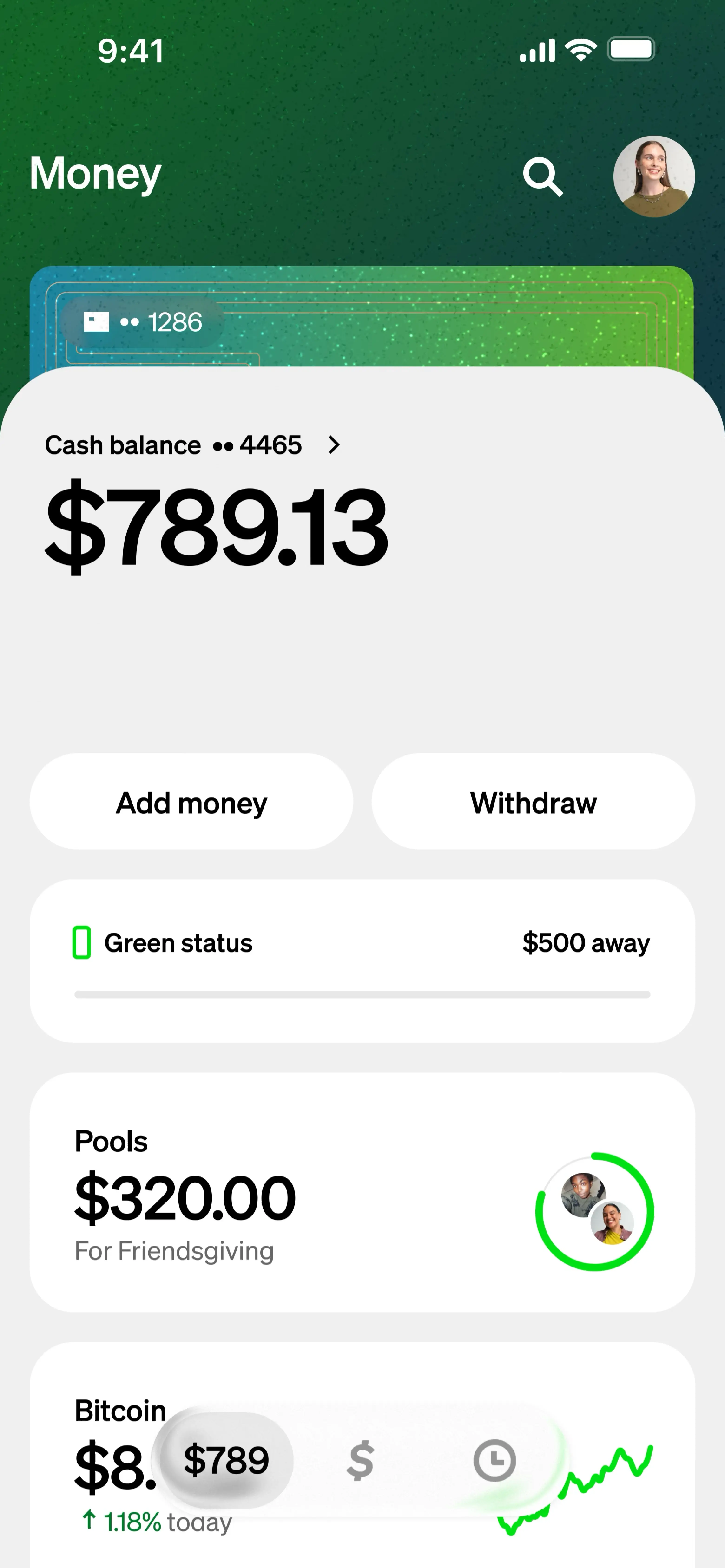
With a funded balance, you can seamlessly send money to anyone with a Cash App account, pay for goods and services online, or use the optional Cash Card (a free debit card linked to your balance) for in-store and online purchases anywhere Visa is accepted. This empowers you with flexible spending options that are directly tied to your digital balance. The Cash Card also often comes with “Boosts,” which are instant discounts at specific merchants, offering a tangible financial benefit for using the card.
Investing in Stocks and Bitcoin
As highlighted previously, your funded Cash App balance can be directly channeled into modest investments in stocks and Bitcoin. This integrated approach means you don’t need to transfer funds to a separate platform to begin investing, streamlining the process for nascent investors. It provides a convenient bridge from daily transactions to dabbling in market participation, all within a single app.
In conclusion, “where can I put money on Cash App” is a question with multiple answers, each offering distinct advantages for different financial scenarios. From instant debit card transfers and convenient retail deposits to direct deposits and peer-to-peer receipts, Cash App provides a comprehensive suite of options. Understanding these mechanisms and integrating them prudently into your personal finance strategy is key to harnessing Cash App’s full potential as a modern financial management tool.
aViewFromTheCave is a participant in the Amazon Services LLC Associates Program, an affiliate advertising program designed to provide a means for sites to earn advertising fees by advertising and linking to Amazon.com. Amazon, the Amazon logo, AmazonSupply, and the AmazonSupply logo are trademarks of Amazon.com, Inc. or its affiliates. As an Amazon Associate we earn affiliate commissions from qualifying purchases.