
Securing car insurance is a fundamental aspect of responsible vehicle ownership and a critical component of personal financial planning. Beyond being a legal requirement in most places, it acts as a vital financial safeguard, protecting you from potentially catastrophic costs associated with accidents, theft, or other unforeseen damages. Understanding the prerequisites for obtaining a policy is the first step toward securing adequate coverage and managing your financial risk effectively.
Understanding the Essentials: Why Car Insurance is Non-Negotiable
Car insurance isn’t merely a bureaucratic hurdle; it’s a cornerstone of financial stability for drivers. Its importance spans legal mandates, personal asset protection, and liability management, all of which are crucial considerations in personal finance.
Legal Mandate and Financial Protection
The primary reason most people purchase car insurance is straightforward: it’s legally required. Nearly every state mandates a minimum level of auto insurance, primarily focusing on liability coverage. This means that if you’re at fault in an accident, your insurance will cover the costs of damages or injuries to other people and their property, up to your policy limits. Without this coverage, you’d be personally responsible for these expenses, which can quickly amount to tens or even hundreds of thousands of dollars, jeopardizing your savings, assets, and future financial solvency. Beyond the legal aspect, comprehensive insurance provides peace of mind, protecting your own vehicle from various perils, from collisions to natural disasters, all of which represent significant potential financial outlays.
Types of Coverage: A Prerequisite Understanding
Before approaching an insurer, having a basic understanding of the different types of available coverage helps you articulate your needs and secure the most appropriate policy for your financial situation. This understanding ensures you don’t overpay for unnecessary coverage or, more critically, underinsure yourself against significant risks.
-
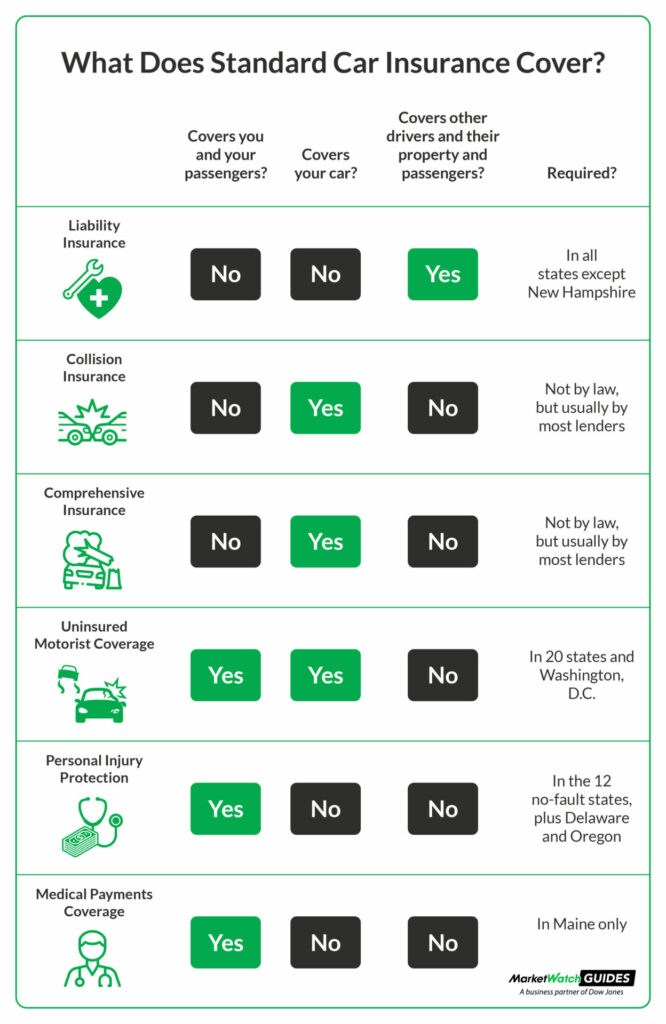
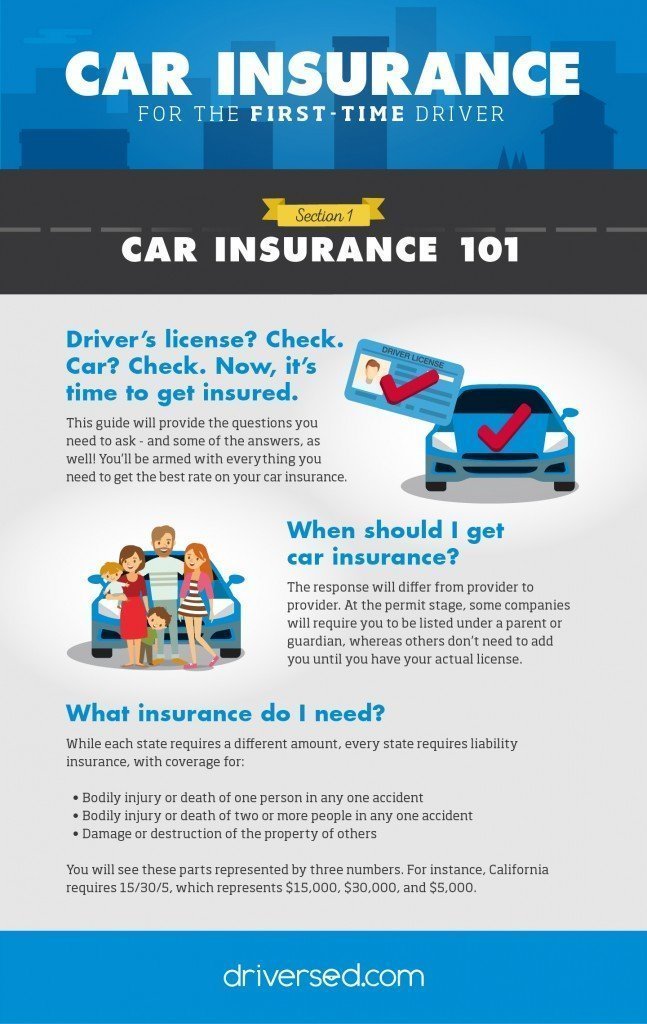
Liability Coverage: The bedrock of any policy, this covers bodily injury and property damage you cause to others in an at-fault accident. It’s typically expressed as three numbers (e.g., 25/50/25), representing per-person injury, per-accident injury, and property damage limits, respectively. This is the minimum legal requirement in most jurisdictions.
-
Collision Coverage: This pays for damages to your own vehicle resulting from a collision with another vehicle or object, regardless of fault. It’s often required if you have a car loan or lease.
-
Comprehensive Coverage: This covers non-collision damages to your vehicle, such as theft, vandalism, fire, natural disasters (hail, floods), or hitting an animal. Like collision, it’s frequently mandatory for financed or leased vehicles.
-
Uninsured/Underinsured Motorist (UM/UIM) Coverage: This protects you if you’re involved in an accident with a driver who has no insurance or insufficient insurance to cover your damages and medical expenses. Given the prevalence of uninsured drivers, this is a financially prudent addition.
-
Personal Injury Protection (PIP) or Medical Payments (MedPay): These cover medical expenses for you and your passengers after an accident, regardless of who was at fault. PIP can also cover lost wages and other related costs, depending on the state.
-
Gap Insurance: If your car is totaled and you owe more on your loan than the car is worth (due to depreciation), gap insurance covers the difference, preventing you from being upside down on your loan. This is particularly relevant for newer vehicles.
Understanding these options empowers you to make informed financial decisions about your policy limits and deductibles, balancing protection with affordability.
Key Information and Documents for an Insurance Quote
When you’re ready to get a car insurance quote, insurers will require a range of information to accurately assess your risk profile and calculate your premium. Having these details readily available streamlines the process and ensures the quotes you receive are precise.
Personal Identification Details
Your personal information forms the basis of your insurance profile. Accuracy here is paramount.
-
Driver’s License: You’ll need your full name, date of birth, driver’s license number, and the state of issuance. Your age and driving experience are significant factors in premium calculation.
-
Social Security Number (SSN): In some states, insurers may request your SSN to perform a credit check. Your credit-based insurance score can significantly influence your premium, as studies suggest a correlation between credit history and claims likelihood.
-
Current Address: Your residential address helps determine your geographical rating factors, as crime rates, accident frequency, and population density vary significantly by zip code.
-
Marital Status: Statistically, married individuals are often considered lower risk by insurers and may qualify for lower rates.
Vehicle Information
Details about the car you intend to insure are fundamental to determining its risk profile and potential repair costs.
-
Make, Model, and Year: These identify the specific vehicle.
-
Vehicle Identification Number (VIN): This unique 17-character code identifies your exact car, including its manufacturing details, engine type, and safety features. It’s typically found on the driver’s side dashboard, door jamb, or on your vehicle’s title or registration.
-
Odometer Reading: Some insurers ask for current mileage, especially for usage-based insurance programs, as high mileage often correlates with increased accident exposure.
-
Ownership Status: Whether the vehicle is financed, leased, or owned outright affects the required types of coverage (e.g., lenders typically mandate collision and comprehensive).
Driving History
Your past driving behavior is a direct indicator of your future risk, making it one of the most impactful factors on your premium.
-
Accidents: Dates of any past accidents, whether you were at fault, and the nature of the damages or injuries.
-
Violations: Records of traffic tickets, citations, or serious offenses like DUIs. These can significantly increase your rates for several years.
-
Claims History: Details of any previous insurance claims you’ve filed, even if they weren’t accident-related (e.g., theft, comprehensive claims).
Additional Drivers
If anyone else will regularly drive your car, they must be listed on your policy.
- Name, Date of Birth, and Driver’s License Information: For all household members or frequent drivers who will operate the insured vehicle. Insurers assess their driving records similarly to yours.
Current Insurance Policy (if applicable)
If you’re switching insurers, details about your existing policy can be helpful.
-
Policy Number and Expiration Date: To ensure continuous coverage and potentially qualify for “prior insurance” discounts.
-
Proof of Prior Coverage: Demonstrating you haven’t had a lapse in coverage can positively impact your rates.
Factors Influencing Your Insurance Premium
Understanding the elements that contribute to your insurance premium is key to managing costs and making financially savvy decisions about your policy. Many factors, some within your control and others not, play a role.
Driver-Specific Attributes
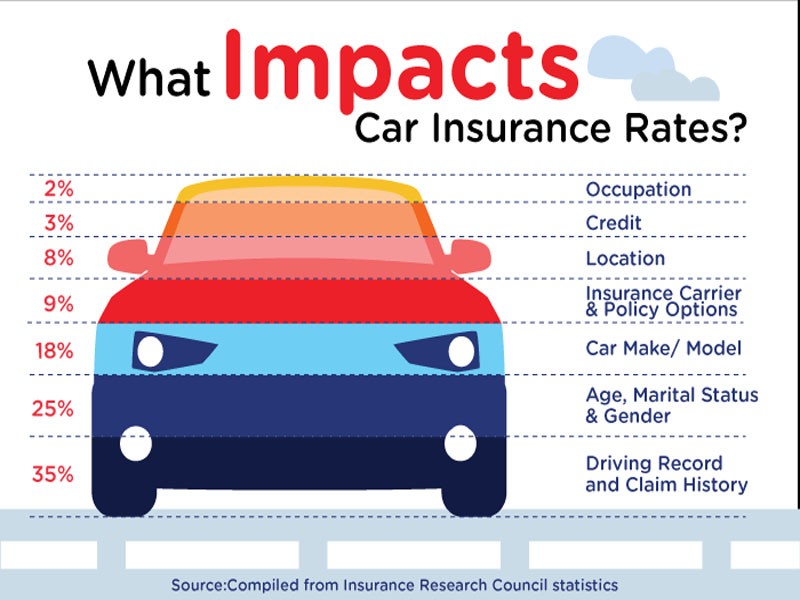
Insurers use a complex algorithm to assess individual risk, and personal demographics are a significant part of this equation.
-
Age and Driving Experience: Young, inexperienced drivers, particularly teenagers, typically face the highest premiums due to higher accident rates. Rates generally decrease with age and experience, stabilizing around your 30s, and may incrementally increase again in advanced age.
-
Gender: Statistically, young male drivers often pay more than young female drivers, though this differential tends to narrow with age.
-
Marital Status: Married individuals are often considered lower risk by insurers and may receive slightly lower rates than single, divorced, or widowed individuals.
-
Credit Score (Credit-Based Insurance Score): In most states (exceptions include California, Hawaii, Massachusetts, Michigan, and Washington), insurers use a credit-based insurance score to predict the likelihood of future claims. A higher score typically leads to lower premiums. Maintaining a good credit history is a fundamental aspect of personal finance that extends to insurance costs.
-
Occupation: Certain professions are sometimes associated with lower risk (e.g., teachers, scientists), while others might be linked to higher risk due to travel or stress, although this impact is usually minor.
-
Geographical Location (Zip Code): Living in an area with high traffic density, higher rates of vehicle theft, vandalism, or frequent severe weather events can lead to increased premiums. Your specific garage location is a critical rating factor.
Vehicle-Specific Attributes
The car itself, its features, and how it’s used are central to calculating its insurance premium.
-
Make, Model, and Year: Certain vehicles are statistically more likely to be stolen, involved in accidents, or cost more to repair, all of which drive up premiums. Luxury cars, sports cars, and those with expensive parts often cost more to insure.
-
Safety Features: Vehicles equipped with advanced safety features (e.g., automatic emergency braking, lane-keeping assist, multiple airbags, anti-lock brakes) may qualify for discounts due to a reduced risk of injury or severe damage.
-
Anti-Theft Devices: Factory-installed or aftermarket anti-theft systems (e.g., alarms, immobilizers, GPS tracking) can reduce the risk of theft and thus lower comprehensive coverage costs.
-
Engine Size and Horsepower: More powerful cars are sometimes associated with higher risk-taking behavior and thus higher premiums.
-
Vehicle Use: How you use your car (e.g., daily commute, pleasure driving, business use) impacts your annual mileage and exposure to risk. Commuting typically results in higher rates than pleasure use.
Chosen Coverage Levels and Deductibles
The financial choices you make regarding your policy’s structure directly impact your premium.
-
Coverage Limits: Opting for higher liability limits or additional coverages like UM/UIM, collision, and comprehensive will increase your premium. However, higher limits offer greater financial protection in the event of a significant claim, which can be a wise investment.
-
Deductibles: This is the amount you pay out-of-pocket before your insurance kicks in for collision and comprehensive claims. Choosing a higher deductible (e.g., $1,000 instead of $500) will lower your premium, but you must be financially prepared to pay that higher amount if you file a claim. This is a strategic financial decision balancing monthly costs against potential future outlays.
Discounts and Bundling Opportunities
Many insurers offer various discounts that can significantly reduce your premium. Proactively seeking these out is a smart financial move.
-
Multi-Policy Discount: Bundling your auto insurance with other policies from the same insurer (e.g., home, renters, life) is one of the most common and substantial discounts.
-
Good Driver/Safe Driver Discount: For maintaining a clean driving record over a specified period. Some insurers offer telematics programs that monitor driving habits via an app or device to reward safe drivers.
-
Good Student Discount: Available to high school or college students who maintain a certain GPA.
-
Vehicle Safety Features Discount: For cars equipped with specific safety or anti-theft devices.
-
Professional/Affinity Group Discounts: Some insurers partner with employers, alumni associations, or professional organizations to offer group discounts.
-
Paid-in-Full Discount: Paying your entire annual or semi-annual premium upfront often earns a small discount compared to monthly payments.
The Application Process: From Quote to Policy
Once you’ve gathered all the necessary information and understood the factors at play, the process of actually securing your policy is relatively straightforward. However, a financially astute approach involves comparing options and understanding the fine print.
Gathering Your Information
As detailed above, compile all personal, vehicle, and driving history information accurately. Inaccurate information could lead to issues with claims or policy cancellation in the future, creating significant financial headaches. Have your driver’s license, vehicle title or registration, and current policy details (if applicable) handy.
Shopping Around for Quotes
This is perhaps the most critical step in optimizing your car insurance costs. Prices for identical coverage can vary dramatically between different insurers.
-
Online Comparison Tools: Many websites allow you to enter your information once and receive multiple quotes from various providers.
-
Independent Insurance Agents: These agents work with several different insurance companies and can shop around on your behalf, often providing personalized advice and helping you find the best value.
-
Direct from Insurers: You can also contact individual insurance companies directly for quotes, either online or by phone. It’s advisable to get at least three to five quotes to ensure you’re getting a competitive rate.
Understanding Your Quote
Don’t just look at the bottom-line premium. Carefully review each quote to ensure you’re comparing apples to apples regarding coverage limits, deductibles, and any specific endorsements. Understand what is included and excluded. Ask questions about anything unclear. This detailed review ensures you’re not sacrificing essential financial protection for a slightly lower premium.
Making the Payment
Once you’ve selected a policy, you’ll typically need to make an initial payment to bind the coverage. This can be your first month’s premium or a larger upfront payment if you choose to pay in full or semi-annually, which often comes with a discount. Ensure the payment method is secure and convenient for your financial planning.
Proof of Insurance
Upon payment, your insurer will issue proof of insurance, usually in the form of an insurance ID card (physical and/or digital) and the full policy documents. Keep your ID card in your vehicle at all times, as it’s required by law in most states. Review the full policy documents carefully to confirm all details are correct and that you fully understand your coverage, terms, and conditions.
Maintaining Your Policy and Financial Implications
Securing car insurance isn’t a one-time event; it requires ongoing attention to ensure continuous financial protection and optimized costs.
Regular Reviews and Updates
Life changes can impact your insurance needs and rates. It’s financially prudent to review your policy at least annually or whenever a significant life event occurs.
-
Annual Policy Review: Contact your insurer or agent annually to discuss your coverage, check for new discounts, and ensure your policy still meets your needs. Rates can change based on market conditions, your driving record, and the insurer’s risk assessments.
-
Reporting Life Changes: Inform your insurer promptly if you:
-
Move to a new address.
-
Purchase a new vehicle or sell an old one.
-
Add or remove drivers from your household (e.g., a child gets their license, a spouse moves out).
-
Change your vehicle’s primary use (e.g., from commuting to pleasure).
-
Modify your vehicle significantly.
-
These updates ensure your policy accurately reflects your current situation, preventing potential issues during a claim or ensuring you get the best possible rate.
Understanding Claims and Deductibles
Filing a claim is when your insurance policy truly demonstrates its financial value, but it’s important to understand the process and its implications.
-
Deductibles: When you file a collision or comprehensive claim, you are responsible for paying your deductible amount before your insurance pays the rest. Ensure you always have your deductible amount readily available in your emergency fund.
-
Impact on Future Premiums: Filing a claim, especially an at-fault accident claim, can lead to an increase in your future premiums. Consider the cost-benefit of filing a small claim versus paying out-of-pocket, particularly if the damage is only slightly above your deductible. This is a key financial decision point for many drivers.
Preventing Lapses in Coverage
Allowing your car insurance policy to lapse can have severe financial and legal consequences.
-
Legal Penalties: Driving without insurance is illegal in most states and can result in significant fines, license suspension, vehicle impoundment, and even jail time.
-
Financial Exposure: Without coverage, you are personally liable for all damages and injuries if you cause an accident.
-
Higher Future Premiums: A lapse in coverage signals higher risk to future insurers, often leading to significantly higher premiums when you attempt to get a new policy.
By staying proactive and informed about your car insurance policy, you not only meet legal requirements but also effectively manage a critical aspect of your personal financial security, protecting your assets and ensuring peace of mind on the road.
aViewFromTheCave is a participant in the Amazon Services LLC Associates Program, an affiliate advertising program designed to provide a means for sites to earn advertising fees by advertising and linking to Amazon.com. Amazon, the Amazon logo, AmazonSupply, and the AmazonSupply logo are trademarks of Amazon.com, Inc. or its affiliates. As an Amazon Associate we earn affiliate commissions from qualifying purchases.