
The question “How much per month is Obamacare?” is one of the most frequently asked when individuals and families explore their healthcare options. Yet, there’s no single, simple answer to this query. “Obamacare” is the popular name for the Affordable Care Act (ACA), a landmark piece of legislation passed in 2010 designed to make health insurance more accessible and affordable for millions of Americans. Rather than a fixed price tag, the cost of ACA-compliant plans varies significantly based on a multitude of factors, unique to each individual’s circumstances.
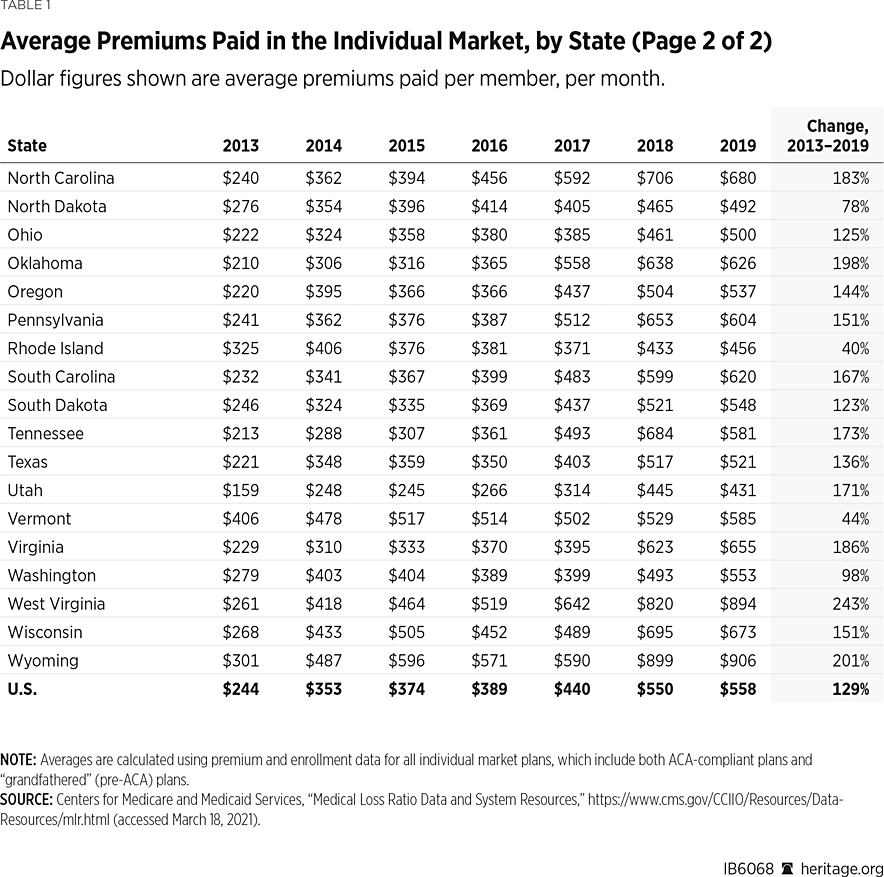
Understanding your potential monthly cost under the ACA requires delving into the mechanics of health insurance premiums, the role of government subsidies, and personal details like income, location, and age. For many, especially those who qualify for financial assistance, the actual amount paid can be dramatically lower than the sticker price of a plan. This article will navigate the complexities of ACA costs, demystifying the variables that determine your monthly healthcare expense and empowering you to make informed financial decisions about your health coverage.
Understanding the Core Components of ACA Costs
When you enroll in a health insurance plan through the ACA Marketplace (Healthcare.gov or your state’s exchange), you’re not just paying one lump sum. Your total financial responsibility is a composite of several elements, each playing a crucial role in your overall healthcare budget.
Premiums: The Monthly Price Tag
The most obvious and consistent cost associated with any health insurance plan is the premium. This is the amount you pay every month to your insurance company, regardless of whether you use medical services or not. Premiums are essentially your entry ticket to having coverage. However, the price of these premiums is not static; it’s influenced by several key factors:
-
Age: Generally, older individuals face higher premiums as they are statistically more likely to require medical care. The ACA limits how much more older adults can be charged compared to younger adults (typically a 3:1 ratio).
-
Geographic Location: Healthcare costs, competition among insurers, and state regulations vary widely across the country. Someone in a rural area of one state might pay a different premium for a similar plan than someone in a bustling city in another state.
-
Tobacco Use: Insurers are permitted to charge tobacco users a surcharge, though many states have chosen to limit or prohibit this.
-
Plan Category (Metal Level): ACA plans are categorized into “metal levels”—Bronze, Silver, Gold, and Platinum—each signifying a different split of costs between you and the insurer.
-
Bronze plans typically have the lowest monthly premiums but the highest deductibles and out-of-pocket costs when you need care. They cover about 60% of average healthcare costs.
-
Silver plans have moderate premiums and moderate deductibles. They cover about 70% of average costs. Crucially, Silver plans are the only ones eligible for Cost-Sharing Reductions (CSRs), which can significantly lower your out-of-pocket expenses if you qualify.
-
Gold plans have higher monthly premiums but lower deductibles and out-of-pocket costs. They cover about 80% of average costs.
-
Platinum plans have the highest monthly premiums but the lowest deductibles and out-of-pocket costs, covering about 90% of average costs.
-
Deductibles, Copayments, and Coinsurance
Beyond the monthly premium, these three terms represent your direct costs when you actually use healthcare services:
-
Deductible: This is the amount you must pay out of your own pocket for covered medical services before your insurance company starts to pay. For example, if your deductible is $3,000, you’ll pay the first $3,000 in medical bills for covered services yourself before your insurer contributes. Many plans, however, cover certain preventive services (like annual check-ups) before you’ve met your deductible.
-
Copayment (Copay): A copay is a fixed amount you pay for a covered service, usually when you receive the service. For instance, you might pay a $30 copay for a doctor’s office visit or a $10 copay for a prescription drug, even after your deductible has been met.
-
Coinsurance: This is your share of the cost of a covered service, calculated as a percentage. After you’ve met your deductible, your insurance company pays a percentage of the cost, and you pay the remaining percentage. For example, if your plan has an 80/20 coinsurance, your insurer pays 80% of the cost for a service, and you pay 20%.
Out-of-Pocket Maximums
The out-of-pocket maximum (or limit) is a critical component of ACA plans, serving as a financial safety net. This is the absolute most you will have to pay for covered medical services in a given year. Once you reach this limit, your insurance company pays 100% of the costs for all covered services for the rest of the plan year. This maximum includes your deductible, copayments, and coinsurance, protecting you from potentially catastrophic medical bills in the event of a serious illness or accident. It’s a crucial figure to consider when budgeting for potential healthcare expenses, especially if you anticipate significant medical needs.
The Role of Financial Assistance: Lowering Your Monthly Bill
One of the most significant aspects of the ACA is its provision for financial assistance, which makes health insurance more affordable for millions of Americans. This assistance comes primarily in two forms: Premium Tax Credits and Cost-Sharing Reductions.
Premium Tax Credits (Subsidies)
Premium Tax Credits (PTCs), often referred to simply as “subsidies,” are government payments that reduce your monthly health insurance premiums. They are advanced directly to your insurance company, so you only pay the reduced amount each month. Eligibility for these subsidies is based on your household income relative to the Federal Poverty Level (FPL) and your household size.
-
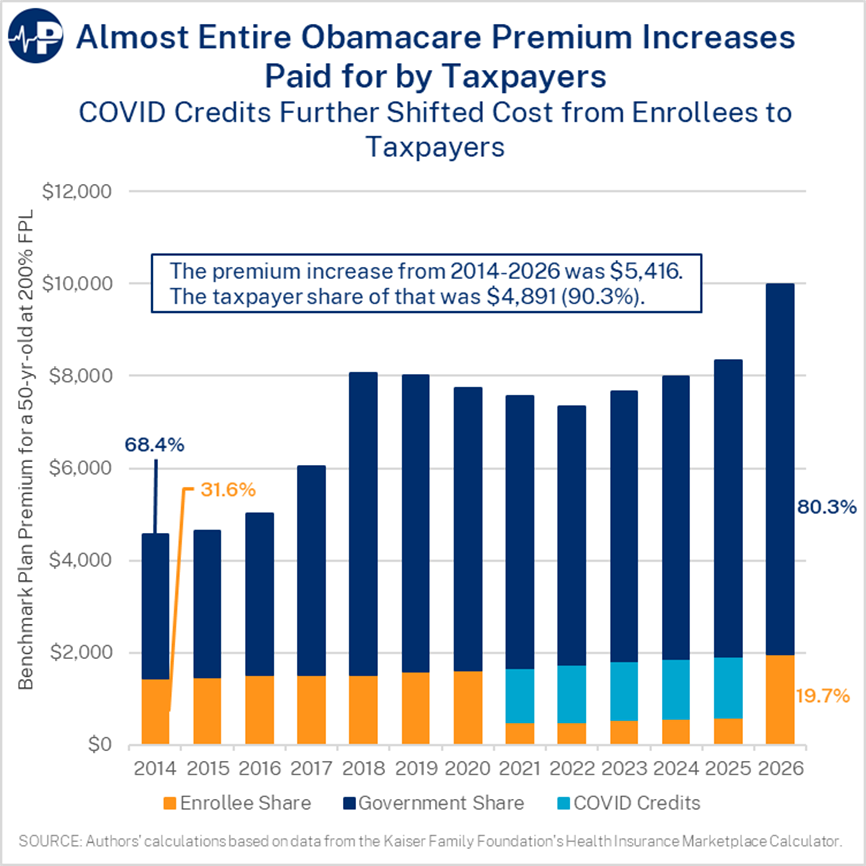
Eligibility: Historically, PTCs were available to individuals and families earning between 100% and 400% of the FPL. However, the American Rescue Plan Act (ARPA) of 2021, extended and enhanced by the Inflation Reduction Act (IRA) of 2022, temporarily removed the 400% FPL income cap. This means that, through at least 2025, no one should have to pay more than 8.5% of their household income for the benchmark Silver plan premium, regardless of how high their income is. This expansion has made subsidies more generous and accessible to a wider range of middle-income households.
-
How They Work: When you apply through the Marketplace, you’ll provide an estimate of your annual household income. The Marketplace then calculates your eligibility and the amount of your tax credit. This credit is used to lower your monthly premium for any Marketplace plan you choose. The amount of your credit is tied to the cost of the “benchmark” Silver plan in your area, but you can apply it to any metal level plan. If you choose a Bronze plan, your premium could be very low, or even $0, after applying the credit.
Cost-Sharing Reductions (CSRs)
Cost-Sharing Reductions (CSRs) are another vital form of financial assistance, specifically designed to lower your out-of-pocket costs (deductibles, copayments, and coinsurance) when you receive care. Unlike Premium Tax Credits, which can be applied to any metal level plan, CSRs are only available if you enroll in a Silver plan.
-
Eligibility: CSRs are available to individuals and families with household incomes between 100% and 250% of the FPL. The lower your income within this range, the more significant your CSRs will be, leading to substantially lower deductibles, copays, and coinsurance.
-
The “Silver” Advantage: For eligible individuals, enrolling in a Silver plan with CSRs effectively means you’re getting a plan that covers more of your medical costs than a standard Silver plan, sometimes approaching the generosity of a Gold or even Platinum plan, but at a Silver plan’s (or even Bronze plan’s, after PTCs) premium price. This makes Silver plans an exceptionally good value for those who qualify for both PTCs and CSRs.
Medicaid and CHIP
For individuals and families with very low incomes, the ACA also expanded eligibility for Medicaid, a joint federal and state program that provides free or low-cost health coverage.
-
Medicaid Expansion: In states that have expanded Medicaid, eligibility typically extends to adults with incomes up to 138% of the FPL. Medicaid plans usually have very low or no premiums and minimal out-of-pocket costs.
-
Children’s Health Insurance Program (CHIP): CHIP provides low-cost health coverage for children in families who earn too much to qualify for Medicaid but cannot afford private insurance. Eligibility for CHIP also varies by state.
-
Seamless Application: When you apply through the Health Insurance Marketplace, your application will automatically determine if you or any members of your household are eligible for Medicaid or CHIP, streamlining the process of finding the most affordable coverage.
Factors Influencing Your Specific Obamacare Cost
Given that “Obamacare” isn’t a fixed price, understanding the variables that directly impact your specific monthly cost is essential for accurate budgeting and plan selection. These factors are interwoven, creating a personalized cost profile for each applicant.

Income Level and Household Size
These two factors are arguably the most critical determinants of your monthly premium, especially due to their direct link to Premium Tax Credit eligibility and amount.
-
Federal Poverty Level (FPL): The FPL is a set of income thresholds used by the federal government to define poverty. Your household income, relative to the FPL for your household size, determines your eligibility for subsidies and the amount of financial assistance you receive. A higher income relative to the FPL means smaller subsidies, and thus higher net premiums (though the ARPA/IRA changes have significantly mitigated this for many).
-
Household Composition: The number of people in your tax household (which may include yourself, your spouse, and dependents) affects the FPL threshold you’re compared against. A larger household typically has a higher FPL threshold, potentially making you eligible for more assistance at a given income level.
Geographic Location
Where you live significantly impacts your premium costs, even for the same plan category and insurer.
-
State and Local Market Dynamics: State regulations, the number of competing insurance companies in a given area, and the overall cost of healthcare services in your region (e.g., hospital prices, physician fees) all contribute to premium variations. States with more insurers generally see more competitive pricing.
-
Rural vs. Urban Differences: Premiums can differ between urban and rural areas within the same state due to varying provider networks, operational costs for insurers, and regional healthcare utilization patterns.
Age and Tobacco Use
While the ACA limits how much more older adults can be charged, age still plays a role in premium calculation.
-
Age: Premiums are typically lower for younger individuals and increase with age. Insurers are allowed to charge older adults up to three times more than younger adults for the same plan.
-
Tobacco Use: The ACA permits insurers to charge a tobacco surcharge, up to 1.5 times the premium of a non-tobacco user. However, many states have chosen to limit or prohibit this surcharge, so its impact varies by location.
Chosen Plan Category (Metal Levels)
As discussed earlier, your choice of metal level (Bronze, Silver, Gold, Platinum) directly influences your monthly premium versus your out-of-pocket costs.
-
Bronze: Lowest premiums, highest out-of-pocket costs. Best for those who rarely visit the doctor and want protection from major unexpected medical events.
-
Silver: Moderate premiums, moderate out-of-pocket costs. The only plans eligible for Cost-Sharing Reductions, making them an excellent value for those who qualify for CSRs. A good balance for many individuals.
-
Gold: Higher premiums, lower out-of-pocket costs. Suitable for those who anticipate needing regular medical care and prefer to pay more upfront for lower costs at the point of service.
-
Platinum: Highest premiums, lowest out-of-pocket costs. Ideal for individuals with chronic conditions or those who expect frequent medical care and want the most predictable cost structure.
How to Find Your Specific Monthly Cost and Enroll
The process of determining your specific “Obamacare” cost and enrolling in a plan is designed to be user-friendly, with various resources available to help you navigate your options.
Utilizing the Health Insurance Marketplace (Healthcare.gov)
The official Health Insurance Marketplace is the primary portal for finding and enrolling in ACA-compliant plans.
-
Create an Account: Start by creating an account on Healthcare.gov (or your state’s specific exchange website).
-
Provide Information: You’ll need to enter personal details, including your household size, estimated annual income, age, and location. Be as accurate as possible with your income estimate, as this directly impacts your subsidy eligibility.
-
Compare Plans and See Subsidies: Once your information is entered, the Marketplace will show you all available plans in your area, along with the estimated Premium Tax Credits you qualify for. You’ll see the net monthly premium—the amount you would actually pay after subsidies are applied. You can then compare plans side-by-side, looking at premiums, deductibles, copays, coinsurance, out-of-pocket maximums, and provider networks.
-
Select and Enroll: Choose the plan that best fits your financial situation and healthcare needs, and complete the enrollment process directly through the website.
Professional Assistance
If you find the process overwhelming or have complex questions, free professional assistance is available.
-
Navigators: These are trained individuals and organizations funded by the federal government (or state governments) to provide unbiased information and help with enrollment. They are experts in the ACA and can assist with understanding plan options, calculating subsidies, and completing the application.
-
Brokers/Agents: Licensed health insurance brokers or agents can also help you compare plans and enroll. They represent specific insurance companies but are often compensated by the insurers, meaning their services are typically free to you. They can offer advice based on their knowledge of different plans and carriers.
Open Enrollment Period
The ACA Marketplace has an annual Open Enrollment Period (OEP), typically running from November 1st to January 15th for coverage starting the following year. This is the main window when anyone can apply for new coverage or change their existing plan.
- Special Enrollment Periods (SEPs): Outside of OEP, you can only enroll or change plans if you experience a “qualifying life event.” These events include things like getting married, having a baby, losing other health coverage (e.g., due to job loss), moving to a new area, or certain changes in income that affect your eligibility for subsidies. If you have a qualifying life event, you typically have 60 days from the event date to enroll.
Conclusion
The question “how much per month is Obamacare?” doesn’t have a universal answer because the Affordable Care Act is designed to provide personalized coverage options and financial assistance. What you pay monthly is a dynamic figure, shaped by your income, household size, geographic location, age, tobacco use, and the specific metal level plan you choose.
For many, especially those who qualify for generous Premium Tax Credits and Cost-Sharing Reductions, the monthly cost of an ACA plan can be remarkably affordable, sometimes even zero after subsidies. Understanding these financial aid mechanisms is crucial to unlocking the true value of the Marketplace.
To determine your specific monthly cost, the most effective step is to visit Healthcare.gov (or your state’s health insurance exchange) during the Open Enrollment Period or if you’ve experienced a qualifying life event. Input your details, compare plans, and see the net premiums after any applicable subsidies. Don’t hesitate to leverage the free assistance offered by navigators or licensed agents, who can provide tailored guidance. By taking an informed approach, you can navigate the complexities of “Obamacare” costs and secure health insurance that fits both your medical needs and your budget.
aViewFromTheCave is a participant in the Amazon Services LLC Associates Program, an affiliate advertising program designed to provide a means for sites to earn advertising fees by advertising and linking to Amazon.com. Amazon, the Amazon logo, AmazonSupply, and the AmazonSupply logo are trademarks of Amazon.com, Inc. or its affiliates. As an Amazon Associate we earn affiliate commissions from qualifying purchases.