
In an increasingly health-conscious world, terms like “gluten-free” have transitioned from niche dietary concerns to mainstream buzzwords. However, beneath the marketing hype and dietary trends lies a critical distinction between coeliac disease and gluten intolerance – a difference that carries substantial weight not just for individual health, but for personal finance, market dynamics, and the broader economy. Understanding this distinction is not merely an academic exercise; it’s an economic imperative that influences healthcare costs, consumer spending patterns, business investments, and even entrepreneurial ventures.
This article delves into the financial ramifications of these two conditions, exploring how their differing diagnoses, management strategies, and public perceptions create distinct economic landscapes. From the costs associated with diagnosis and treatment to the burgeoning multi-billion dollar gluten-free market, we uncover why knowing the difference between coeliac disease and gluten intolerance is crucial for individuals, businesses, and investors alike.
The Economic Imperative of Distinction: Why Understanding the Difference Matters Financially
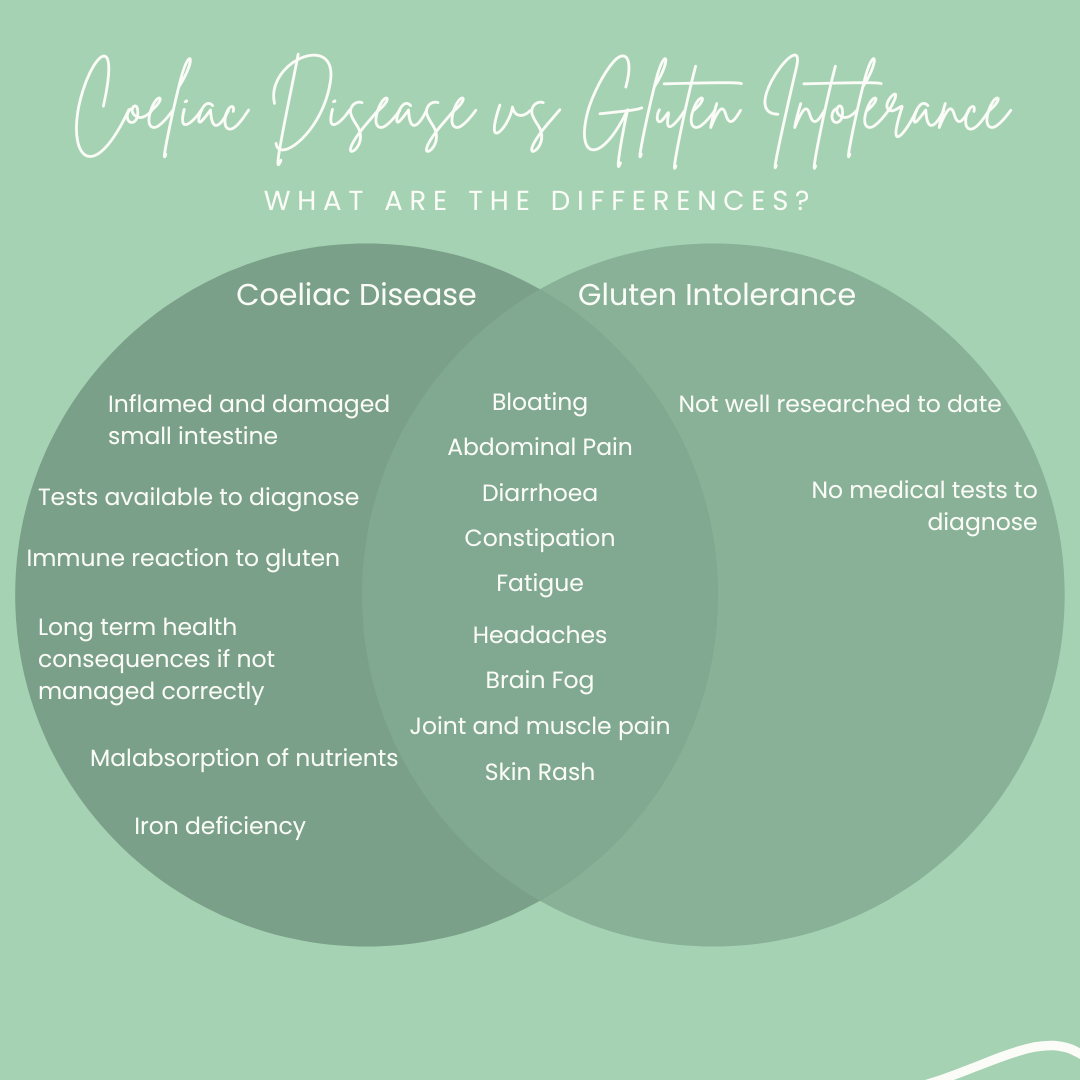
At its core, the differentiation between coeliac disease and gluten intolerance (more accurately termed non-coeliac gluten sensitivity, or NCGS) is clinical. Coeliac disease is an autoimmune condition causing damage to the small intestine, requiring a lifelong, strict gluten-free diet. NCGS, on the other hand, presents similar symptoms but without the autoimmune response or intestinal damage, with varying degrees of gluten avoidance often proving sufficient. From a financial perspective, these clinical differences translate into vastly different economic journeys for affected individuals and ripple effects across the healthcare and food industries.
Diagnostic Costs vs. Lifestyle Management
The initial financial divergence begins with diagnosis. For suspected coeliac disease, the diagnostic pathway typically involves a series of blood tests (e.g., tTG-IgA, EMA) followed by an endoscopy with biopsies of the small intestine. These medical procedures can incur significant costs, depending on geographic location, insurance coverage, and healthcare systems. In countries with out-of-pocket expenses or high deductibles, a full coeliac diagnosis can run into hundreds or even thousands of dollars. These costs are often justified by the severe long-term health risks of undiagnosed coeliac disease, including malnutrition, osteoporosis, infertility, and an increased risk of certain cancers.
Conversely, NCGS currently lacks a definitive diagnostic marker. Diagnosis is typically made through an exclusion diet: removing gluten and observing symptom improvement, after coeliac disease and wheat allergy have been ruled out. While this process may involve some initial consultation fees with a dietitian or gastroenterologist, it generally avoids the expensive laboratory and procedural costs associated with coeliac disease. For many, NCGS diagnosis is a process of self-experimentation, making the direct diagnostic financial burden minimal, though potentially leading to prolonged periods of discomfort and trial-and-error spending on various dietary interventions.
Understanding this financial disparity in diagnosis is vital. Patients grappling with symptoms need to weigh the upfront investment in definitive testing against the long-term health and financial risks of misdiagnosis or self-management without clinical certainty. From a public health finance perspective, allocating resources for accurate coeliac screening can prevent more costly complications down the line.
Insurance and Healthcare Coverage Implications
The medical distinction profoundly impacts insurance coverage and healthcare benefits. Coeliac disease, being a recognized autoimmune condition, often qualifies for specific medical benefits, dietary counseling coverage, and potentially even tax deductions for the extra cost of gluten-free foods in some regions. Insurance providers may cover diagnostic tests, regular follow-ups with specialists, and management of associated complications.
For NCGS, coverage is far less consistent. As it’s not currently classified as an autoimmune disease or a severe medical condition in the same vein as coeliac disease, insurance companies are less likely to cover dietary counseling, specialized food costs, or long-term monitoring. This places a greater financial burden on individuals with NCGS to self-fund their dietary changes and manage their symptoms, potentially limiting access to professional nutritional guidance which could improve their quality of life. The disparity highlights a systemic gap in healthcare financing where recognized medical conditions receive more comprehensive support than conditions still evolving in diagnostic clarity. This creates a two-tiered system of financial support based on the precise medical classification of gluten sensitivity.
Market Dynamics: The Gluten-Free Gold Rush
The rise of “gluten-free” as a mainstream concept has sparked a significant economic boom, creating a multi-billion dollar market. This industry is fueled by both those medically required to avoid gluten (coeliac disease) and those choosing to do so for perceived health benefits or due to NCGS. However, the distinct requirements of these groups shape the market in different ways, leading to specific brand strategies, product development, and investment opportunities.
The Premium on “Gluten-Free” Products
One of the most immediate financial impacts is the higher cost of gluten-free products. Due to specialized ingredients (e.g., rice flour, tapioca starch, almond flour), dedicated production lines to prevent cross-contamination, and often smaller production scales, gluten-free alternatives typically carry a significant price premium – sometimes 50% to 300% higher than their gluten-containing counterparts. This premium creates a substantial ongoing financial burden for those who must strictly adhere to a gluten-free diet for medical reasons.
For individuals with coeliac disease, this premium is a non-negotiable cost of living. For those with NCGS or simply opting for gluten-free, it represents a discretionary expense. The market caters to both, but the stringency of “certified gluten-free” (critical for coeliacs to avoid even trace amounts) often drives up costs further, as it requires rigorous testing and certification processes. Companies that successfully navigate these certifications command trust and a loyal customer base among coeliac consumers, potentially justifying even higher price points.
Investment Opportunities in the Allergy-Friendly Sector
The consistent growth of the gluten-free market, alongside other allergy-friendly sectors (dairy-free, nut-free), has attracted significant investment. Venture capitalists and large food corporations are pouring capital into innovative food startups, dedicated gluten-free bakeries, and manufacturers developing new ingredients and processing technologies. This creates a fertile ground for financial returns, as consumer demand for safe and palatable gluten-free options continues to expand.
Investors keen on this sector must understand the nuances. Brands that prioritize rigorous testing and transparent labeling (e.g., “certified gluten-free”) often build stronger equity and consumer trust among the medically sensitive population, offering a stable demand base. Conversely, brands that broadly appeal to the “wellness” trend might capture a larger, but potentially more fickle, market segment. The financial success of these ventures often hinges on their ability to differentiate their products, manage supply chains efficiently, and communicate their value proposition effectively to diverse consumer groups.
Business Models and Brand Strategies in a Niche Market
Businesses operating in the gluten-free space develop specific models and brand strategies. Dedicated gluten-free manufacturers often focus on strict quality control and allergen management, sometimes operating entirely gluten-free facilities. Their branding emphasizes safety, trust, and suitability for coeliac individuals. These brands often command premium pricing due to their specialized production.
On the other hand, larger conventional food companies may introduce gluten-free lines as part of their broader portfolio. Their strategy often targets the larger market of individuals exploring gluten-free diets, perhaps being less strict about cross-contamination prevention (though still adhering to regulatory standards for “gluten-free” labeling). Marketing for these products often emphasizes health, wellness, and lifestyle rather than medical necessity. Understanding these different business approaches is key for investors evaluating potential ventures and for consumers making purchasing decisions based on their specific needs and financial priorities.
Personal Finance for a Gluten-Conscious Life: Managing the Budget

Living with either coeliac disease or NCGS introduces unique financial considerations for individuals and families. The need to carefully select food, manage symptoms, and potentially navigate healthcare systems can significantly impact personal budgets. Strategic financial planning becomes essential to mitigate these costs.
Budgeting for a Specialized Diet
The increased cost of gluten-free staples means that individuals on such diets often face higher grocery bills. A strict budget is crucial. Strategies include:
-
Prioritizing naturally gluten-free foods: Focusing on fresh fruits, vegetables, lean meats, fish, and legumes, which are inherently gluten-free and often less expensive than processed gluten-free alternatives.
-
Meal planning and cooking at home: Reducing reliance on expensive gluten-free processed foods, restaurant meals, and takeaways.
-
Bulk buying: Purchasing gluten-free grains (like rice, quinoa, millet) and flours in larger quantities when possible to reduce unit costs.
-
Shopping sales and using coupons: Actively seeking out discounts on gluten-free products, which are increasingly available in mainstream supermarkets.
These tactics help manage the unavoidable premium associated with gluten-free living, transforming a potentially significant financial drain into a manageable budget item.
Unforeseen Costs and Hidden Expenses
Beyond groceries, a gluten-conscious life can incur other, less obvious expenses. Eating out can be more costly due to specialized menus or fewer safe options, sometimes leading to missed social opportunities or additional stress. Travel requires careful planning, potentially involving extra costs for safe meals or self-catering accommodation. For coeliac individuals, regular medical check-ups, vitamin supplements to address potential nutrient deficiencies (e.g., iron, vitamin D, B12), and managing associated conditions can add to healthcare expenses not fully covered by insurance.
Furthermore, accidental gluten exposure for coeliac individuals can lead to uncomfortable symptoms and, in severe cases, require medical attention, incurring unexpected healthcare costs. For those with NCGS, the trial-and-error process of identifying trigger foods can involve purchasing various dietary supplements or alternative food products that may not ultimately prove effective, leading to wasted expenditure.
Smart Shopping and Resource Utilization
Navigating the financial landscape of a gluten-free diet requires savvy consumerism. This includes:
-
Leveraging online resources: Websites, blogs, and social media groups dedicated to gluten-free living often share tips on affordable brands, sales, and homemade recipes.
-
Exploring store brands: Many supermarkets now offer their own gluten-free lines, which can be more cost-effective than national brands.
-
Utilizing loyalty programs: Accumulating points or discounts from frequent purchases at grocery stores or health food retailers.
-
Advocacy and community support: Engaging with coeliac or gluten intolerance associations can provide access to resources, discounted products, and shared knowledge about managing costs.
These strategies empower individuals to make informed financial decisions, ensuring their dietary needs don’t unduly strain their budget.
Beyond the Plate: Income Streams and Entrepreneurship
The burgeoning gluten-free market also presents significant opportunities for online income, side hustles, and entrepreneurial ventures. Individuals with personal experience in managing coeliac disease or NCGS are uniquely positioned to leverage their knowledge and create value for others, transforming a challenge into an economic advantage.
Online Income and Content Creation
The demand for reliable information, recipes, and lifestyle advice for gluten-free living is immense. This has created a vibrant ecosystem for content creators:
-
Blogs and websites: Sharing recipes, product reviews, and personal experiences. Monetization can come from advertising, affiliate marketing, and sponsored content.
-
Social media influencing: Building an audience on platforms like Instagram, TikTok, and YouTube by showcasing gluten-free meals, product finds, and lifestyle tips.
-
E-books and online courses: Creating digital products that offer in-depth guides, meal plans, or cooking tutorials for gluten-free diets.
-
Consulting and coaching: Offering personalized nutrition coaching or lifestyle guidance for individuals navigating gluten restrictions.
For those with a knack for communication and a passion for helping others, these avenues offer flexible ways to generate income while serving a growing community.
Side Hustles in Specialized Food Services
The demand for safe, delicious gluten-free food extends beyond retail products. This creates opportunities for small-scale food businesses:
-
Gluten-free baking: Operating a home-based bakery specializing in gluten-free breads, pastries, and cakes for local markets, events, or online orders.
-
Catering services: Providing gluten-free options for parties, corporate events, or meal delivery services.
-
Personal chef services: Offering customized gluten-free meal preparation for busy individuals or families.
-
Farmers’ markets and food stalls: Selling freshly prepared gluten-free items directly to consumers.
These ventures require careful attention to food safety, cross-contamination prevention, and often local health regulations, but they tap into a deeply underserved market segment.
Startup Potential in Diagnostic and Support Services
Beyond food, there’s a growing need for innovative solutions in diagnostics and support for gluten-related disorders. This includes:
-
Developing new diagnostic tools: Research and development into more accessible, less invasive, or more accurate diagnostic tests for NCGS or even coeliac disease.
-
Technology solutions: Creating apps for tracking symptoms, identifying safe restaurants, scanning product labels for gluten, or connecting users with gluten-free resources.
-
Support networks and educational platforms: Building online communities, educational webinars, or personalized support services for individuals and families navigating these conditions.
Entrepreneurs with a background in technology, healthcare, or community building can identify and fill these market gaps, creating profitable businesses that also deliver significant social value.

Conclusion
The distinction between coeliac disease and gluten intolerance is far more than a medical nuance; it is a critical differentiator in the financial and economic landscape. From the differing costs of diagnosis and the variable nature of insurance coverage to the dynamics of a booming gluten-free market, these conditions exert a profound influence on personal budgets, investment strategies, and entrepreneurial opportunities.
For individuals, understanding their specific condition empowers them to make informed financial decisions, budget effectively for dietary needs, and navigate healthcare systems more efficiently. For businesses and investors, recognizing the specific demands and behaviors of coeliac versus NCGS consumers is key to developing successful products, brand strategies, and investment portfolios within the allergy-friendly sector. Ultimately, whether as a consumer managing a specialized diet, an entrepreneur seizing a market opportunity, or an investor seeking growth, appreciating the financial implications of coeliac disease and gluten intolerance is essential in today’s health-conscious economy.
aViewFromTheCave is a participant in the Amazon Services LLC Associates Program, an affiliate advertising program designed to provide a means for sites to earn advertising fees by advertising and linking to Amazon.com. Amazon, the Amazon logo, AmazonSupply, and the AmazonSupply logo are trademarks of Amazon.com, Inc. or its affiliates. As an Amazon Associate we earn affiliate commissions from qualifying purchases.