
In the hyper-competitive landscape of global gastronomy, the difference between a forgotten menu item and a cult classic often comes down to a single element: branding. When we ask, “What is Shaky Beef?” we are not merely asking for a recipe for Bò Lúc Lắc. Instead, we are exploring one of the most successful examples of culinary nomenclature, market positioning, and sensory branding in the modern restaurant industry.
Shaky Beef represents a masterclass in how a traditional dish can be rebranded for a global audience without losing its cultural soul. It is a case study in how descriptive naming, visual theater, and strategic menu engineering can turn a simple plate of diced ribeye into a high-margin, signature brand anchor for businesses ranging from high-end bistros to fast-casual franchises.

The Power of Nomenclature: Why “Shaky Beef” is a Branding Masterclass
The term “Shaky Beef” is a literal translation of the Vietnamese name Bò Lúc Lắc. In Vietnamese, Bò means beef, and Lúc Lắc refers to the shaking or tossing of the wok during the cooking process. While many traditional dishes struggle to find their footing in international markets due to complex names or unfamiliar ingredients, Shaky Beef bypassed these hurdles through the power of evocative nomenclature.
From Bo Luc Lac to a Global Descriptor
Branding is, at its core, the art of being remembered. For a Western consumer, Bò Lúc Lắc may be difficult to pronounce or recall after leaving the restaurant. However, “Shaky Beef” is rhythmic, alliterative, and descriptive. It identifies the protein while hinting at the technique. This transition from a traditional name to a branded descriptor allowed the dish to move from niche ethnic enclaves into the mainstream culinary consciousness of major metropolitan hubs like San Francisco, London, and Sydney.
The Psychology of the “Hook”
In marketing, a “hook” is a specific attribute that captures attention and differentiates a product from its competitors. The word “shaky” creates an immediate mental image of action and movement. It suggests a level of freshness and artisanal skill—the idea that the food is being actively tossed over a high flame specifically for the guest. This linguistic choice transforms a static menu item into a dynamic experience before the plate even reaches the table.
Menu Engineering: Turning a Recipe into a Revenue Engine
Beyond the name, Shaky Beef serves as a strategic tool in menu engineering. In the world of brand strategy, companies often look for a “hero product”—an item that defines the brand’s identity and drives the majority of its word-of-mouth marketing. For many modern Vietnamese-American and fusion concepts, Shaky Beef is that hero.
Differentiation in a Crowded Marketplace
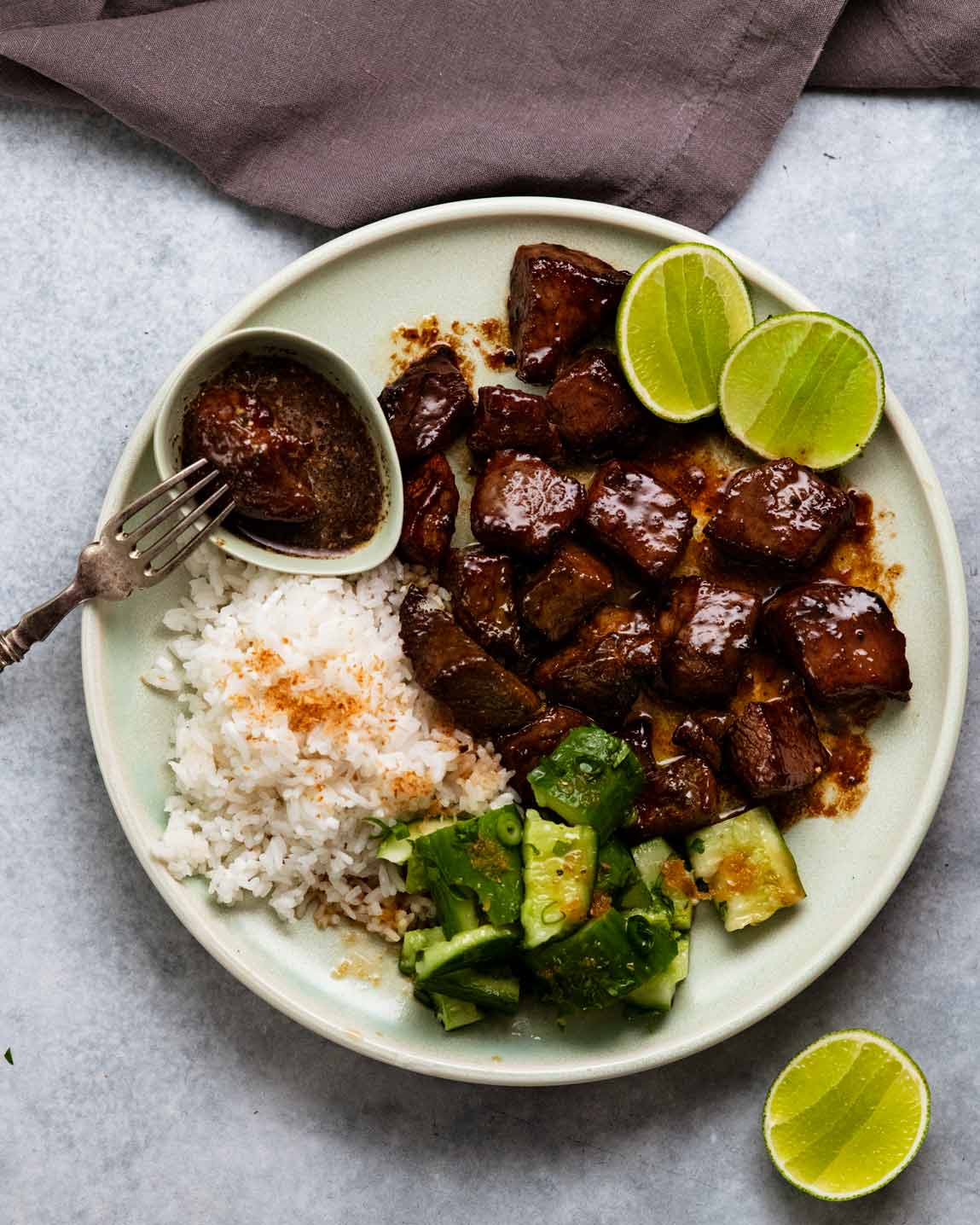
The steakhouse and bistro sectors are incredibly crowded. To compete, a brand must offer something that feels familiar yet distinct. Shaky Beef occupies this “sweet spot.” It offers the premium appeal of high-quality beef (often ribeye or filet mignon) but distinguishes itself from a standard steak-frites or stir-fry through its unique seasoning (soy, oyster sauce, and garlic) and its iconic presentation over watercress and tomatoes.
By positioning Shaky Beef as a signature item, restaurants can differentiate their brand from competitors who may offer generic beef dishes. It allows a brand to claim “ownership” over a specific style of preparation, creating a moat around their market share.
Price Elasticity and Perceived Value
From a financial branding perspective, Shaky Beef is a high-yield item. Because it is perceived as a “specialty” dish rather than a commodity stir-fry, brands can command a premium price point. The “shaky” branding justifies the cost of high-quality cuts of meat, as the name implies a level of culinary expertise and labor-intensive preparation. This is a classic example of using brand perception to increase price elasticity, allowing a business to maintain healthy margins even as ingredient costs fluctuate.
The Sensory Brand: Marketing Beyond the Logo
One of the most overlooked aspects of brand strategy is sensory branding—the use of sight, sound, and smell to create a lasting brand association. Shaky Beef is a sensory powerhouse. The “branding” of the dish occurs the moment the chef engages with the wok.
Visual Theatre and the Shaking Pan
In open-kitchen concepts, the preparation of Shaky Beef serves as a form of “live” branding. The rhythmic clanging of the wok against the burner and the visible flames licking the edges of the pan create a theatrical atmosphere. This visual cue signals to every customer in the room that something special is being made. It is the culinary equivalent of an unboxing video; it builds anticipation and reinforces the brand’s commitment to craft and authenticity.
Consistency as a Brand Promise
A brand is essentially a promise of a consistent experience. For a franchise or a multi-unit restaurant group, the “Shaky Beef” brand relies on the consistency of the sear and the balance of the sauce. When a customer orders Shaky Beef, they are looking for a specific texture—a caramelized, charred exterior and a juicy, medium-rare interior. Brands that master this consistency turn a one-time diner into a loyal advocate. The dish becomes the “reliable friend” of the menu, a safe yet exciting choice that reinforces the customer’s trust in the brand.
Cultural Diplomacy and Brand Evolution
The story of Shaky Beef is also a story of how brands navigate cultural identity. In the modern era, consumers value authenticity, but they also value accessibility. Successful brand strategy in the food and beverage industry requires a delicate balance between these two pillars.
Balancing Authenticity with Accessibility
Shaky Beef is an example of “Cultural Diplomacy” through branding. It introduces diners to Vietnamese flavor profiles—the umami of fish sauce, the brightness of lime juice, and the bitterness of watercress—within the familiar framework of a steak dish. By using an English branded name, the dish becomes an entry point for the broader brand story of the restaurant. It invites the customer in, allowing the brand to then introduce more complex or traditional items once trust has been established.
Case Study: The Modern Bistro Model
Several high-profile restaurant groups have used Shaky Beef as the foundation of their corporate identity. By elevating the dish with premium ingredients and pairing it with a sophisticated wine list, these brands have repositioned Vietnamese cuisine from “cheap eats” to “luxury dining.” This shift in brand perception has massive implications for the industry, proving that with the right branding, traditional recipes can compete in the highest tiers of the luxury market.
Scaling the “Shaky” Identity: Lessons for Emerging Brands
For entrepreneurs and brand strategists, the success of Shaky Beef offers several vital lessons in scalability and market entry. It demonstrates that you don’t always need to invent something entirely new; sometimes, you just need to brand something existing more effectively.
Intellectual Property and Category Leadership
While you cannot trademark a recipe, you can certainly “own” a category in the mind of the consumer. The goal for any brand serving Shaky Beef is to become the “top-of-mind” choice for that dish. This is achieved through aggressive consistency, unique presentation (such as serving it with a specific type of tomato rice), and integrated marketing campaigns that highlight the dish as the star of the show.

Building a Community Around a Signature Product
In the age of social media, Shaky Beef is highly “Instagrammable.” The vibrant colors of the watercress, the glistening cubes of beef, and the steam rising from the plate make for perfect content. Brands that understand this use Shaky Beef as a digital marketing tool, encouraging guests to share their “shaky” experience online. This creates a feedback loop where the dish drives digital engagement, which in turn drives physical foot traffic.
Ultimately, the answer to “What is Shaky Beef?” is that it is a masterclass in strategic brand positioning. It is a dish that has successfully navigated the transition from a traditional home-cooked meal to a global brand icon. Through clever nomenclature, sensory engagement, and a deep understanding of market psychology, Shaky Beef has secured its place not just on the menu, but in the annals of successful brand strategy. It serves as a reminder that in business, as in cooking, the right name and the right presentation can transform the ordinary into the extraordinary.
aViewFromTheCave is a participant in the Amazon Services LLC Associates Program, an affiliate advertising program designed to provide a means for sites to earn advertising fees by advertising and linking to Amazon.com. Amazon, the Amazon logo, AmazonSupply, and the AmazonSupply logo are trademarks of Amazon.com, Inc. or its affiliates. As an Amazon Associate we earn affiliate commissions from qualifying purchases.