
In the rapidly evolving landscape of technology development, the gap between a conceptual idea and a functional product can be vast. For software engineers, user experience (UX) designers, and AI researchers, the challenge is often how to test a sophisticated interface before the complex backend logic or expensive algorithms are actually built. This is where the “Wizard of Oz” (WoZ) methodology comes into play.
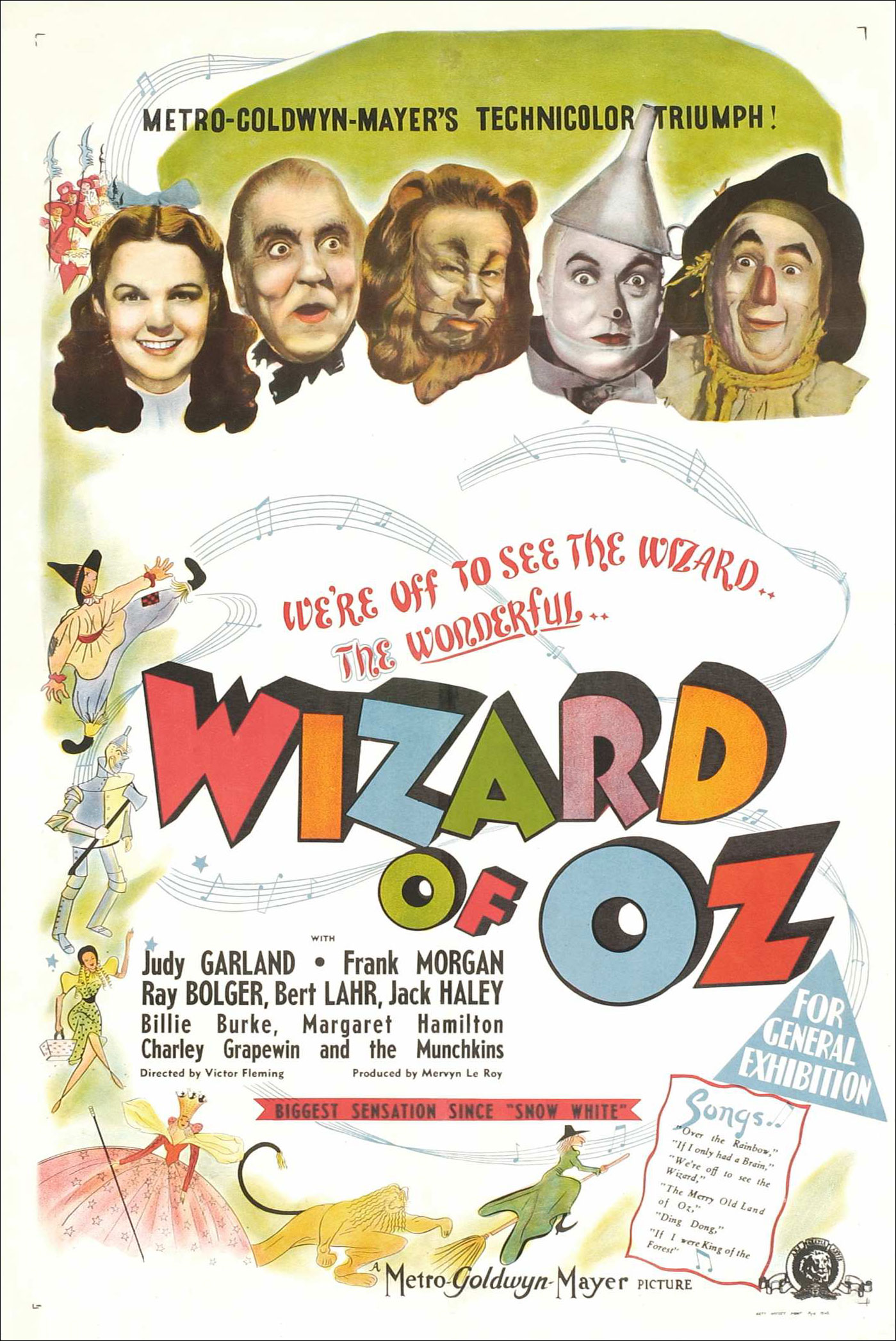
Named after the classic story where a seemingly powerful wizard is revealed to be a man behind a curtain pulling levers, the Wizard of Oz technique is a research and prototyping method used in human-computer interaction (HCI). In this setup, a human “wizard” simulates the behavior of a system—such as an artificial intelligence, a voice assistant, or an autonomous software agent—while the user believes they are interacting with a fully automated machine.
This approach allows tech teams to gather high-fidelity data on user behavior, language patterns, and emotional responses long before a single line of production-grade code is written for the backend. By understanding the nuances of the Wizard of Oz method, technology leaders can significantly reduce development costs and increase the success rate of complex software deployments.
The Mechanics of the Wizard of Oz Methodology
At its core, the Wizard of Oz technique is about deception for the sake of data. When a technology is in its infancy—particularly technologies involving Natural Language Processing (NLP) or complex decision-making—it is often too buggy or limited to provide a realistic testing environment. If a user knows they are testing a broken prototype, their behavior changes; they become more forgiving, more patient, or more clinical.
To get “clean” data, the researcher creates a front-end interface that looks finished. Behind the scenes, a human operator (the wizard) receives the user’s input and manually generates the output.
The Role of the Wizard
The person acting as the wizard must be highly trained to respond in a way that mimics a computer. If they are simulating a chatbot, their responses must be consistent, slightly mechanical, and follow a specific logic tree. If the wizard is too “human,” it spoils the simulation. The goal is to observe how the user navigates the system’s intended logic, not how they interact with a hidden human.
The Feedback Loop
In a typical WoZ setup, the user interacts with a device—perhaps a smart speaker or a mobile app. Their voice or text input is transmitted to a separate room where the wizard sees it on a dashboard. The wizard then selects a response or types out a reply, which is converted back into the system’s output (like a synthesized voice or a text bubble). The speed of this loop is critical; any significant lag can break the illusion and invalidate the user experience data.
Why Wizard of Oz Testing is Critical for AI and Machine Learning
The explosion of generative AI and machine learning has made Wizard of Oz testing more relevant than ever. Developing a robust AI model requires massive datasets and thousands of hours of compute time. Building these models based on assumptions of how users might interact with them is a high-risk financial gamble.
Simulating Intelligence Before the Algorithm Exists
The primary benefit of the WoZ method in AI development is the ability to test “intelligence” before it exists. For example, if a tech company wants to build a medical triage AI, they don’t need to build the diagnostic engine first. Instead, they can have a doctor act as the “wizard” behind a chat interface. By analyzing how users describe their symptoms to what they believe is an AI, developers can identify the specific vocabulary, edge cases, and emotional needs the final algorithm must address.
Training Data Generation
Machine learning models are only as good as the data they are trained on. Wizard of Oz sessions are goldmines for high-quality training data. Because the interactions are naturalistic, the transcripts generated from these sessions represent real-world use cases. Developers can use the wizard’s “correct” responses as the labeled data needed to train neural networks, ensuring that the eventual automated system mirrors the most effective human-simulated logic.
Validating User Experience (UX) Early
In the tech industry, “fail fast” is a common mantra. WoZ testing allows teams to fail—or succeed—within days rather than months. If a team discovers during a WoZ test that users find a specific voice interface intrusive or confusing, they can pivot the entire design before investing in the engineering required to build the actual voice synthesis and processing engine.
Implementing a Wizard of Oz Test: A Practical Framework
Executing a successful Wizard of Oz experiment requires more than just a hidden operator; it requires a structured environment and a clear set of objectives. For tech teams looking to integrate this into their Agile or DevOps workflows, a systematic approach is necessary.
1. Defining the Constraints
A machine has limits, and therefore, the wizard must have limits. Before the test begins, the team must define exactly what the “system” can and cannot do. If the wizard provides information that the final software wouldn’t realistically have access to, the test results will be skewed. Designers should create a “capability map” that the wizard must strictly adhere to.
2. Setting Up the Interface
The user interface (UI) must look and feel professional. Whether it’s a hardware gadget or a software application, the “skin” of the product must be convincing. Even if there is no backend, the frontend must be responsive. This might involve using tools like Figma for interactive mockups or building a “hollow” app shell that connects to the wizard’s control panel via a simple API or even a WebSocket connection.
3. Monitoring and Recording
The value of a WoZ test is in the analysis. Tech teams should record screen interactions, audio, and even biometric data (like eye-tracking or heart rate) if the tech is high-stakes. These recordings are later analyzed to find “friction points”—moments where the user hesitated, became frustrated, or attempted to use the system in a way the designers hadn’t anticipated.
4. The Debrief and “The Reveal”
Ethical considerations in tech research usually require a debriefing session. Once the test is complete, the researchers reveal to the participant that a human was assisting the system. This is also a crucial moment to ask the participant if they suspected anything. If many users suspected a human was involved, the “latency” (delay) or the “intelligence” of the responses may need to be adjusted for the next round of testing.
Case Studies: From Voice Assistants to Autonomous Vehicles
The Wizard of Oz method has a storied history in the development of some of the most ubiquitous technologies we use today.
The Development of Natural Language Processing (NLP)
Early iterations of voice assistants like Siri and Alexa relied heavily on WoZ testing. Researchers needed to know if users would speak to a cylinder on a kitchen counter in the same way they spoke to a person. They discovered that users often use “shorthand” with machines. By using wizards to respond to these shorthand commands, developers were able to refine the NLP models to recognize intent rather than just literal dictionary definitions.
Testing Autonomous Vehicle Logic
Self-driving car companies have used variations of the WoZ technique to test how pedestrians interact with driverless vehicles. In some famous experiments, a driver was disguised as a car seat to make the vehicle appear truly autonomous. Researchers then observed how pedestrians decided when to cross the street when there was no visible driver to make eye contact with. This data was instrumental in designing the external signaling systems (like light bars) that autonomous vehicles now use to communicate intent to humans.
Enterprise Software and Workflow Automation
In the B2B tech space, companies often use WoZ to test new automation features in CRM or ERP systems. Before building a complex “auto-fill” feature that uses predictive analytics to populate sales leads, a human analyst might manually populate those leads for a select group of beta users. If the users find the feature increases their productivity, the company then proceeds with the multi-million dollar engineering project to automate it.

The Future of Rapid Prototyping and the WoZ Legacy
As we move toward a future defined by ambient computing and hyper-personalized software, the Wizard of Oz methodology will remain a cornerstone of tech innovation. The rise of low-code and no-code tools has made it even easier for non-engineers to set up WoZ environments, democratizing the ability to test complex digital ideas.
Furthermore, as digital security and privacy become paramount, WoZ testing provides a safe environment to test how users handle security prompts and data permissions. By simulating a security breach or a privacy alert, companies can observe user reactions and design interfaces that better protect digital identities without relying on actual, risky live-system tests.
Ultimately, the Wizard of Oz method reminds the tech world that while software is built with code, it is built for people. By keeping a human “in the loop” during the prototyping phase, we ensure that the final automated products we build are intuitive, effective, and deeply aligned with human needs. Whether it is a new app, a sophisticated AI, or a revolutionary hardware gadget, the man behind the curtain remains one of our most powerful tools for building the future.
aViewFromTheCave is a participant in the Amazon Services LLC Associates Program, an affiliate advertising program designed to provide a means for sites to earn advertising fees by advertising and linking to Amazon.com. Amazon, the Amazon logo, AmazonSupply, and the AmazonSupply logo are trademarks of Amazon.com, Inc. or its affiliates. As an Amazon Associate we earn affiliate commissions from qualifying purchases.