
The federal poverty line is one of the most critical economic benchmarks used in the United States. It serves as a yardstick for measuring the economic health of the nation, determining eligibility for dozens of government programs, and providing a baseline for financial planning. For a family of four, understanding exactly where this line is drawn—and what it represents—is essential for navigating the complexities of personal finance, taxation, and social safety nets.
In 2024, the federal poverty level (FPL) for a family of four in the 48 contiguous states and the District of Columbia is $31,200. While this number seems straightforward, the financial reality behind it is deeply nuanced. This figure represents the minimum annual income considered adequate to meet a family’s basic needs, but as inflation and cost-of-living disparities continue to rise, the gap between the official poverty line and true financial stability is widening.
Defining the Poverty Line: Federal Poverty Level (FPL) vs. Poverty Guidelines
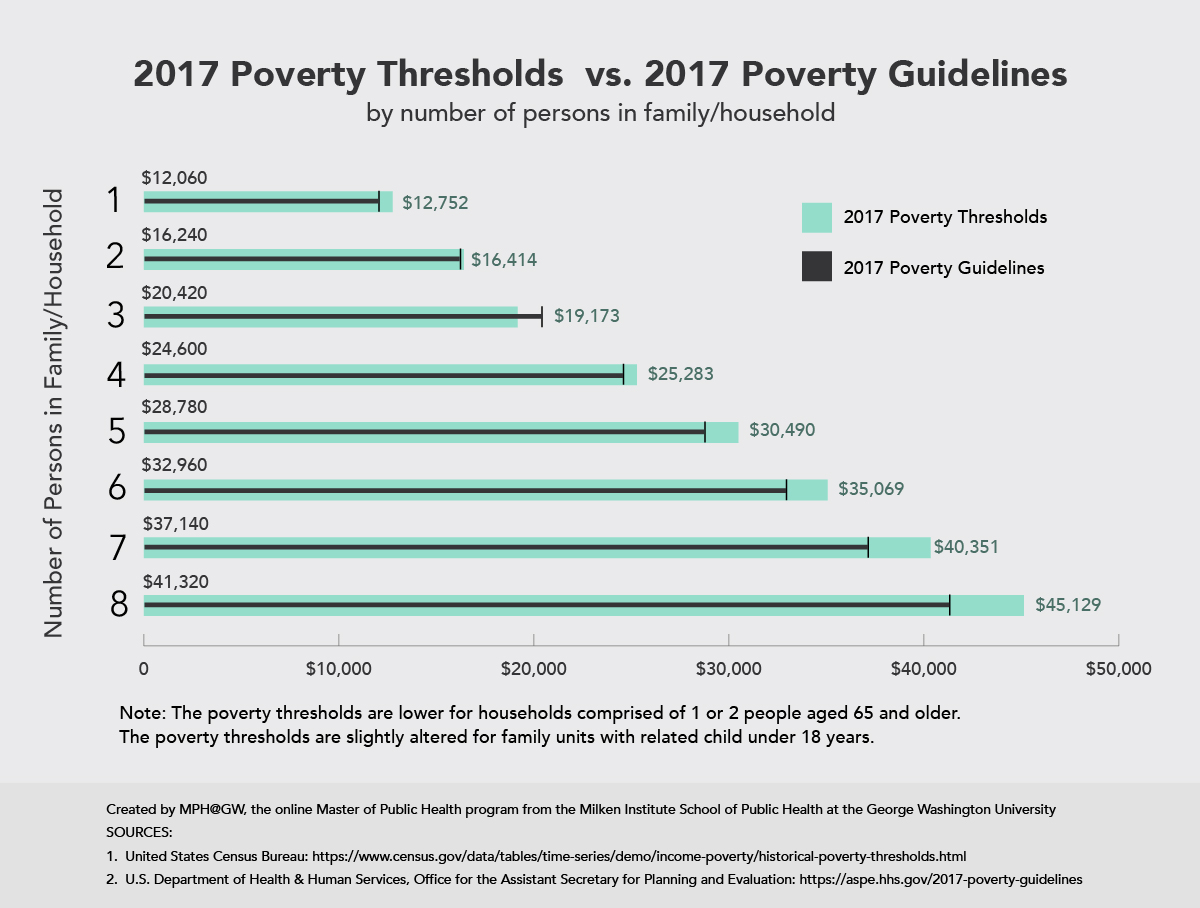
To understand the poverty line, one must first distinguish between the two primary versions used by the U.S. government: Poverty Thresholds and Poverty Guidelines. Although they are related, they serve distinct purposes in the realm of business and public policy.
The Origin of the Threshold
The Poverty Thresholds are the original version of the federal poverty measure. They are updated annually by the Census Bureau and are primarily used for statistical purposes—such as calculating the number of Americans living in poverty each year. These thresholds were developed in the early 1960s by Mollie Orshansky of the Social Security Administration. Her formula was based on the “economy food plan,” which calculated the cost of a minimum nutritionally adequate diet and multiplied it by three, under the assumption that families spent about one-third of their after-tax income on food.
While the thresholds are updated for inflation using the Consumer Price Index (CPI), the core logic remains largely unchanged. This has led to significant debate among economists regarding whether a formula based on 1960s spending habits remains relevant in an era where housing, healthcare, and childcare costs have outpaced food inflation by significant margins.
How the Department of Health and Human Services (HHS) Calculates Guidelines
The Poverty Guidelines, often referred to as the Federal Poverty Level (FPL), are a simplified version of the thresholds. These are issued every January by the Department of Health and Human Services (HHS). Unlike the thresholds, which are used for data, the guidelines are used for administrative purposes—specifically, determining eligibility for federal programs.
When a family of four asks “what is the poverty line,” they are almost always looking for the HHS Poverty Guidelines. These figures are uniform across the lower 48 states, though they are adjusted for Alaska and Hawaii to account for the significantly higher cost of living in those regions.
Current Poverty Thresholds for a Family of 4 in 2024
The financial threshold for poverty is not a stagnant number; it shifts annually to account for the rising cost of goods and services. For a family of four, which typically consists of two adults and two children, the 2024 guidelines provide a stark look at the income levels required to stay above the official poverty mark.
The Core 48 States and D.C.
For the vast majority of Americans living in the contiguous United States, the 2024 poverty guideline for a family of four is $31,200. This equates to a monthly income of $2,600 or a weekly income of $600. For a household where both parents work full-time (40 hours per week each), this means they must earn a combined hourly wage of approximately $15.00 to stay above the line.
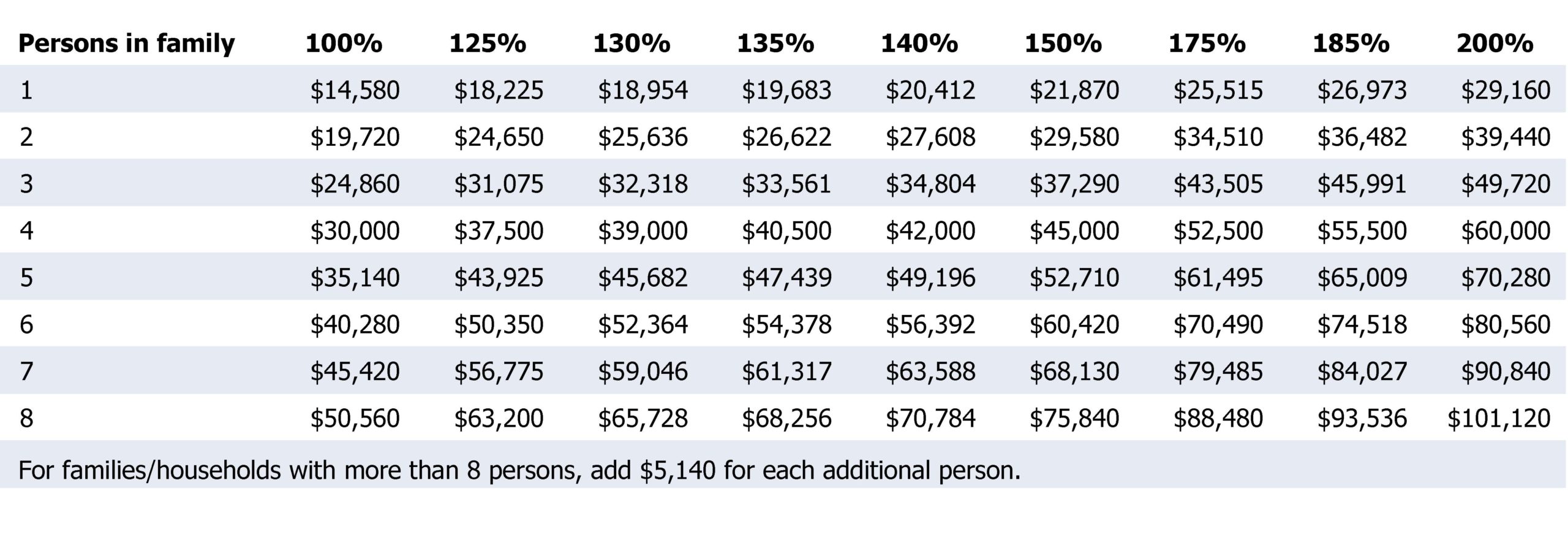
However, many federal assistance programs do not use 100% of the FPL as their cutoff. Instead, they use multiples of the guideline. For example:
- 130% of FPL: $40,560 (Commonly used for SNAP eligibility)
- 150% of FPL: $46,800 (Used for various housing and utility assistance programs)
- 200% of FPL: $62,400 (Often used as the threshold for “low-income” status)
- 400% of FPL: $124,800 (The upper limit for some Affordable Care Act subsidies)
Regional Differences: Alaska and Hawaii
The federal government recognizes that the cost of basic necessities—particularly groceries and fuel—is substantially higher in non-contiguous states. Therefore, the poverty line is adjusted upward for Alaska and Hawaii.
- Alaska: For a family of four in Alaska, the 2024 poverty guideline is $39,000.
- Hawaii: For a family of four in Hawaii, the 2024 poverty guideline is $35,880.
These adjustments are crucial for families in these regions, as they ensure that the higher local costs do not unfairly disqualify them from essential financial support systems.
Why the Poverty Line Matters for Your Personal Finance
The poverty line is far more than a statistical data point; it is a gateway to financial resources and a benchmark for tax liabilities. For many families, crossing above or falling below certain percentages of the FPL can result in a “cliff effect,” where a small increase in income leads to a massive loss in net financial resources.
Eligibility for Government Assistance Programs
The FPL is the primary mechanism for determining who qualifies for the social safety net. For a family of four, staying informed about these thresholds is vital for managing the household budget. Major programs tied to these guidelines include:
- SNAP (Supplemental Nutrition Assistance Program): Generally requires a gross income at or below 130% of the FPL.
- Medicaid and CHIP (Children’s Health Insurance Program): Eligibility varies by state but is strictly tied to FPL percentages, often ranging from 138% to 300% depending on the state’s expansion status.
- The Affordable Care Act (ACA): Premium tax credits are available to families earning between 100% and 400% of the FPL, making health insurance significantly more affordable for those in this bracket.
Impact on Education and Student Aid
For families with older children, the poverty line plays a role in higher education financing. The Free Application for Federal Student Aid (FAFSA) uses income relative to the poverty line to calculate the Student Aid Index (SAI). Families near or below the poverty line are often eligible for the maximum Pell Grant and other needs-based scholarships, which can drastically reduce the long-term debt burden of a college education.
Tax Credits and Savings Incentives
The Internal Revenue Service (IRS) utilizes poverty-related data to structure credits like the Earned Income Tax Credit (EITC). For a family of four, the EITC can provide a significant “refund” even if the family owes no income tax, serving as a vital annual infusion of capital. Additionally, many states offer low-income energy assistance (LIHEAP) and weatherization programs that use the FPL to determine who receives help with rising utility costs.
The Real-World Gap: Why the Poverty Line Doesn’t Always Reflect Financial Reality
Critics of the current federal poverty measure argue that $31,200 for a family of four is an outdated and unrealistic figure. In many parts of the country, this amount would barely cover rent, let alone food, transportation, and healthcare. Understanding the limitations of the FPL is essential for a realistic view of personal finance in the modern economy.
Geographical Variations in the Cost of Living
One of the most significant flaws in the FPL is that it treats a family of four in rural Mississippi the same as a family of four in San Francisco or New York City. According to data from the Economic Policy Institute (EPI), the “Family Budget Calculator” suggests that in many high-cost metropolitan areas, a family of four needs an income of $100,000 or more to maintain a modest yet adequate standard of living. This creates a “hidden poverty” where families earn too much to qualify for assistance but too little to achieve financial security.
The Consumer Price Index and Inflation Factors
While the FPL is adjusted for inflation, it uses the CPI-U (Consumer Price Index for All Urban Consumers), which may not accurately reflect the specific inflation felt by low-income families. Low-income households spend a disproportionate amount of their income on “inelastic” goods like rent and gas. When these specific sectors experience high inflation, the official poverty line adjustment may lag behind the actual increase in a family’s cost of living.
The “ALICE” Population
United Way introduced the acronym ALICE (Asset Limited, Income Constrained, Employed) to describe households that earn above the Federal Poverty Level but cannot afford the basic “Survival Budget” for their county. For a family of four, being “above the poverty line” does not necessarily mean they are financially stable. ALICE families often live paycheck to paycheck, lacking the emergency funds necessary to survive a job loss or medical emergency.
Financial Strategies for Families Navigating Low-Income Thresholds
Whether a family finds themselves exactly at the poverty line or is struggling as an ALICE household, proactive financial management is the only way to bridge the gap between surviving and thriving.
Maximizing Benefits and Tax Breaks
Families should view government programs not just as a safety net, but as a strategic component of their financial plan. Utilizing the EITC, Child Tax Credits, and SNAP can free up cash flow to be redirected toward debt repayment or modest savings. It is also worth investigating “Lifeline” programs for discounted phone and internet service, which are essential tools for job seeking and education in the digital age.
Building an Emergency Fund on a Limited Income
While saving seems impossible on a $31,200 budget, micro-saving strategies can make a difference. Financial experts suggest starting with a goal of just $500. This small cushion can prevent a family from turning to high-interest payday loans when a car repair or medical co-pay arises. Utilizing “round-up” apps or automated transfers of as little as $5 per week can build this habit without significantly impacting the daily budget.
Leveraging Community Resources and Financial Literacy Tools
Many non-profits offer “Financial Empowerment Centers” where families can receive free credit counseling and budgeting assistance. Furthermore, many credit unions offer “starter” accounts with no fees and low minimum balances specifically designed for low-to-moderate-income families. By improving credit scores and reducing banking fees, families can keep more of their hard-earned money and eventually move toward asset accumulation—the ultimate key to moving permanently above the poverty line’s influence.
In conclusion, while the 2024 poverty line for a family of four is set at $31,200, this figure is merely a starting point for understanding one’s financial position. By recognizing how this number impacts eligibility, taxes, and regional reality, families can better navigate the economic landscape and work toward long-term financial independence.
aViewFromTheCave is a participant in the Amazon Services LLC Associates Program, an affiliate advertising program designed to provide a means for sites to earn advertising fees by advertising and linking to Amazon.com. Amazon, the Amazon logo, AmazonSupply, and the AmazonSupply logo are trademarks of Amazon.com, Inc. or its affiliates. As an Amazon Associate we earn affiliate commissions from qualifying purchases.