
The intersection of orthopedics and advanced technology has fundamentally altered the way we understand and treat spinal conditions. Among these conditions, levoscoliosis of the lumbar spine—a lateral curvature of the lower spine toward the left side of the body—has become a focal point for innovations in computer vision, wearable devices, and predictive modeling. Understanding this condition today requires more than just medical knowledge; it necessitates an exploration of the sophisticated software and hardware ecosystems that assist clinicians in diagnosis, monitoring, and surgical intervention.
The Digital Transformation of Diagnostic Imaging
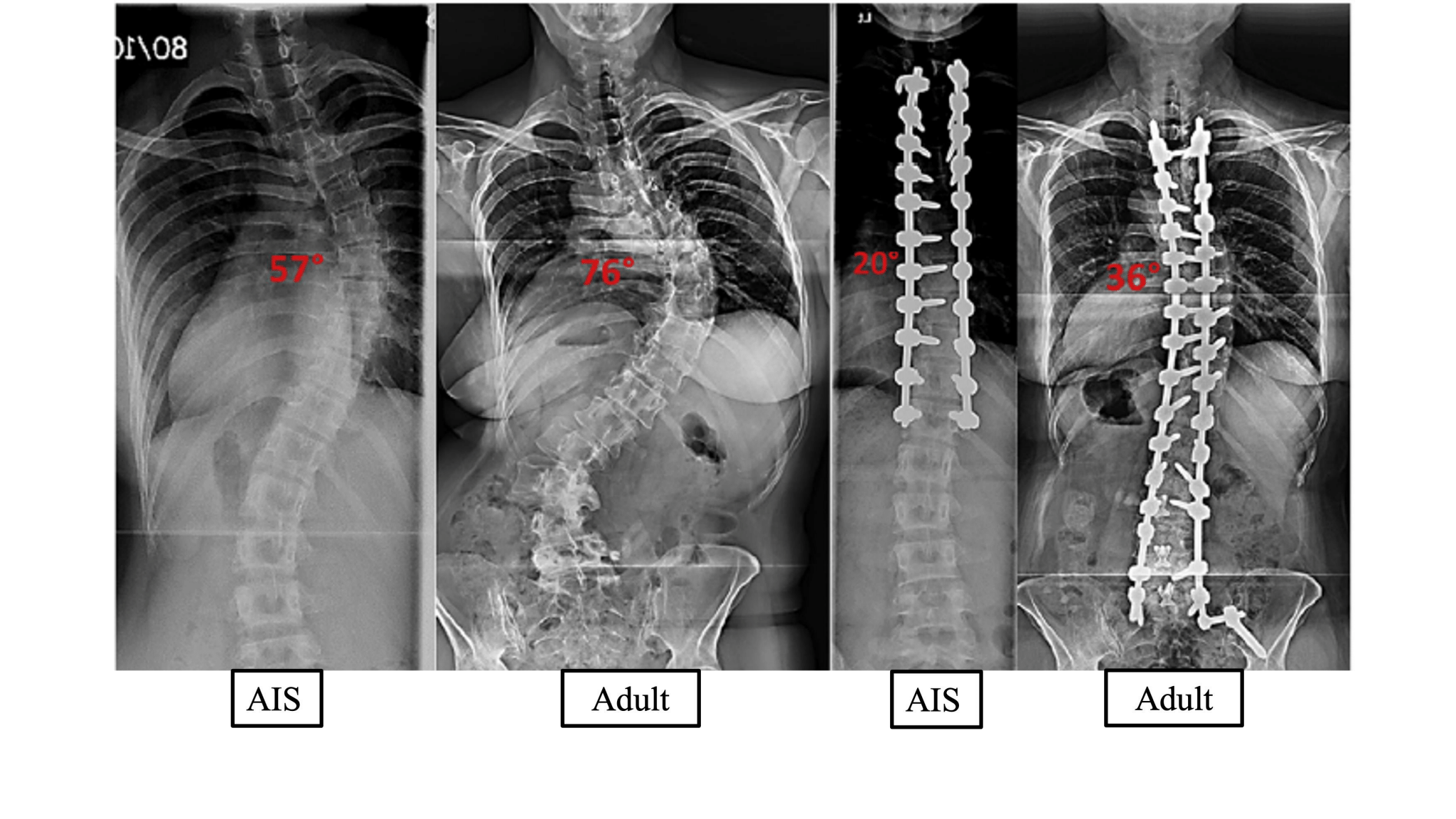
The journey of identifying levoscoliosis begins with high-resolution digital imaging. While traditional film X-rays were once the standard, the modern diagnostic suite relies on a complex stack of software and hardware designed to capture and interpret the spinal column’s geometry with millimeter precision.
High-Definition DICOM Imaging and 3D Reconstruction
Digital Imaging and Communications in Medicine (DICOM) remains the bedrock of spinal diagnostics. Modern workstations use specialized rendering engines to transform 2D slices from CT scans and MRIs into comprehensive 3D models. For a patient with lumbar levoscoliosis, these 3D reconstructions allow specialists to visualize the rotation of the L1 through L5 vertebrae in a virtual environment. This tech-heavy approach enables “virtual fly-throughs” where surgeons can inspect the spinal canal and neural foramina before a single incision is made.
EOS Imaging Technology
One of the most significant technological leaps in spinal imaging is the EOS system. This low-dose X-ray technology captures biplanar images of the patient in a standing, weight-bearing position. The software then automatically calculates the patient’s skeletal parameters. In the context of the lumbar spine, EOS technology is critical because it provides a holistic view of how a leftward curve impacts the patient’s overall sagittal balance and pelvic tilt—data points that are essential for high-fidelity diagnostic reporting.
Artificial Intelligence and the Automation of the Cobb Angle
The “Cobb angle” is the universal metric used to quantify the severity of scoliosis. Historically, calculating this angle was a manual, error-prone process. Today, Artificial Intelligence (AI) and Machine Learning (ML) are automating this task, bringing unprecedented consistency to the diagnostic process for lumbar levoscoliosis.
Convolutional Neural Networks (CNNs) in Radiography
Tech firms specializing in health-AI have developed Convolutional Neural Networks trained on millions of spinal images. These algorithms can identify the “end-vertebrae” (the most tilted vertebrae at the top and bottom of the curve) and calculate the Cobb angle automatically. For a lumbar levoscoliosis diagnosis, these tools are particularly useful in distinguishing subtle rotations that a human eye might miss. By reducing inter-observer variability, AI ensures that the “tech-driven diagnosis” is more reliable than traditional manual plotting.
Predictive Modeling and Progression Algorithms
Software developers are now building predictive models that utilize longitudinal data to forecast how a lumbar curve might progress over time. By inputting a patient’s initial imaging data, age, and skeletal maturity into a machine learning model, clinicians can receive a risk score for curve progression. This “predictive health tech” allows for proactive interventions, shifting the medical paradigm from reactive treatment to data-driven prevention.
Wearable Technology and IoT in Conservative Management
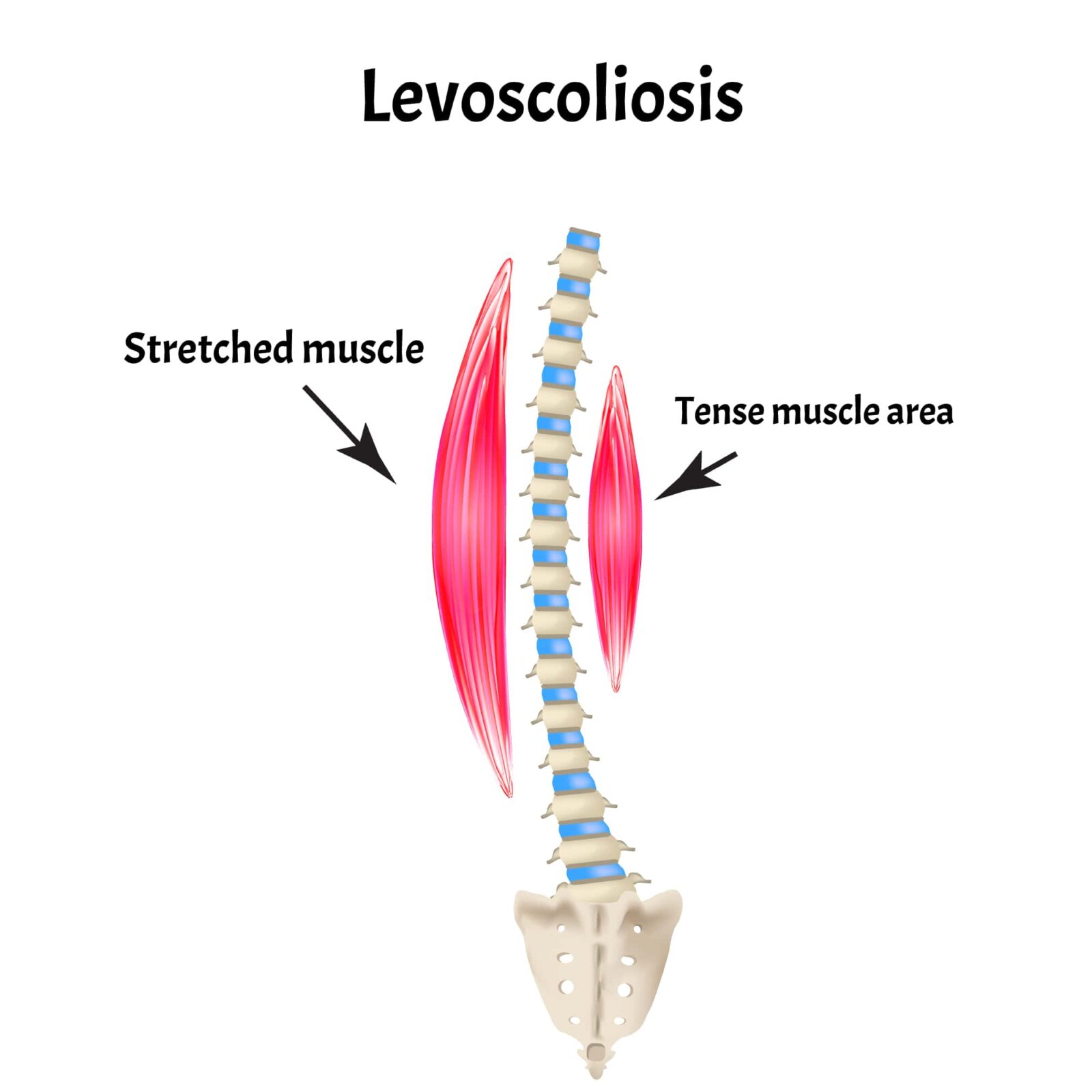
Once levoscoliosis is identified, the focus shifts to management. This is where the Internet of Things (IoT) and wearable technology play a transformative role, particularly for patients who require bracing or physical therapy.
Smart Braces and Pressure Sensors
Traditional spinal braces were often criticized for poor compliance because clinicians had no way to monitor how often or how effectively the brace was being worn. Modern “Smart Braces” are equipped with integrated pressure sensors and thermal monitors that sync data to a mobile app via Bluetooth. For lumbar levoscoliosis, these sensors ensure that the corrective force is being applied precisely to the leftward apex of the curve. The data is then uploaded to a cloud-based dashboard, allowing practitioners to adjust treatment protocols based on real-world usage patterns.
Biofeedback Wearables for Postural Training
Beyond rigid bracing, the tech market has seen an influx of posture-correcting wearables. These small, unobtrusive devices adhere to the skin or clip onto clothing, using accelerometers and gyroscopes to track the orientation of the lumbar spine in real-time. When the user deviates into a posture that exacerbates their levoscoliosis, the device provides haptic feedback (a gentle vibration). This application of “active biofeedback” leverages edge computing to help patients retrain their core musculature, providing a software-driven supplement to traditional physical therapy.
Robotic-Assisted Surgery and 3D-Printed Implants
In severe cases of lumbar levoscoliosis where conservative measures fail, technology takes center stage in the operating room. The shift toward minimally invasive surgery (MIS) is driven by breakthroughs in robotics and additive manufacturing.
Surgical Navigation and Augmented Reality (AR)
Navigational software, similar to GPS for the human body, is now standard in advanced spinal centers. During surgery, high-speed cameras track the position of surgical instruments relative to the patient’s anatomy, which is displayed on a high-definition monitor in real-time. Some of the latest “MedTech” platforms even utilize Augmented Reality (AR) headsets, allowing surgeons to see a “transparent” view of the lumbar spine through the patient’s skin. This reduces the need for large incisions and minimizes the risk of nerve damage during the correction of a leftward curve.
Custom 3D-Printed Titanium Implants
The “one-size-fits-all” approach to spinal hardware is being replaced by personalized medicine facilitated by 3D printing (additive manufacturing). Using the patient’s 3D CT data, engineers can design titanium cages and spacers tailored to the specific geometry of that individual’s lumbar levoscoliosis. These implants feature a porous structure that encourages bone ingrowth, and their custom shape ensures a more natural correction of the spinal curvature. This intersection of CAD (Computer-Aided Design) and biotechnology represents the pinnacle of modern spinal intervention.
Data Security and the Future of Spinal Health Ecosystems
As the diagnosis and treatment of levoscoliosis become increasingly digitized, the management of medical data becomes a critical tech concern. The future of spinal health lies in integrated ecosystems where data flows seamlessly between diagnostic tools, wearable devices, and surgical platforms.
Cybersecurity in Health-Tech
With the rise of cloud-based diagnostic platforms, cybersecurity has become a paramount concern for tech providers in the medical space. Ensuring that spinal imaging data is encrypted and compliant with regulations like HIPAA (Health Insurance Portability and Accountability Act) or GDPR (General Data Regulation Protection) is a massive undertaking. Blockchain technology is currently being explored as a method to create immutable, patient-owned health records, ensuring that a patient’s “spinal digital twin” remains secure yet accessible to authorized specialists across the globe.

The Role of Big Data in Population Health
On a macro level, the aggregation of anonymized spinal data is creating “Big Data” sets that help researchers understand the tech-sociological factors behind lumbar levoscoliosis. By analyzing trends across thousands of patients, developers can refine their AI algorithms and hardware designs. This cycle of continuous improvement—driven by data analytics—ensures that the next generation of spinal technology will be even more precise, less invasive, and more accessible to patients worldwide.
The technological landscape surrounding levoscoliosis of the lumbar spine is a testament to how far we have come from simple X-ray interpretations. From AI-driven diagnostics and IoT-enabled wearables to robotic-assisted surgeries and secure data ecosystems, the integration of advanced technology is not just supporting the medical field—it is redefining it. For the patient, this means more accurate diagnoses, more personalized treatments, and ultimately, a more streamlined path to spinal health in the digital age.
aViewFromTheCave is a participant in the Amazon Services LLC Associates Program, an affiliate advertising program designed to provide a means for sites to earn advertising fees by advertising and linking to Amazon.com. Amazon, the Amazon logo, AmazonSupply, and the AmazonSupply logo are trademarks of Amazon.com, Inc. or its affiliates. As an Amazon Associate we earn affiliate commissions from qualifying purchases.