
Managing Gastroesophageal Reflux Disease (GERD) is often viewed through the lens of long-term lifestyle changes and clinical intervention, but for the millions suffering from chronic acid reflux, the priority is often immediate symptom mitigation. In the world of personal health management and wellness business, the focus has shifted toward high-efficiency strategies that provide rapid relief while aligning with modern health-conscious living.
Targeted Physiological Interventions for Immediate Relief
When acid reflux flares, the primary objective is to neutralize gastric acid and stabilize the lower esophageal sphincter (LES). Understanding the mechanics of how to mitigate these symptoms quickly requires a multi-faceted approach that addresses both the acidity of the stomach contents and the mechanical pressure on the esophagus.
The Role of pH Neutralization
The most immediate way to halt the sensation of “heartburn” is through the use of over-the-counter (OTC) antacids. These agents provide near-instant relief by chemically neutralizing hydrochloric acid in the stomach. Formulations containing calcium carbonate or magnesium hydroxide are effective because they act as a buffer, rapidly increasing the stomach’s pH level. For those seeking faster relief, liquid suspensions are generally superior to tablets as they coat the esophagus upon consumption, providing a soothing physical barrier against residual acidity.
Postural Adjustments and Gravity
Mechanical strategies are often overlooked in favor of pharmacological ones, yet gravity is a powerful tool in managing GERD. If you are experiencing an acute episode, lying flat is the worst possible action. By keeping the torso elevated at a minimum 45-degree angle, you utilize gravity to keep stomach contents from migrating upward into the esophagus. For nighttime management, elevating the head of the bed—not just using extra pillows, which can cause neck strain and actually increase abdominal pressure—is the gold standard for rapid symptom reduction during sleep.
Dietary Strategies for Rapid Stabilization
What you consume has the most direct impact on the LES. While long-term management involves identifying chronic triggers, acute relief requires the removal of “insulting” agents that stimulate excessive acid production or decrease the resting tone of the LES.
Avoiding Immediate Triggers
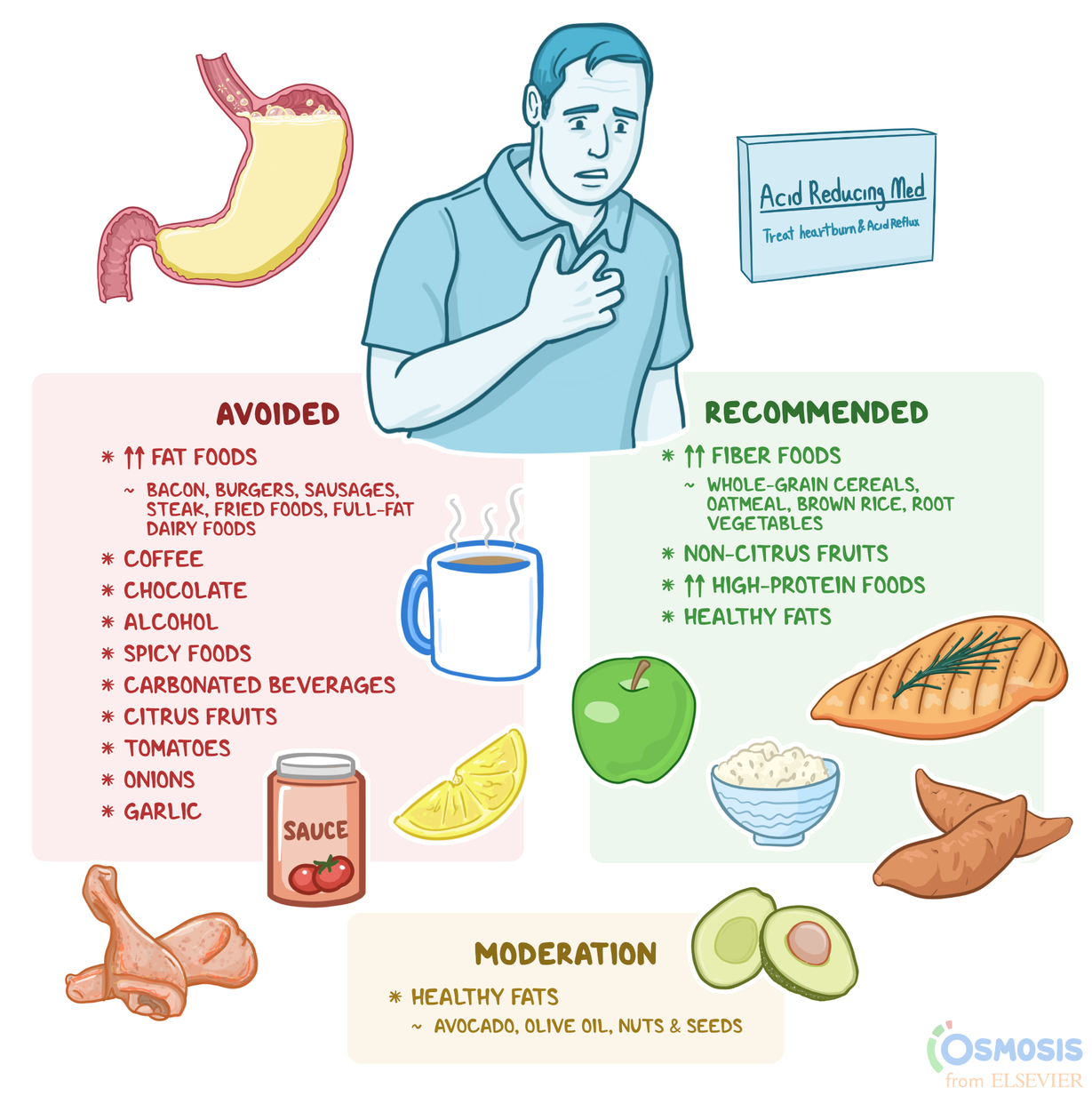
During a flare-up, certain dietary inputs must be strictly avoided to prevent the worsening of symptoms. Highly acidic foods, such as citrus fruits, tomatoes, and vinegar-based dressings, can further irritate an already inflamed esophageal lining. Furthermore, stimulants like caffeine, chocolate, and peppermint are known to relax the LES, which is exactly the opposite of what is required when you are trying to stop a reflux episode. Eliminating these variables during the first hour of symptoms can prevent a minor incident from escalating into a prolonged bout of discomfort.
Strategic Consumption for Neutralization
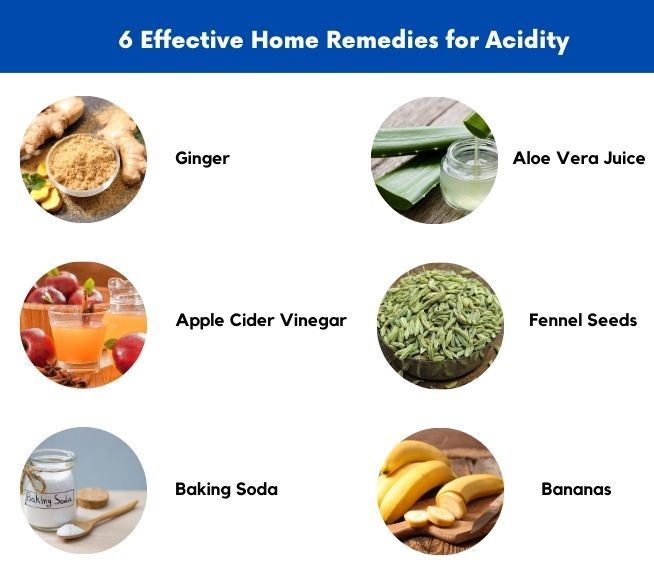
Conversely, specific dietary choices can help pacify the stomach. Foods that are alkaline in nature or contain high water content can help dilute stomach acid. A small portion of non-citrus fruit, such as a banana or melon, can provide a coating effect and help neutralize ambient acid. Additionally, sipping on ginger tea or water with a small amount of diluted baking soda can serve as an effective home-based remedy for rapid neutralization, provided that this is not done in excess, as the goal is to stabilize rather than force chemical reactions that could lead to bloating.
Digital Health Monitoring and Lifestyle Optimization
In the current era of quantified self-management, leveraging technology can help bridge the gap between acute relief and long-term symptom control. Many individuals now use digital tools to identify the specific lifestyle patterns that lead to GERD, allowing for proactive rather than reactive management.
Symptom Tracking and Correlation
One of the most effective ways to stop GERD from impacting your daily life is to identify the precise timing of your flare-ups. Utilizing health-tracking apps to log meals, stress levels, and sleep patterns allows for a data-driven approach to wellness. If a specific app shows a consistent correlation between late-night high-fat meals and morning reflux, you can adjust your habits before the symptoms begin. This shift from “treating the fire” to “preventing the spark” is a core tenet of modern health brand strategy.
The Impact of Stress on Gut Health
There is an undeniable link between the autonomic nervous system and gastrointestinal function. High stress induces a fight-or-flight response, which can slow digestion and increase the likelihood of acid reflux. Implementing rapid stress-reduction techniques, such as diaphragmatic breathing or guided mindfulness sessions, can lower the physiological stress load on the stomach. When you feel a reflux episode beginning, taking five minutes to engage in controlled, deep abdominal breathing can calm the vagus nerve and help the LES function more effectively.
Environmental and Behavioral Habits to Prevent Recurrence
Once the immediate symptoms are managed, the focus must shift to maintaining a stable state. Small, incremental changes to your daily routine can significantly reduce the frequency of GERD episodes.
Portion Control and Meal Timing
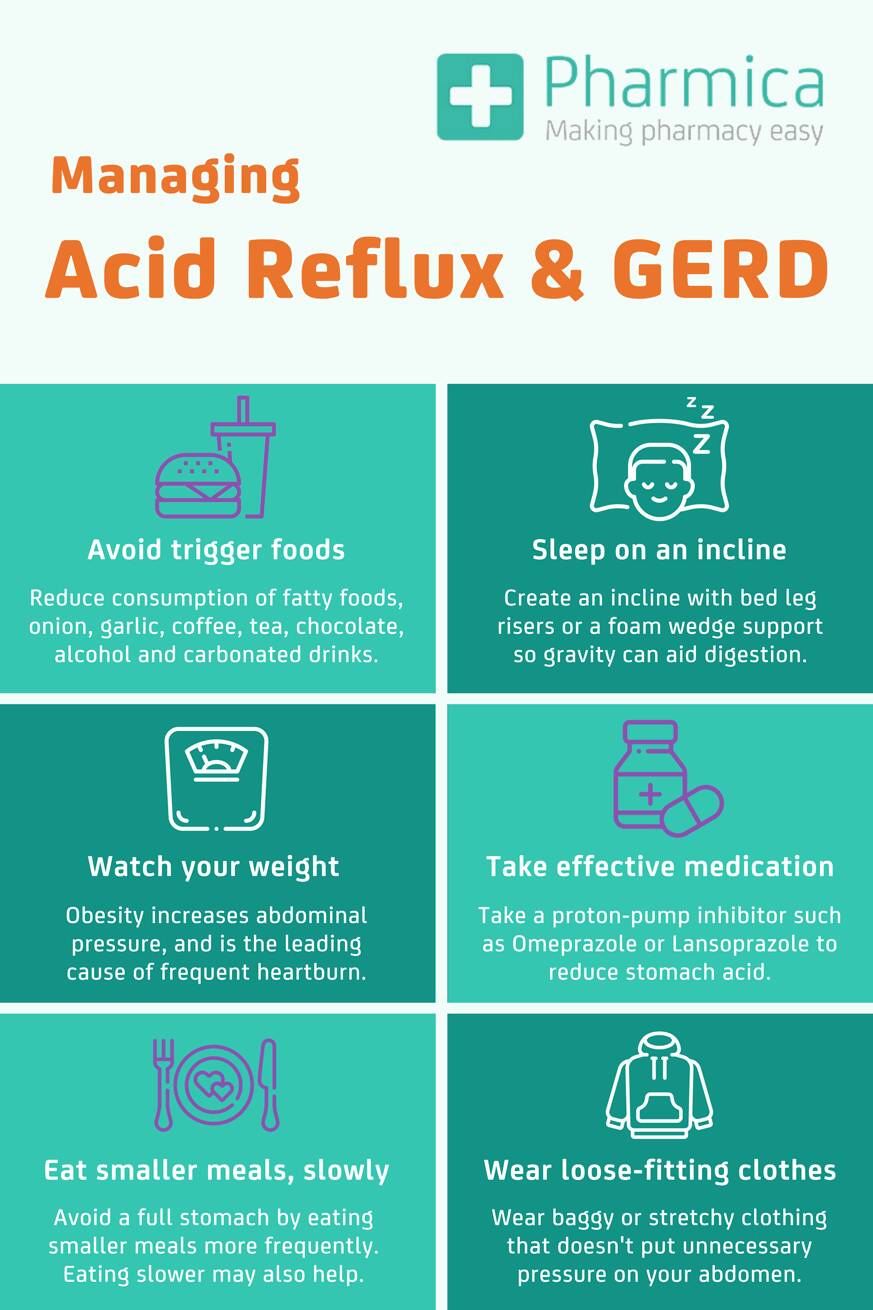
The most frequent cause of acid reflux is the consumption of meals that are too large, which places excessive pressure on the LES. Transitioning to smaller, more frequent meals throughout the day reduces the volume of stomach contents at any single time, thereby minimizing the risk of reflux. Furthermore, the timing of your final meal of the day is crucial. Ensuring a gap of at least three hours between eating and lying down provides the stomach enough time to empty its contents, effectively neutralizing the risk of nocturnal reflux.
The Importance of Consistency in Wellness
Consistency is the brand identity of a healthy lifestyle. Whether it is maintaining a consistent sleep schedule, managing weight to reduce abdominal pressure, or adhering to a diet that emphasizes whole, non-processed foods, the objective is to create a “stable internal environment.” For those dealing with GERD, this stability is not merely a goal but a necessity for productivity and comfort. By treating your body like a high-performance system that requires maintenance, monitoring, and regular optimization, you move away from the cycle of acute crisis and toward a state of sustainable wellness.
Ultimately, “fast” relief is a temporary bridge. The true value lies in integrating these strategies into a comprehensive lifestyle plan. By combining immediate pharmacological intervention, mechanical posture adjustments, and data-driven habit tracking, you gain control over the digestive process. Modern health management is not about eliminating the possibility of discomfort entirely, but about being equipped with the tools and the discipline to manage it immediately when it arises. With the right strategy, GERD does not have to be a recurring barrier to your personal or professional success.
aViewFromTheCave is a participant in the Amazon Services LLC Associates Program, an affiliate advertising program designed to provide a means for sites to earn advertising fees by advertising and linking to Amazon.com. Amazon, the Amazon logo, AmazonSupply, and the AmazonSupply logo are trademarks of Amazon.com, Inc. or its affiliates. As an Amazon Associate we earn affiliate commissions from qualifying purchases.