
In the natural world, brood parasitism is a survival strategy where one organism relies on others to raise its offspring, effectively offloading the metabolic and temporal costs of parenting to an unwitting host. In the context of modern technology, software architecture, and cybersecurity, “brood parasitism” has emerged as a potent metaphor for a specific class of digital threats and systemic inefficiencies. It describes the phenomenon where malicious actors, rogue processes, or even poorly managed dependencies “lay their eggs”—malicious code, resource-heavy scripts, or unauthorized background tasks—within a host system’s infrastructure.
This digital parasitism does more than just occupy space; it actively consumes the host’s “nutrients,” which in a tech context equates to CPU cycles, RAM, bandwidth, and electricity. Understanding digital brood parasitism is essential for system architects, security professionals, and CTOs who must defend their environments against increasingly sophisticated entities that seek to thrive at the expense of established networks.
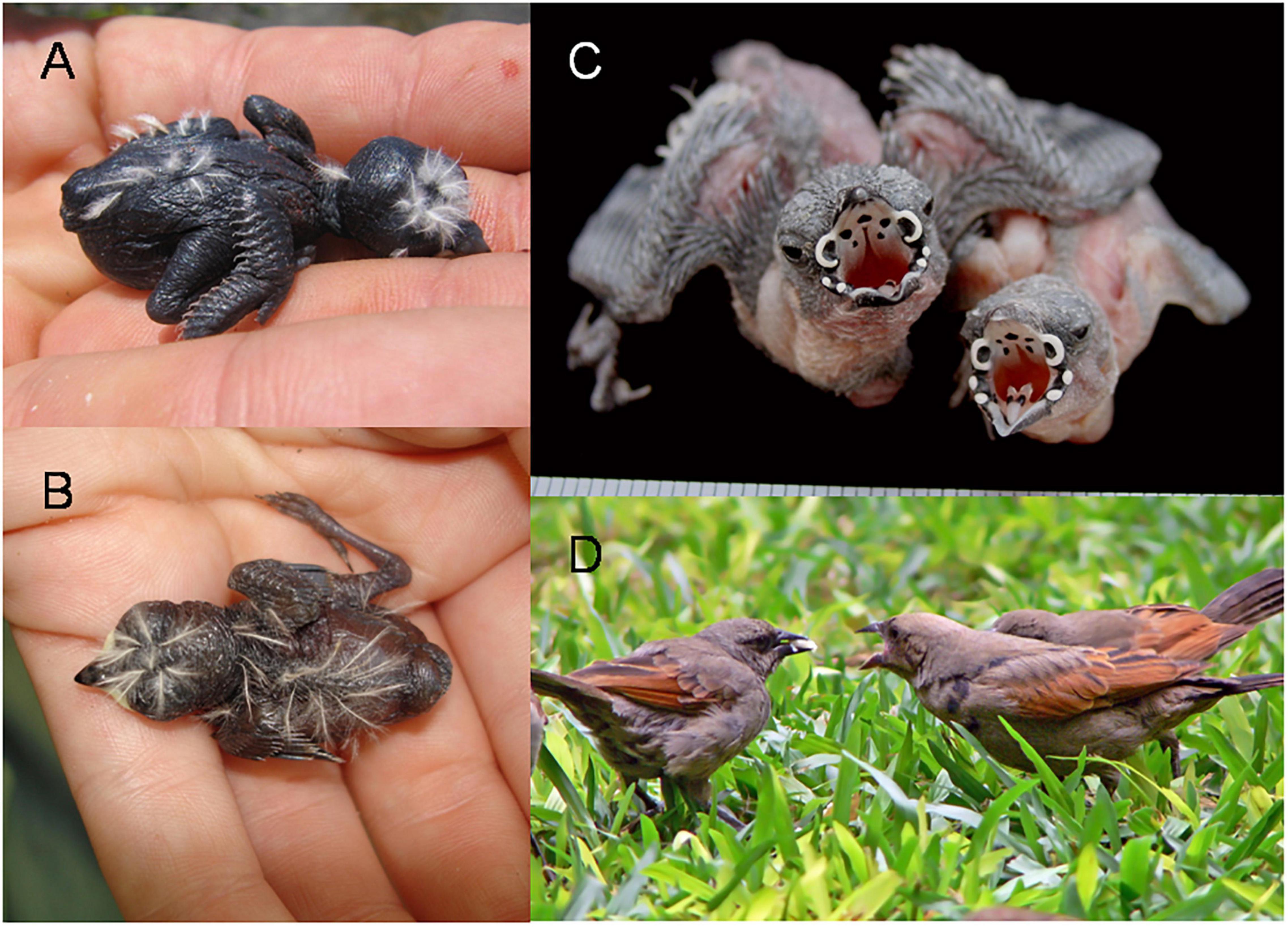
The Anatomy of Digital Brood Parasitism
Digital brood parasitism is rarely about immediate destruction. Unlike a traditional virus that might crash a system or a ransomware attack that locks down data for a ransom, a parasitic entity wants the host to remain functional. If the host dies too quickly, the “offspring”—the malicious processes—cannot complete their lifecycle or provide value to the attacker.
Botnets and Persistent Presence
The most common manifestation of this behavior is found in botnet propagation. When an IoT device or a server is compromised and enrolled into a botnet, the attacker is essentially placing a digital “egg” inside the system. The device continues to function, often well enough that the user notices no immediate change. However, in the background, the device is “feeding” the attacker’s agenda, participating in Distributed Denial of Service (DDoS) attacks or sending spam. The host provides the power and connectivity, while the parasite reaps the rewards.
Crypto-jacking: The Resource Thief
Perhaps the most literal modern translation of brood parasitism is crypto-jacking. In this scenario, a script is injected into a website or a cloud environment. The “offspring” here is the mining operation. It hides within the legitimate processes of the server, utilizing high-performance computing resources to solve cryptographic puzzles for blockchain rewards. The host pays the increased utility bills and suffers from hardware degradation, while the parasite remains hidden in the “nest” of the server’s background tasks.
Adware and Shadow Processes
On the consumer side, brood parasitism often appears as bundled software or browser hijackers. A user downloads a legitimate tool, but hidden within the installer is a parasitic application. This secondary application doesn’t provide value to the user; instead, it monitors behavior, redirects search queries, or serves unwanted advertisements. It survives by tethering its lifecycle to the legitimate application the user actually intended to install.
The Architecture of Intrusion: How Parasites Infiltrate the Nest
For a brood parasite to succeed, it must bypass the host’s initial defenses and, more importantly, blend in so perfectly that it isn’t rejected by the system’s “immune response”—its security software and monitoring tools.
Supply Chain Vulnerabilities
The most sophisticated parasites do not break into the nest; they are born there. Supply chain attacks represent the pinnacle of digital brood parasitism. By compromising a trusted vendor or an open-source library, an attacker can insert malicious code into a legitimate software update. Because the update is signed by a trusted authority, the host system welcomes the “egg” without suspicion. Once the software is deployed, the parasite activates, using the host’s own elevated permissions to move laterally through the network.
Exploiting Administrative Blind Spots
Shadow IT is another common vector. When employees deploy unauthorized SaaS tools or cloud instances to bypass bureaucratic hurdles, they create unmonitored “nests.” These environments often lack the rigorous security configurations of the corporate standard, making them ideal hosts for parasitic scripts. Without centralized visibility, a parasite can thrive for months or even years, siphoning data or compute power without detection.
Living off the Land (LotL)
Advanced persistent threats (APTs) often use “Living off the Land” techniques. Instead of bringing their own obvious malware (which would be like a cuckoo laying a neon-blue egg in a sparrow’s nest), they use the host’s own tools—like PowerShell, Windows Management Instrumentation (WMI), or Python—to carry out their tasks. By using the host’s own “DNA” to execute malicious commands, the parasite becomes nearly indistinguishable from legitimate administrative activity.

The Economic and Operational Impact
While a single parasitic process might seem negligible, the cumulative effect on an enterprise can be devastating. The costs of brood parasitism are often hidden, manifesting as “ghost expenses” that erode the bottom line over time.
Cloud Bill Inflation and Resource Depletion
In the era of auto-scaling cloud infrastructure, digital parasitism has a direct financial cost. If a parasitic process triggers an auto-scaling event, the organization pays for additional virtual machines or containers to handle the “load.” The business is effectively subsidizing the attacker’s infrastructure. In large-scale AWS or Azure environments, an undetected crypto-mining script can result in thousands of dollars in unexpected monthly charges.
Hardware Longevity and Performance Degradation
Constant high-utilization caused by parasitic processes leads to thermal stress on hardware. Servers that should have a five-year lifecycle may begin to fail after two or three years due to the constant strain on CPUs and cooling systems. For the end-user, this manifests as latency, “lag,” and decreased productivity. When systems are sluggish, the hidden cost is the lost time of every employee forced to work on a compromised machine.
Security Debt and the Breeding Ground
Allowing parasitic entities to remain in a system creates “security debt.” Each undetected parasite represents a hole in the defensive perimeter that others can exploit. Furthermore, many parasites are programmed to “defend their nest.” Some advanced malware will actually seek out and remove other malware from a system to ensure they have exclusive access to the host’s resources. While this might sound beneficial, it simply means the host is being managed by an entity with its own opaque and likely harmful agenda.
Defensive Strategies: Building a Digital Immune System
To counter brood parasitism, organizations must move beyond reactive “detect and delete” mentalities toward a more holistic, immune-system-style defense.
Zero Trust and Micro-segmentation
If the parasite’s goal is to move from the initial entry point to more valuable “nests” within the network, Zero Trust Architecture is the primary deterrent. By requiring continuous verification for every transaction and segmenting the network into small, isolated zones, an organization ensures that even if a parasite “hatches” in one area, it cannot easily spread or access sensitive resources. It remains trapped in a sandbox where its impact is localized and easily identified.
Behavioral Analytics and Heuristic Monitoring
Traditional signature-based antivirus is often useless against modern parasites that use legitimate tools. Instead, organizations must employ User and Entity Behavior Analytics (UEBA). By establishing a baseline of “normal” behavior—how much CPU a specific user typically uses, what time of day a server usually communicates with the outside world—security tools can identify anomalies. If a web server suddenly begins communicating with a known Monero mining pool, the “immune system” can flag and quarantine the process immediately.
Software Bill of Materials (SBOM)
To combat supply chain parasitism, the industry is moving toward the mandatory use of Software Bills of Materials (SBOMs). An SBOM is essentially a list of ingredients for a piece of software. By maintaining a transparent record of every library and dependency within an application, organizations can quickly identify if a “parasitic” vulnerability (like Log4j) has been introduced into their environment. Regular auditing of the SBOM ensures that no “cuckoo eggs” have been slipped into the software production line.

The Future of System Integrity
As artificial intelligence becomes more integrated into software development, the nature of digital brood parasitism will evolve. We may see “AI parasites” that can adapt their resource consumption in real-time to stay just below the threshold of detection, or parasitic code that can rewrite itself to mimic the style of a host’s legitimate developers.
However, the counter-technologies are also advancing. Self-healing infrastructures and AI-driven security operations centers (SOCs) are becoming more adept at identifying the subtle biological signatures of parasitism. The goal for the future of tech is not just to build stronger walls, but to build more intelligent nests—environments that can recognize, isolate, and neutralize parasitic entities before they have the chance to drain the system of its value.
In this digital evolution, the organizations that survive will be those that treat their infrastructure not as a static collection of tools, but as a living ecosystem that requires constant vigilance, transparent supply chains, and a robust, automated immune response. Understanding brood parasitism is the first step in ensuring that your digital resources are working for your goals, rather than fueling the hidden agendas of an unseen guest.
aViewFromTheCave is a participant in the Amazon Services LLC Associates Program, an affiliate advertising program designed to provide a means for sites to earn advertising fees by advertising and linking to Amazon.com. Amazon, the Amazon logo, AmazonSupply, and the AmazonSupply logo are trademarks of Amazon.com, Inc. or its affiliates. As an Amazon Associate we earn affiliate commissions from qualifying purchases.