
In an era defined by hyper-efficiency, instant gratification, and the relentless pace of digital transformation, the Slow Food movement stands as one of the most successful examples of counter-cultural brand positioning in modern history. Originally conceived as a protest against the opening of a McDonald’s near the Spanish Steps in Rome in 1986, Slow Food has evolved from a grassroots activist collective into a global brand powerhouse that dictates trends in high-end hospitality, sustainable retail, and corporate identity.
From a brand strategy perspective, the Slow Food movement is more than just a culinary preference; it is a masterclass in radical differentiation. It challenges the “fast” paradigm—speed, uniformity, and low cost—and replaces it with a value proposition built on heritage, quality, and ethics. For brand managers and marketing strategists, understanding the mechanics of the Slow Food movement offers critical insights into how a brand can cultivate deep loyalty by intentionally slowing down the consumer experience.
The Architecture of a Movement: Defining the Slow Food Brand Identity
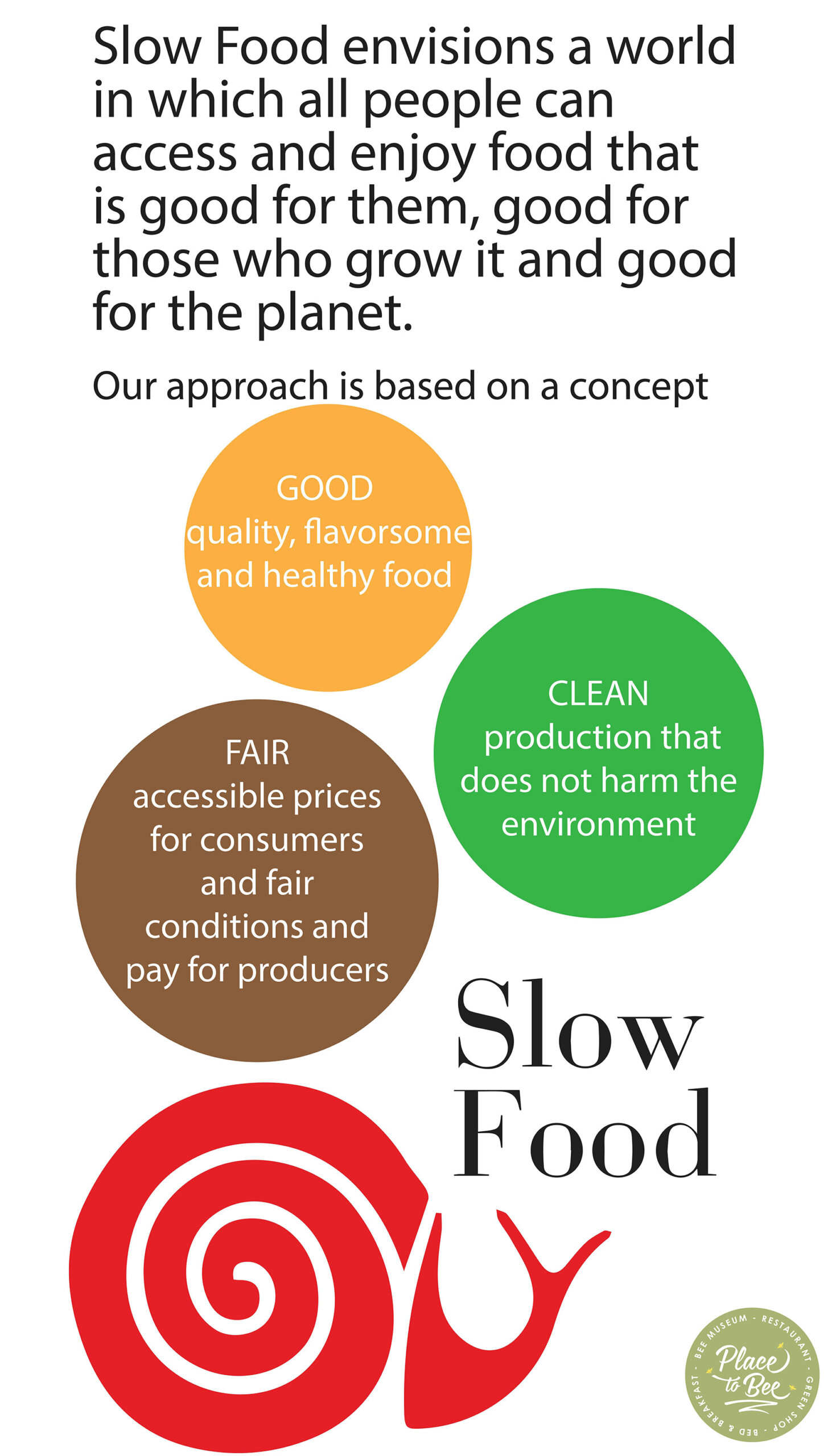
To understand the Slow Food movement as a brand, one must look at its core pillars: Good, Clean, and Fair. These are not merely descriptive adjectives; they function as the brand’s “North Star” values, creating a rigid framework for every product, event, and partnership under the Slow Food umbrella.
Challenging the “Fast” Paradigm through Narrative
The brilliance of the Slow Food brand lies in its ability to frame “fast” as “low value.” In traditional marketing, speed is often sold as a benefit. Slow Food flipped this narrative by associating speed with the erosion of culture and the degradation of quality. By positioning “slow” as a luxury of mindfulness and “fast” as a symptom of industrial neglect, the movement created an aspirational identity.
This is a classic example of “enemy-based positioning.” By identifying a clear antagonist—the fast-food industry—Slow Food gave its audience a cause to rally behind. For a brand, having a clearly defined opposite allows for sharper messaging and a more devoted community. The movement didn’t just sell organic produce; it sold a defense of local tradition and biodiversity.
The Power of the Snail: Visual Identity and Symbolism
The choice of the snail as the movement’s logo is a stroke of branding genius. In a world where logos usually aim to convey dynamism and progress (think of the Nike swoosh or the Amazon arrow), the snail represents the antithesis of modern corporate haste. It is a symbol that demands attention precisely because it is counter-intuitive.
The snail communicates the brand’s pace, its connection to the earth, and its defensive shell—a metaphor for protecting local food cultures. For modern brands, this demonstrates that visual identity should be a direct reflection of the brand’s core philosophy, even if it contradicts industry norms. The snail has become a “seal of quality” that functions similarly to an ISO certification or a Fair Trade logo, providing instant brand equity to any producer who earns the right to display it.
Scaling Authenticity: How Local Values Build Global Brand Equity
One of the greatest challenges in brand strategy is maintaining authenticity while scaling. Slow Food solved this by adopting a “glocal” model—global in vision, but intensely local in execution. This structure allows the brand to maintain a high degree of perceived authenticity regardless of its size.
The Ark of Taste: Product Curation as Brand Strategy
One of the most effective brand assets within the movement is the “Ark of Taste.” This is a living catalog of endangered heirloom foods. From a marketing standpoint, the Ark of Taste is an exercise in scarcity and storytelling. By highlighting products that are on the verge of extinction, the movement creates an emotional connection between the consumer and the product.
This approach transforms the act of consumption into an act of preservation. When a brand can make a customer feel like a “guardian” or a “patron” rather than just a “buyer,” the level of brand equity skyrockets. The Ark of Taste teaches brand managers that curation is often more powerful than mass production. By limiting the scope and focusing on rare, high-value narratives, a brand can justify premium pricing and foster intense customer investment.
Community-Centric Branding and the “Convivium”
Slow Food is organized into local chapters called “convivia.” This decentralization is a key component of its brand strength. Instead of a top-down corporate structure, the movement relies on local ambassadors to tailor the message to their specific cultural context.
This reflects a shift in modern marketing toward community-led growth. Brands that facilitate peer-to-peer connection—rather than just brand-to-consumer communication—often see higher retention rates. The Slow Food convivium model proves that a brand becomes more resilient when it functions as a platform for community interaction, allowing the users themselves to become the primary storytellers of the movement.
Marketing the “Wait”: The Psychology of Value in Slow Brand Strategy
In traditional business models, friction is the enemy. We are told to remove every click, every second of wait time, and every hurdle between the customer and the product. Slow Food, however, uses friction as a feature. It argues that the “wait” is where the value resides.
Premium Positioning through Deliberation
By emphasizing the time it takes to grow a specific breed of cattle or age a certain cheese, Slow Food utilizes the “labor-love effect.” Behavioral economics suggests that we value things more when we see the effort that went into creating them. Slow Food’s marketing strategy leans heavily into this, documenting the long, arduous processes of artisanal production.
For brands in the luxury, fashion, or tech sectors, this serves as a reminder that transparency regarding the creative process can be a powerful marketing tool. Showing the “work” creates a justification for a higher price point and builds a moat around the brand that mass-market competitors cannot easily cross. In the Slow Food movement, the lack of speed is the ultimate proof of quality.
Transparency and the Open Supply Chain
Slow Food was an early adopter of what we now call “radical transparency.” Long before blockchain and QR codes were used to track supply chains, the movement was advocating for a “short supply chain.” This strategy minimizes the distance between producer and consumer, creating a brand identity rooted in trust and accountability.
In an era where consumers are increasingly skeptical of corporate greenwashing, the Slow Food movement’s commitment to an open supply chain is its most valuable brand asset. It teaches us that “Brand Trust” is not built through advertising slogans, but through the demonstrable alignment of operations and values. When the brand’s logistics match its marketing, the result is an unbreakable bond with the consumer.
Lessons for Modern Brand Managers: Applying Slow Principles to Competitive Markets
While the Slow Food movement is rooted in agriculture, its principles are highly transferable to any industry, from software development to personal branding. The move toward “Slow Tech,” “Slow Fashion,” and even “Slow Finance” indicates a growing consumer fatigue with the “always-on” culture.
Moving from Transactional to Transformational Branding
The Slow Food movement succeeds because it offers a transformation, not just a transaction. It doesn’t just sell food; it offers a way to reconnect with nature, community, and oneself. For a brand to achieve this level of impact, it must identify the higher-order emotional needs of its audience.
Brands that focus on the “Slow” philosophy move away from the “churn and burn” cycle of modern retail. They focus on the lifetime value of a customer (LTV) rather than immediate conversion rates. By prioritizing long-term relationships over short-term sales, these brands build a foundation that is resistant to market fluctuations and competitor price-cutting.
The Future of Ethical Consumerism and Brand Loyalty
As Gen Z and Millennials become the dominant economic forces, the demand for brands with a conscience is no longer optional. The Slow Food movement provided the blueprint for “Purpose-Driven Branding” decades before it became a corporate buzzword.
Modern brands can learn from Slow Food’s refusal to compromise on its core values. In the short term, refusing to adopt “fast” methods may result in slower growth. However, in the long term, it creates a “Brand Moat” built on integrity. This integrity becomes the ultimate competitive advantage in a crowded marketplace where authenticity is the rarest commodity.

Conclusion: The Enduring Power of the Slow Movement
The Slow Food movement redefined what it means to be a successful brand in the 21st century. It proved that a brand can be global without being homogenized, and powerful without being “fast.” By focusing on heritage, community, and the inherent value of deliberation, the movement created a brand ecosystem that continues to influence consumer behavior worldwide.
For any brand strategist, the lesson is clear: in an age of acceleration, the most radical and effective way to stand out is to offer the world a reason to slow down. The Slow Food movement is not just about what we eat; it is about how we value time, quality, and the stories behind the things we consume. In the end, the “Slow” approach is the most sustainable way to build a brand that lasts.
aViewFromTheCave is a participant in the Amazon Services LLC Associates Program, an affiliate advertising program designed to provide a means for sites to earn advertising fees by advertising and linking to Amazon.com. Amazon, the Amazon logo, AmazonSupply, and the AmazonSupply logo are trademarks of Amazon.com, Inc. or its affiliates. As an Amazon Associate we earn affiliate commissions from qualifying purchases.