
The trajectory of Bob Menery’s career serves as a masterclass in the rapid scaling, sudden friction, and complex restructuring of a personal brand in the digital age. Known for his signature “Golden Voice” and a parody-style sports commentary that bridged the gap between traditional broadcasting and raw, unfiltered internet culture, Menery became a household name within the creator economy. However, his story—specifically his rise and subsequent departure from the Full Send Podcast—is more than just entertainment industry gossip. It is a significant case study in brand equity, the dangers of brand dependency, and the strategic pivots required when a public-facing persona clashes with corporate interests.
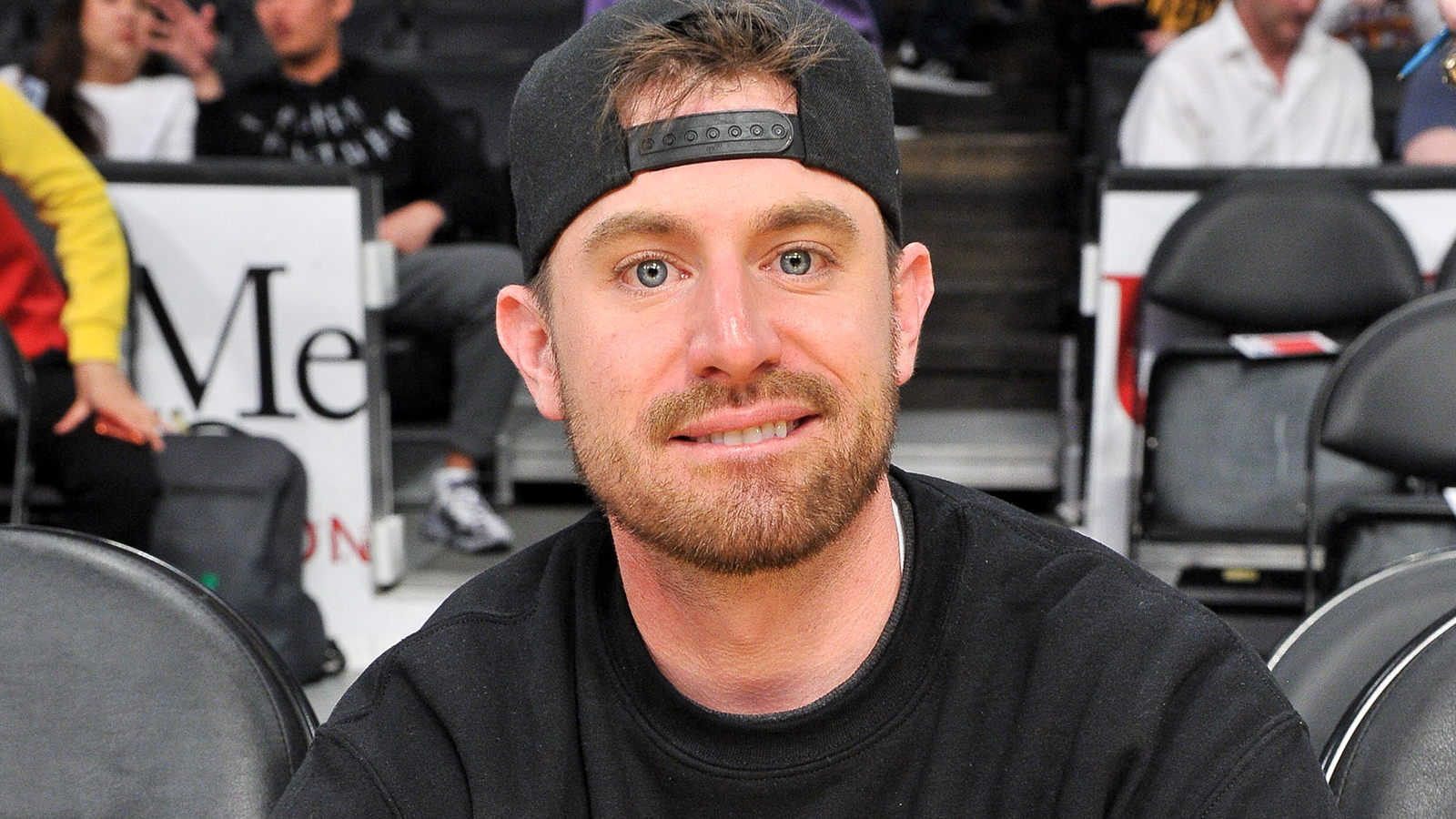
To understand what happened to Bob Menery, one must look past the headlines of public feuds and analyze the mechanics of his personal brand: how it was built, how it was leveraged, and how it is currently being redesigned for a new era of independent media.
The Rise of the “Golden Voice” Brand
Every successful brand requires a unique value proposition (UVP)—a distinct element that separates it from a crowded marketplace. For Bob Menery, that UVP was the “Golden Voice.” By applying the polished, baritone cadence of a professional play-by-play announcer to the chaotic, often profane world of viral internet clips, Menery created a brand that was both nostalgic and subversive.
Identifying a Unique Value Proposition
Menery’s brand was built on the foundation of comedic irony. In the mid-2010s, sports media was largely divided between the stiff, corporate environment of major networks and the nascent, unpolished world of social media creators. Menery occupied the “white space” between these two worlds. His brand resonated because it felt authentic to a younger demographic that appreciated high production value but rejected corporate censorship. This positioning allowed him to secure massive engagement across Instagram and YouTube, turning a niche comedic talent into a high-value media asset.
Leveraging Viral Distribution
The rapid growth of the Menery brand was fueled by a deep understanding of platform algorithms. His content was inherently shareable; short, punchy clips of his commentary were perfectly suited for the “viral loop” of Instagram Explore pages. By the time he reached millions of followers, he had transitioned from a content creator to a “platform brand.” This status made him an attractive partner for larger media entities looking to capture his specific audience segment.
The Full Send Era: Brand Synergy and Its Risks
The most significant chapter in Menery’s branding journey was his partnership with Kyle Forgeard and the Nelk Boys to launch the Full Send Podcast. On the surface, this was a perfect example of brand synergy. The Nelk Boys brought a massive, loyal “lifestyle brand” following, while Menery brought his broadcasting expertise, industry connections, and his established persona.
Aligning with the Nelk Boys
For a period, the Full Send Podcast was the fastest-growing media property in the creator space. The synergy worked because Menery’s brand acted as the “professional” bridge that allowed the Nelk Boys to interview high-profile figures like Dana White, Mike Tyson, and even political leaders. Menery’s brand provided a level of legitimacy to the chaotic Nelk ecosystem, while Nelk provided Menery with a massive distribution engine and a high-energy environment that suited his persona.
The Risks of Brand Dependency
However, this partnership also illustrated a classic branding trap: brand dependency. When an individual’s personal brand becomes too closely intertwined with a larger entity or a collaborative group, the individual risks losing their distinct identity. In Menery’s case, the Full Send brand began to overshadow the Bob Menery brand. For creators, this creates a precarious situation where their market value is tied to a platform they do not fully own or control. This lack of structural equity became the primary point of contention that led to the eventual fallout.
The Point of Friction: Equity, Contracts, and Professional Identity
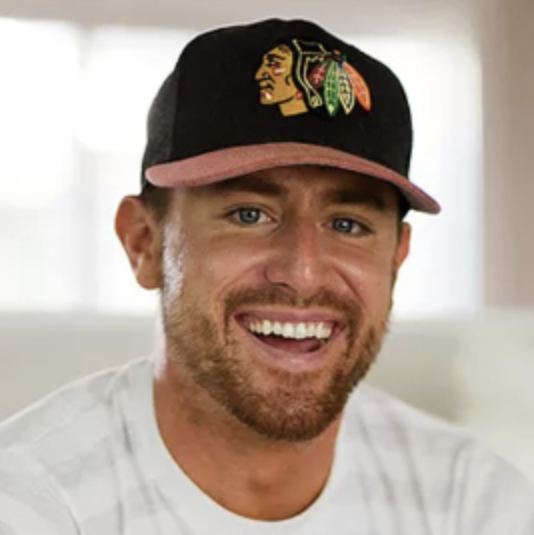
The collapse of the Menery-Full Send partnership provides a sobering look at the business of personal branding. While the public saw a series of heated exchanges and social media posts, the underlying issue was a dispute over brand equity and compensation.
The Fallout with the Nelk Boys
The catalyst for the split was a disagreement over the financial structure of the Full Send Podcast. Menery publicly claimed that he was not being compensated according to the value he brought to the show, particularly regarding the high-profile guests he facilitated. From a brand strategy perspective, this was a failure of contract alignment. Menery viewed himself as a partner and a co-founder with a rightful claim to the brand’s exponential growth, whereas the Nelk leadership seemingly viewed him more as a contributor or a talent-for-hire.
This disconnect highlights a critical lesson for modern brand builders: clear definitions of ownership and “sweat equity” are essential. When a brand scales as rapidly as Full Send did, the lack of a formal, equitable structure often leads to what branding experts call “identity fracturing,” where the internal stakeholders no longer share a unified vision for the brand’s future.
Public Dispute and Brand Damage Control
The aftermath of the split was played out in the public eye, which is rarely beneficial for a personal brand. Menery engaged in a series of public grievances, while the Nelk Boys countered with their own perspectives. For Menery, this period was one of brand volatility. He risked alienating the very audience that enjoyed the “Full Send” chemistry. However, in the world of personal branding, controversy can also be a form of “attention capital.” While the split was messy, it ensured that Menery remained at the center of the conversation, albeit for reasons outside of his comedic talent.
Pivoting Post-Controversy: Rebuilding the Menery Brand
Following his departure from Full Send, the central question for Menery was whether his brand could survive independently. This phase of his career has been defined by a pivot—moving away from being a “co-host” and back to being a “platform owner.”
Diversifying Content Streams
To rebuild, Menery leaned back into the assets that made him famous: his voice and his ability to curate sports-adjacent entertainment. He launched “The Bob Menery Show” and continued to develop his “Ripper Magoose” brand. By diversifying his output, he mitigated the risk of being tied to a single platform. Brand diversification is a defensive strategy; it ensures that if one channel or partnership fails, the brand’s overall ecosystem remains intact.
Maintaining Audience Loyalty Through Authenticity
A key element of Menery’s brand resilience has been his commitment to authenticity—even when that authenticity is controversial. In the modern media landscape, audiences are increasingly drawn to “raw” personalities who are willing to share their struggles and failures. Menery’s openness about the fallout, his personal life, and his professional setbacks has helped him maintain a core group of loyalists. From a strategic standpoint, this is “community-based branding.” It’s less about reaching the widest possible audience and more about deepening the connection with a specific, high-engagement niche.
Lessons for Modern Creators: The Importance of Personal Brand Ownership
The story of Bob Menery is a cautionary tale and a blueprint for the creator economy. It underscores the reality that in the digital age, your brand is your most valuable asset, but only if you own the underlying equity.
The Shift from Talent to Owner
The most successful modern brands—think Joe Rogan or Barstool Sports—are built on the principle of ownership. Menery’s experience illustrates that even the most talented individual can be sidelined if they are merely “talent” on someone else’s platform. For creators and entrepreneurs, the goal must always be to move from being a participant in a brand to being an owner of the brand. This requires a shift in mindset from content creation to business strategy, focusing on trademarks, IP ownership, and long-term equity.
Navigating Brand Rejuvenation
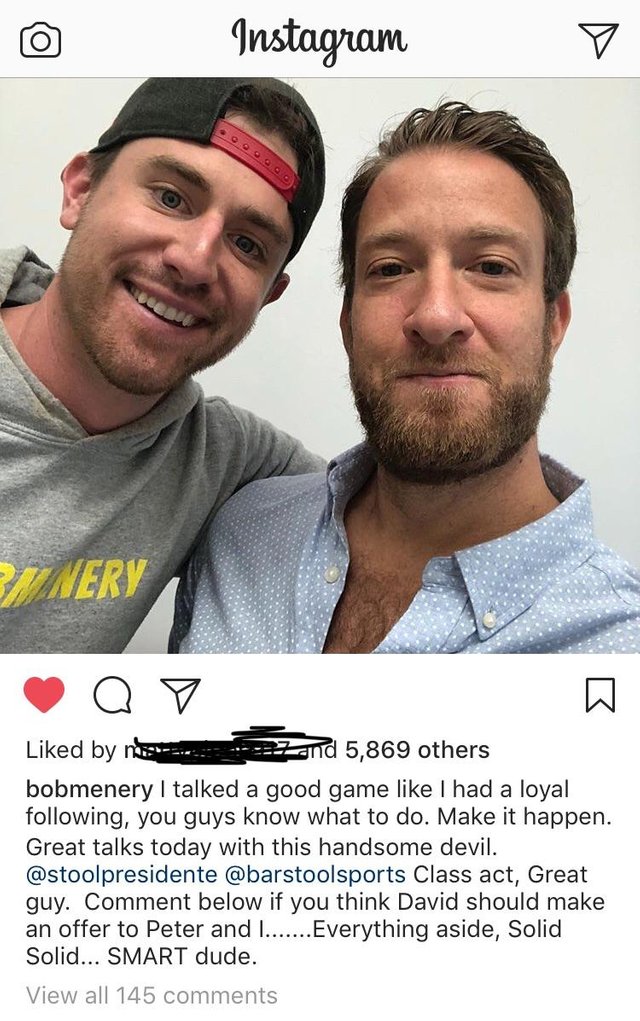
Finally, Bob Menery’s current efforts at brand rejuvenation show that a personal brand is a living document. It can be edited, overhauled, and relaunched. While he may no longer be the face of the Full Send ecosystem, he has managed to retain a significant market presence by returning to his roots and leveraging his unique “voice” in new contexts.
What happened to Bob Menery was not an ending, but a forced evolution. In the world of branding, the ability to survive a “brand divorce” and emerge with a functioning, profitable platform is perhaps the ultimate test of brand strength. As he continues to navigate the complexities of independent media, Menery’s journey remains a vital reference point for anyone looking to build a career at the intersection of personality and business. His story proves that while partnerships may be temporary, a well-defined personal brand has the potential to be permanent.
aViewFromTheCave is a participant in the Amazon Services LLC Associates Program, an affiliate advertising program designed to provide a means for sites to earn advertising fees by advertising and linking to Amazon.com. Amazon, the Amazon logo, AmazonSupply, and the AmazonSupply logo are trademarks of Amazon.com, Inc. or its affiliates. As an Amazon Associate we earn affiliate commissions from qualifying purchases.