
In the world of finance, few terms carry as much weight as “Annual Net Income.” Whether you are an individual trying to manage a household budget, an entrepreneur looking to scale a business, or an investor scrutinizing a company’s performance, understanding this metric is essential. While “gross income” often serves as a vanity metric—a large, impressive number that represents total earnings—annual net income is the reality. It is the amount of money that actually remains in your pocket or your business account after all obligations have been met.

To truly grasp what annual net income means, one must look beyond the surface level of a paycheck or a revenue report. It represents the ultimate measure of financial health, determining your purchasing power, your ability to save, and your capacity to reinvest in the future.
Understanding the Fundamentals of Annual Net Income
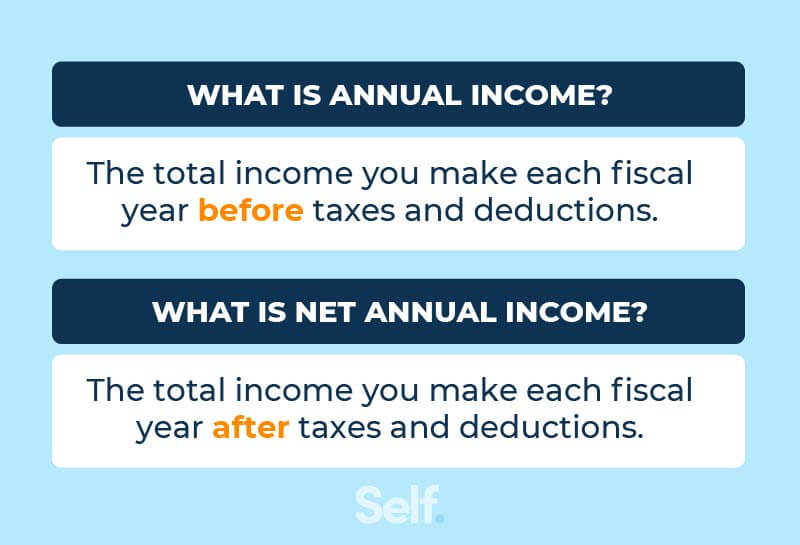
At its most basic level, annual net income is the total amount of money earned over a one-year period minus all applicable taxes, deductions, and expenses. The distinction between “gross” and “net” is the most critical concept in personal and business finance. Gross income is the starting point—the total compensation or revenue—while net income is the “bottom line.”
The formula for annual net income is deceptively simple:
Annual Net Income = Gross Annual Income – Total Expenses/Deductions
However, the components of that formula change significantly depending on whether you are looking at your personal finances or the financial statements of a corporation. For an individual, “expenses” typically refer to federal and state taxes, Social Security contributions, and healthcare premiums. For a business, “expenses” encompass everything from the cost of raw materials and rent to interest on debt and corporate taxes.
The reason this figure is calculated on an annual basis is to account for the cyclical nature of income and spending. Bonuses, seasonal business spikes, and tax season only happen once a year. By looking at the annual figure, you gain a stabilized view of your financial trajectory that monthly snapshots cannot provide.
The Personal Perspective: Take-Home Pay
For the average employee, annual net income is often synonymous with “take-home pay.” It is the sum of all your paychecks over the course of twelve months. This is the money available for discretionary spending, rent or mortgage payments, groceries, and investments. Many people make the mistake of budgeting based on their gross salary, only to find themselves “paycheck to paycheck” because they failed to account for the substantial gap between their offered salary and their actual net income.
The Business Perspective: The Bottom Line
In business, annual net income (often called net profit) is the final line on an income statement. It tells stakeholders whether a company is truly profitable. A company can have millions of dollars in revenue, but if its operating costs and tax burdens exceed that revenue, its annual net income will be negative, indicating a loss. For investors, this is the primary indicator of a company’s efficiency and long-term viability.
Calculating Annual Net Income for Individuals
For an individual, calculating annual net income requires a deep dive into your tax filings and payroll stubs. It is not merely about what you see in your bank account; it is about understanding where every dollar of your gross earnings is diverted.
Starting with Gross Income
Gross annual income includes more than just your base salary. To get an accurate starting point, you must include:
- Base wages or salary.
- Annual bonuses and commissions.
- Tips and overtime pay.
- Income from side hustles or freelance work.
- Interest and dividends from investments.
- Rental income from real estate.
Subtracting Mandatory Taxes
The largest deduction from gross income is almost always taxes. In the United States, this includes Federal Income Tax, which is progressive, meaning the rate increases as your income rises. Additionally, most workers are subject to FICA (Federal Insurance Contributions Act) taxes, which fund Social Security and Medicare. Depending on your location, State and Local Income Taxes can further reduce your gross amount by anywhere from 1% to over 10%.
Accounting for Pre-Tax Deductions
One of the nuances of calculating personal annual net income is handling pre-tax deductions. Contributions to a 401(k) or a traditional IRA, as well as payments for health insurance premiums and Health Savings Accounts (HSAs), are often deducted before taxes are calculated. While these deductions reduce your current “net income” (the cash you see now), they are often movements of wealth into different buckets (like retirement or healthcare) rather than pure expenses. However, for the purpose of identifying your immediate annual spending power, these must be subtracted from the gross total.
Example Calculation
Imagine an individual with a gross salary of $80,000.
- Gross Income: $80,000
- Federal/State Taxes: -$15,000
- FICA Taxes: -$6,120
- Health Insurance & 401(k): -$8,000
- Annual Net Income: $50,880
In this scenario, the individual’s annual net income is roughly 63% of their gross income. Understanding this “real” number is vital for making major life decisions, such as how much house they can afford or whether they can support a family.
Annual Net Income in the Business World
In a corporate context, annual net income is the most scrutinized figure in a financial report. It is the definitive answer to the question: “Is this business making money?” While individuals use net income to survive and thrive, businesses use it to satisfy shareholders and fuel expansion.
Revenue vs. Net Profit
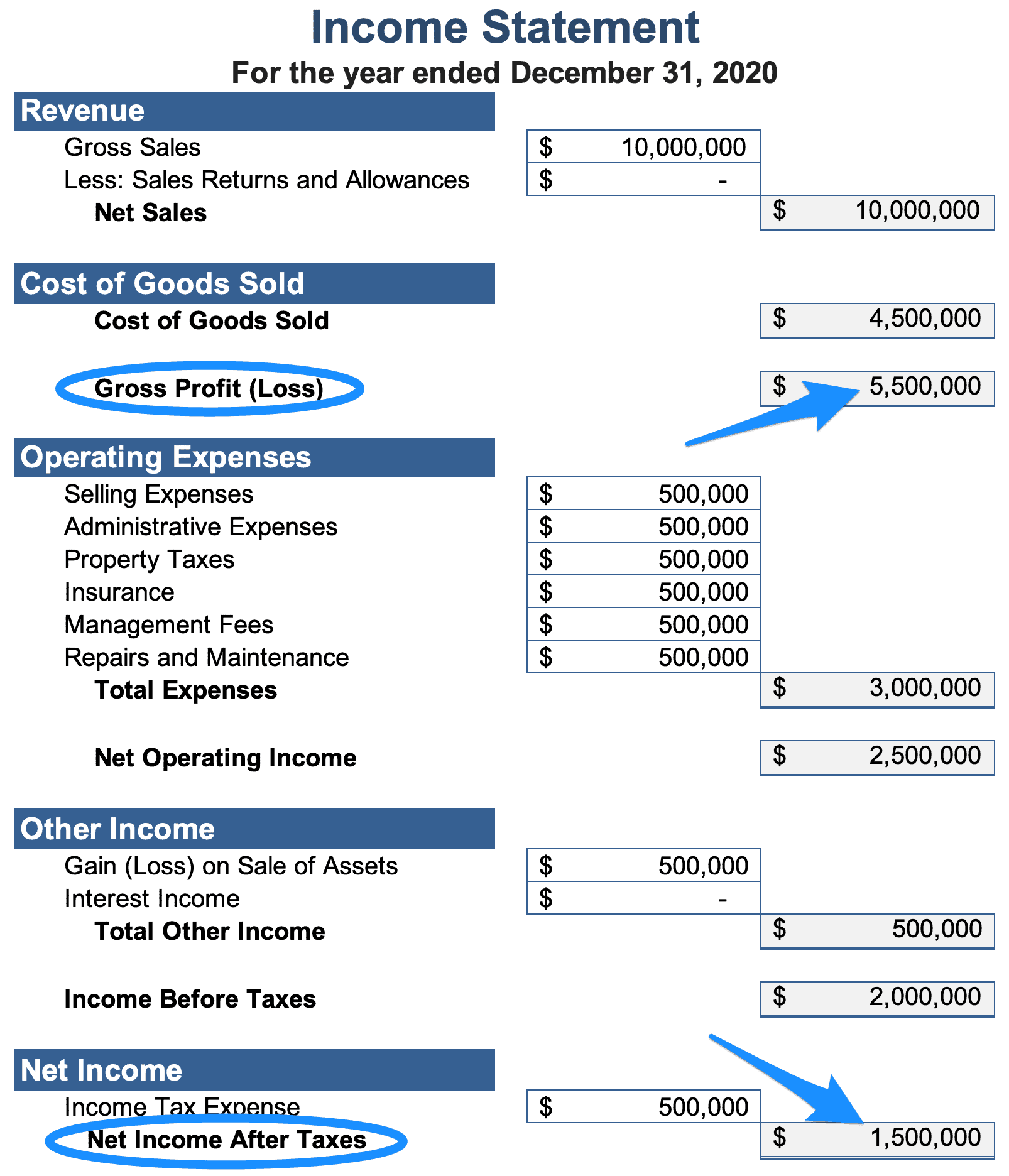
Business net income starts with “Total Revenue”—the total dollar amount brought in through sales. From there, the “Cost of Goods Sold” (COGS) is subtracted to find the Gross Profit. However, a business is far from finished with its deductions at this stage.
To reach the annual net income, a business must then subtract:
- Operating Expenses (OpEx): This includes rent, utilities, payroll for administrative staff, marketing, and insurance.
- Depreciation and Amortization: These are non-cash expenses that account for the wear and tear on equipment or the expiring value of intangible assets over time.
- Interest: If the company has taken out loans, the interest paid on that debt is deducted.
- Taxes: Corporate income tax is the final hurdle before reaching the “bottom line.”
The Significance for Investors
Investors look at annual net income to calculate “Earnings Per Share” (EPS). This metric divides the net income by the number of outstanding shares of stock. If a company’s annual net income is growing year-over-year, it is generally a sign of a healthy, well-managed business. Conversely, if revenue is growing but net income is shrinking, it suggests that the company’s costs are spiraling out of control or that it is operating in an increasingly low-margin environment.
Net Profit Margin
Another critical tool derived from net income is the Net Profit Margin. This is calculated by dividing net income by total revenue. For example, if a business has $1,000,000 in revenue and $100,000 in net income, its profit margin is 10%. This allows investors to compare companies of different sizes within the same industry to see which is more efficient at converting sales into actual profit.
The Practical Importance of Knowing Your Net Income
Why does this number matter so much in our daily lives? Because almost every major financial institution uses your annual net income—rather than your gross—to determine your creditworthiness and financial stability.
Loan Approvals and Mortgages
When you apply for a mortgage, lenders look at your Debt-to-Income (DTI) ratio. While they often start with gross income for the initial calculation, they scrutinize your net income to ensure you have enough residual cash to cover life’s other expenses after the mortgage is paid. If your net income is heavily depleted by existing debts or high tax burdens, a lender may view you as a high-risk borrower, regardless of how high your gross salary is.
Budgeting and Cash Flow Management
Effective personal finance is built on the foundation of net income. A common mistake is the “lifestyle creep” that occurs when someone receives a raise. If you receive a $10,000 raise, your annual net income may only increase by $6,000 or $7,000 after taxes. If you increase your spending by the full $10,000, you will quickly find yourself in a deficit. By focusing on the net increase, you can create a realistic budget that prioritizes savings and debt repayment.
Evaluating Career Moves and Side Hustles
Understanding annual net income is crucial when weighing job offers. A higher gross salary in a state with high income taxes (like California or New York) might actually result in a lower annual net income than a smaller salary in a state with no income tax (like Texas or Florida). Similarly, when starting a side hustle, you must account for the self-employment tax (which covers both the employer and employee portions of FICA). Without calculating the net income of a side project, you may find that the time invested isn’t worth the actual take-home pay.
Strategies to Improve Your Annual Net Income
Improving your annual net income is a two-sided equation: you can either increase your gross earnings or decrease the deductions and expenses that eat away at them.
Tax Efficiency
For individuals, one of the most effective ways to boost net income is through smart tax planning. Contributing to tax-advantaged accounts like a 401(k), 403(b), or a Health Savings Account (HSA) reduces your taxable income. While this money is “locked away” for the future, it increases your overall net worth and reduces the amount of money lost to the government. Additionally, staying informed about tax credits (which provide a dollar-for-dollar reduction in taxes owed) rather than just deductions can significantly impact your bottom line.
Expense Management and Overhead
For business owners and freelancers, improving annual net income often requires a ruthless look at overhead. Reducing recurring costs, renegotiating vendor contracts, or automating manual processes can lower operating expenses. Because every dollar saved in expenses goes directly to the net income, reducing costs is often faster and more effective than trying to increase sales by the same amount.
Diversifying Income Streams
In a volatile economy, relying on a single source of gross income is risky. Diversifying through investments, rental properties, or digital products can provide additional “buckets” of income. Many of these alternative streams are taxed differently than standard wages—for instance, long-term capital gains often have a lower tax rate than earned income—which can lead to a higher percentage of that income becoming net income.
Conclusion
Annual net income is the ultimate reality check in the world of money. It strips away the fluff of gross revenue and high-sounding salaries to reveal the true financial power of an individual or an organization. By mastering the calculation of your net income, understanding the factors that influence it, and implementing strategies to protect it, you move beyond mere earning and into the realm of true wealth management. Whether you are aiming to buy your first home or build a corporate empire, the “bottom line” is where your journey truly begins.
aViewFromTheCave is a participant in the Amazon Services LLC Associates Program, an affiliate advertising program designed to provide a means for sites to earn advertising fees by advertising and linking to Amazon.com. Amazon, the Amazon logo, AmazonSupply, and the AmazonSupply logo are trademarks of Amazon.com, Inc. or its affiliates. As an Amazon Associate we earn affiliate commissions from qualifying purchases.