
The conclusion of a long-running media property is rarely just a narrative event; it is a significant milestone in brand management. When The Flash aired its final episode of Season 9, it marked the end of a decade-long tenure that redefined the CW’s corporate identity and solidified the “Arrowverse” as a premier example of interconnected brand ecosystems. To understand what happens at the end of The Flash Season 9 from a brand strategy perspective is to analyze how a franchise successfully sunsetted its most valuable asset while attempting to preserve its brand equity for future iterations of the DC Universe.
The Evolution of a Superhero Brand: From Innovation to Legacy
When The Flash premiered in 2014, it was a spin-off designed to expand the “Arrow” brand. Over nine seasons, it transitioned from a secondary product into the flagship offering of the network. The brand strategy shifted from “innovation”—introducing the concept of a shared television multiverse—to “legacy,” where the primary goal was to honor a decade of consumer loyalty.
Maintaining Brand Consistency Across Nine Seasons
Brand consistency is the hallmark of any successful long-term project. For The Flash, this consistency was rooted in the “Heart, Humor, and Heroism” mantra that defined its market positioning. Even as the production landscape changed and budgets fluctuated, the core brand identity remained focused on the family dynamic of Team Flash. By the end of Season 9, the brand had successfully navigated the transition from a “freak of the week” procedural to a complex serialized epic, all while maintaining the optimistic tone that differentiated it from the grittier “Snyderverse” film brand.
The Arrowverse as a Multi-Product Ecosystem
The conclusion of Season 9 was not just the end of a show; it was the dissolution of a multi-product ecosystem. The Arrowverse functioned much like a modern tech ecosystem, where different shows (products) shared features (characters) and updates (crossovers). The finale needed to serve as a “system shutdown” that felt intentional rather than abrupt. By bringing back legacy characters in the final episodes, the showrunners performed a “brand audit” of their history, reminding the audience of the vast value the franchise had generated over the years.
Analyzing the Series Finale as a Strategic Brand Conclusion
The final arc, titled “A New World,” served as a strategic retrospective. From a marketing standpoint, the finale had to satisfy three distinct stakeholder groups: the long-term fans (loyalists), the casual viewers (marginal users), and the corporate parent, Warner Bros. Discovery (the holding company).
Narrative Closure and Stakeholder Satisfaction
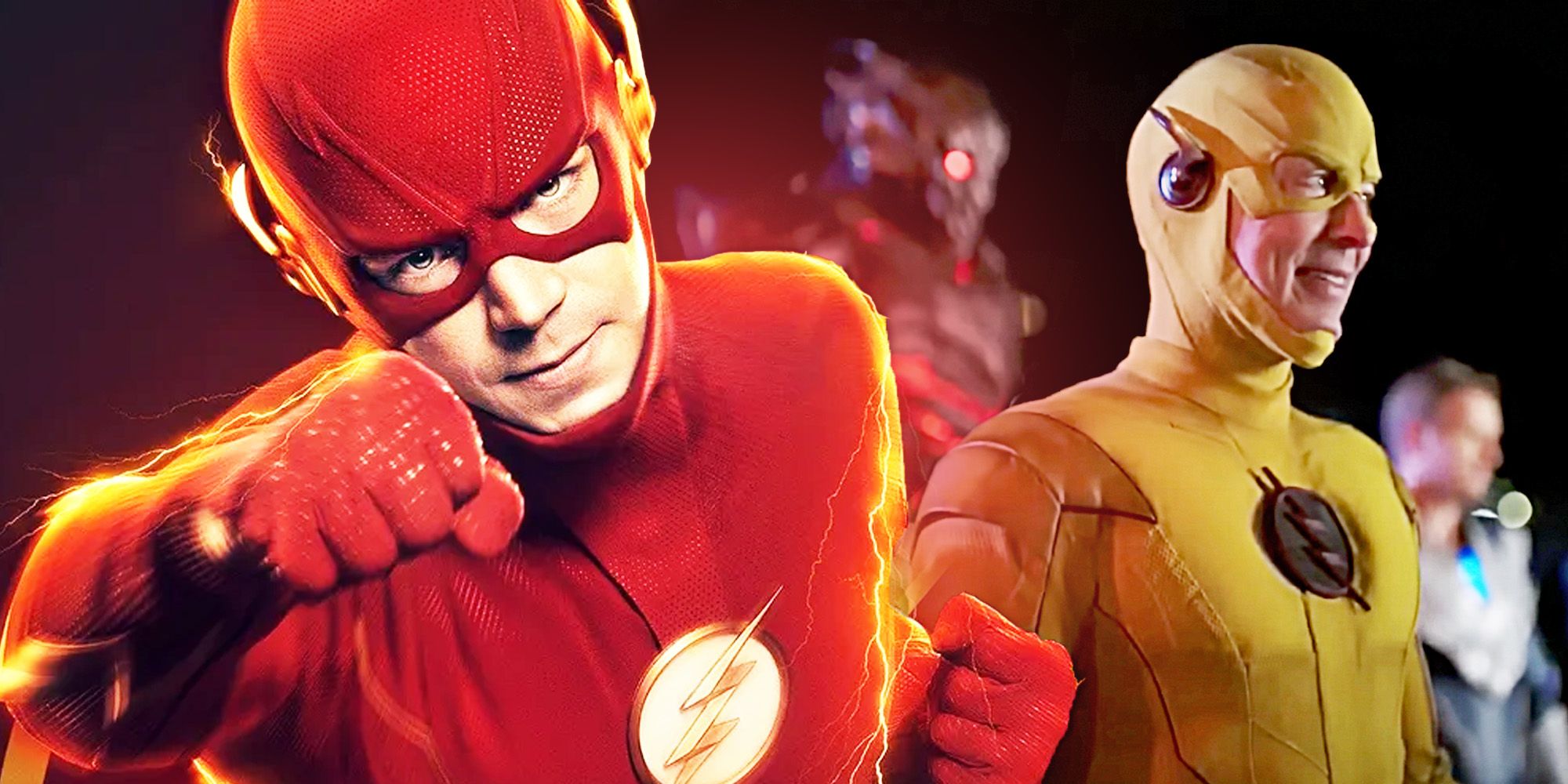
The climax of Season 9 saw Barry Allen facing off against his greatest adversary, the Reverse Flash, alongside a “greatest hits” gallery of villains. In brand terms, this is known as “feature integration.” By reintroducing popular elements from previous seasons, the finale maximized emotional resonance. The ultimate resolution—where Barry chooses to share his power rather than merely hoarding it—represented a shift in the brand’s value proposition. It moved from a story about an individual “hero” brand to a story about a “legacy” brand that empowers others.
Leveraging Nostalgia for Future Engagement
Nostalgia is a powerful tool in brand strategy. The end of Season 9 utilized “nostalgic marketing” by including cameos from across the Arrowverse’s history. This was not merely for fan service; it was a move to ensure the “long-tail” value of the series on streaming platforms. By creating a definitive, high-stakes ending that calls back to the beginning, the producers increased the re-watchability of the entire 184-episode catalog, thereby increasing the lifetime value (LTV) of the content for Max (formerly HBO Max).
The Business of IP: Marketing the End of an Era

The marketing campaign leading up to the Season 9 finale was a masterclass in “Eventizing” a product’s lifecycle. The CW utilized a multi-channel approach to ensure that the end of The Flash was perceived as a cultural moment, despite the shifting landscape of linear television.
Social Media Buzz and Community Management
The “End of the Flash” campaign relied heavily on community engagement. Through behind-the-scenes content, countdowns, and interactive social media prompts, the brand maintained a high “Share of Voice” in the superhero genre. The focus was on the “Flash Family,” a term that transitioned from a plot point to a community hashtag. This encouraged user-generated content, keeping the brand relevant in the months leading up to the final broadcast.
Crossover Branding: Utilizing Guest Appearances as Brand Endorsements
The return of Stephen Amell as Oliver Queen in the penultimate episodes served as a strategic brand endorsement. By bringing back the “founding father” of the franchise, the network signaled to the audience that this was the definitive conclusion of a larger corporate era. This type of cross-promotion is common in brand strategy, where a legacy product is brought back to provide a “halo effect” for a concluding product, ensuring maximum visibility and emotional impact.
Lessons in Personal Branding: Grant Gustin’s Transition Beyond the Suit
An often-overlooked aspect of a long-running series is the personal brand of the lead actor. Grant Gustin’s portrayal of Barry Allen became synonymous with the character, much like Robert Downey Jr. with Iron Man. The end of Season 9 represented a critical juncture for his personal brand.
For nine years, Gustin’s personal brand was inextricably linked to The Flash. His professional strategy during the final season involved a delicate balance of honoring the character while signaling his readiness for new ventures. This is a common challenge in personal branding: how to pivot without alienating the base that built your platform. By delivering a performance that emphasized maturity and finality, Gustin effectively “retired” this version of the character, allowing him to enter the next phase of his career with a high level of marketability and goodwill.
The Future of the DC Brand Post-Season 9
What happens at the end of The Flash Season 9 also has significant implications for the broader DC brand identity under the new leadership of James Gunn and Peter Safran. The finale acted as a “clean slate,” allowing the corporate entity to pivot toward a new brand architecture (the DCU).
The Transition from the Arrowverse to the DCU
In corporate restructuring, it is essential to phase out old product lines before launching new ones to avoid brand confusion. The conclusion of The Flash effectively closed the book on the “CW-style” DC content. This allows the new DCU to establish its own visual and narrative identity without being tethered to the continuity of the past decade. The finale’s focus on the multiverse—specifically Barry releasing the speed force to create new heroes—provides a poetic and strategic “hand-off,” suggesting that while this specific brand of Flash is ending, the “hero” category remains open for future disruption.
Maximizing the Value of the Back Catalog
Even though the production of new episodes has ceased, the Flash brand remains a significant revenue generator. Through syndication and global streaming deals, Season 9 ensures that the franchise remains a “cash cow” in the BCG Matrix of Warner Bros. Discovery’s portfolio. The definitive ending prevents the brand from “fading out” and instead gives it a “completion status,” making it a more attractive package for international distributors and digital platforms.
Conclusion: The Lasting Impact of a Decade-Long Run
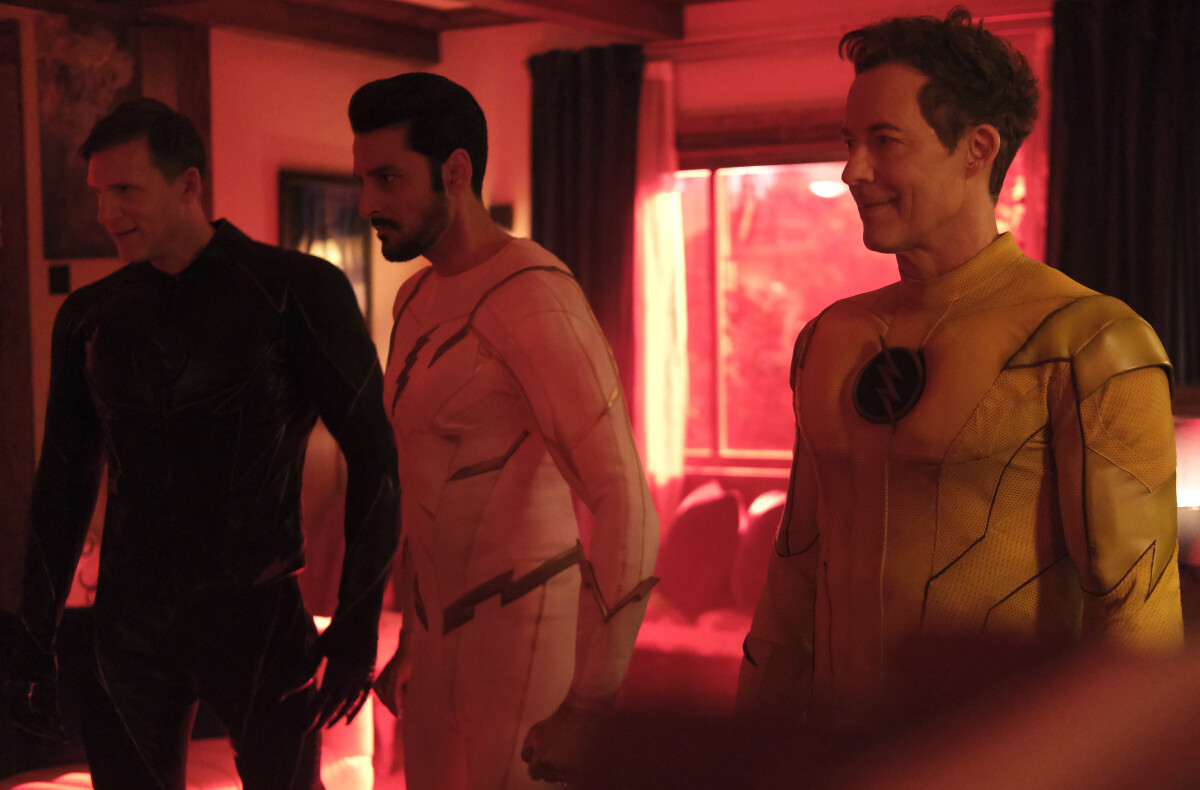
The end of The Flash Season 9 is a landmark study in how to conclude a high-equity brand. It succeeded by staying true to its core values, engaging its loyal community, and providing a sense of closure that respects the consumer’s time investment. In the world of branding, the end of a product line is just as important as its launch. By navigating the complexities of narrative closure, actor transitions, and corporate restructuring, The Flash ensured that its legacy would remain a cornerstone of the DC brand for years to come. The final scene, where Barry Allen passes on his power to a new generation, is the ultimate metaphor for brand longevity: the product may change, the actors may move on, but the brand’s core mission continues to resonate in the marketplace.
aViewFromTheCave is a participant in the Amazon Services LLC Associates Program, an affiliate advertising program designed to provide a means for sites to earn advertising fees by advertising and linking to Amazon.com. Amazon, the Amazon logo, AmazonSupply, and the AmazonSupply logo are trademarks of Amazon.com, Inc. or its affiliates. As an Amazon Associate we earn affiliate commissions from qualifying purchases.