
In the hyper-competitive landscape of fast-casual dining, a brand’s survival depends on more than just operational efficiency; it hinges on the ability to cultivate a distinct identity that resonates with a globalized palate. Wingstop, a brand that has consistently outperformed industry benchmarks, found a cornerstone of its corporate identity in the “Spicy Korean Q” sauce. While many consumers view it simply as a menu item—a bold blend of ginger, garlic, sriracha, and crushed red pepper—from a brand strategy perspective, Spicy Korean Q represents a masterclass in market positioning, flavor innovation, and the strategic embrace of cultural trends.
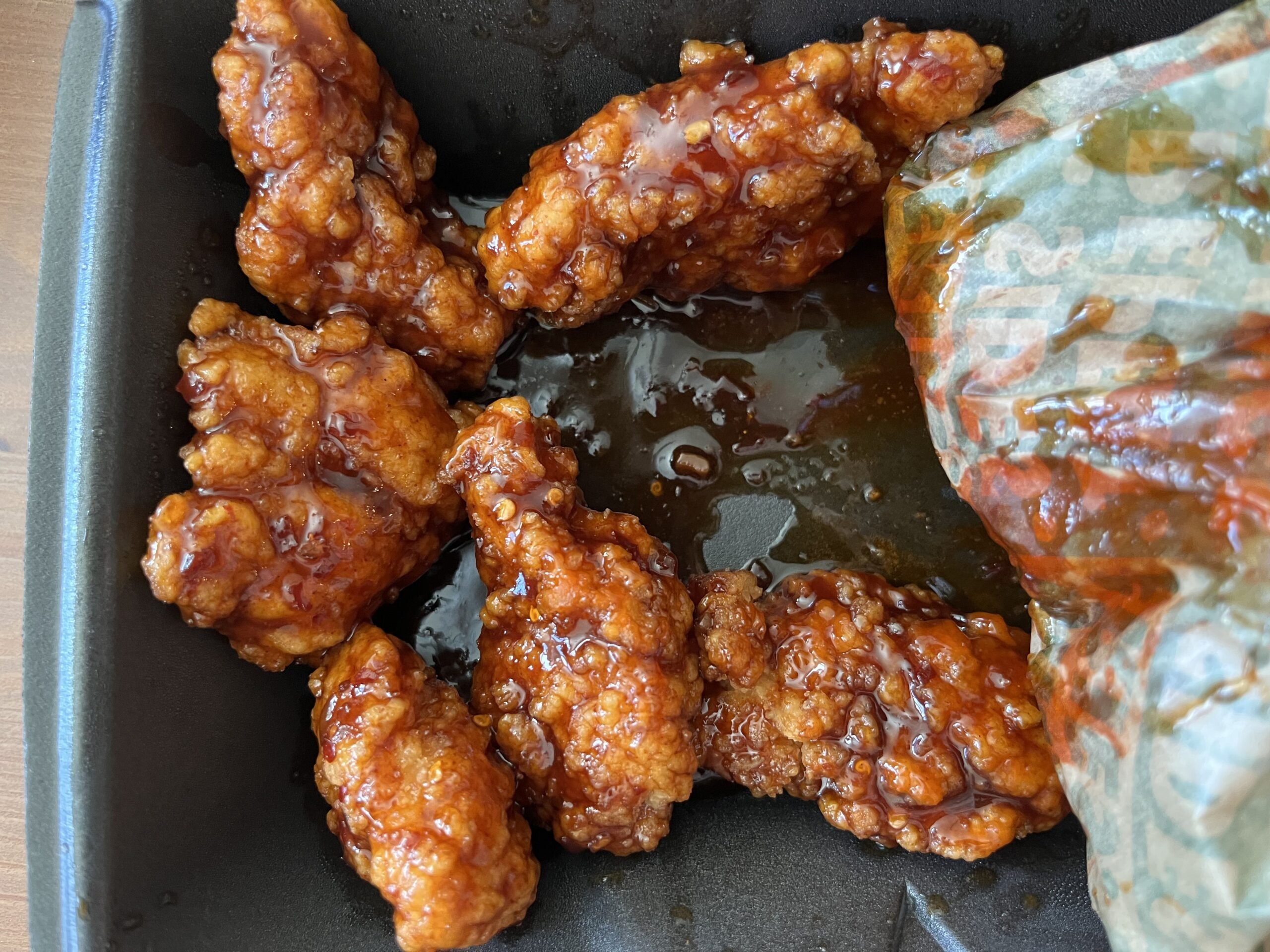
To understand what Spicy Korean Q is, one must look beyond the ingredients and examine how Wingstop utilizes this flavor profile to solidify its claim as “The Flavor Experts.” This specific sauce profile is not merely a culinary choice; it is a calculated marketing tool designed to bridge the gap between traditional American comfort food and the burgeoning global interest in East Asian flavor palettes.
The Anatomy of a Flavor: Building Brand Identity Through Product Development
Brand identity is often built on the foundation of a core promise. For Wingstop, that promise is variety and intensity of flavor. The development of Spicy Korean Q was a strategic move to diversify the brand’s portfolio away from standard Buffalo or BBQ tropes. By introducing a profile that combined the sweetness of traditional glaze with the complexity of fermented-style heat, Wingstop successfully tapped into the “sweet-heat” trend that has dominated the food and beverage industry for the last decade.
Transcending Traditional Fast Casual Boundaries
Historically, the chicken wing category was dominated by domestic flavor profiles: mild, medium, hot, and lemon pepper. Wingstop’s decision to integrate Spicy Korean Q into its permanent lineup was an admission that the modern consumer is increasingly adventurous. From a branding standpoint, this allows Wingstop to position itself as a “bridge brand”—one that offers the reliability of a major franchise with the culinary curiosity of a boutique eatery.
Spicy Korean Q functions as a sophisticated entry point for customers. It utilizes familiar elements like garlic and ginger but elevates them with sriracha and red pepper flakes. This “familiar yet exotic” strategy is a hallmark of successful brand scaling. It minimizes the “risk” for the consumer while maximizing the “reward” of trying something new, thereby increasing brand loyalty and frequency of visits.
The Cultural Significance of the “K-Flavor” Trend
The “K-Wave” or Hallyu has seen Korean culture—from music and cinema to skincare—become a dominant force in global markets. Wingstop’s Spicy Korean Q is a direct response to this cultural shift. By aligning its brand with the popularity of Korean cuisine, Wingstop essentially “borrows” some of the cultural capital associated with the trend.
This is a strategic branding move known as cultural relevance marketing. By offering a “Korean-inspired” flavor, Wingstop signals to its demographic—particularly Gen Z and Millennials—that it is a brand that stays current. The flavor isn’t just about taste; it’s about participating in a global conversation. This alignment helps the brand feel contemporary rather than stagnant, which is a constant challenge for legacy fast-food chains.
Marketing the Heat: How Wingstop Utilizes Limited Time Offers (LTOs)
The journey of Spicy Korean Q began as a Limited Time Offer (LTO). In the world of brand strategy, the LTO is one of the most powerful tools for testing market appetite and creating a sense of urgency. When Wingstop first introduced this flavor, it was part of a larger experiment to see which international profiles would resonate with a domestic audience.
Scarcity and Urgency in Consumer Psychology
The initial marketing of Spicy Korean Q relied heavily on the “get it before it’s gone” mentality. This creates a feedback loop in social media circles where “foodies” and influencers rush to review the product, providing the brand with thousands of hours of free earned media. The scarcity of an LTO forces a trial period that a permanent menu item might not receive.
However, the transition of Spicy Korean Q from an LTO to a permanent staple is where the real brand story lies. When a brand makes an LTO permanent, it sends a message to its community: “We are listening.” This fosters a sense of brand co-creation, where customers feel they have a stake in the menu’s evolution. This participatory branding is essential for long-term customer retention.
Social Media and the “Flavor Profile” Aesthetic
In the digital age, a product must be “Instagrammable” or “TikTok-ready” to achieve viral success. Spicy Korean Q, with its deep red hue and visible red pepper flakes, offers a visual intensity that translates well to digital media. Wingstop’s marketing team leaned into this by highlighting the texture and glaze of the sauce in high-definition slow-motion advertising.

The brand strategy here is to sell an experience rather than just a meal. By focusing on the sensory details—the “snap” of the wing and the “glow” of the sauce—Wingstop creates a digital craving. This visual branding ensures that when a consumer thinks of “Korean wings,” the specific image of Wingstop’s Spicy Korean Q is the one that comes to mind.
Strategic Positioning: Wingstop vs. The Competitive Landscape
In a market crowded with competitors like Buffalo Wild Wings, Popeyes, and local independent shops, Wingstop must fight for a “share of stomach.” The Spicy Korean Q flavor serves as a key differentiator. While competitors may offer a “sweet chili” or a basic “teriyaki,” Wingstop’s specific formulation of Spicy Korean Q is marketed as a more complex, premium alternative.
Differentiating from Direct Competitors
Most competitors in the fast-casual space stick to safe, broadly appealing flavors. Wingstop’s strategy is to lean into “polarizing” flavors—those that are bold enough to create “superfans.” Spicy Korean Q is exactly that. It is not a middle-of-the-road sauce; it has a distinct kick and a lingering sweetness.
From a brand perspective, being “everything to everyone” is a recipe for mediocrity. Wingstop’s success comes from being the “flavor authority.” By offering Spicy Korean Q, they occupy a niche that combines the speed of fast food with the flavor complexity of a sit-down Asian fusion restaurant. This positioning allows them to command a premium perception in the mind of the consumer.
The “Flavor Experts” Tagline as a Brand Promise
Wingstop’s overarching corporate identity is built around the tagline “Where Flavor Gets Its Wings.” This is a bold claim that requires constant validation through the menu. Spicy Korean Q is a primary piece of evidence for this claim. It demonstrates that the brand is not afraid to experiment with bold, pungent ingredients like ginger and sriracha.
This brand promise is vital for maintaining high margins. Consumers are generally willing to pay more for “specialty” flavors than they are for basic ones. By framing Spicy Korean Q as a specialized culinary achievement rather than just another sauce, Wingstop justifies its pricing strategy and reinforces its status as a premium player in the category.
Operational Excellence and Brand Consistency
A brand is only as good as its last customer interaction. For a franchise-heavy model like Wingstop, maintaining the integrity of a complex flavor like Spicy Korean Q across thousands of locations is a massive operational challenge. However, this consistency is exactly what builds brand equity.
Ensuring the Consumer Experience Across Franchises
The “Spicy Korean Q” experience must be identical in Los Angeles as it is in London or Dubai. This requires rigorous supply chain management and standardized preparation protocols. When a customer orders this flavor, they are looking for a specific balance of heat and ginger. If the sauce is too thin or the heat level is inconsistent, the brand promise is broken.
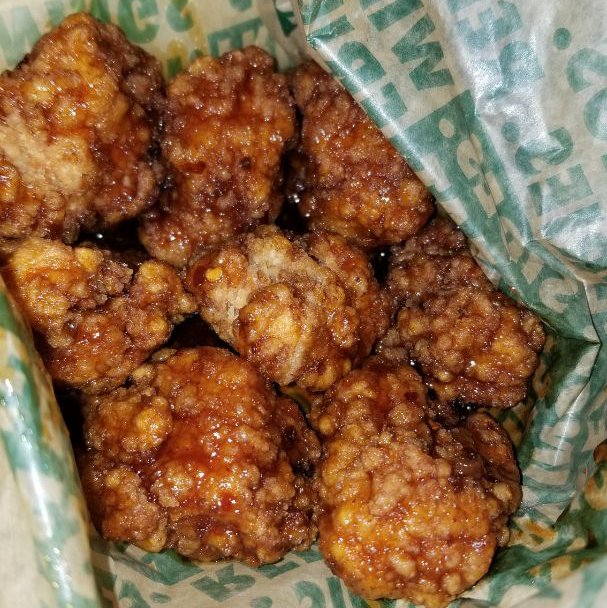
Wingstop invests heavily in its proprietary sauce blends to ensure that the “brand in a bottle” remains consistent. This centralization of flavor allows the brand to scale rapidly without losing the nuances that made the product popular in the first place. The ability to deliver a complex, “boutique” flavor at a global scale is one of Wingstop’s greatest competitive advantages.
The Impact of Spicy Korean Q on Long-term Growth
The success of Spicy Korean Q has provided a blueprint for Wingstop’s future international expansion. As the brand moves into new markets, it uses the data gathered from the success of this flavor to inform its global menu strategy. It proves that there is a massive market for “fusion” flavors that combine Western comfort formats with Eastern flavor profiles.
Furthermore, Spicy Korean Q has helped Wingstop navigate the “chicken sandwich wars.” While other brands focused solely on the breading and the bun, Wingstop entered the fray by focusing on—predictably—the flavor. By offering the Spicy Korean Q profile on a chicken sandwich, they provided a unique value proposition that stood out in a saturated market.
In conclusion, Spicy Korean Q is far more than a sauce; it is a vital organ in the body of the Wingstop brand. It represents a successful fusion of cultural trend-tracking, psychological marketing, and operational consistency. It serves as a testament to the power of a well-executed brand strategy that prioritizes flavor as the ultimate differentiator in the global marketplace. Through Spicy Korean Q, Wingstop has not only defined a new category of fast-casual flavor but has also secured its position as an innovative leader in the food and beverage industry.
aViewFromTheCave is a participant in the Amazon Services LLC Associates Program, an affiliate advertising program designed to provide a means for sites to earn advertising fees by advertising and linking to Amazon.com. Amazon, the Amazon logo, AmazonSupply, and the AmazonSupply logo are trademarks of Amazon.com, Inc. or its affiliates. As an Amazon Associate we earn affiliate commissions from qualifying purchases.