
The transformation of Frank from a peripheral, tragic footnote in a 2013 video game to a central, era-defining icon in a 2023 prestige television series represents one of the most significant case studies in modern brand evolution. When analyzing what happened to Frank in The Last of Us, one must look beyond the plot points of the Cordyceps infection and instead examine the strategic pivot made by the franchise’s architects. By reimagining Frank, Naughty Dog and HBO executed a masterclass in narrative brand repositioning, shifting the franchise’s identity from a survival-horror technical showcase to a sophisticated, character-driven emotional powerhouse.
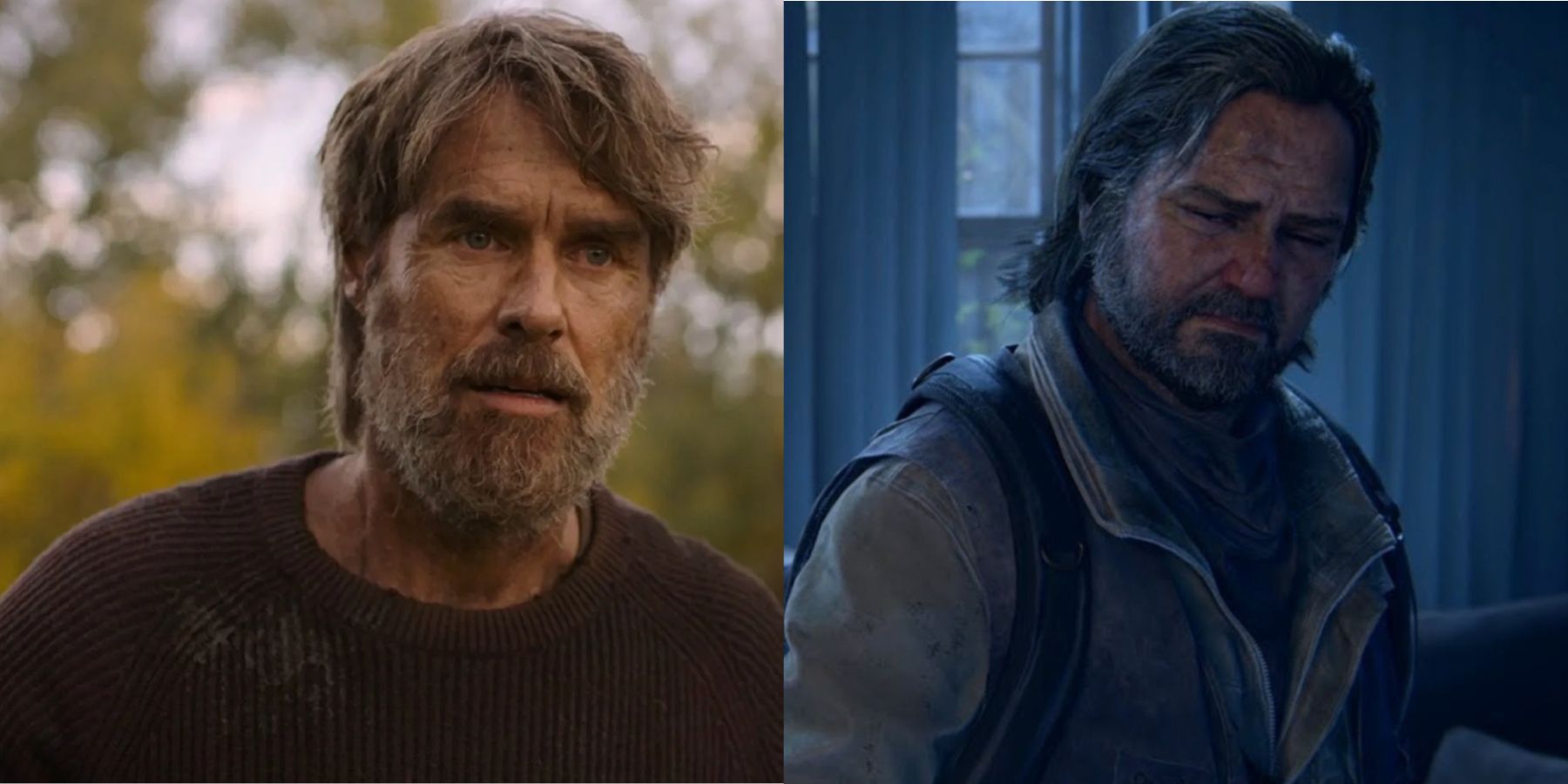
The “Frank” we encounter in the original interactive medium and the “Frank” we meet on screen serve two entirely different brand functions. Understanding this transition is essential for any brand strategist or content creator looking to understand how to scale intellectual property (IP) across diverse audience segments without losing the core identity of the product.
The Brand Pivot: From Environmental Storytelling to Foreground Narrative
In the original 2013 video game, Frank’s role was defined by absence. He was a piece of “environmental storytelling”—a term used in the tech and gaming industries to describe how developers communicate narrative through the placement of objects, notes, and corpses within a digital space. Players never met Frank alive; they found his body, a suicide victim who had succumbed to the pressures of surviving alongside the survivalist Bill.
Frank as a Symbol of World-Building Strategy
From a brand strategy perspective, the original Frank served as a cautionary tale designed to reinforce the game’s core brand identity: “Endure and Survive.” His story was meant to highlight the cost of isolation and the inevitability of loss in a post-apocalyptic world. He was a utility asset for the brand, used to deepen the characterization of Bill and provide a bleak, high-stakes atmosphere for the player. The narrative was tight, focused on the protagonist Joel, and used secondary characters as mirrors to reflect Joel’s own fears.
The Silent Lore of the 2013 Video Game
The decision to keep Frank off-screen was a calculated move in minimalist branding. By leaving the details of Bill and Frank’s relationship to the player’s imagination, the developers created a sense of mystery and “lore” that became a hallmark of The Last of Us brand. However, as the IP prepared for its transition to the high-stakes world of prestige television (HBO), the brand architects realized that “minimalist lore” would not suffice for a broad, non-gaming demographic. To evolve the brand, they needed to turn an invisible asset into a visible centerpiece.
Subverting Expectations: Managing Brand Identity Across Mediums
When the series was adapted for HBO, the question of “what happened to Frank” became the foundation for a radical brand expansion. Instead of the bitter, tragic end found in the game, showrunners Craig Mazin and Neil Druckmann chose to depict a decades-long romance between Frank and Bill. This was not merely a creative choice; it was a strategic brand repositioning intended to differentiate the TV show from the saturated market of “zombie” media.
The HBO Adaptation as a Brand Expansion Tool
By dedicating an entire episode—”Long, Long Time”—to Frank’s life, the franchise effectively diversified its “emotional portfolio.” The brand moved away from a singular focus on violence and survival toward a broader exploration of human connection. This shift allowed the show to tap into a much larger market share, attracting viewers who were previously uninterested in “gaming adaptations” or “horror.” The brand identity was no longer just about surviving the fungus; it was about the beauty of a life well-lived, even at the end of the world.

Expanding the “Bill and Frank” Brand Architecture
The transformation of Frank’s story served to humanize the franchise’s world. In the television medium, Frank became a “brand ambassador” for hope. His character was defined by his desire to make the world beautiful—planting strawberries, painting, and insisting on aesthetic standards in a world of utilitarian survival. This sub-narrative acted as a “brand glow-up” for the entire series, providing a visual and emotional contrast to the grim reality of the main plot. It demonstrated that the The Last of Us brand was flexible enough to house both harrowing tragedy and profound tenderness.
Emotional Resonance as a Marketing Driver
The viral success of Frank’s story in the television series proves that emotional resonance is the most powerful marketing tool in a brand’s arsenal. The discussion surrounding “what happened to Frank” dominated social media, critical reviews, and cultural discourse for weeks. This wasn’t because of a plot twist or a technical achievement, but because the brand chose to invest deeply in a character’s humanity.
The Power of Character-Driven Content in Modern IP
In the current media landscape, brands that prioritize character-driven storytelling over raw spectacle tend to achieve higher levels of “brand loyalty.” By giving Frank a complete, dignified, and moving life story, the creators of The Last of Us created an indelible connection with the audience. The “Frank and Bill” episode became a stand-alone masterpiece that served as a “loss leader” for the series—it brought people in through emotional word-of-mouth, who then stayed for the broader narrative.
Long-Form Storytelling and Brand Loyalty
What happened to Frank in the show—his meeting Bill, their years of domesticity, and his eventual peaceful passing due to a terminal illness—redefined the “success metrics” of a character within the franchise. In the game, Frank was a failure of the survivalist brand. In the show, he was the ultimate success story. He lived a full life on his own terms. For the viewer, this shift in the brand’s narrative arc created a sense of trust. It signaled that the creators were willing to deviate from the source material to provide a richer, more meaningful experience, thereby strengthening the long-term value of the franchise.
The Legacy of the Bill and Frank Narrative for Future Franchise Strategy
The treatment of Frank has set a new benchmark for how legacy brands handle adaptations. It proves that an IP can be “rebranded” for different mediums by identifying underutilized elements and giving them center stage. The “Frank” model is now being studied by other corporate entities looking to adapt their own digital properties for film and television.
Setting a New Standard for TV Adaptations
The strategic success of Frank’s arc lies in its ability to respect the “core brand values” (loss, love, and the cost of survival) while completely changing the “execution.” This is a vital lesson in brand management: stay true to the soul of the brand, but don’t be afraid to change the delivery mechanism. By changing Frank’s fate, the showrunners didn’t betray the game’s fans; they gave them a new way to interact with a world they already loved, effectively increasing the “lifetime value” of the fan base.

How Inclusivity Strengthens Global Brand Appeal
Finally, the decision to center a queer romance through Frank’s character was a masterful stroke in modern brand inclusivity. It didn’t feel like a corporate “check-box” exercise because it was deeply integrated into the world-building and character development. This move expanded the brand’s global appeal, making it a more inclusive and representative property. In the competitive landscape of streaming content, being a brand that stands for high-quality, diverse storytelling is a massive competitive advantage.
In conclusion, “what happened to Frank” is more than just a plot point in a post-apocalyptic drama. It is a testament to the power of strategic narrative evolution. By taking a background character and elevating him to a symbol of the franchise’s emotional depth, the creators of The Last of Us successfully transitioned a “niche” gaming brand into a global cultural phenomenon. They proved that even in a world of decay, the most valuable currency is human connection—a lesson that applies just as much to brand strategy as it does to survival. Through Frank, the brand found its heart, and in doing so, secured its place as a leader in the next generation of multi-platform storytelling.
aViewFromTheCave is a participant in the Amazon Services LLC Associates Program, an affiliate advertising program designed to provide a means for sites to earn advertising fees by advertising and linking to Amazon.com. Amazon, the Amazon logo, AmazonSupply, and the AmazonSupply logo are trademarks of Amazon.com, Inc. or its affiliates. As an Amazon Associate we earn affiliate commissions from qualifying purchases.