
The landscape of modern commerce is undergoing a seismic shift, driven by a growing demographic of conscious consumers whose purchasing power is increasingly dictated by ethical, environmental, and health-aligned values. For brands, understanding the nuance of “veganism” is no longer just a checkbox for product development; it is a critical component of brand strategy and corporate identity. When a brand identifies as vegan, it makes a promise to the consumer that permeates every layer of the business, from supply chain ethics to marketing communications. In an era of heightened transparency, defining what is considered vegan is essential for maintaining brand equity and fostering long-term consumer trust.
The Strategic Definition of Veganism in Modern Business
At its core, a vegan brand identity is built on the systematic exclusion of all animal-derived ingredients and the total avoidance of animal exploitation in the production process. However, in the context of corporate strategy, this definition must be expanded to include the “cruelty-free” mandate. A brand that claims to be vegan while failing to audit its secondary supply chain for animal testing or ethical sourcing faces catastrophic risk to its reputation.
The Exclusionary Standard
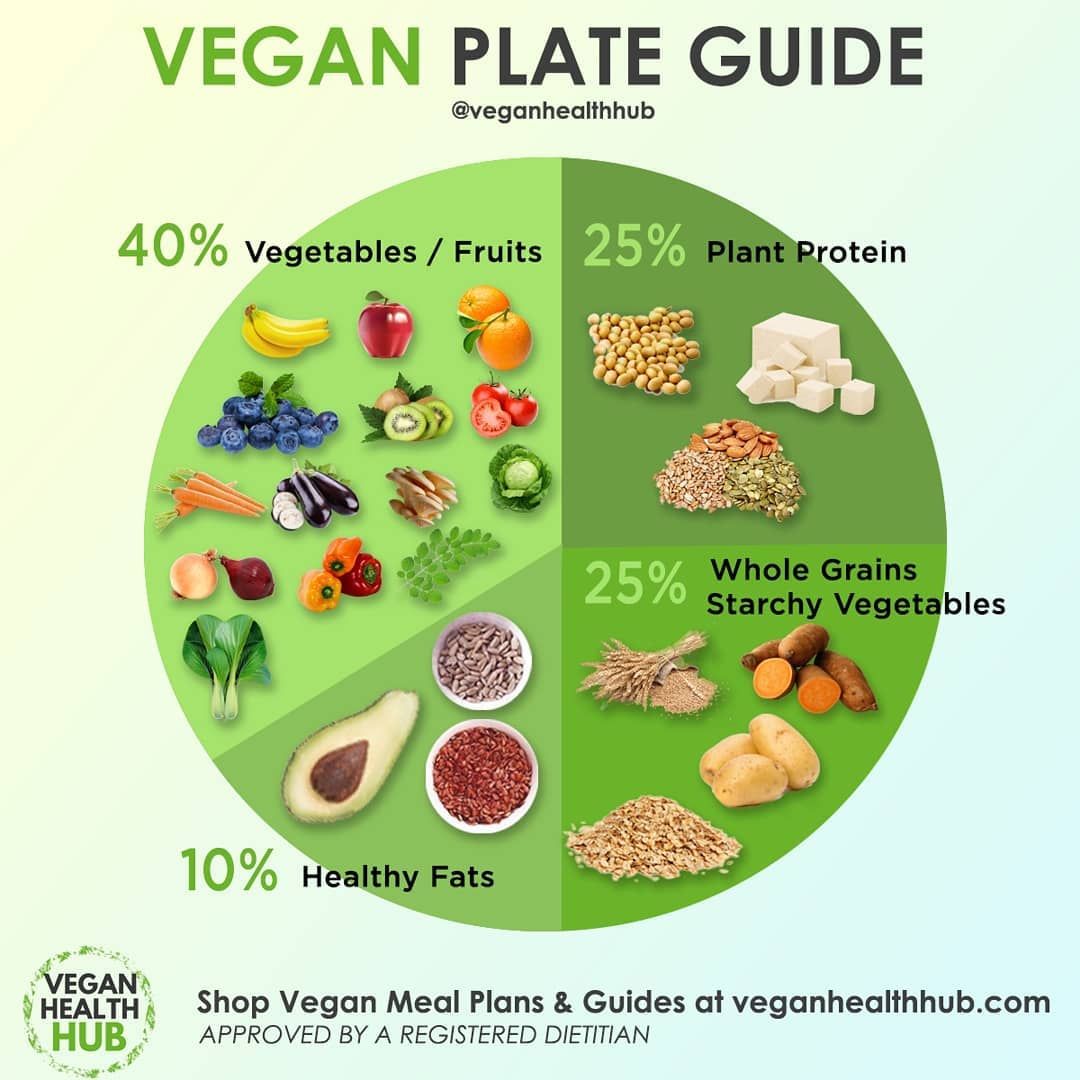
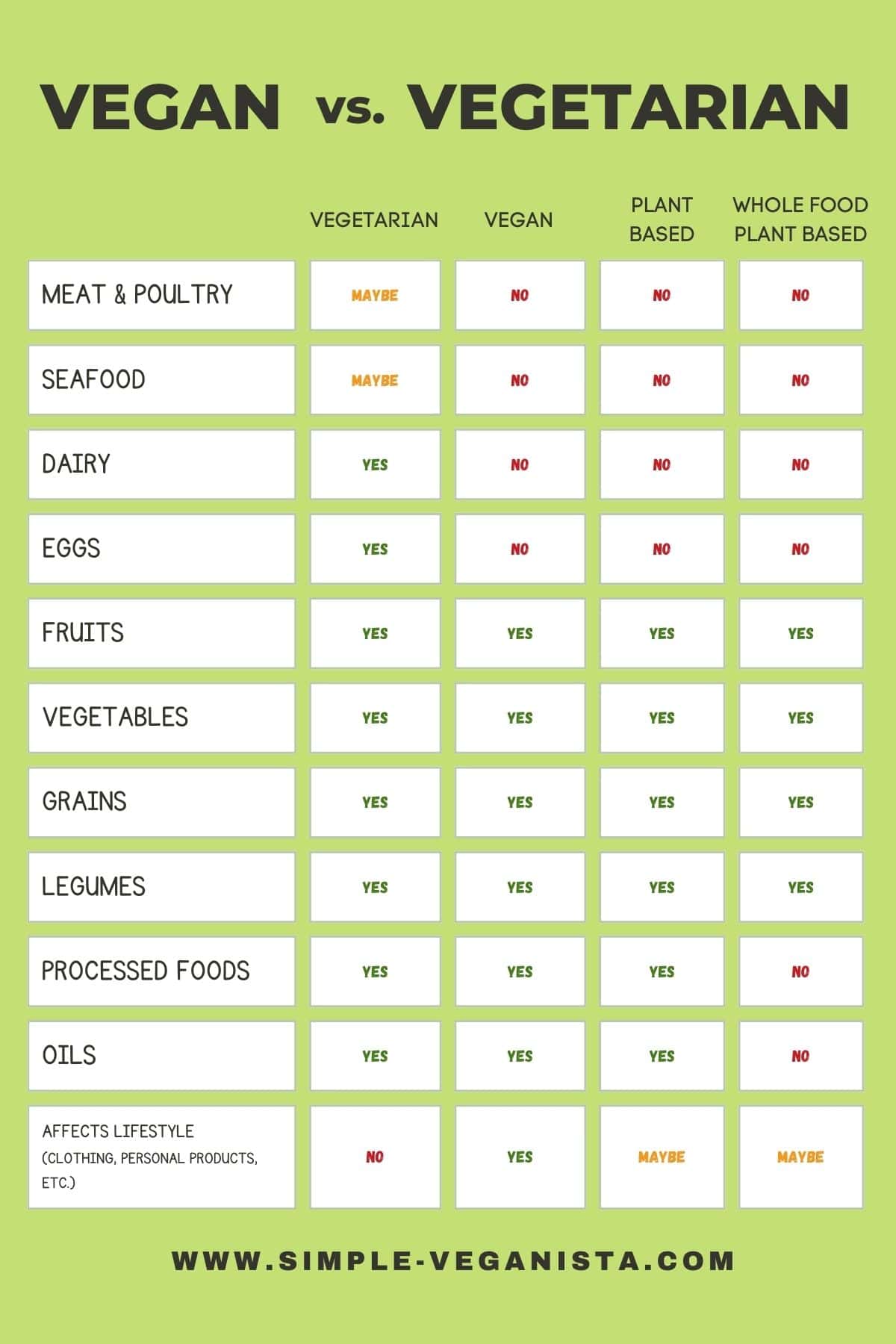
The baseline for any product categorized as vegan is the absence of animal products. This extends beyond the obvious (meat, dairy, eggs, honey) to include often-overlooked additives such as gelatin, shellac, carmine, and certain derivatives of lanolin or casein. For companies operating in sectors like food and beverage or cosmetics, the technical verification of these ingredients is a baseline requirement. Strategic brands go a step further by implementing rigorous internal audits that trace the origin of every raw material to ensure no animal exploitation occurred at any point in the upstream production cycle.
The Ethical Brand Promise
Beyond the technical ingredient list, the “vegan” label serves as a brand promise. Today’s consumers view the vegan designation as a proxy for sustainability. Brands that successfully position themselves within this niche do so by aligning their corporate identity with the broader values of the plant-based movement. This creates a cohesive narrative: the brand is not merely selling a product, but championing a lifestyle that is perceived as more efficient, healthier, and kinder to the planet. For a brand to be genuinely vegan, this ethos must be reflected in its advertising, its corporate social responsibility (CSR) initiatives, and its long-term growth strategy.
Building a Vegan Brand Identity: Trust Through Transparency
In a saturated marketplace, the authenticity of a brand’s vegan status is its most valuable asset. When a company claims to be vegan, it invites intense scrutiny from a community that is deeply invested in research and advocacy. Therefore, brand strategy must shift from simple labeling to radical transparency.
Certifications as Competitive Advantages
While self-declaration is common, third-party certifications—such as the Certified Vegan logo from the Vegan Awareness Foundation or the Leaping Bunny certification—serve as vital trust signals. These seals function as shorthand for the consumer, reducing the “cognitive load” required to verify if a product meets their standards. Strategically, these certifications protect a brand from accusations of “greenwashing” or “vegan-washing.” They provide a protective barrier around the brand’s identity, signaling to stakeholders that the company has opened its doors to independent oversight.

Transparency in the Supply Chain
The modern consumer is increasingly interested in the “how” behind the “what.” A brand that is considered truly vegan is one that can verify its supply chain transparency. This involves communicating directly with consumers about the sourcing of ingredients. Is the palm oil sustainably sourced to prevent habitat destruction? Does the processing facility share the brand’s animal-welfare policies? Brands that proactively disclose this information differentiate themselves from competitors who merely slap a “vegan” sticker on their packaging to chase a trend. This transparency builds a community around the brand, turning passive customers into vocal, loyal brand advocates.
Navigating the Challenges of Positioning and Scaling
Positioning a brand as vegan comes with unique challenges, particularly regarding market entry and the perception of quality. Historically, vegan products faced a stigma of being inferior in quality or taste. Contemporary brand strategy focuses on dismantling these outdated notions through superior design and high-performance marketing.
The “Inclusive” Vegan Narrative
A major strategic error many brands make is positioning veganism as an “exclusionary” club. Instead, the most successful brands adopt an “inclusive” strategy, framing the vegan choice as a superior option for everyone, regardless of their personal dietary habits. By focusing on quality, innovation, and design, a brand can reach the “flexitarian” market—consumers who are not strictly vegan but who choose plant-based products for health or environmental reasons. This expands the total addressable market significantly without diluting the brand’s core vegan identity.
Communicating Value Beyond the Label
To build a sustainable corporate identity, a brand must articulate the value of its products beyond the fact that they are animal-free. The focus must be on the benefits—the cleaner ingredient profiles, the innovative technology behind the textures, and the positive environmental impact. When a brand highlights these aspects, it transitions from a niche provider to a lifestyle leader. This approach allows the brand to command a premium price point, as consumers are willing to pay for the combination of quality, innovation, and ethical alignment.
The Future of the Vegan Market and Corporate Responsibility
The definition of “what is considered vegan” is evolving in lockstep with technological and social advancements. As we look to the future, brands must prepare for a more sophisticated landscape where “vegan” is the baseline for innovation rather than the end goal.
Technological Integration and Innovation
The rise of cellular agriculture and precision fermentation is changing the production landscape. Brands that invest in these technologies are redefining the traditional boundaries of the sector. The strategic challenge lies in how these companies communicate the nuances of these technologies to the consumer. A brand that stays ahead of the curve by investing in R&D to create lab-grown or fermentation-based products will need to develop a brand narrative that bridges the gap between “natural” and “technological,” ensuring that the vegan community feels represented and included in the scientific progress.
Maintaining Integrity in a Growing Market
As “vegan” moves from a fringe movement to a mainstream consumer expectation, the risk of corporate dilution is higher than ever. Large conglomerates often acquire vegan startups, which can lead to backlash if the parent company does not maintain the brand’s original standards. For an acquired brand, protecting its vegan integrity is a matter of strategic survival. It requires establishing strict operational guardrails and ensuring that the brand’s marketing team remains independent enough to communicate its values authentically to its existing, highly discerning audience.
In conclusion, “what is considered vegan” is defined by more than just an ingredient list; it is defined by the integrity of the brand’s mission and its willingness to hold itself to the highest standards of transparency. As the market continues to mature, brands that treat veganism as a core pillar of their identity—rather than a marketing tactic—will be the ones that succeed. By aligning product development, supply chain ethics, and brand narrative, companies can build a lasting, profitable, and ethically sound enterprise that meets the demands of the modern, conscious consumer.
aViewFromTheCave is a participant in the Amazon Services LLC Associates Program, an affiliate advertising program designed to provide a means for sites to earn advertising fees by advertising and linking to Amazon.com. Amazon, the Amazon logo, AmazonSupply, and the AmazonSupply logo are trademarks of Amazon.com, Inc. or its affiliates. As an Amazon Associate we earn affiliate commissions from qualifying purchases.