
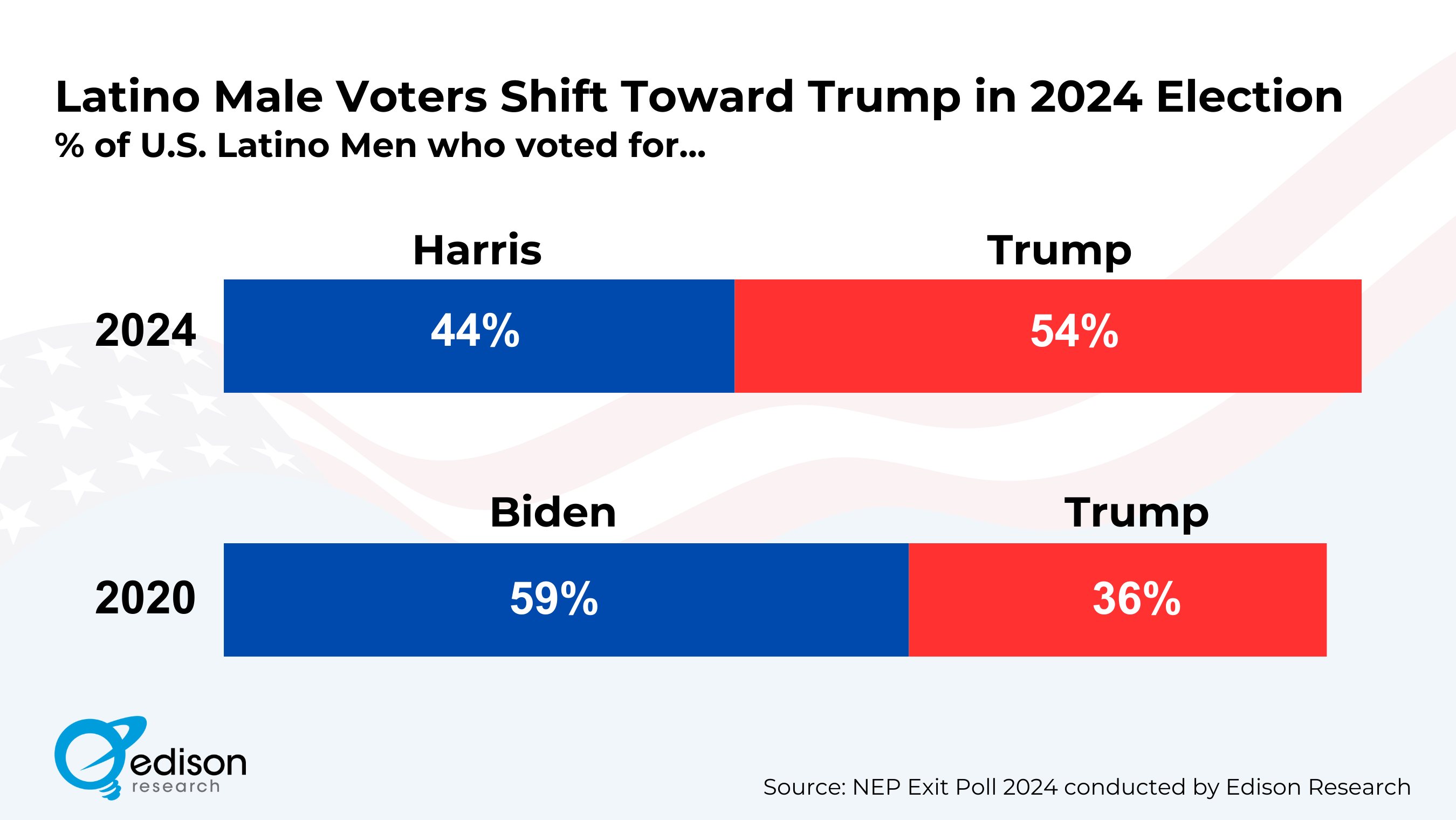
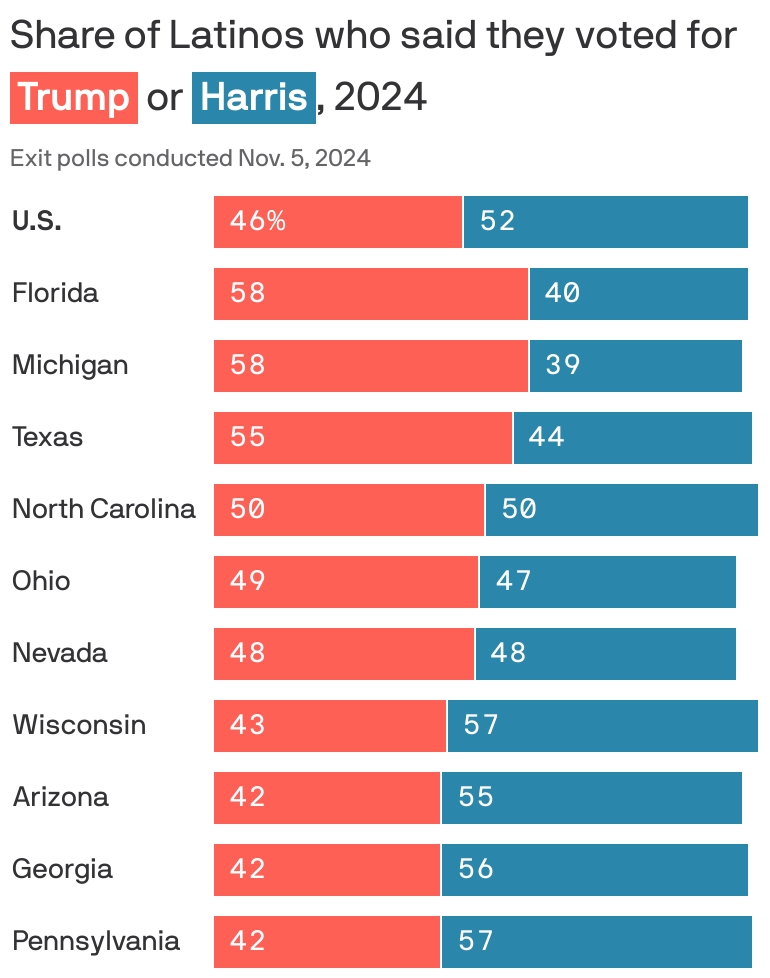
Understanding the shifts in the Latino vote requires a deep dive into the financial motivations and economic realities of one of the fastest-growing demographic groups in the United States. While political commentary often focuses on social issues, the data suggests that the percentage of Latinos voting Republican is increasingly tied to personal finance, entrepreneurship, and wealth-building strategies. In recent election cycles, the Republican share of the Latino vote has seen a notable uptick, moving from approximately 28% in 2016 to upwards of 38% in 2020, with some 2022 midterm exit polls suggesting figures as high as 39% to 40% in specific battleground regions. To understand this movement, we must look at it through the lens of the “Latino GDP” and the fiscal priorities of a community that is rapidly transforming the American economic landscape.
The Fiscal Catalyst: Why Economic Indicators Drive Political Realignment
For many Latino voters, the decision at the ballot box is a direct reflection of their balance sheet. The community’s economic contribution is staggering; if the U.S. Latino population were a standalone country, its GDP would be the fifth largest in the world, valued at approximately $3.2 trillion. This massive economic engine is fueled by high labor force participation and a culture of aggressive saving and reinvestment.
Purchasing Power and the Latino GDP
The growth of Latino purchasing power has outpaced that of non-Latino counterparts for nearly a decade. As individuals move into higher income brackets, their concerns naturally shift toward capital preservation and the mitigation of tax liabilities. The Republican platform, which traditionally emphasizes lower personal income taxes and the reduction of federal spending, resonates with households that are transitioning from subsistence-level earnings to significant discretionary income. When a demographic experiences rapid upward mobility, the protection of that new wealth becomes a primary political driver.
Inflation as a Decisive Financial Metric
In recent fiscal quarters, inflation has served as a primary “pocketbook issue” that has pushed a higher percentage of Latinos toward the Republican column. Because Latino households tend to be larger and have a higher proportion of income spent on essential commodities—such as groceries, gasoline, and housing—inflationary pressures are felt more acutely. When the cost of living increases, it directly erodes the gains made in real wages. The perception of the Republican party as the party of fiscal restraint and energy independence appeals to voters who view federal “overspending” as the root cause of their diminishing purchasing power.
The Entrepreneurial Engine: Small Business Interests and Tax Policy
One of the most significant reasons for the increasing percentage of Latinos voting Republican is the community’s unrivaled rate of entrepreneurship. Latinos start businesses at a rate three times faster than the general population. This “founder mindset” fundamentally alters how a voter views government intervention, regulation, and corporate taxation.
Deregulation and the Latino Startup Boom
For a small business owner in East Los Angeles, Miami, or Houston, the “hidden tax” of government regulation is a tangible barrier to growth. Latino entrepreneurs often operate in sectors like construction, logistics, food service, and retail—industries that are heavily impacted by licensing requirements and labor mandates. The Republican emphasis on deregulation and “cutting red tape” is not just an abstract philosophy; it is a business strategy that allows these owners to keep more of their revenue and reinvest it into scaling their operations. This alignment between business finance and political ideology is a cornerstone of the GOP’s growing appeal.
Corporate Tax Structures and Capital Access

The ability to access capital is the lifeblood of any growing enterprise. Many Latino business owners view high corporate tax rates as a deterrent to the accumulation of the retained earnings necessary for expansion. By advocating for tax structures that favor “pass-through” entities and provide incentives for capital investment, the Republican party positions itself as the partner of the Latino business class. As these businesses grow from “mom-and-pop” shops into mid-sized enterprises, the owners often find that their interests align more closely with supply-side economics than with redistributive fiscal policies.
Wealth Accumulation and the Rise of the Latino Investor Class
We are currently witnessing a historic shift in how Latino households manage their assets. The community is moving away from a “cash-under-the-mattress” philosophy toward sophisticated market participation. This evolution into an “investor class” has profound implications for political alignment.
From Savings to Equities: Shifting Asset Allocation
Data from the Federal Reserve shows a steady increase in the percentage of Latino households that own stocks, either directly or through retirement accounts like 401(k)s and IRAs. As more Latinos become stakeholders in the American equity markets, they become more sensitive to policies that impact market volatility and corporate profitability. A “pro-market” stance, which is a hallmark of the Republican economic platform, becomes increasingly attractive to a voter whose retirement security is tied to the performance of the S&P 500. The shift in the vote reflects a shift from being a “laborer” to being an “owner.”
Real Estate and Home Equity as Political Anchors
Homeownership remains the primary vehicle for wealth creation in the Latino community. Hispanic homeownership rates have risen for eight consecutive years, reaching nearly 49%. For these homeowners, property taxes, interest rates, and housing supply regulations are the most critical political issues. The Republican focus on local control and the reduction of property-related taxes appeals to those whose primary net worth is tied up in home equity. Furthermore, the desire for stable neighborhoods and the protection of property values often leads to a preference for the “law and order” messaging that frequently accompanies Republican fiscal platforms.
The Future of Latino Wealth and its Political Implications
As we look toward future election cycles, the percentage of Latinos voting Republican is likely to be dictated by the “wealth gap” and the success of intergenerational wealth transfers. The financial maturity of the community is no longer an outlier; it is a central pillar of the American economy.
Intergenerational Wealth Transfers
The current generation of Latino professionals is the first to experience large-scale wealth transfer from their entrepreneurial parents. This “Great Wealth Transfer” within the Hispanic community is creating a class of young, affluent voters who are highly focused on estate planning, gift taxes, and the long-term management of family offices. These are traditionally Republican-leaning financial concerns. If the GOP can successfully frame its platform as the protector of the “family legacy,” it will likely see its share of the Latino vote continue to climb among the younger, high-net-worth segment of the population.
FinTech Adoption and Democratized Access to Capital
The rapid adoption of financial technology (FinTech) among Latinos is also playing a role in political shifts. Apps that facilitate micro-investing, cryptocurrency trading, and peer-to-peer lending have democratized access to the financial markets for a demographic that was previously underbanked. This digital financial independence fosters a sense of self-reliance and skepticism toward centralized government control. The Republican party’s general support for the burgeoning crypto industry and its opposition to heavy-handed FinTech regulation align with the values of a new generation of Latino “digital nomads” and tech-savvy investors.
In conclusion, the question of what percentage of Latinos vote Republican cannot be answered by looking at social or cultural factors alone. The movement is largely a financial phenomenon. As Latinos continue to dominate the small business sector, accumulate market-based wealth, and prioritize homeownership, their voting patterns are increasingly resembling those of other upwardly mobile, economically focused constituencies. The “Money Vote” is the real story behind the shifting percentages, and as long as the Republican party remains the primary advocate for lower taxes, deregulation, and market-driven growth, its share of this vital demographic is poised for continued expansion. The Latino voter is no longer a monolith, but a sophisticated economic actor making calculated decisions to protect their financial future.
aViewFromTheCave is a participant in the Amazon Services LLC Associates Program, an affiliate advertising program designed to provide a means for sites to earn advertising fees by advertising and linking to Amazon.com. Amazon, the Amazon logo, AmazonSupply, and the AmazonSupply logo are trademarks of Amazon.com, Inc. or its affiliates. As an Amazon Associate we earn affiliate commissions from qualifying purchases.