
In the complex landscape of retail branding and apparel manufacturing, terminology serves as a bridge between a company’s product line and its target consumer. One of the most enduring yet frequently misunderstood terms in this lexicon is “husky size.” While the average consumer may view it simply as a measurement category, for brand strategists and corporate marketers, the term represents a specific market segmentation strategy designed to address a physical need while maintaining a positive brand image.
Understanding what husky size means from a branding perspective requires a deep dive into how companies categorize human bodies, how they use linguistic cues to foster brand loyalty, and how the evolution of inclusivity is reshaping the way these products are marketed in a modern digital economy.
The Strategic Origin of “Husky” in Brand Nomenclature
The term “husky” emerged in the mid-20th century as a primary example of “euphemistic branding.” As the ready-to-wear clothing industry began to standardize its sizing models, brands faced a marketing challenge: how to cater to children and young men who did not fit into the “slim” or “regular” molds without using language that felt clinical or pejorative.
The Linguistics of Brand Perception
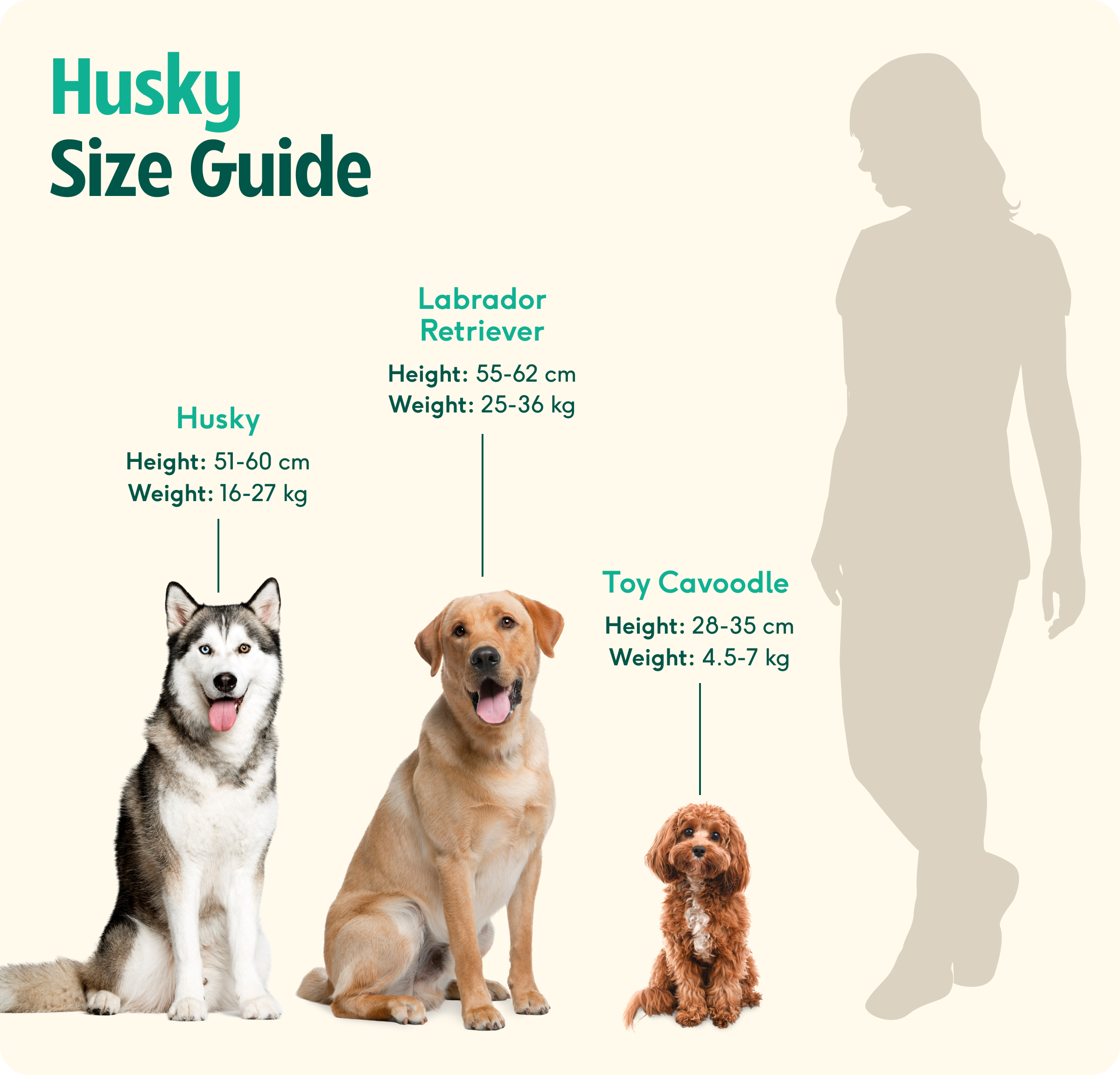
From a brand strategy standpoint, “husky” was a masterclass in positive reinforcement. Unlike “overweight” or “large,” the word “husky” evokes imagery of strength, ruggedness, and the Arctic sled dog—a symbol of endurance and power. By adopting this term, heritage brands like Sears, JC Penney, and Levi’s were able to create a niche that felt specialized rather than corrective.
This linguistic choice is a critical component of brand identity. It allows a company to signal to the parents of children (the primary purchasers) that their product is designed for a “sturdy” or “strong” build. This reduces the friction of the purchase and helps build an emotional connection with the brand that values the child’s comfort and confidence.
Standardizing the Niche
In technical brand documentation, “husky size” typically refers to clothing designed for boys and young men who require more room in the waist, hips, and thighs without adding unnecessary length to the sleeves or pant legs. For a brand, this means creating a separate set of patterns—distinct from “regular” or “slim” lines—that prioritize a broader silhouette.
Strategically, this allows a brand to dominate a specific market segment. By offering a “Husky” line, a retailer positions itself as a comprehensive solution provider, ensuring that as a customer’s body changes, their loyalty to the brand does not have to.
Market Segmentation and the Psychology of Sizing Labels
For a brand to be successful, it must understand the psychological impact of its labeling. Sizing is not just about inches and centimeters; it is about how a customer feels when they see a label. In the context of “husky” sizing, the branding strategy is centered on inclusivity through specialized engineering.
Target Demographics: The Decision Makers vs. The End Users
In the “husky” segment, brands must navigate a dual-audience marketing strategy. The end-user is often a child or teenager, but the decision-maker is the parent. The brand must communicate two different value propositions:
- To the Parent: Durability, proper fit, and the elimination of the frustration associated with clothes that are too tight or too long.
- To the Child: Style parity. The “husky” version of a pair of jeans must look identical to the “regular” version so the child does not feel excluded from social trends.
Successful brand strategy in this space ensures that the “husky” label is discreetly placed. The goal is to provide a “problem-solving” product without making the product feel like a “specialty item” that stands apart from the rest of the collection.
The Impact of Labels on Brand Loyalty
When a brand successfully identifies a niche like husky sizing, it often captures a customer for life. This is known as “sticky branding.” If a young consumer finds that a specific brand’s husky fit is the only one that feels comfortable and looks trendy, they develop a deep-seated trust in that brand’s understanding of their body. As they transition into adulthood, they are more likely to seek out that same brand’s “Big & Tall” or “Athletic Fit” offerings.
Operational Implementation: How Brands Design for Husky Segments
Beyond the marketing and the name, the “meaning” of husky size in a corporate strategy context involves a significant investment in product development and supply chain management. It is a commitment to a specific type of garment engineering.
Technical Design vs. Standard Scaling
In many low-cost garment brands, sizing is increased through a process called “grade rules,” where every dimension of a garment is increased proportionally. However, a premium brand strategy involves “non-proportional scaling.”
A husky-sized garment requires a shorter rise in trousers and specific adjustments to shoulder widths in shirts to ensure the garment doesn’t look oversized. Brands that invest in these specialized blocks (the master patterns) differentiate themselves through “fit-tech.” This technical superiority becomes a core pillar of the brand’s value proposition, allowing them to charge a premium for a better-engineered product.
Supply Chain and Inventory Strategy
Offering a husky range introduces complexity into a brand’s inventory. It increases the Number of Stock Keeping Units (SKUs), which can complicate logistics.
- The “All-Inclusive” Brand: Some brands choose to carry husky sizes in every physical store to signal a commitment to inclusivity.
- The “Digital-First” Niche: Other brands move their husky and specialty sizing to online-only models. This allows them to maintain a broad brand identity in-store while capturing the niche market through targeted SEO and digital marketing.
By analyzing data on where husky sizes are most frequently purchased, brands can optimize their regional distribution, proving that “husky size” is as much a data point as it is a fashion category.
The Shift Toward Inclusivity: Is “Husky” Still a Viable Brand Asset?
As we move further into the 21st century, the branding landscape is shifting. The term “husky,” while nostalgic for some, is being scrutinized under the lens of modern inclusivity and body positivity. Brand managers are now asking whether the term should be retired in favor of more modern descriptors.
Modern Rebranding and “Relaxed Fit”
Many contemporary brands are moving away from “husky” in favor of “relaxed fit,” “athletic fit,” or “comfort fit.” This transition reflects a change in brand strategy that seeks to de-gender and de-age the concept of specialized sizing.
- Case Study: The Rise of “Athletic Fit”: Brands like Bonobos and Levi’s have found immense success branding larger thigh and seat measurements as “Athletic Fit.” This pivots the brand narrative from “needing more space” to “having a muscular build,” which carries a higher social currency in today’s fitness-focused culture.
The Rise of Universal Design
The ultimate goal for many modern brands is to move toward “universal design,” where the distinction between “regular” and “specialty” sizes disappears entirely. In this model, the brand identity is built on the idea that “we fit everyone,” rather than “we have a special section for you.”
However, “husky” remains a powerful SEO keyword. For brands operating in the e-commerce space, the term is still a vital bridge. Thousands of parents search for “husky school uniforms” or “husky jeans” every month. To abandon the term entirely would be to cede that organic search traffic to competitors. Thus, many brands maintain “husky” as a backend meta-tag or a secondary category while using more modern language in their primary marketing headers.
Conclusion: The Strategic Value of Specialized Sizing
What does husky size mean? In the world of brand strategy, it means a calculated decision to serve a specific demographic with tailored products and specialized language. It represents an era of branding that sought to provide solutions through positive reinforcement and distinct categorization.
Whether a brand chooses to stick with the heritage “husky” label or transition to modern “athletic” or “inclusive” terminology, the underlying business logic remains the same: the most successful brands are those that understand the physical and emotional needs of their customers. By mastering the husky niche, brands demonstrate that they don’t just sell clothes—they sell confidence, comfort, and a sense of belonging in a world where one size rarely fits all.
For the modern brand strategist, the “husky” category is a reminder that every inch of a garment is an opportunity to build a relationship with a consumer. It is a testament to the power of niche marketing and the enduring importance of fit in the identity of an apparel brand.
aViewFromTheCave is a participant in the Amazon Services LLC Associates Program, an affiliate advertising program designed to provide a means for sites to earn advertising fees by advertising and linking to Amazon.com. Amazon, the Amazon logo, AmazonSupply, and the AmazonSupply logo are trademarks of Amazon.com, Inc. or its affiliates. As an Amazon Associate we earn affiliate commissions from qualifying purchases.