
In the hyper-competitive landscape of global marketing, brands are no longer just selling products; they are selling ideologies, lifestyles, and spiritual aspirations. Among the most potent symbols adopted by the modern wellness economy is the Sanskrit term “Namaste.” While its roots lie deep within the ancient traditions of the Indian subcontinent, its transition into a cornerstone of Western brand strategy offers a masterclass in how language, culture, and commerce intersect. To understand the meaning of Namaste within the context of branding is to understand the power of semiotics—the study of signs and symbols—and how a single word can anchor a multi-billion dollar corporate identity.
The Etymology of Brand Resonance: From Greeting to Global Symbol
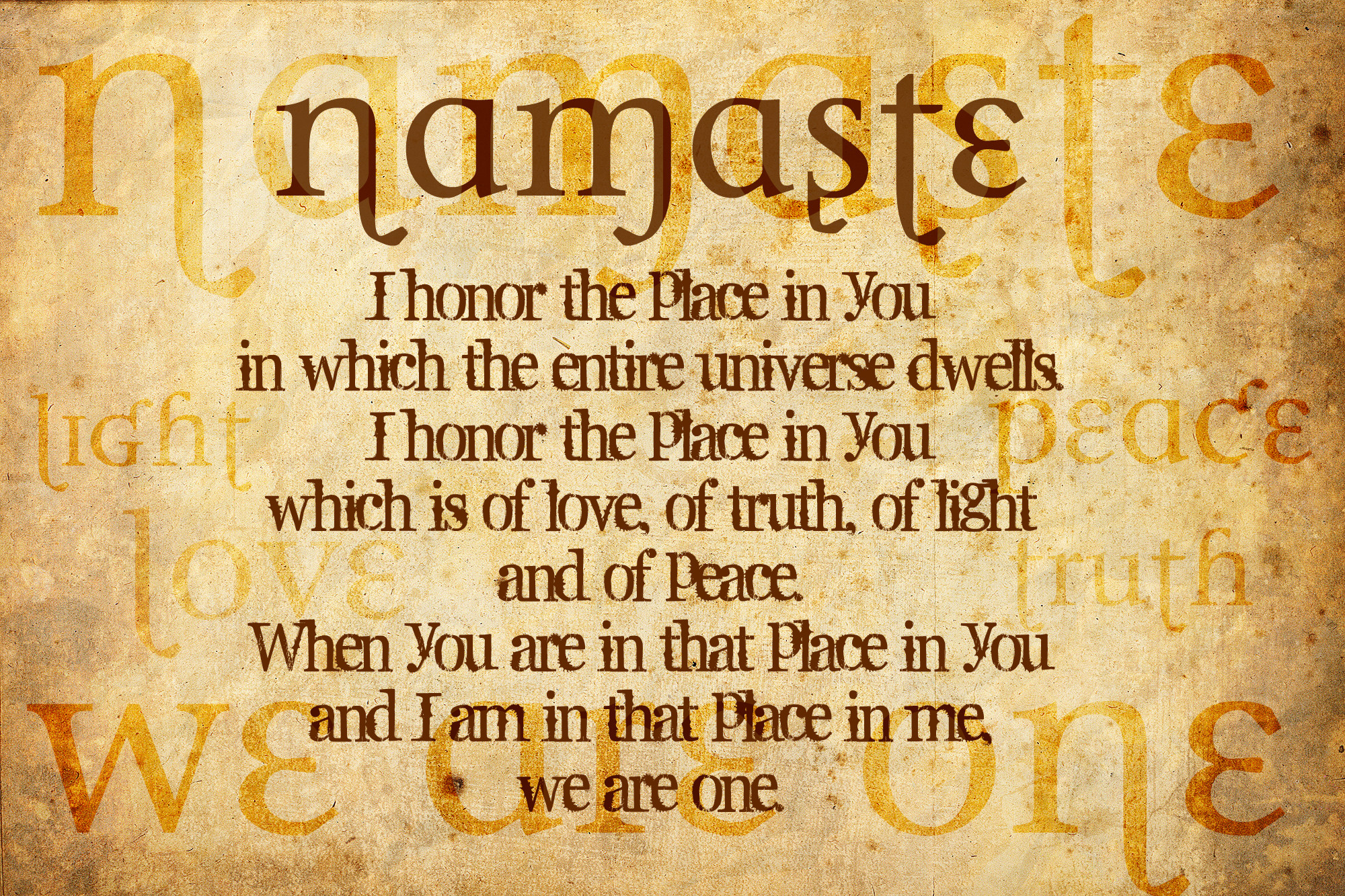
At its literal core, the Sanskrit word Namaste is a combination of two parts: “namas,” meaning “bow” or “obeisance,” and the enclitic pronoun “te,” meaning “to you.” Philosophically, it conveys a profound sense of mutual respect, often interpreted as “the divine in me bows to the divine in you.” From a brand strategy perspective, this is a goldmine of emotional resonance.
In an era where consumers are increasingly cynical about corporate motives, the “Namaste ethos” provides a framework for what marketers call B2H (Business-to-Human) engagement. When a brand adopts the spirit of Namaste, it is signaling a shift from a transactional relationship to a transformational one. It suggests that the brand views the customer not as a data point or a revenue source, but as a fellow traveler on a path toward wellness or enlightenment.
This transition from a traditional greeting to a brand pillar began in the late 20th century as the yoga and mindfulness movement took root in the West. Brands recognized that “Namaste” served as a “verbal logo”—a shorthand for a specific set of values including peace, authenticity, and interconnectedness. By integrating this term into their messaging, companies like Lululemon, Gaia, and thousands of independent boutique studios have been able to build high levels of brand equity based on perceived spiritual alignment.
The Semiotics of the “Namaste” Brand
In design and corporate identity, “Namaste” often moves beyond the written word. It is frequently accompanied by the Anjali Mudra—the pressing of the palms together at the heart center. This visual cue has become a universal icon for the wellness industry. Brand managers use this imagery to evoke an immediate psychological response: calm, focus, and trust. For a startup in the wellness space, utilizing this specific semiotic cluster can drastically reduce the “trust gap” with new customers, as it leverages thousands of years of cultural weight to establish instant credibility.
Namaste as a Lifestyle Brand Pillar: The Commercialization of Calm
The meaning of Namaste in the modern marketplace is inextricably linked to the “athleisure” and “mindful living” sectors. For these brands, Namaste is not just a word; it is a strategic anchor that informs everything from product design to customer service protocols.
Cultivating the “Namaste” Customer Experience
Brand strategy today is less about the “what” and more about the “how.” A company that centers its identity on the concept of Namaste must ensure that every touchpoint reflects a “bowing” to the customer’s needs. This has led to the rise of conscious consumerism, where the internal corporate culture must mirror the external marketing.
For instance, a brand that sells “Namaste” on a t-shirt but employs unethical labor practices faces a devastating “authenticity gap.” In the digital age, where brand transparency is non-negotiable, the meaning of Namaste has evolved into a mandate for corporate social responsibility (CSR). To say “Namaste” as a brand is to promise that the organization respects the humanity of its workers, its suppliers, and its environment.
Naming Conventions and Product Identity
We see the influence of this term in the naming of products and sub-brands. From “Namast’ay in Bed” apparel lines to “Namaste” meditation apps, the word acts as a category signifier. It tells the consumer exactly which “tribe” the product belongs to. In terms of brand architecture, using Sanskrit-derived terminology allows companies to segment their offerings into “standard” and “premium/spiritual” tiers, often commanding a price premium for the latter because it offers perceived emotional and spiritual utility beyond the physical product.

The Ethics of Identity: Appropriation vs. Appreciation in Branding
One of the most critical challenges in contemporary brand strategy is navigating the fine line between cultural appreciation and cultural appropriation. As “Namaste” became a ubiquitous marketing tool, it also became a flashpoint for discussions regarding the commodification of sacred traditions.
The Risk of Brand Dilution
When a term as significant as Namaste is used as a pun or a decorative element on a yoga mat, it runs the risk of “semantic bleaching”—the process where a word loses its original, powerful meaning through overexposure and trivialization. For brand managers, this presents a strategic risk. If a brand is perceived as “hollowing out” a culture for profit, it risks alienating the very audience it seeks to attract: the culturally conscious millennial and Gen Z demographics.
To avoid this, savvy brand strategists are moving toward “Deep Branding.” This involves:
- Cultural Consultation: Engaging with the origins of the term and ensuring the brand supports the communities from which the language originates.
- Contextual Accuracy: Using the term in ways that honor its history rather than just using it as a trendy buzzword.
- Narrative Integration: Building a brand story that explains why the concept of Namaste is central to the company’s mission, rather than just slapping it on a label.
Case Study: The “Namaste” Rebrand
Consider a hypothetical wellness startup that initially used “Namaste” as its primary name. As the brand grew, it faced criticism for being generic and culturally insensitive. A strategic pivot involved shifting the name to a brand story that emphasized “The Connection Point,” while still using the philosophy of Namaste in its internal training. This allowed the brand to retain the value of the concept while building a unique, defensible corporate identity that avoided the pitfalls of generic cultural labeling.
Strategy for Conscious Branding: Integrating Philosophy into Design
For designers and marketing directors, the meaning of Namaste offers a template for how to integrate high-concept philosophical terms into a cohesive visual and verbal identity.
Visual Identity and Typography
When a brand decides to lean into an Eastern-inspired identity, the design choices must be deliberate. We often see “Namaste” styled in soft, organic shapes, earth tones, and minimalist sans-serif fonts that evoke a sense of modern zen. Alternatively, some brands use “Devenagari-style” fonts—Western characters designed to look like Sanskrit script. However, modern brand strategy often discourages this “mimicry” in favor of clean, authentic design that honors the spirit of the word without resorting to aesthetic stereotypes.
Tone of Voice (ToV)
The “Namaste” brand voice is characterized by empathy, inclusivity, and gentleness. It avoids the aggressive, “scarcity-based” marketing tactics of the past. Instead, it uses “abundance-based” messaging. The strategy is to speak to the consumer as an equal. This shift in tone of voice is essential for brands in the mental health, organic food, and sustainable fashion spaces. If the visual says “Namaste” but the copy says “Buy now or miss out!”, the brand identity collapses.

The Future of Meaning-Based Branding
As we look toward the future of brand strategy, the trajectory of “Namaste” serves as a blueprint for how other philosophical concepts—such as Ubuntu, Ikigai, or Lagom—might be integrated into global commerce. The brands that will succeed are those that do not just use these words as slogans, but as foundational principles for their business models.
The meaning of Namaste in branding has transitioned from a niche trend to a standard for human-centric corporate identity. It represents the ultimate goal of modern marketing: to create a brand that doesn’t just occupy a space in the market, but a space in the heart and mind of the consumer. By acknowledging the “divine” or the “essential” within the customer, a brand creates a bond that is far more resilient than one built on price or features alone.
In conclusion, “Namaste” is a testament to the power of language in shaping brand perception. When handled with care, respect, and strategic depth, it allows a brand to transcend the commercial and touch the communal. For the modern brand strategist, the lesson is clear: the most valuable asset a company can own is not a trademark, but a shared meaning.
aViewFromTheCave is a participant in the Amazon Services LLC Associates Program, an affiliate advertising program designed to provide a means for sites to earn advertising fees by advertising and linking to Amazon.com. Amazon, the Amazon logo, AmazonSupply, and the AmazonSupply logo are trademarks of Amazon.com, Inc. or its affiliates. As an Amazon Associate we earn affiliate commissions from qualifying purchases.