
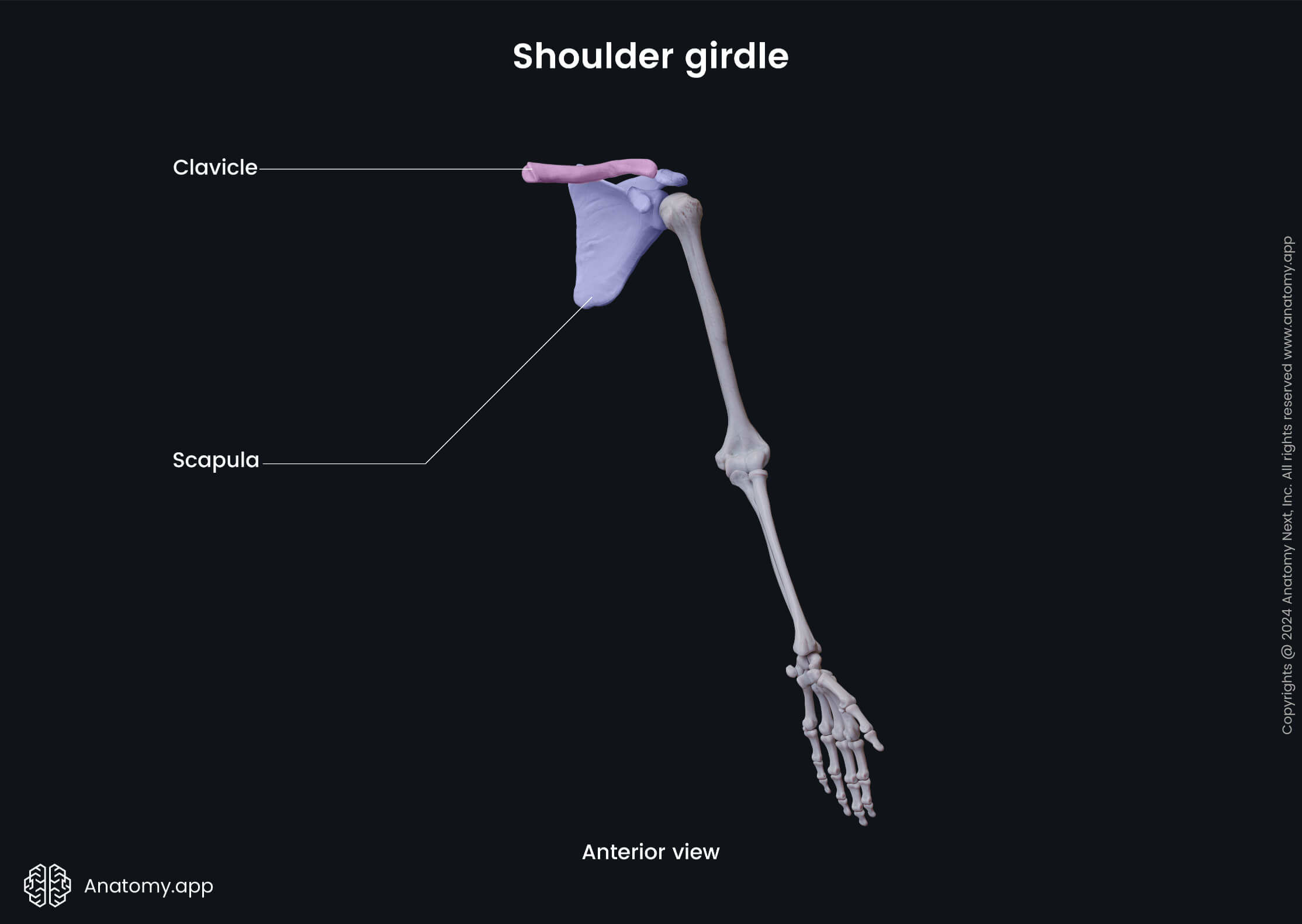
In the traditional medical lexicon, the term “upper extremity” refers to the region of the human body extending from the deltoid region to the hand, including the arm, axilla, and shoulder. However, as we move deeper into the third decade of the 21st century, the definition of the upper extremity is undergoing a radical transformation. In the world of technology, software engineering, and robotics, the upper extremity is no longer viewed merely as a biological appendage. It has become the primary interface through which humans interact with the digital universe. From the haptic feedback systems used in spatial computing to the sophisticated neural-linkages in bionic prosthetics, the “upper extremity” is now a focal point of high-tech innovation.
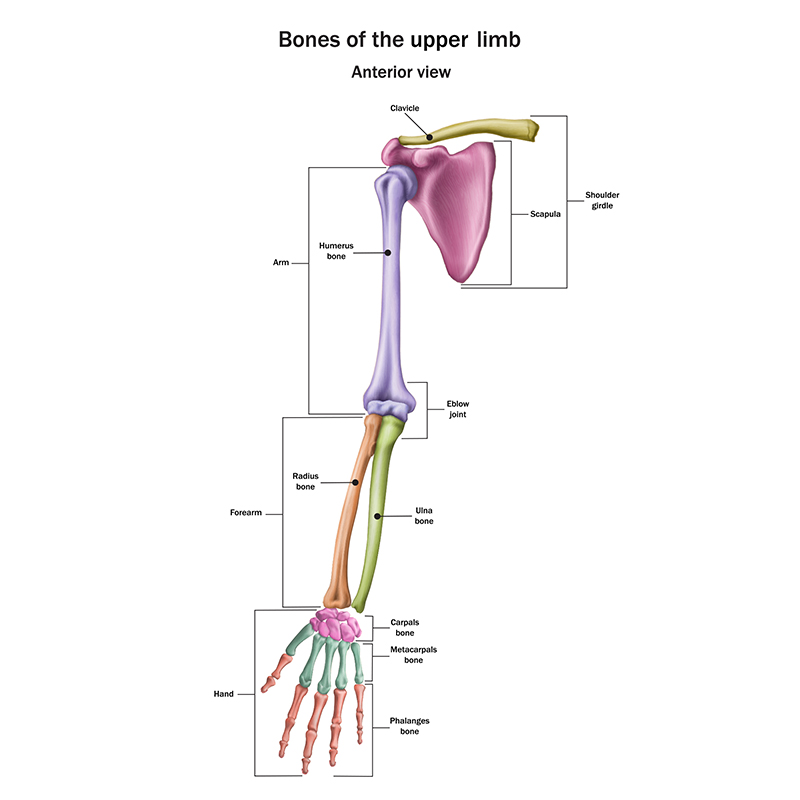
This technological evolution is redefining how we think about mobility, productivity, and digital security. As we bridge the gap between biological hardware and digital software, understanding the technological scope of the upper extremity is essential for grasping the future of human-computer interaction (HCI).
Redefining Anatomy: The Integration of Robotics and Upper Extremity Prosthetics
The most profound technological advancements in the realm of the upper extremity are found in the field of bionics. For decades, prosthetic limbs were passive tools—static replacements that offered limited functionality. Today, the upper extremity is a playground for advanced AI, sensor arrays, and precision engineering.
The Shift from Mechanical to Myoelectric Systems
Modern upper extremity technology relies heavily on myoelectric control. This involves the use of sensors placed against the skin that detect the faint electrical signals generated by muscle contractions in the residual limb. The “tech” behind this is not just in the hardware, but in the sophisticated signal-processing algorithms that translate these electrical impulses into fluid, intentional movements.
Advanced software now utilizes machine learning to “learn” a user’s unique muscle patterns. Instead of a binary “open/close” function, these AI-driven systems allow for multi-axis rotation, individual finger control, and varying degrees of grip strength. This level of precision is making the artificial upper extremity nearly as capable as its biological counterpart.
Sensory Feedback and Haptic Integration
One of the greatest challenges in upper extremity technology has been the “closed-loop” problem. While a user can send a command to a robotic hand, the hand traditionally could not send information back to the brain. This is changing with the advent of haptic feedback technology.
By integrating pressure sensors into the fingertips of a prosthetic, engineers can now transmit data back to the user’s nervous system. This is achieved through peripheral nerve stimulation or vibrotactile feedback, allowing the user to “feel” the difference between a grape and a gemstone. This bidirectional flow of information is a hallmark of modern cybernetic tech, turning the upper extremity into a sophisticated data-gathering tool.
Wearable Technology and the Upper Extremity Ecosystem
Beyond prosthetics, the upper extremity is the primary site for the wearable technology revolution. While the “upper extremity” starts at the shoulder, the wrist and hand have become the most valuable real estate for digital hardware manufacturers.
Exoskeletons in Industrial and Medical Contexts
Technological “upper extremities” now include wearable robotic suits or exoskeletons. In industrial settings, companies like Sarcos and German Bionic are developing upper-body exoskeletons that augment human strength and endurance. These devices use complex actuators and AI-driven load-balancing software to allow workers to lift heavy objects with minimal strain.
In a medical context, upper extremity exoskeletons are being used for neurorehabilitation. For patients recovering from strokes or spinal cord injuries, these wearable robots provide guided movement therapy. The software tracks progress with millimeter precision, providing therapists with data-rich insights into the patient’s recovery trajectory, effectively turning the arm into a monitored digital device.
Spatial Computing and Gesture-Based Controls
With the rise of spatial computing platforms like the Apple Vision Pro and Meta Quest, the upper extremity has become the “mouse and keyboard” of the immersive web. These devices use high-resolution cameras and LiDAR to track the movement of the hands and fingers in three-dimensional space.
The software challenges here are immense. Developers must create “computer vision” models that can distinguish between a deliberate “click” gesture and a random hand movement. This “hand-tracking” technology represents a shift away from physical controllers toward a more natural, upper-extremity-focused UI. The arm and hand are now the primary input tools for the next generation of the internet, requiring high-speed data processing and low-latency software to feel intuitive.
Neural Interfaces and the Future of Upper Extremity Control
The “final frontier” for upper extremity technology lies in direct neural interfaces. If the goal is to make digital or robotic limbs indistinguishable from biological ones, the connection must move beyond skin-surface sensors and into the brain itself.
Brain-Computer Interfaces (BCI)
Companies like Neuralink and Synchron are currently testing brain-computer interfaces that allow individuals to control digital cursors or robotic arms using only their thoughts. In these systems, the “upper extremity” is bypassable; the intention to move an arm is captured by an implant in the motor cortex and translated into digital commands.
The software stack for BCI is perhaps the most complex in existence. It requires decoding the “noisy” electrical signals of the brain and mapping them to specific spatial coordinates. As these tools mature, we will see a future where the “upper extremity” is a modular concept—where a person could control a robotic third arm or a digital avatar’s limb as naturally as their own.
Osseointegration and Direct Neural Feedback
Another breakthrough in upper extremity tech is osseointegration—the process of surgically anchoring a prosthetic limb directly to the bone. When combined with implanted neural sensors, this creates a seamless link between the machine and the body.
From a technology perspective, this requires biocompatible hardware and high-endurance internal power sources. The software managing these systems must be incredibly robust, as it serves as the permanent operating system for a person’s physical mobility. This represents the ultimate convergence of biology and technology, where the upper extremity is literally upgraded through hardware.
Ergonomics and Digital Health: Protecting the Upper Extremity in a Tech-First World
As we spend more time using our upper extremities to interact with screens and keyboards, a different type of technology has emerged: the tech of preservation. Computer-Related Musculoskeletal Disorders (CRMSDs) are a significant concern in the tech industry, leading to a boom in ergonomic innovation.
AI-Driven Posture and Movement Correction
Modern software is now being used to protect the upper extremity from the rigors of digital work. AI applications can use a laptop’s webcam to monitor a user’s shoulder position and wrist angle, providing real-time alerts when the user is at risk of developing repetitive strain injuries (RSI).
Furthermore, the “hardware” of the upper extremity interface is being redesigned. Vertical mice, split keyboards, and programmable macro pads are all technological responses to the biological limitations of the human wrist and forearm. These tools are designed to align with the natural “neutral position” of the upper extremity, reducing the mechanical stress of prolonged computer use.
The Role of IoT in Occupational Health
In the enterprise sector, the Internet of Things (IoT) is being used to monitor the “health” of the upper extremity across entire workforces. Wearable sensors can track the frequency and intensity of movements in warehouse workers, using cloud-based analytics to identify high-risk tasks. This data-driven approach to ergonomics allows companies to redesign workflows, proving that the upper extremity is a critical node in the broader “connected” industrial ecosystem.
The Economic and Social Impact of Advanced Upper Extremity Tech
The transformation of the upper extremity from a biological limb to a high-tech interface has massive implications for the global economy and accessibility.
Democratizing Physical Ability
As the cost of bionic software and hardware begins to decrease—driven by 3D printing and open-source AI models—advanced upper extremity tech is becoming more accessible. Projects like the “Hero Arm” are utilizing 3D scanning and printing to create affordable, high-tech bionics for children and adults. This democratization is shifting the “upper extremity” from a luxury medical device to a standard technological right.

The New Workforce of Augmented Humans
In the coming years, the integration of upper extremity tech will likely create a new class of “augmented” workers. Whether it is a surgeon using robotic-assisted “arms” to perform remote surgery or a technician using haptic gloves to repair a satellite in orbit via telepresence, the technological extension of the upper extremity is expanding the boundaries of what humans can achieve.
The definition of “what is upper extremity” has clearly moved beyond the anatomy lab. It is now a multidisciplinary field encompassing AI, robotics, sensor fusion, and human-computer interaction. As we continue to develop these technologies, the line between where the human ends and the machine begins will continue to blur, centered around the incredible, versatile, and now high-tech region of the upper extremity.
aViewFromTheCave is a participant in the Amazon Services LLC Associates Program, an affiliate advertising program designed to provide a means for sites to earn advertising fees by advertising and linking to Amazon.com. Amazon, the Amazon logo, AmazonSupply, and the AmazonSupply logo are trademarks of Amazon.com, Inc. or its affiliates. As an Amazon Associate we earn affiliate commissions from qualifying purchases.