
In the rapidly evolving landscape of consumer electronics, the lifecycle of a device is no longer a linear path from the factory to the landfill. As hardware costs rise and the performance gap between successive generations of silicon narrows, a robust secondary market has emerged. Within this market, two terms dominate the conversation: “refurbished” and “renewed.” While often used interchangeably by casual shoppers, these terms carry distinct technical implications, varying standards of quality control, and different ecosystem-specific guarantees. Understanding these nuances is essential for tech enthusiasts, IT procurement professionals, and sustainability-conscious consumers who aim to maximize hardware value without compromising on performance or reliability.

The Anatomy of Refurbished Hardware: Engineering and Restoration
The term “refurbished” is the broader, more traditional designation in the technology sector. At its core, a refurbished device is a piece of hardware that was previously owned or used as a display model, returned to the manufacturer or a third-party refurbisher, and subsequently restored to a functional state. However, the technical rigor of this restoration can vary significantly depending on who is performing the work.
Manufacturer Refurbished (OEM) vs. Third-Party Refurbished
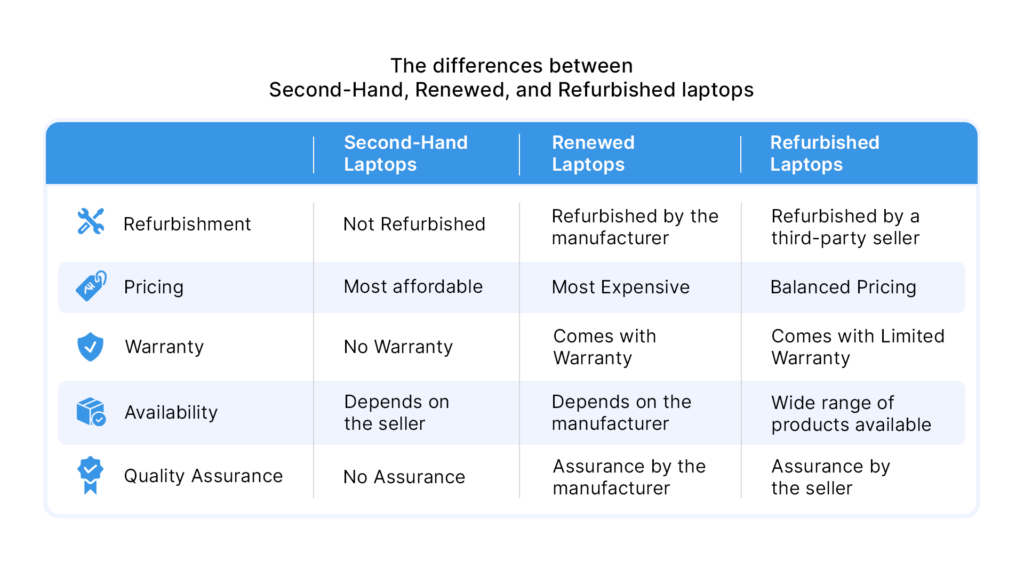
The “Gold Standard” in this category is the Original Equipment Manufacturer (OEM) refurbished status. Companies like Apple, Dell, and Microsoft have dedicated facilities where devices are stripped down and rebuilt. For instance, an OEM-refurbished laptop often receives a brand-new outer shell and a fresh battery, regardless of the condition of the original components. The internal logic board is subjected to the same diagnostic stress tests as a new unit, ensuring that the SoC (System on a Chip), RAM, and storage modules meet factory specifications.
Third-party refurbishers, ranging from large-scale industrial recyclers to boutique repair shops, operate differently. They typically focus on “functional restoration.” If a component is broken, it is replaced; if it works, it is cleaned. While many high-end third-party refurbishers use high-quality replacement parts, they may not always have access to the proprietary diagnostic tools or genuine components available to the OEM.
The Grading System: A, B, and C
To standardize the technical condition of refurbished goods, the industry uses a grading system.
- Grade A: These devices are near-mint. From a technical perspective, they show little to no cosmetic wear, and their internal components, such as the cooling system and screen backlight, show minimal signs of use.
- Grade B: These units are fully functional but may have minor scratches or “scuffs” on the chassis. In terms of hardware, they might have slightly higher battery cycle counts but remain well within operational parameters.
- Grade C: These are the “workhorses” of the refurbished world. They are functionally sound but may have significant cosmetic damage, such as dents or deep scratches. For a tech user who plans to keep a laptop docked and connected to external monitors, Grade C offers the best price-to-performance ratio.
The Rise of the “Renewed” Label: Platform-Specific Standards
The term “renewed” is a more recent addition to the tech lexicon, popularized primarily by major e-commerce platforms like Amazon. Unlike “refurbished,” which describes the physical process of repair, “renewed” is often a service-level agreement or a brand program that mandates specific quality thresholds.
Amazon Renewed and the Diagnostic Threshold
Amazon Renewed is the most prominent example of this niche. To list a product as “renewed,” sellers must adhere to a strict set of technical requirements. For example, any mobile device sold under this banner must have a battery capacity that exceeds 80% of its original “new” capacity. This is a critical technical benchmark, as lithium-ion batteries degrade over time, and a device with 50% capacity would be functionally useless for mobile professionals.
Furthermore, “renewed” products are typically inspected for “imperfections not visible from 12 inches away.” This focuses on the user experience and the aesthetic integration of the device into a professional environment. While “refurbished” is about the act of fixing, “renewed” is about the assurance of quality upon arrival.
The Ecosystem Guarantee
One of the primary differences between the two is the backing of the marketplace. A “refurbished” item might come with a 30-day warranty from a small vendor on an auction site. A “renewed” item, however, usually comes with a 90-day to one-year guarantee backed by the platform itself. In the tech world, this provides a safety net against “infant mortality” of hardware—the phenomenon where electronic components fail shortly after they are put into intensive use.
Performance Benchmarks and Hardware Longevity
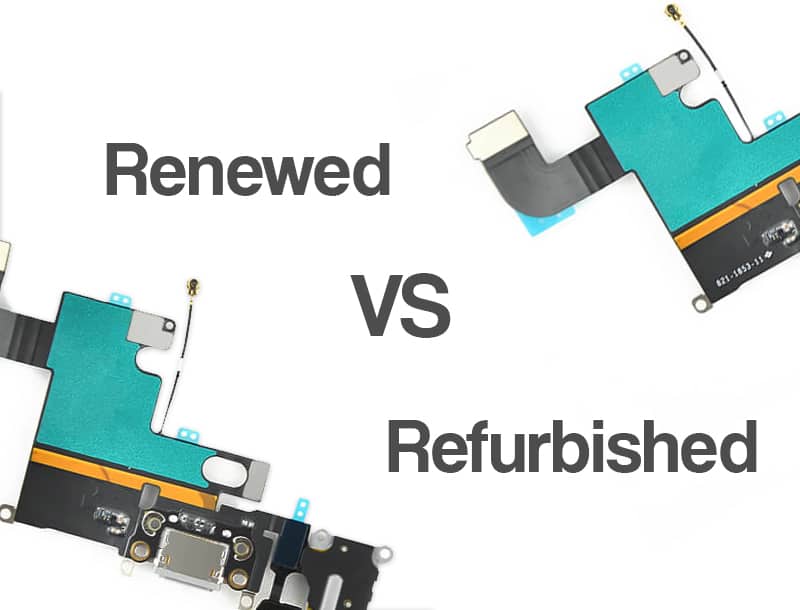
When choosing between refurbished and renewed tech, the primary concern is often the “thermal and mechanical health” of the device. High-performance gadgets, such as gaming laptops or workstations, are susceptible to thermal throttling if their cooling systems have been compromised by dust or the degradation of thermal paste.
Thermal Integrity and Component Wear
In a high-quality refurbishment, technicians will often re-apply thermal interface material (TIM) between the CPU/GPU and the heatsink. This is a critical step that is frequently overlooked in lower-tier “renewed” programs that focus only on cosmetic cleaning. A device that has been properly refurbished internally will maintain lower operating temperatures, which in turn extends the lifespan of the silicon and prevents performance drops during heavy workloads like video editing or compiling code.
Storage and Memory Reliability
The health of the SSD (Solid State Drive) is another technical differentiator. Professional refurbishers will check the SMART (Self-Monitoring, Analysis, and Reporting Technology) data of a drive to see its total “terabytes written” (TBW). If a drive is near its end-of-life, a reputable refurbisher will replace it. In the “renewed” market, the focus is often on the device’s immediate functionality, meaning a drive with high wear might still pass a basic diagnostic check. Users looking for long-term server or workstation use should prioritize refurbished units where the storage health has been explicitly verified.
Security and Software Integrity in Pre-Owned Tech
In the age of digital security threats, the software state of a pre-owned device is as important as its hardware state. Both refurbished and renewed devices must undergo a rigorous data sanitization process to ensure that no remnants of previous user data remain and that the operating system is “clean.”
Data Sanitization Standards
Professional refurbishers use standards such as NIST SP 800-88 or DoD 5220.22-M to perform a “Secure Erase” on storage media. This goes beyond a simple format; it involves overwriting the drive to ensure that data recovery is impossible. When purchasing a renewed device, the expectation is that the device has been factory reset, but the technical depth of that reset can vary. For security-conscious tech users, a refurbished device from a certified IT Asset Disposition (ITAD) provider often offers a higher degree of certainty regarding data destruction.
Firmware and BIOS Locks
A common pitfall in the secondary tech market is the “BIOS lock” or “Cloud lock” (such as Apple’s Activation Lock). A truly refurbished device has been checked at the firmware level to ensure that all administrative passwords and MDM (Mobile Device Management) profiles have been removed. Renewed programs typically have strict policies against selling locked devices, providing an extra layer of protection for the consumer. If a device is “renewed,” the platform has already vetted the seller’s ability to provide an unlocked, ready-to-provision machine.
Environmental Impact and the Future of the Tech Lifecycle
Beyond the technical and financial benefits, the choice between refurbished and renewed hardware plays a significant role in the circular tech economy. The production of a single laptop can require over 300 kg of CO2 emissions and the extraction of rare earth minerals. By extending the life of a device through refurbishment or renewal, the industry reduces e-waste and the demand for new resource extraction.
The Sustainability Quotient
Refurbished hardware often represents a more “industrial” approach to sustainability, taking enterprise-grade equipment that has reached the end of a corporate lease and prepping it for a second life in schools or small businesses. Renewed hardware, conversely, targets the consumer market, diverting relatively new “buyer’s remorse” returns from the waste stream back into the hands of users.
As we look toward the future, the distinction between these two categories may blur as “Right to Repair” legislation becomes more prevalent. If manufacturers are forced to provide parts and diagnostic software to the public, the quality of third-party refurbished and platform-renewed devices will likely reach parity with OEM-new hardware.
Conclusion: Making the Technical Choice
For the modern tech user, the decision hinges on the specific use case. If you require a high-performance workstation where thermal management and component-level health are paramount, a “Certified Refurbished” unit from the OEM is the superior choice. It offers the closest experience to a new product, backed by the engineers who designed it.
However, if you are looking for a consumer gadget—such as a smartphone, tablet, or mid-range laptop—for daily tasks, “Renewed” offers a compelling value proposition. It provides a standardized level of quality and a robust return policy that mitigates the risks traditionally associated with second-hand electronics. In either case, moving away from the “always new” cycle allows users to access higher-tier technology at a fraction of the cost, while supporting a more sustainable and technically efficient global hardware ecosystem.
aViewFromTheCave is a participant in the Amazon Services LLC Associates Program, an affiliate advertising program designed to provide a means for sites to earn advertising fees by advertising and linking to Amazon.com. Amazon, the Amazon logo, AmazonSupply, and the AmazonSupply logo are trademarks of Amazon.com, Inc. or its affiliates. As an Amazon Associate we earn affiliate commissions from qualifying purchases.