
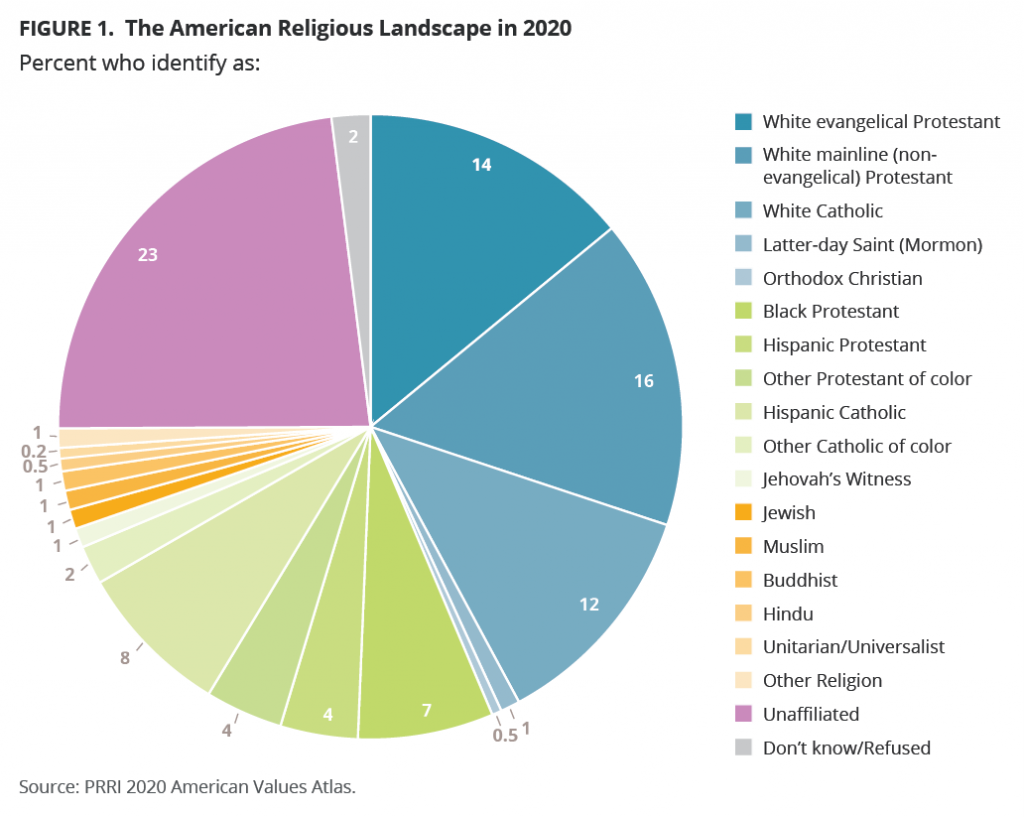
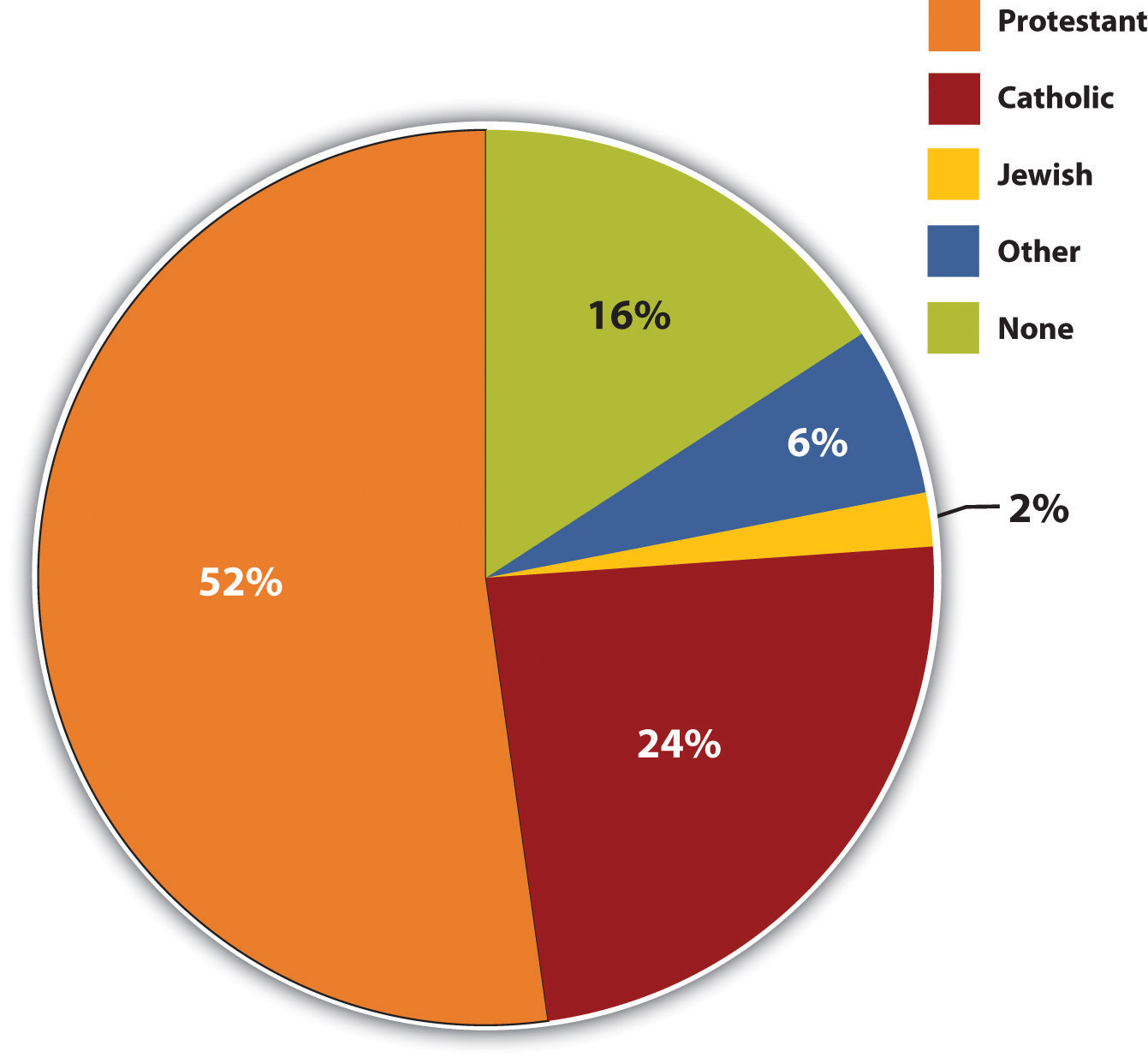
While the United States is home to a vast plurality of theological beliefs, a deeper analysis of its cultural and structural fabric suggests that the true national religion is not found in a pew, but in the ledger. In the contemporary American landscape, the pursuit of financial prosperity, the mechanics of personal finance, and the unwavering faith in market capitalism have coalesced into a secular religion. This “financial faith” dictates the rituals of daily life, the architecture of the nation’s most prestigious districts, and the moral framework through which success and failure are measured.
To understand the United States today, one must look at how wealth accumulation has shifted from a means to an end to a spiritual pursuit in its own right. This financial orthodoxy governs everything from individual career paths to the systemic operations of the global economy, creating a framework of belief that is as influential as any traditional religious dogma.
The Creed of Capitalism: How Finance Became the National Faith
The origins of the American financial identity are deeply rooted in the historical concept of the Protestant work ethic, which suggested that material success was a sign of divine favor. Over centuries, this theological concept evolved into a secularized “Gospel of Wealth.” Today, the national creed is built upon the pillars of individual responsibility, compounding interest, and the inherent goodness of economic growth.
The Protestant Roots of Prosperity
Early American settlers brought with them a worldview that linked labor with virtue. Hard work was not merely a survival tactic; it was a moral obligation. As the nation transitioned from an agrarian society to an industrial powerhouse, this ethic morphed. The “self-made man” became the patron saint of the American economy. In this context, financial struggle was often viewed as a character flaw, while the accumulation of capital was celebrated as the ultimate evidence of a life well-lived.
The Modern Ritual of Wealth Accumulation
In the modern era, the ritual of the “quiet time” or daily prayer has been replaced for many by the ritualistic checking of brokerage accounts and market indices. The 401(k) and the Roth IRA are the sacred vessels of the middle class, representing a long-term commitment to a future that is guaranteed only by the continued expansion of the market. This belief system requires a high degree of faith—faith that the institutions will hold, that the currency will maintain value, and that the “arc of the market” always bends toward growth.
The Sacred Institutions: Wall Street, the Fed, and the Temples of Trade
Every religion requires its cathedrals and its high priests. In the United States, these are found in the financial districts of New York and the marble halls of Washington, D.C. The Federal Reserve acts as a central authority, its every word parsed by market “disciples” for signs of the future. The stock market, meanwhile, functions as a public confessional where the collective hopes and fears of the nation are laid bare in real-time.
The Federal Reserve as the Central Authority
The Federal Reserve occupies a position of near-mystical authority in the American consciousness. Its decisions on interest rates can shift the fortunes of millions, influencing everything from the cost of a mortgage to the feasibility of a startup. The “Fed Chair” is often treated with the reverence and scrutiny of a high cleric. When the Fed speaks, the markets listen in a state of rapt attention, seeking to interpret the “signals” sent by the central bank. This reliance on a central authority to maintain the equilibrium of the economy is a hallmark of the American financial belief system.
Stock Markets: The Great Equalizer or the Exclusive Temple?
The New York Stock Exchange and the NASDAQ are the primary theaters where the American financial drama unfolds. For many, participation in the stock market is a rite of passage. It represents the democratization of wealth—the idea that anyone, through diligent investing, can claim a stake in the most powerful corporations on earth. However, like many institutionalized faiths, there is a tension between the “priesthood” of hedge fund managers and high-frequency traders and the “laity” of retail investors. The volatility of the market serves as a test of faith, where those who “HODL” (Hold On for Dear Life) or maintain a long-term perspective are eventually rewarded.
The Gospel of Personal Finance and the Rise of the “Finfluencer”
In the digital age, the dissemination of financial wisdom has moved from the boardroom to the smartphone. A new generation of leaders has emerged, preaching a gospel of financial independence, debt-free living, and aggressive side hustles. This movement has transformed personal finance from a dry academic subject into a lifestyle and an identity.
The Rise of the Finfluencer
Social media platforms are the new revival tents for the financially minded. “Finfluencers” (financial influencers) provide a mix of tactical advice and motivational speaking, encouraging their followers to “break the chains” of consumer debt and “seek the kingdom” of early retirement. This movement, often referred to as FIRE (Financial Independence, Retire Early), has all the hallmarks of a radical religious sect: strict adherence to a frugal lifestyle, a specific vocabulary (e.g., “safe withdrawal rates,” “frugality hacks”), and a promised land of total autonomy.
Side Hustles as a Modern Pilgrimage
The “side hustle” has become more than just a second job; it is a modern pilgrimage toward self-actualization. In a culture that equates value with productivity, the act of monetizing one’s hobbies or spare time is seen as a virtuous endeavor. The gig economy provides the infrastructure for this practice, allowing individuals to sacrifice their “rest days” at the altar of increased cash flow. The side hustle is the physical manifestation of the belief that one’s earning potential is limited only by their lack of effort.
Philanthropy and the Moral Obligation of Wealth
Just as traditional religions emphasize tithing and charity, the American financial religion has a robust framework for philanthropy. The “Giving Pledge” and the proliferation of corporate social responsibility (CSR) programs suggest that wealth carries a moral weight that must be balanced through redistribution.
The Giving Pledge and the Atone-ment of the Ultra-Wealthy
For the billionaire class, philanthropy often serves as a way to secure a legacy and justify the immense accumulation of capital. Initiatives like the Giving Pledge, where the world’s wealthiest individuals commit to giving away the majority of their fortunes, are viewed as acts of supreme devotion to the public good. This “secular tithing” ensures that the benefits of capitalism are seen to trickle down, even if the systemic structures remain unchanged. It frames the billionaire not as a hoarder of resources, but as a steward of communal wealth.
Tax Incentives: Where State and Faith in Finance Meet
The United States government encourages this financial morality through the tax code. Charitable deductions are a primary example of how the legal system incentivizes “good works.” By allowing individuals and corporations to reduce their tax burden through donations, the state effectively subsidizes the philanthropic arm of the financial religion. This creates a symbiotic relationship where the pursuit of profit and the pursuit of social good are inextricably linked through financial strategy.
Navigating the Future: Digital Assets and the New Financial Orthodoxy
As technology evolves, the “religion” of money in the United States is undergoing a reformation. The rise of cryptocurrency and decentralized finance (DeFi) represents a challenge to the established “church” of traditional banking. This new orthodoxy prizes transparency, decentralization, and algorithmic truth over institutional trust.
Cryptocurrency and the Decentralized Reformation
Bitcoin and other digital assets have garnered a following that is often described as cult-like. This is not a coincidence. The crypto movement is built on a fundamental loss of faith in centralized institutions following the 2008 financial crisis. Its “scripture” is the whitepaper, and its “prophets” are anonymous or pseudonymous figures. The belief in a decentralized future where individuals have total sovereignty over their assets is a powerful new branch of the American financial faith, one that threatens to upend the traditional hierarchies of Wall Street.

Sustaining Financial Wellness in an Uncertain Economy
As the United States moves further into the 21st century, the focus is shifting from mere accumulation to “financial wellness.” This holistic approach treats financial health as a component of overall well-being, akin to physical or mental health. Tools for budgeting, automated investing, and credit monitoring are the modern talismans used to ward off the “evil” of financial instability. In an increasingly volatile global economy, the ability to maintain one’s financial standing has become the ultimate measure of success and peace of mind.
Ultimately, the religion of the United States is a complex, multifaceted belief system centered on the power of the dollar. It is a faith that rewards discipline, celebrates growth, and provides a framework for understanding one’s place in the world. Whether through the traditional paths of corporate ladder-climbing or the radical new frontiers of digital finance, the American identity remains inextricably tied to the pursuit of wealth, making finance the most influential and pervasive religion in the nation.
aViewFromTheCave is a participant in the Amazon Services LLC Associates Program, an affiliate advertising program designed to provide a means for sites to earn advertising fees by advertising and linking to Amazon.com. Amazon, the Amazon logo, AmazonSupply, and the AmazonSupply logo are trademarks of Amazon.com, Inc. or its affiliates. As an Amazon Associate we earn affiliate commissions from qualifying purchases.