
In the modern digital economy, personal finance management requires a keen eye for detail and a comprehensive understanding of how transactions are processed and labeled. For many users of subscription-based content platforms, discretion and financial privacy are paramount. Understanding how specific charges appear on a bank statement is not just a matter of curiosity; it is a fundamental aspect of managing one’s digital footprint and ensuring that personal spending remains private.
When you subscribe to a service like OnlyFans, the transaction does not exist in a vacuum. It moves through a complex web of payment processors, acquiring banks, and issuing institutions. Each step of this process can influence the final text that appears on your monthly statement. For those concerned with financial transparency—whether for budgeting, shared accounts, or personal security—knowing exactly what to look for is the first step in effective financial planning.
Deciphering the Billing Codes: What to Expect
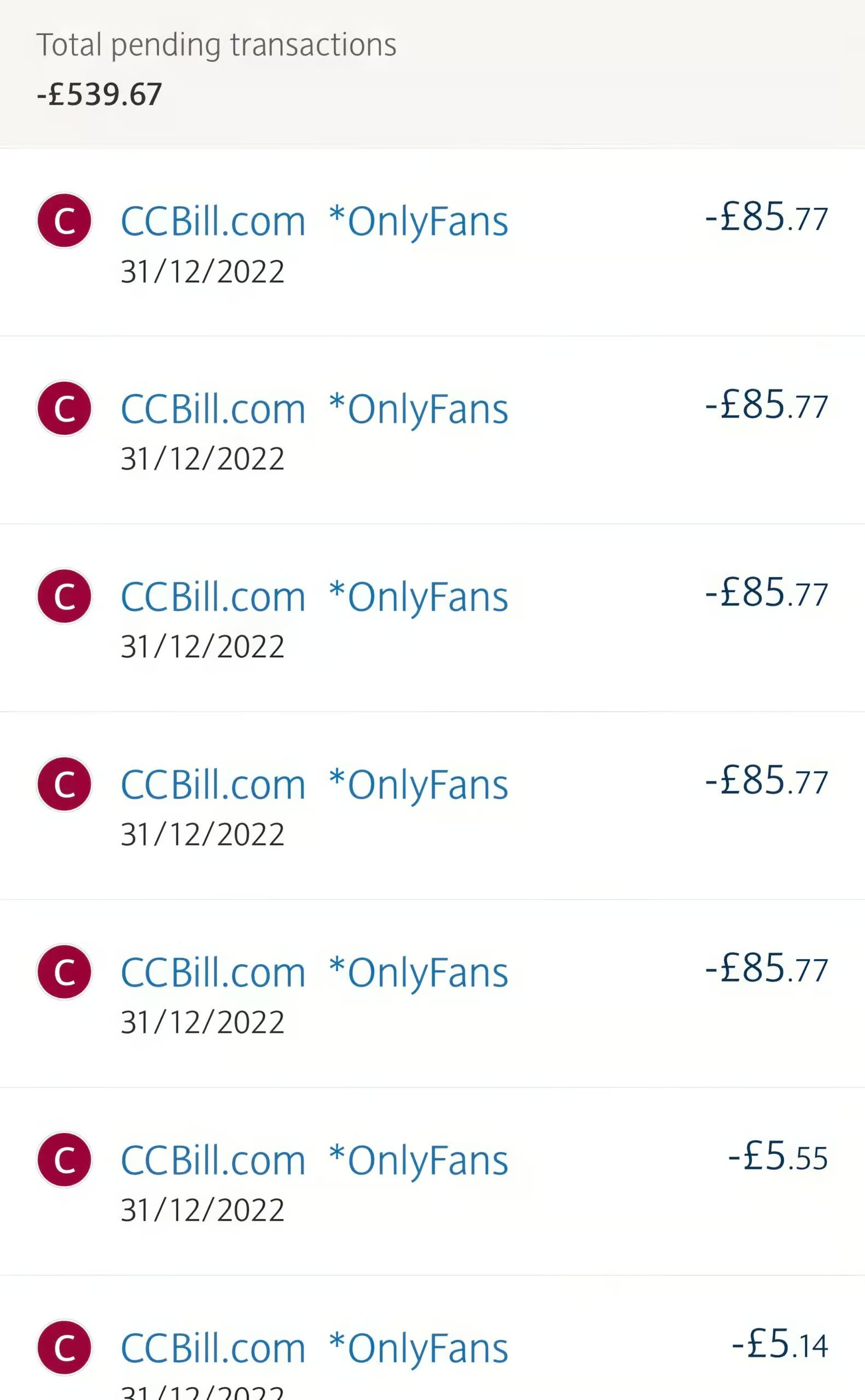
The primary concern for most users is whether the platform name appears explicitly on their statement. In the vast majority of cases, OnlyFans transactions are relatively straightforward, though they may vary slightly depending on the payment processor or the specific bank’s internal labeling system.
Common Transaction Descriptors
Typically, a purchase on the platform will appear as “OnlyFans” or “OF.” Because the parent company of OnlyFans is Fenix International Limited, some older or specific regional transactions may occasionally reference “Fenix International.” However, the platform has moved toward a more direct labeling system to help users easily identify their subscriptions and reduce the likelihood of “unrecognized charge” disputes, which are costly for both the platform and the banks.
The descriptor often includes a series of numbers or letters following the name, such as “OnlyFans* 123456” or “OF Subscription.” These characters are internal tracking codes used by the merchant to link the payment to a specific user account. From a personal finance perspective, these codes are essential for reconciliation, allowing you to match your digital receipts with your bank activity.
Variations by Institution
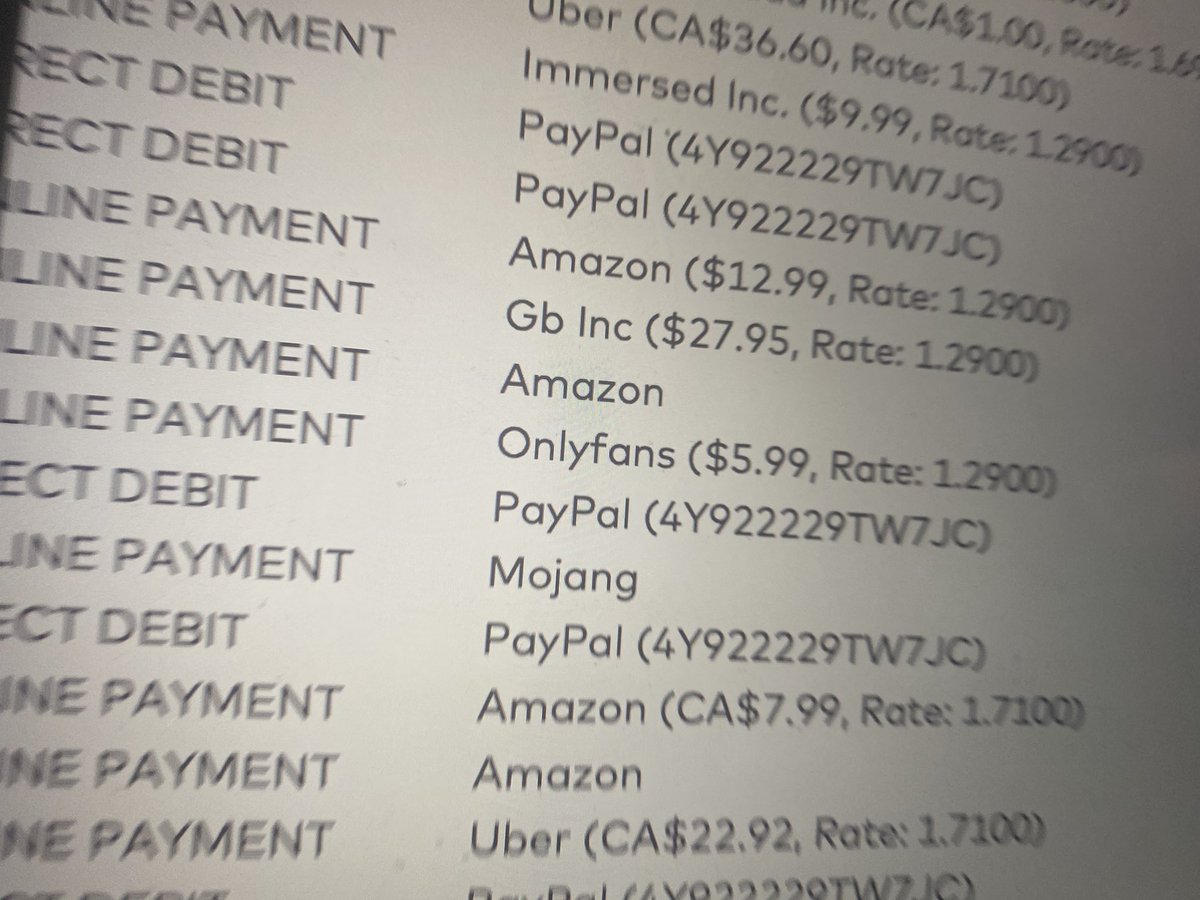
It is important to note that different financial institutions have different character limits for statement descriptions. A credit card statement from a major national bank might show a detailed descriptor, whereas a smaller local credit union or a mobile-only “neo-bank” might truncate the text. If you are using a third-party payment aggregator or a digital wallet, the label might even include the name of that service alongside the merchant name.
The Role of Merchant Category Codes (MCC) in Personal Finance
Beyond the text description, every transaction is assigned a Merchant Category Code (MCC). This is a four-digit number used by credit card companies to classify the type of business a merchant conducts. Understanding MCCs is a sophisticated level of financial management that can impact rewards, budgeting, and even how your bank perceives your spending habits.
How MCCs Affect Your Budget
Most budgeting software and banking apps use MCCs to automatically categorize your spending into groups like “Entertainment,” “Groceries,” or “Services.” OnlyFans is typically categorized under “General Services” or “Digital Content.” If you use automated budgeting tools like YNAB or Mint, these transactions will be swept into whatever category the AI deems most appropriate based on the MCC.
For those looking to maintain a strict budget, it is often wise to manually override these categorizations. Labeling these expenditures accurately in your private records ensures that your discretionary spending doesn’t bleed into your “Essential Services” category, providing a clearer picture of your financial health.
Impact on Credit Card Rewards
From an investment and rewards perspective, the MCC determines whether a purchase qualifies for “points” or “cash back.” Since OnlyFans is categorized as digital content or entertainment, it rarely falls under “high-multiplier” categories like travel or dining. If you are maximizing a credit card strategy, it is worth noting that these transactions will likely earn the standard 1% base rate.
Navigating Financial Privacy in the Age of Digital Subscriptions
Financial privacy is an asset. Whether you share a bank account with a partner, are applying for a mortgage, or simply value a clean financial record, there are strategic ways to manage how subscription services interact with your primary accounts.
The Use of Secondary Accounts
One of the most effective strategies for managing digital subscriptions is the use of a secondary “spend account.” By transferring a set monthly budget to a separate debit account or a digital-only bank, you can isolate your subscription spending. This prevents your primary statement—the one you might show to a mortgage lender or a financial advisor—from being cluttered with dozens of micro-transactions.
Virtual Credit Cards and Privacy Tools
For users seeking an extra layer of abstraction, virtual credit card services are a powerful financial tool. These services allow you to generate a “burner” card number that is linked to your bank account but presents a different merchant name to your primary bank.
When you use a virtual card, your actual bank statement might only show a charge to the virtual card provider (e.g., “Privacy.com” or “Revolut”). This not only enhances your privacy but also adds a layer of security. If a platform’s database were ever compromised, your real credit card information would remain shielded. From a money management standpoint, virtual cards also allow you to set “spend limits,” ensuring that a subscription cannot charge you more than a predetermined amount.
Financial Implications for Creators vs. Consumers
The way OnlyFans appears on a statement differs significantly depending on whether you are a consumer or a creator. For creators, the platform represents a “Side Hustle” or a primary source of online income, which brings an entirely different set of financial responsibilities.
Income Transparency and Auditing
For creators, payments usually arrive via direct deposit or through a third-party payment processor like Paxum or Cosmo Payment. On a bank statement, these deposits often appear as “Fenix International” or “OnlyFans Earnings.”
From a business finance perspective, it is crucial for creators to separate this income from their personal funds. Opening a dedicated business checking account allows for easier tracking of income and expenses. This is vital when tax season arrives, as it simplifies the process of identifying deductible business expenses—such as equipment, lighting, and internet costs—against the gross income received from the platform.
Taxes and the 1099-K
In the United States, if a creator earns over a certain threshold, the platform will issue a Form 1099-K. This form reports the gross transaction volume to the IRS. For the creator, the bank statement serves as the primary evidence for reconciling these tax documents. If there is a discrepancy between what is in the bank and what is on the tax form, having clear, well-documented statement descriptions is the only way to resolve the issue during an audit.
Long-term Financial Planning and Statement Audits
Regularly auditing your bank statements is a hallmark of good financial health. In the context of subscription services, this practice serves two main purposes: preventing “subscription creep” and identifying fraudulent activity.
Combating Subscription Creep
Subscription creep occurs when small, recurring monthly charges go unnoticed, slowly draining your net worth over time. Because OnlyFans operates on a per-creator subscription model, a user might find themselves with ten different $5 or $10 charges. On a bank statement, these appear as individual line items.
By reviewing these statements monthly, you can evaluate the “Value Per Dollar” of each subscription. If you are spending $50 a month across various creators but only engaging with the content of one, an audit allows you to cut the unnecessary expenses and redirect that capital toward an emergency fund or an investment portfolio.
Identifying Unauthorized Charges
Because “OnlyFans” or “OF” are now recognizable names on statements, they are occasionally used by bad actors in “phishing” or “carding” schemes. A fraudster who has stolen credit card info might run a small “test charge” that looks like a common subscription to see if the cardholder notices.
If you see a charge on your statement that you do not recognize, even if it carries the “OnlyFans” label, it is imperative to contact your financial institution immediately. However, it is also important to check your internal platform history first. Sometimes, a “PPV” (Pay-Per-View) purchase or a “Tip” can show up as a separate line item from your monthly subscription, leading to temporary confusion during a statement review.
Conclusion: The Importance of Financial Literacy
Understanding what shows up on your bank statement is a small but critical part of a larger financial literacy strategy. In a world where our lives are increasingly lived online, the line between our digital activities and our physical financial records is blurring.
Whether you are a consumer looking for privacy or a creator managing a growing business, the way transactions are labeled matters. By using tools like virtual cards, maintaining separate accounts for side hustles, and performing regular statement audits, you can ensure that your financial record reflects your intentions. Mastery over your bank statement is, ultimately, mastery over your financial future.
aViewFromTheCave is a participant in the Amazon Services LLC Associates Program, an affiliate advertising program designed to provide a means for sites to earn advertising fees by advertising and linking to Amazon.com. Amazon, the Amazon logo, AmazonSupply, and the AmazonSupply logo are trademarks of Amazon.com, Inc. or its affiliates. As an Amazon Associate we earn affiliate commissions from qualifying purchases.