
The evolution of the Trump brand represents one of the most significant case studies in modern marketing and corporate identity. Long before entering the political arena, Donald Trump constructed a brand architecture that was less about physical assets and more about the psychological perception of success, luxury, and power. To understand what the Trump brand was—and continues to be—one must look past the headlines and examine the core principles of personal branding, licensing, and audience segmentation that defined his business trajectory for over four decades.
The Foundation of Luxury and the Power of Licensing
At its inception, the Trump brand was synonymous with Manhattan’s high-stakes real estate market. However, the true genius of the strategy was not merely in building skyscrapers, but in the commodification of a name. By the late 1980s and early 1990s, the brand shifted from a “developer” model to a “licensing” model. This transition allowed the brand to scale at a rate that physical construction never could.
The Aesthetics of Excess
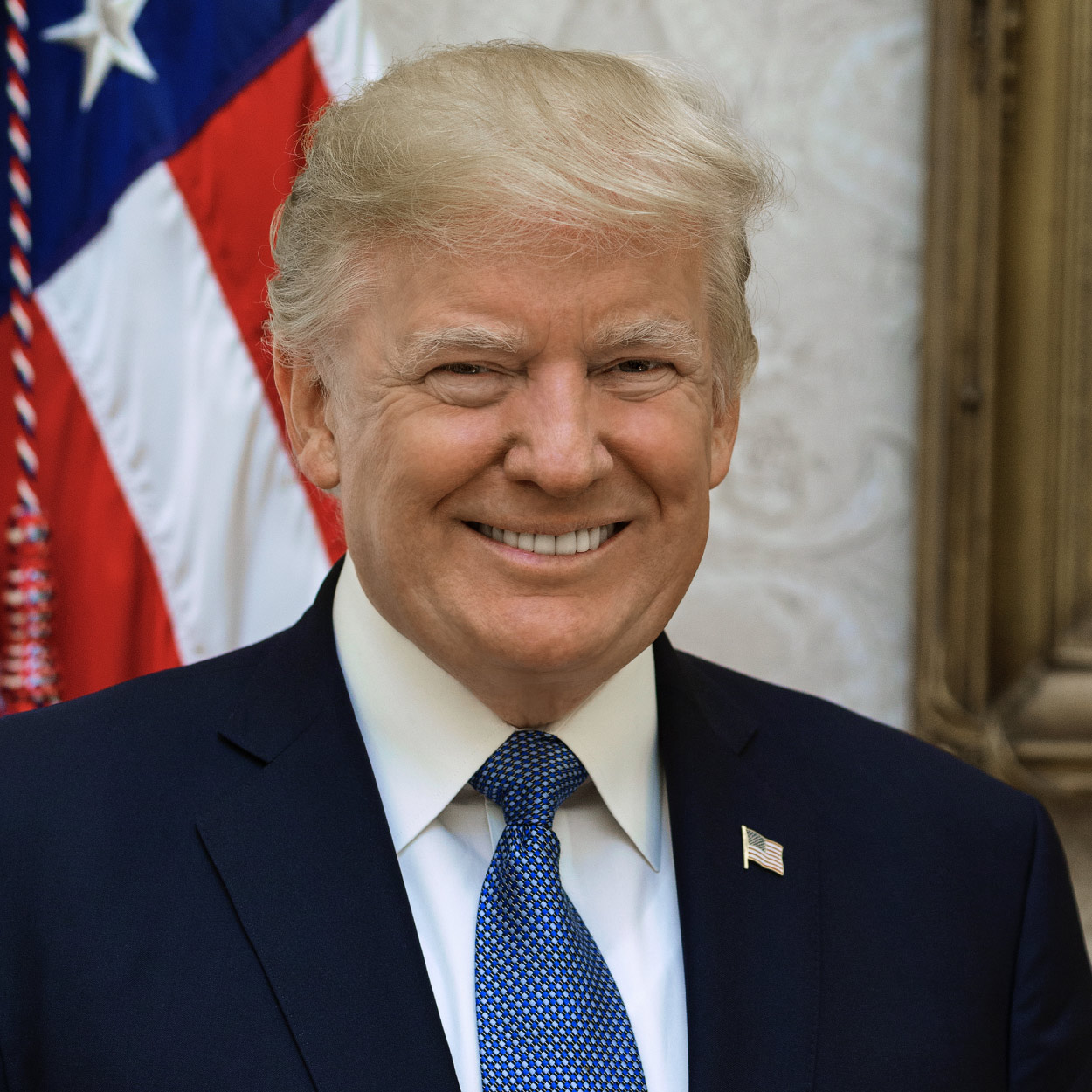
The visual identity of the brand was never subtle. It relied on a specific set of high-status markers: gold leaf, Italian marble, massive signage, and towering glass structures. From a branding perspective, this was a “Premium-Plus” positioning strategy. By consistently associating the name with the pinnacle of luxury—even when the underlying products ranged from steaks to neckties—the brand maintained a cohesive identity. This aesthetic served as a visual shorthand for wealth, making the brand aspirational for a broad demographic that equated opulence with competence.
From Real Estate to Intellectual Property
The most pivotal moment in the brand’s history was the realization that the name “Trump” was more valuable than the buildings it sat upon. In traditional corporate identity, value is found in tangible assets. In the Trump model, the value was shifted to intellectual property. By licensing his name to third-party developers, the brand avoided the financial risks of construction while collecting massive fees. This created a global footprint of “Trump” branded properties—hotels, golf courses, and residential towers—most of which were not actually owned by the organization. This is a classic “Asset-Light” brand strategy, similar to how Marriott or Hilton operate, but centered around a single personality rather than a corporate system.
Disruption as a Core Brand Value
If the first phase of the brand was about luxury, the second phase—accelerated by reality television—was about disruption. The brand moved from being an exclusive club for the elite to an accessible symbol of the “self-made mogul.” This shift was orchestrated through a masterful use of media and the projection of a specific archetype: the decisive leader who cuts through bureaucracy.
The Apprentice and the Institutionalization of the Persona
“The Apprentice” served as a 14-season long commercial for the Trump brand. It redefined the identity from a real estate tycoon to a definitive authority on business management and executive decision-making. In branding terms, this was “Storytelling Marketing” at its most effective. Each episode reinforced the brand’s core pillars: authority, toughness, and the ultimate reward of the “winner.” It moved the brand into the living rooms of millions of people who would never step foot in a Manhattan penthouse, broadening the brand’s target market from the 1% to the mass market.
The Outsider Archetype
A successful brand often positions itself against a “foe” or a “status quo.” For Apple, it was the “boring” PC; for Nike, it was the “average” athlete. The Trump brand positioned itself against “the establishment” and “the expert class.” By adopting the persona of the outsider who knows how the “inside” works, the brand created a unique value proposition. It promised a brand experience that was authentic, unfiltered, and unapologetic. This brand positioning was critical because it fostered a sense of loyalty that was immune to traditional PR crises. In fact, within this framework, controversy became a brand-building tool rather than a liability.
The Mechanics of Direct-to-Consumer Branding
One of the most tech-forward aspects of the Trump brand strategy was its early and aggressive adoption of direct-to-consumer (DTC) communication. By bypassing traditional media filters, the brand was able to control its narrative with surgical precision. This approach predated the social media boom but found its ultimate expression through platforms like Twitter and, eventually, Truth Social.
Radical Consistency and Sloganeering
A hallmark of great branding is a simple, repeatable message. “Make America Great Again” (MAGA) is perhaps one of the most effective brand slogans in history. It followed the rules of high-impact marketing: it was aspirational, nostalgic, and easily condensed into a three-to-four-word phrase. But beyond the slogan, the brand utilized a technique known as “Repetitive Messaging.” By using consistent nicknames for competitors and repeating key phrases (e.g., “The Art of the Deal,” “Winner,” “Huge”), the brand established a linguistic identity that was instantly recognizable.
Community Building and the “Tribal” Brand
Modern branding is less about the product and more about the community that surrounds it. The Trump brand excelled at creating a sense of belonging. Through rallies and digital engagement, the brand transformed “customers” into “advocates.” This is the pinnacle of brand loyalty—when the brand becomes a core part of the consumer’s identity. In marketing terms, this is often referred to as “Tribal Branding.” The brand provides the symbols (the red hat), the language, and the shared goals that allow the community to self-identify and organize.
Brand Resilience in the Face of Polarization
Traditional brand management suggests that a company should avoid polarization to maintain the widest possible market share. The Trump brand flipped this conventional wisdom on its head. It embraced—and even manufactured—polarization as a means of strengthening its core base.
The Strategy of the Narrow Focus
By focusing intensely on a specific segment of the market, the Trump brand achieved a level of “Brand Heat” that most neutral brands could never reach. In branding, a small group of “super-fans” is often more valuable than a large group of lukewarm consumers. The Trump strategy prioritized the super-fan. This allowed the brand to survive multiple bankruptcies, legal challenges, and platform bans because the core audience’s emotional investment in the brand was so high that they viewed attacks on the brand as attacks on themselves.
Pivot and Adaptability
The final lesson in the Trump brand strategy is the power of the pivot. When the brand was de-platformed from major social media networks, it didn’t disappear; it built its own infrastructure. The creation of Truth Social and the TMTG (Trump Media & Technology Group) represents an attempt to vertically integrate the brand’s media presence. This is a classic “Platform Strategy,” where a brand moves from being a participant on someone else’s platform to owning the ecosystem entirely. It reflects a deep understanding of digital sovereignty and the need for a brand to control its own distribution channels.
The Legacy of the Trump Brand Model
What was the Trump brand? It was a sophisticated blend of 20th-century luxury positioning and 21st-century digital disruption. It proved that a personal brand could be more resilient than a corporate brand, and that a name could be a more valuable asset than a physical product.
The Influence on Executive Branding
Today, we see CEOs across the tech and finance sectors adopting the “Trump Model.” They are more vocal, more controversial, and more active on social media. They have moved away from the sanitized, PR-driven corporate communications of the 1990s and toward a more direct, “unfiltered” persona. This is the direct legacy of the Trump brand strategy: the realization that in an attention economy, being ignored is the only true failure.
Authenticity vs. Perfection
The Trump brand taught the marketing world that “authenticity”—even when it is abrasive—often outperforms “perfection.” Consumers in the modern era are increasingly skeptical of polished corporate speak. They gravitate toward brands that feel human, flawed, and combative. The Trump brand leaned into these traits, using them to build a wall of loyalty that traditional marketing metrics struggle to measure.
In summary, the Trump brand was a masterclass in identity engineering. It leveraged the prestige of Manhattan real estate, the reach of reality television, and the speed of social media to create a global entity that transcends traditional industry categories. Whether one views it through the lens of business, politics, or culture, the strategic underpinnings of the brand—licensing, disruption, direct communication, and polarization—remain some of the most potent and studied tactics in the history of modern branding.
aViewFromTheCave is a participant in the Amazon Services LLC Associates Program, an affiliate advertising program designed to provide a means for sites to earn advertising fees by advertising and linking to Amazon.com. Amazon, the Amazon logo, AmazonSupply, and the AmazonSupply logo are trademarks of Amazon.com, Inc. or its affiliates. As an Amazon Associate we earn affiliate commissions from qualifying purchases.