
In the landscape of modern wellness, few products have successfully navigated the transition from “bizarre medical curiosity” to “essential lifestyle accessory” as rapidly as mouth tape. On the surface, the product is deceptively simple—often nothing more than a medical-grade adhesive strip designed to keep the lips sealed during sleep. However, to view mouth tape merely as a functional tool is to miss the sophisticated brand strategy that has fueled its meteoric rise.
From a brand perspective, the point of mouth tape is not just about nasal breathing; it is about the commodification of a biological habit and the masterful creation of a new consumer category. By examining the trajectory of mouth tape through the lens of brand strategy, we can uncover how companies have transformed a low-cost commodity into a high-margin, identity-driven staple of the “optimization” economy.
The Rebranding of a Biological Necessity: From Medical to Lifestyle
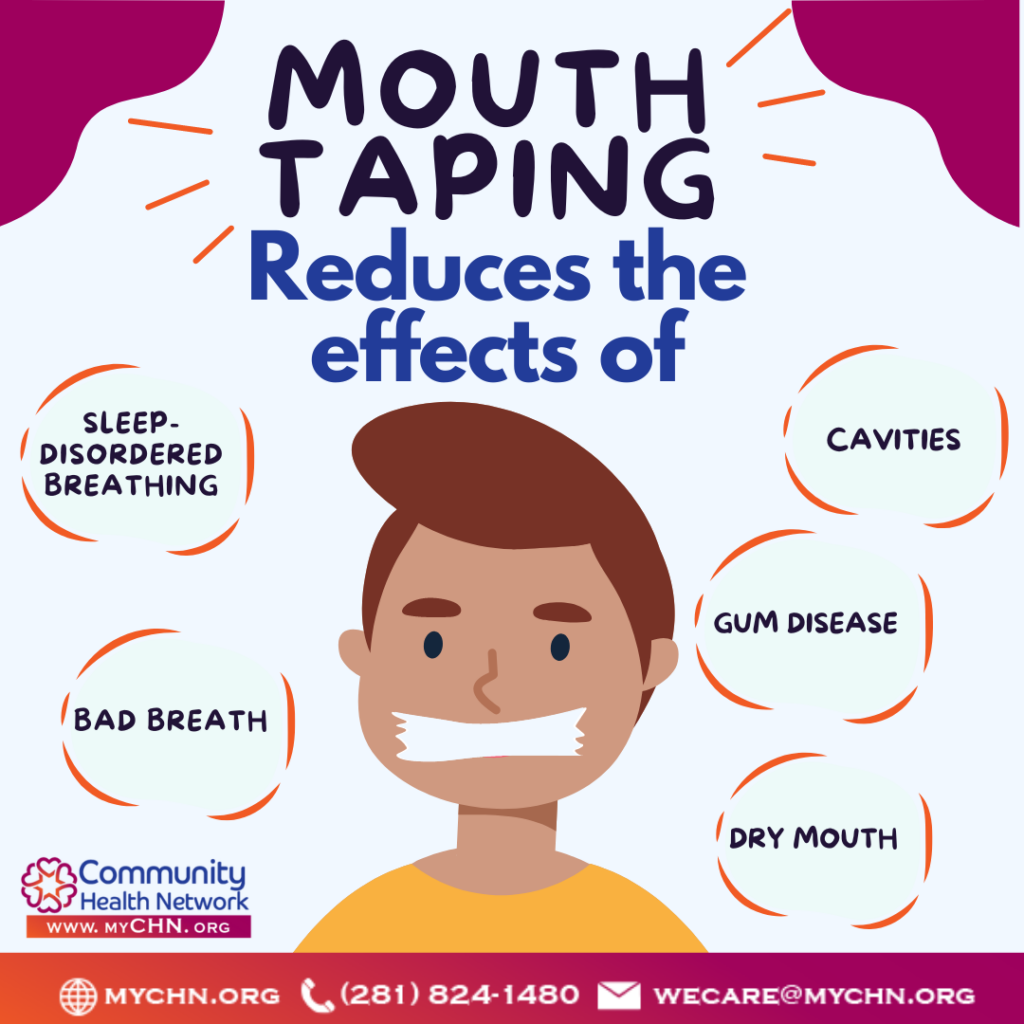
The most significant hurdle for any mouth tape brand is the “weirdness factor.” For decades, the concept of taping one’s mouth shut was relegated to clinical settings for sleep apnea or niche athletic training. The first step in the branding of mouth tape was the psychological shift from a corrective medical intervention to a proactive performance enhancement.
Creating the “Problem-Solution” Narrative
Effective branding begins with the identification—or creation—of a specific pain point. Mouth tape brands did not invent the benefits of nasal breathing, but they successfully branded the “mouth breathing” epidemic as a modern societal failure. By positioning open-mouth snoring and shallow breathing as detrimental to both health and social standing, brands created a vacuum that only their product could fill. This is “Category Creation” in its purest form: establishing a problem so pervasive that the consumer feels an immediate need for a specialized solution.
The Power of Identity Branding
The leaders in the mouth tape space have moved beyond functional benefits (better sleep, less snoring) and into the realm of identity. When a consumer buys mouth tape today, they are often buying into a specific archetype: the “Biohacker,” the “High-Performance Athlete,” or the “Health-Conscious Optimizer.” Brands like Hostage Tape have leaned into a rugged, masculine aesthetic that reframes sleep as a discipline or a mission. By doing so, they have removed the “patient” stigma and replaced it with a “warrior” mindset.
Market Positioning and the “High-Ticket” Commodity
One of the most fascinating aspects of the mouth tape industry is the price discrepancy between the raw material and the branded product. A roll of generic kinesiology or surgical tape costs pennies per application, yet branded mouth tape strips can retail for over a dollar per night. The point of mouth tape, from a business and marketing perspective, is the realization of massive profit margins through premium positioning.
Packaging as a Value Signifier
In the world of personal branding and corporate identity, packaging is the first point of physical contact. Mouth tape brands invest heavily in sleek, minimalist, or high-octane packaging that justifies the premium price point. Whether it is a matte-black tin or a medically-inspired professional box, the packaging communicates that this is not “just tape.” It is a curated piece of technology designed specifically for the human face. This differentiation is what allows a brand to escape the “commodity trap” where products are judged solely on price.
Subscription Models and Lifetime Value (LTV)
The physical nature of mouth tape—a single-use, disposable item—makes it the ultimate candidate for a subscription-based business model. Brands have leveraged this “consumable” aspect to build predictable recurring revenue. By positioning the product as a nightly ritual rather than an occasional fix, brands have successfully integrated themselves into the consumer’s lifestyle. The branding strategy focuses on consistency; “never miss a night” becomes the mantra, which in turn drives the Lifetime Value (LTV) of each customer to heights that traditional sleep aids rarely reach.
Influencer Ecosystems and the Authority Flywheel
No brand exists in a vacuum, and the rise of mouth tape is inextricably linked to the “Authority Flywheel”—a network of influencers, podcasters, and health gurus who provide the social proof necessary for a niche product to go mainstream.
Leveraging the “Expert” Endorsement
The point of mouth tape, for many consumers, was validated through long-form content. Brands strategically aligned themselves with high-authority figures in the wellness and performance space. When a globally recognized podcaster or a best-selling author mentions their “nightly routine,” they are providing the ultimate “top-of-funnel” marketing. This isn’t traditional advertising; it is the integration of a product into a trusted narrative of self-improvement.
The Visual Language of the Social Media “Hack”
The visual nature of mouth tape makes it perfect for social media marketing. It is a “scroll-stopper.” Seeing a person with a small strip of tape over their mouth immediately prompts the question: “What is that?” Brands have capitalized on this curiosity by encouraging user-generated content. The “mouth tape selfie” became a badge of honor among the biohacking community, serving as free viral marketing that reinforced the brand’s presence as a trend-setter. This social proof is the engine that drives modern brand adoption, turning a private sleep habit into a public statement of health conscious-awareness.
Design Psychology: From Medical to Performance
The design of mouth tape itself—its shape, color, and texture—is a calculated branding decision. The evolution of the product’s physical design reflects a deep understanding of consumer psychology.
The “Surgical” vs. “Sport” Aesthetic
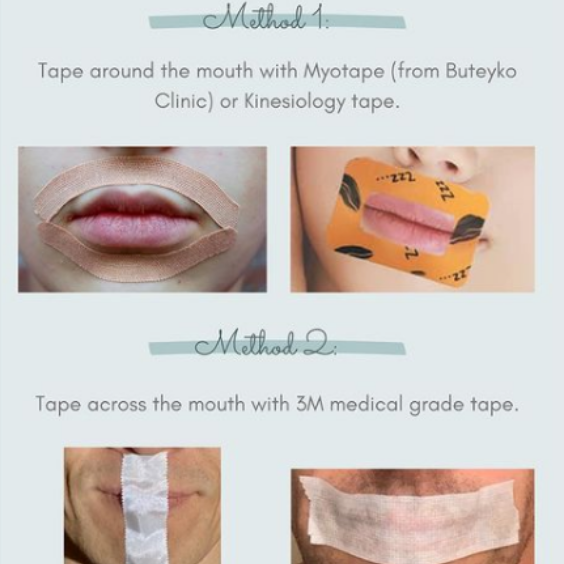
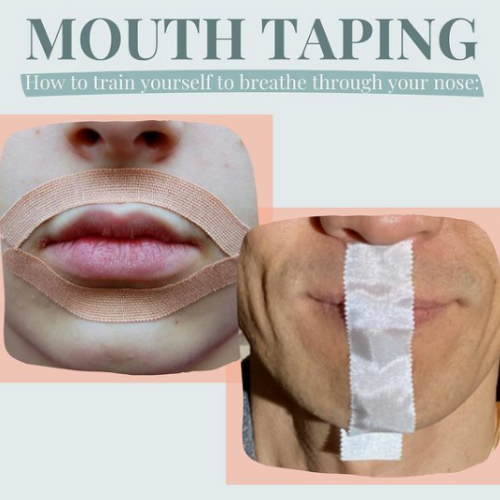
Early iterations of mouth tape looked like bandages, which triggered a subconscious association with injury or illness. Modern brands have pivoted toward a “Sport” aesthetic. Using materials like black cotton, flexible synthetic fibers, and bold, centered logos, these products look more like athletic gear than medical supplies. This design choice is critical for market expansion; it appeals to the demographic that wants to look like an elite athlete in training, even while they are asleep.
Ergonomics as a Brand Promise
Top-tier brands often emphasize the proprietary shape of their strips. Whether it is an “H-shape,” an “O-shape,” or a “butterfly” design, the unique geometry of the tape serves as a trademarked brand asset. It suggests a level of engineering and research that generic tape cannot claim. This “engineered” approach reassures the consumer that they are using a specialized tool designed for the rigors of facial movement, further distancing the product from its hardware-store counterparts.
Scaling a Niche: The Future of Sleep Tech Branding
As the market for mouth tape matures, the point of the brand shifts from education to ecosystem. We are seeing a move from single-product companies to “Sleep Tech” platforms where mouth tape is just one entry point into a wider range of high-margin products.
Horizontal Integration and Brand Extension
The brands that succeeded with mouth tape are now moving horizontally into nasal strips, magnesium supplements, blue-light blocking glasses, and ergonomic pillows. The mouth tape was the “Trojan Horse” that allowed these brands to enter the consumer’s bedroom. Once trust is established through a simple, effective adhesive strip, the brand can expand its share of the “sleep economy.” The corporate identity shifts from being a “tape company” to being a “total sleep solution.”
The Globalization of the “Nasal Breathing” Brand
We are currently witnessing the global scaling of this trend. Brand strategies that worked in the US and UK are being adapted for international markets, localized through regional influencers and cultural health trends. The “point” of mouth tape is now universal: it is a global symbol of the optimization movement.
In conclusion, mouth tape is a remarkable case study in modern branding. It demonstrates how a simple, inexpensive material can be transformed into a premium lifestyle necessity through strategic positioning, identity-based marketing, and a deep understanding of consumer psychology. The point of mouth tape isn’t just to keep the mouth shut—it is to open the door to a multi-billion dollar industry built on the promise of a better, more optimized version of ourselves. Through the lens of brand strategy, mouth tape is not just an adhesive; it is a powerful emblem of the modern wellness revolution.
aViewFromTheCave is a participant in the Amazon Services LLC Associates Program, an affiliate advertising program designed to provide a means for sites to earn advertising fees by advertising and linking to Amazon.com. Amazon, the Amazon logo, AmazonSupply, and the AmazonSupply logo are trademarks of Amazon.com, Inc. or its affiliates. As an Amazon Associate we earn affiliate commissions from qualifying purchases.