
In the landscape of modern business finance, the term “Human Resources” has evolved far beyond its origins as a department responsible for paperwork and policy enforcement. To a CFO, a business owner, or a financial strategist, Human Resources represents the management of an organization’s most significant investment: its people. When we ask “what is the human resources” in a financial context, we are essentially discussing the strategic optimization of human capital to drive profitability, manage risk, and ensure the long-term fiscal health of an enterprise.
In many industries, labor costs account for 40% to 70% of total operating expenses. Consequently, the way a company manages these “resources” dictates its ability to maintain healthy margins and achieve a competitive return on investment (ROI). Understanding HR through the lens of business finance allows stakeholders to see employees not merely as line-item expenses, but as dynamic assets capable of appreciating in value.

The Financial Foundation of Human Resources: More Than Just a Cost Center
For decades, traditional accounting viewed the HR department as a “cost center”—a necessary but non-revenue-generating part of the business. However, the shift toward a knowledge-based economy has reframed this perspective. Today, the strategic management of human resources is a primary driver of a company’s valuation, particularly in sectors like tech, consulting, and healthcare where the primary “product” is the expertise of the workforce.
Understanding Human Capital as a Strategic Asset
Human capital refers to the intangible collective of skills, experience, and intelligence within a company. Unlike physical assets, such as machinery or real estate, human capital has the unique ability to grow in value through training and experience without necessarily requiring massive capital expenditures (CapEx). From a business finance perspective, investing in human resources is akin to investing in R&D. It is an allocation of capital intended to yield higher productivity and innovation, which eventually manifests as increased revenue on the P&L statement.
The ROI of Employee Retention
One of the most critical financial metrics within the HR sphere is the retention rate. High employee turnover is a silent profit killer. Conservative estimates suggest that replacing a mid-level employee costs a company between 1.5 to 2 times that employee’s annual salary. These costs are both direct (recruitment fees, sign-on bonuses) and indirect (lost productivity, decreased morale, and the “brain drain” of institutional knowledge). By implementing robust human resource strategies focused on engagement and career development, companies can protect their bottom line from the recurring “tax” of high turnover.
Optimizing the Payroll and Compensation Structure
At the heart of human resources lies the compensation structure. This is often the largest single expenditure a business will face. Balancing a competitive salary offer with the need to maintain operational liquidity is a delicate financial act. HR professionals must work closely with finance teams to ensure that the compensation strategy aligns with the company’s broader financial goals.
Budgeting for Total Rewards
“Total Rewards” is a financial concept that encompasses everything an employee receives in exchange for their labor. This includes base salary, bonuses, health insurance, 401(k) matching, and equity options. From a financial planning perspective, HR must forecast the long-term liabilities associated with these rewards. For instance, offering a pension or a high-match retirement plan creates long-term financial obligations that must be factored into the company’s solvency ratios. A well-structured rewards program acts as a financial lever—using a mix of liquid cash and non-liquid benefits (like equity or flexible work) to attract top-tier talent without overextending the company’s cash flow.
Tax Implications and Compliance in Business Finance
The financial side of human resources also involves navigating a complex web of tax laws and regulatory requirements. Failure to accurately manage payroll taxes, workers’ compensation insurance, or overtime regulations can result in massive fines and legal fees. In the era of remote work, HR must also manage the tax implications of “nexus”—where an employee living in a different state or country creates a tax obligation for the company in that jurisdiction. Efficient HR management ensures that the company remains compliant, avoiding the “leakage” of capital through avoidable penalties and interest.
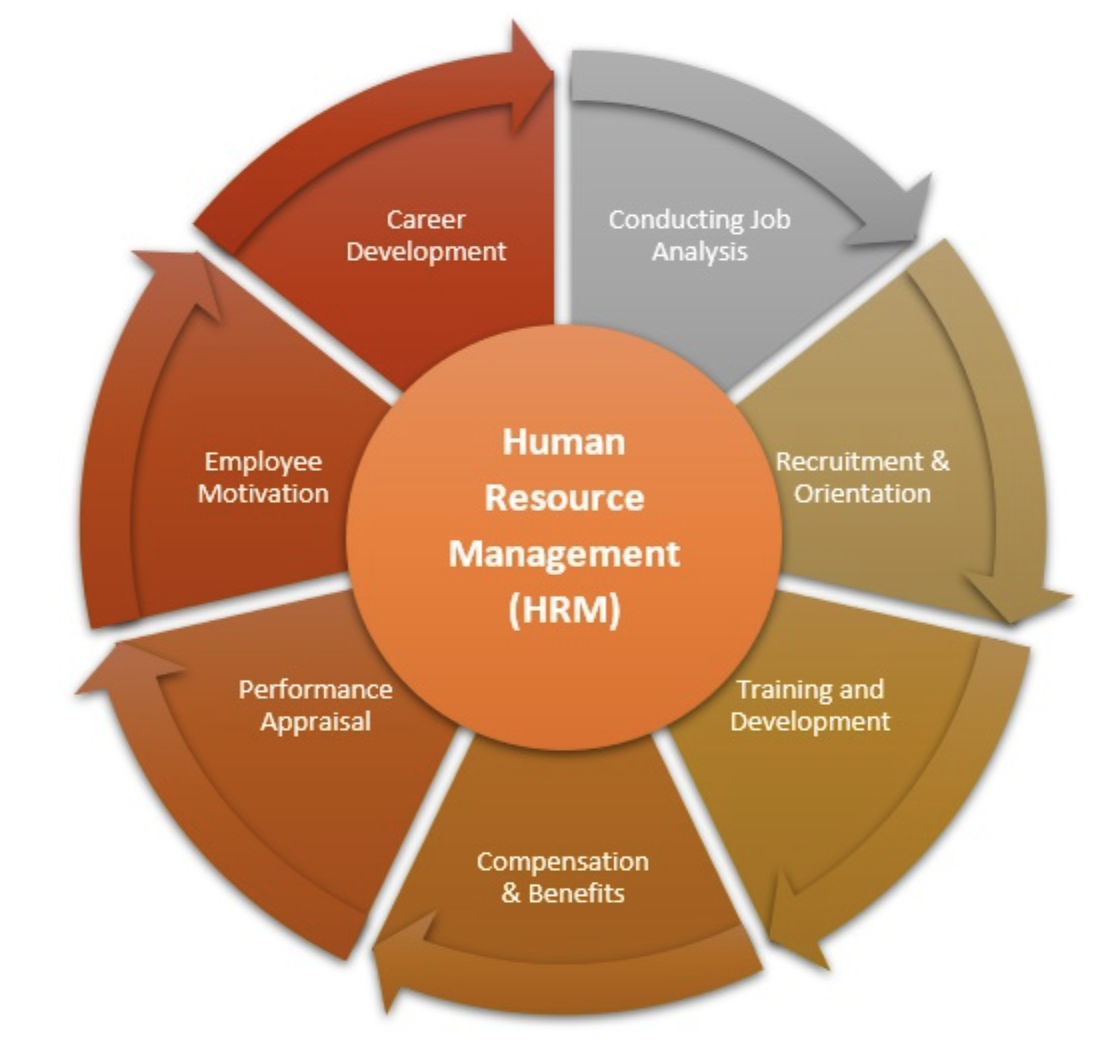
Investing in Talent: The Economics of Recruitment and Training
If payroll is the maintenance cost of human resources, then recruitment and training are the acquisition and development costs. In business finance, the goal is to lower the “Cost Per Hire” while increasing the “Quality of Hire.” This requires a data-driven approach to how human resources are sourced and integrated into the firm.
Analyzing the Cost of Hire
Every day a critical position remains vacant, the company loses potential revenue or incurs the cost of overworking existing staff. HR’s role is to minimize this “vacancy cost” through efficient pipeline management. Financial analysts look at the time-to-productivity metric: how long does it take for a new hire to generate more value than they cost? By streamlining the onboarding process, HR shortens this window, ensuring that the human resource becomes “profitable” as quickly as possible.
Upskilling as a Financial Growth Strategy
Internal mobility—moving existing employees into new, higher-value roles—is often more cost-effective than external hiring. Training and development represent a reinvestment of profits back into the company’s internal assets. When a company chooses to “build” talent rather than “buy” it, they often see a higher ROI because the employee already understands the company’s culture and systems, reducing the risks associated with a bad hire. From a budgeting perspective, a dedicated training budget is a hedge against the rising market rates for niche skills.
Financial Tools and Systems for Modern Resource Management
The “Resource” in Human Resources is increasingly managed through sophisticated financial tools and software. Human Resource Information Systems (HRIS) and Enterprise Resource Planning (ERP) tools have bridged the gap between the people-side of the business and the numbers-side.
Leveraging HRIS for Fiscal Transparency
Modern HRIS platforms allow for real-time tracking of labor costs against project budgets. This transparency is vital for businesses that operate on billable hours or tight project margins. By integrating HR data with financial software, management can see exactly how much is being spent on labor in relation to the revenue generated by specific departments. This level of granularity allows for “Right-Sizing”—the practice of ensuring the workforce is precisely matched to the current and projected financial needs of the company.
Predictive Analytics for Labor Cost Forecasting
One of the most powerful financial applications of HR technology is predictive analytics. By analyzing historical data on seasonal hiring needs, turnover trends, and compensation inflation, companies can create highly accurate financial forecasts. For example, if data shows a 10% spike in turnover every March, the finance team can budget for increased recruitment spend in the first quarter, preventing an unexpected hit to the cash flow. This proactive approach transforms HR from a reactive administrative function into a strategic partner in financial planning.

The Future of Human Resources: Scaling Profitability Through People
As we look toward the future, the definition of human resources will continue to align more closely with financial strategy. We are seeing a rise in the “Fractional Workforce”—the use of contractors, freelancers, and gig workers to supplement full-time staff. This shift allows companies to convert fixed labor costs into variable costs, providing greater financial agility during economic downturns.
Furthermore, the integration of Artificial Intelligence into HR processes is reducing the administrative overhead of managing people. Automated payroll, AI-driven candidate screening, and digital benefits enrollment allow the HR function to scale without a linear increase in its own departmental costs. This efficiency gain directly improves the company’s EBITDA (Earnings Before Interest, Taxes, Depreciation, and Amortization) by lowering the general and administrative (G&A) expenses.
Ultimately, the answer to “what is the human resources” is that it is the engine of corporate value creation. When managed with financial rigor, HR becomes the primary vehicle for achieving sustainable growth. It is the process of acquiring, developing, and retaining the human capital necessary to execute a business strategy profitably. In a world where capital is often cheap but talent is increasingly scarce, the mastery of human resource finance is the ultimate competitive advantage for any organization aiming for long-term financial success.
aViewFromTheCave is a participant in the Amazon Services LLC Associates Program, an affiliate advertising program designed to provide a means for sites to earn advertising fees by advertising and linking to Amazon.com. Amazon, the Amazon logo, AmazonSupply, and the AmazonSupply logo are trademarks of Amazon.com, Inc. or its affiliates. As an Amazon Associate we earn affiliate commissions from qualifying purchases.