
The names Ed and Lorraine Warren are synonymous with the modern paranormal industry. While many recognize them as the central figures of “The Conjuring” film universe, their trajectory offers a profound case study in brand strategy, personal branding, and the successful management of intellectual property. What happened to Ed and Lorraine Warren is not just a story of paranormal investigation, but a masterclass in how two individuals turned a niche interest into a multi-generational global brand that persists long after their passing.
To understand what happened to the Warrens from a brand perspective, one must analyze how they transitioned from local New England investigators to the cornerstones of a multi-billion-dollar media franchise. Their story is one of meticulous brand building, strategic partnerships, and a clear understanding of market positioning within the entertainment and literary sectors.

Constructing a Niche Authority: The Early Foundations of the Warren Brand
Ed and Lorraine Warren did not become household names overnight. Their journey began in the 1950s, a period where they effectively pioneered the “paranormal investigator” archetype. From a branding standpoint, they established three critical pillars of authority that allowed them to dominate their niche for over half a century.
The Power of Dual Personas
The Warrens’ brand was built on the complementary nature of their personas. Ed Warren was marketed as a “Demonologist,” a title that suggested academic and theological rigor, providing a rationalized, structured approach to the supernatural. Lorraine Warren, conversely, was the “Clairvoyant,” providing the intuitive, emotional, and experiential aspect of their work. This duality allowed their brand to appeal to both skeptics looking for “proof” and believers seeking empathy. In branding terms, they occupied the full spectrum of their market’s emotional needs.
Visual Identity and the Occult Museum
Every strong brand requires a physical or visual anchor. For the Warrens, this was the Warren’s Occult Museum in Monroe, Connecticut. By curating a collection of “cursed” artifacts—most notably the Annabelle doll—they created a tangible brand experience. The museum served as a physical manifestation of their “expertise” and a central hub for their storytelling. It transformed abstract claims of hauntings into a catalog of brand assets that could be marketed, photographed, and eventually licensed for film.
Educational Authority through the NESPR
In 1952, they founded the New England Society for Psychic Research (NESPR). Establishing an organization gave their personal brand institutional weight. It allowed them to move beyond “ghost hunters” to “researchers.” This strategic move into the educational and civic space provided the credibility needed to secure speaking engagements at universities and high-profile media appearances, which served as the primary marketing funnel for their books and future film deals.
The Hollywood Pivot: Monetizing Supernatural Intellectual Property
The most significant chapter in what happened to the Warren brand occurred when their case files transitioned from local lore into global cinematic intellectual property (IP). This shift represents a sophisticated evolution from a service-based brand (investigations) to a product-based brand (media entertainment).
Strategic Licensing of Case Files
The Warrens’ genius lay in the documentation of their cases. By meticulously recording their “investigations,” they created a library of content that was ripe for adaptation. The brand reached a new echelon of value when it partnered with major studios. “The Amityville Horror” in the 1970s was the first major brand extension, but the 2013 release of “The Conjuring” solidified the Warrens as a “cinematic universe” brand, similar to Marvel or DC.
The Curator Model of Branding
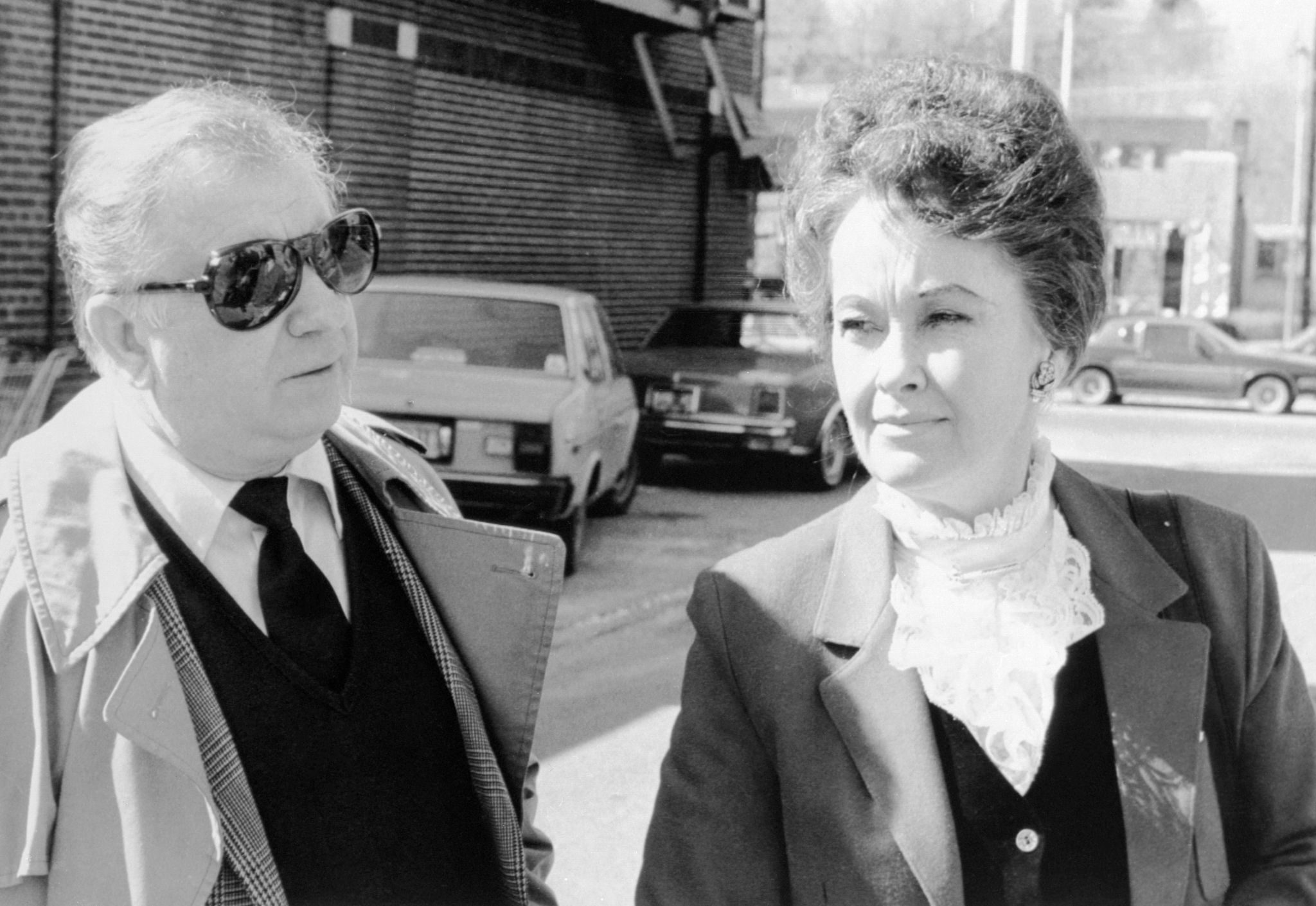
In the later years of their lives, the Warrens transitioned from active investigators to brand curators. They became the faces of a franchise where their likenesses (played by Patrick Wilson and Vera Farmiga) became more recognizable than their actual selves. This is a rare feat in personal branding: the creation of a “character version” of the brand that can live on indefinitely. By licensing their names and stories to Warner Bros. and New Line Cinema, they ensured that their brand’s reach would expand exponentially, regardless of their physical ability to work.
Managing Brand Credibility Amidst Controversy
Like any long-standing brand, the Warrens faced significant “product criticism” in the form of skepticism and debunking. From a brand management perspective, they handled this by leaning into the “faith-based” and “experiential” aspects of their work. They didn’t focus on winning scientific debates; they focused on storytelling. By prioritizing the narrative over the empirical, they maintained a loyal core audience while tapping into the universal human fascination with the unknown.
Brand Sustainability After Life: Managing the Warren Estate
The question of “what happened to Ed and Lorraine Warren” is most relevant in how their legacy is managed today. Ed passed away in 2006, and Lorraine in 2019, yet the brand is arguably more active and profitable now than it was during their lifetimes. This is due to a highly structured succession plan and IP management strategy.
The Role of Tony Spera and NESPR Continuity
The stewardship of the Warren brand fell to their son-in-law, Tony Spera. Under his leadership, the NESPR has transitioned from a research society into a brand management firm. Spera has been instrumental in maintaining the “sanctity” of the Warren brand, overseeing the Occult Museum’s legacy, and acting as the bridge between the original family history and the modern film franchise. This continuity is essential for brand trust; it signals to the audience that the “source material” is still being guarded by those closest to the founders.
Digital Transformation and the Modern Museum
While the physical museum has faced zoning and regulatory hurdles, the brand has successfully pivoted to digital and experiential marketing. Through “The Warren Files” and various sanctioned social media channels, the estate keeps the artifacts in the public eye. They have utilized modern digital tools—YouTube documentaries, virtual tours, and social media storytelling—to ensure that the Warren brand remains relevant to Gen Z and Millennial audiences who may have never seen the original Warrens in person.
The Conjuring Universe as a Brand Umbrella
What happened to the Warrens is that they evolved into an “umbrella brand.” The Conjuring Universe now includes spin-offs like “Annabelle,” “The Nun,” and “The Curse of La Llorona.” Each of these films serves as a brand extension that feeds back into the core Warren narrative. From a business finance perspective, this creates a diversified revenue stream where the original brand (Ed and Lorraine) benefits from the success of secondary and tertiary products.
Lessons in Brand Architecture: From Local Lecturers to Global Icons
The trajectory of Ed and Lorraine Warren offers several critical lessons for modern brand strategists and personal brands looking for longevity. Their success was not accidental; it was the result of consistent positioning and a deep understanding of their “unique selling proposition” (USP).
The Importance of Niche Dominance
The Warrens never tried to be generalists. They owned the “demonology” niche. By specializing so deeply, they became the first point of contact for media outlets, publishers, and film producers interested in that specific subject matter. In the modern attention economy, the Warrens prove that being the “only” or the “best” in a very narrow field is the most direct path to global brand recognition.
Storytelling as a Brand Asset
The Warrens understood that their real product wasn’t the “ghost hunt”; it was the story. They were master storytellers who understood the mechanics of tension, conflict, and resolution. For any personal brand, the ability to wrap one’s expertise in a compelling narrative is what creates emotional resonance with the audience. People don’t just follow the Warrens for paranormal facts; they follow them for the “Warren experience.”

Future-Proofing through Intellectual Property
By turning their life’s work into a series of documented “files,” the Warrens effectively created a bank of intellectual property. This allowed their brand to survive the death of its founders. For contemporary professionals and creators, the lesson is clear: build assets that can exist independently of your daily labor. Whether through books, licenses, or automated digital products, the goal is to create a brand that can “speak” when you are no longer in the room.
In conclusion, “what happened” to Ed and Lorraine Warren is that they successfully transitioned from human beings to a permanent fixture of global pop culture. Through strategic brand building, savvy media partnerships, and a commitment to their niche, they built a legacy that continues to generate millions in revenue and capture the imagination of millions of viewers worldwide. Their brand remains a hauntingly effective example of how to turn a personal passion into a commercial empire.
aViewFromTheCave is a participant in the Amazon Services LLC Associates Program, an affiliate advertising program designed to provide a means for sites to earn advertising fees by advertising and linking to Amazon.com. Amazon, the Amazon logo, AmazonSupply, and the AmazonSupply logo are trademarks of Amazon.com, Inc. or its affiliates. As an Amazon Associate we earn affiliate commissions from qualifying purchases.