
Endoscopic Retrograde Cholangiopancreatography, commonly known as ERCP, represents one of the most complex intersections of mechanical engineering, high-definition optical technology, and real-time diagnostic software in modern medicine. While traditionally viewed through a clinical lens, the ERCP procedure is, at its core, a marvel of technological integration. It combines advanced endoscopy with fluoroscopic imaging to visualize and treat disorders of the biliary and pancreatic ductal systems. As we move further into the era of digital health, the evolution of the ERCP suite highlights significant trends in miniaturization, sensor technology, and the implementation of artificial intelligence in procedural workflows.
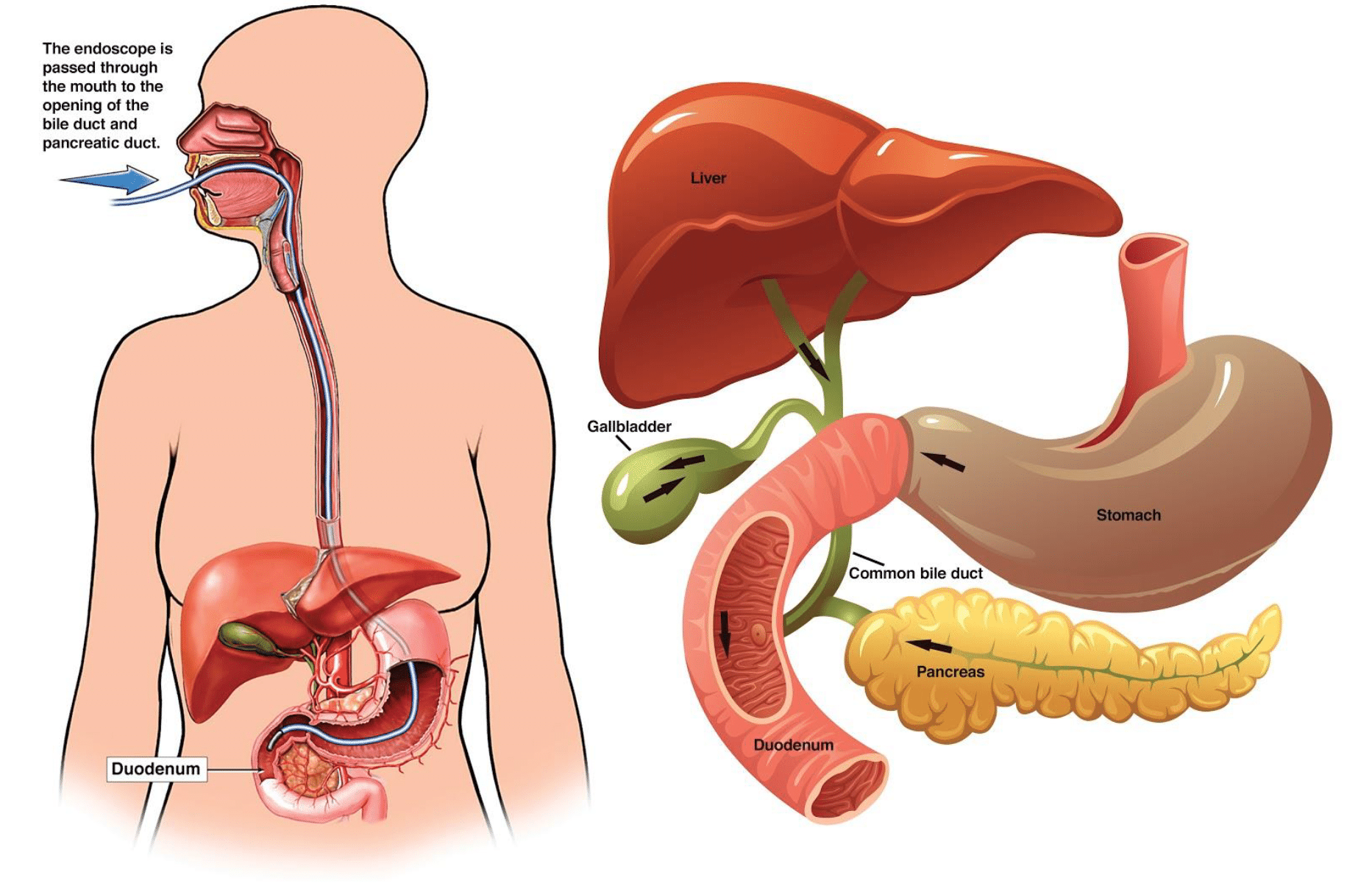
Understanding the “what” of ERCP requires looking beyond the procedure itself and into the sophisticated hardware and software ecosystems that make it possible. From the silicon-based image sensors at the tip of the scope to the complex algorithms used to interpret fluoroscopic data, ERCP stands as a benchmark for what is achievable when high-tech tools are applied to internal diagnostics.
The Technological Evolution of Endoscopic Hardware
The hardware used in an ERCP procedure—the duodenoscope—is a specialized piece of equipment that differs significantly from standard gastrointestinal endoscopes. The technological requirements for navigating the complex anatomy of the duodenum and successfully cannulating the Papilla of Vater demand a high degree of mechanical precision and optical clarity.
High-Definition Imaging and CMOS Sensors
In the early days of endoscopy, fiber-optic bundles were used to transmit images from the tip of the scope to the operator’s eye. This technology was limited by “honeycomb” patterns and a lack of brightness. Modern ERCP suites have replaced these with Charge-Coupled Device (CCD) or Complementary Metal-Oxide-Semiconductor (CMOS) sensors located directly at the distal tip.
The shift to CMOS technology has been a game-changer for digital endoscopy. These sensors allow for high-definition (HD) and even 4K video streams, providing the proceduralist with unprecedented detail. This resolution is critical when identifying subtle tissue changes or the precise orientation of a guide wire. Furthermore, digital signal processing (DSP) units integrated into the scope’s processor can perform real-time image enhancement, such as noise reduction and edge sharpening, which are essential when working in the fluid-heavy environment of the gastrointestinal tract.
Advanced Light Management and Narrow Band Imaging (NBI)
Lighting is another area where tech has revolutionized the procedure. High-intensity LED light sources have replaced older xenon lamps, offering more consistent color temperatures and longer lifespans. However, the true innovation lies in proprietary light-filtering technologies like Narrow Band Imaging. By using specific wavelengths of light that are absorbed by hemoglobin, NBI allows the tech to highlight the microvascular structure of the ductal lining. This digital “staining” helps in the early detection of neoplastic changes without the need for physical dyes, representing a significant leap in optical diagnostic software.
The Mechanics of the “Elevator” and Single-Use Innovation
Unique to the duodenoscope is the “elevator” mechanism—a tiny, steerable lever at the tip of the scope that allows for the fine-tuning of accessory angles. The engineering required to maintain tension and responsiveness in such a small mechanical component is immense. Recently, the industry has seen a push toward single-use, fully disposable duodenoscopes. This shift is driven by the technical challenge of disinfecting complex mechanical parts. By utilizing high-volume injection molding and low-cost digital sensors, tech manufacturers have created single-use devices that eliminate cross-contamination risks while maintaining the high performance of reusable hardware.
Integrating Artificial Intelligence and Machine Learning
The next frontier for ERCP is the integration of Artificial Intelligence (AI) and Machine Learning (ML) into the procedural workflow. As video data is captured in real-time, software overlays are beginning to play a role in decision support and diagnostic accuracy.
Computer-Aided Diagnosis (CADx)
In the context of ERCP, AI models—specifically Convolutional Neural Networks (CNNs)—are being trained on tens of thousands of endoscopic images to identify pathologies such as biliary stones, strictures, or tumors. During a procedure, the AI software can scan the live video feed and highlight areas of concern that might be invisible to the human eye. This “augmented reality” for the proceduralist ensures that high-risk lesions are not overlooked, effectively serving as a second pair of expert eyes.
Automated Fluoroscopy Analysis
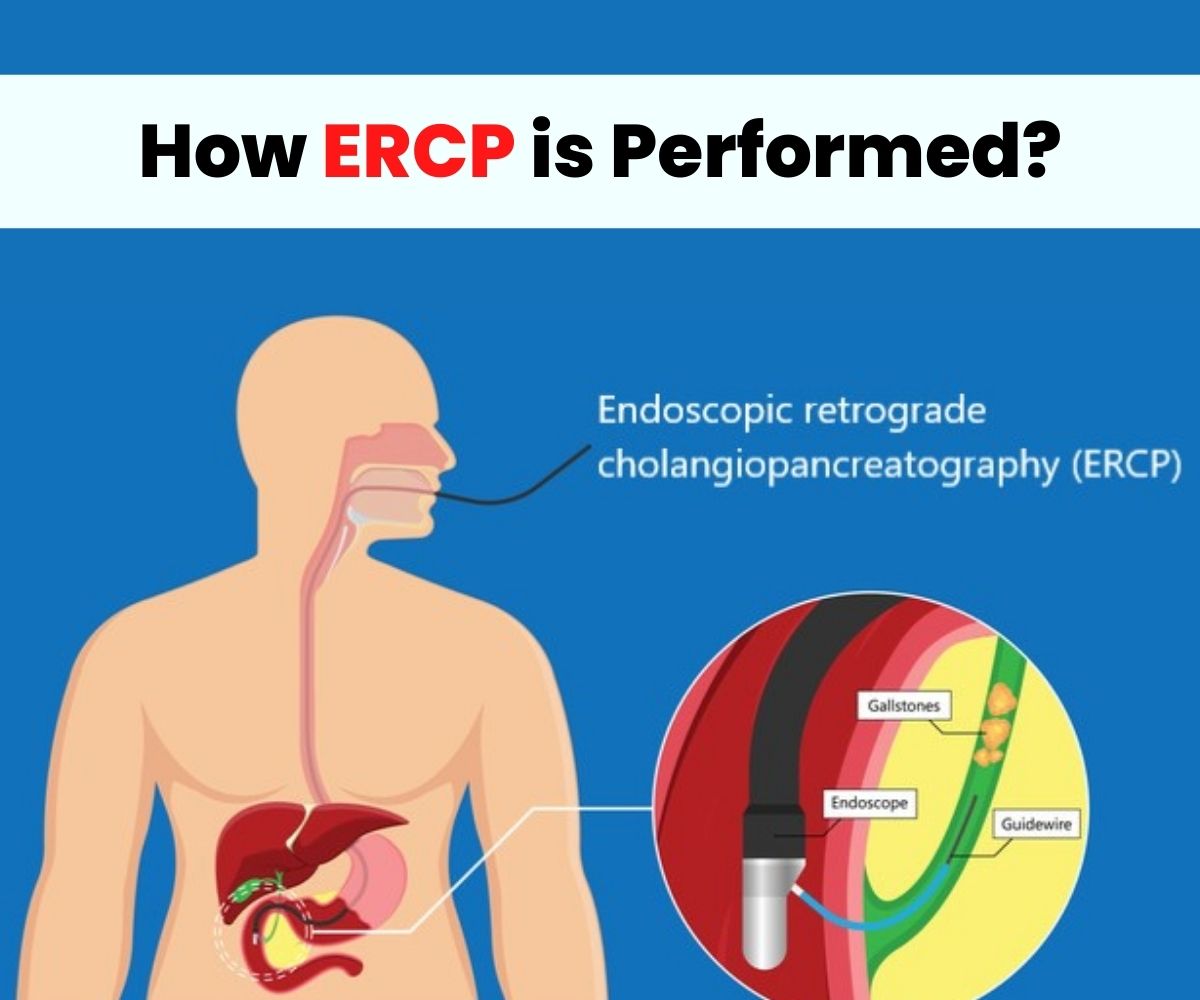
ERCP relies heavily on fluoroscopy, a type of X-ray that shows real-time motion. Modern ERCP software can now automate the analysis of these fluoroscopic images. By using pattern recognition, the software can track the movement of guide wires and stents, alerting the team if there is a deviation from the intended path. This integration reduces the “fluoroscopy time”—the amount of radiation exposure to both the patient and the staff—by optimizing the capture of necessary images through smart-triggering algorithms.
Predictive Analytics for Procedural Outcomes
Beyond the operating room, big data and predictive analytics are being used to assess the technical difficulty of an ERCP before it even begins. By analyzing a patient’s prior imaging (CT or MRI) and lab results, machine learning algorithms can predict the likelihood of a “difficult cannulation.” This allows tech-enabled hospitals to allocate resources more effectively, ensuring that the most advanced robotic-assisted tools and experienced staff are available for high-complexity cases.
The Rise of Robotic-Assisted Endoscopy
Robotics is perhaps the most visible “Tech” trend within the ERCP landscape. While traditional endoscopy is a manual skill, robotic platforms are being developed to bring a higher level of stability and precision to the process.
Enhanced Precision and Ergonomics
Robotic-assisted ERCP platforms allow the operator to control the scope and accessories from a digital console. This setup uses haptic feedback technology to translate the doctor’s movements into precise mechanical actions at the scope’s tip. The tech eliminates natural hand tremors and allows for “sub-millimeter” adjustments that are nearly impossible with human hands alone. This level of precision is particularly valuable when performing complex tasks like lithotripsy (breaking up stones) or placing intricate plastic or metal stents.
Micromotors and Steerable Catheters
The accessories used during an ERCP, such as catheters and sphincterotomes, are also becoming “smarter.” New generations of steerable catheters utilize micro-engineering to allow for multi-directional movement. Some are even equipped with micromotors that can be controlled via a joystick, allowing the tech to navigate the tortuous turns of the biliary tree with minimal trauma to the surrounding tissue.
Data Security and Digital Infrastructure in the Endoscopy Suite
As ERCP procedures become increasingly digitized, the focus on the underlying IT infrastructure and digital security has grown. An ERCP suite is no longer just a room with a scope; it is a node in a massive medical network.
Cloud Integration and DICOM Standards
The high-resolution video and fluoroscopic images generated during an ERCP represent a massive amount of data. Modern systems utilize the DICOM (Digital Imaging and Communications in Medicine) standard to ensure that this data can be seamlessly transferred between different software platforms. Cloud-based storage solutions now allow for the instant sharing of procedural videos with specialists across the globe for remote consultation, provided the data is handled through encrypted, HIPAA-compliant channels.
Cybersecurity in Interconnected Devices
With the rise of the Internet of Medical Things (IoMT), the devices used in an ERCP suite—from the scope processor to the anesthesia monitor—are often interconnected. This connectivity introduces potential vulnerabilities. Tech manufacturers are now prioritizing cybersecurity, implementing multi-factor authentication, and utilizing hardware-level encryption to ensure that the surgical equipment cannot be compromised. The integrity of the software running these devices is paramount, as a lag in video processing or a software glitch during a critical part of the procedure could have serious consequences.
The Future: Virtual Reality and Tele-ERCP
Looking ahead, the fusion of ERCP and high-end tech is moving toward virtualization and remote operation. These trends aim to solve the problem of accessibility and training in specialized medical procedures.
VR and AR in Training
Virtual Reality (VR) simulators are becoming the gold standard for training. Using high-fidelity haptic feedback devices, these simulators replicate the “feel” of an ERCP. The software can simulate various anatomical anomalies and complications, allowing trainees to practice in a risk-free digital environment. Augmented Reality (AR) is also being used to overlay 3D models of a patient’s specific anatomy onto the proceduralist’s view during the actual surgery, providing a “GPS” for the internal organs.
The Prospect of Tele-Endoscopy
The advent of 5G and low-latency satellite internet has opened the door for tele-ERCP. In this scenario, a specialist in a major urban center could remotely control a robotic endoscopy platform in a rural or underserved area. While still in the experimental stages, the tech required for this—ultra-low latency video streaming and high-speed robotic control loops—is rapidly maturing.
In conclusion, ERCP is much more than a medical procedure; it is a flagship for technological progress in the digital age. By integrating high-resolution optics, AI-driven diagnostics, robotic precision, and secure data infrastructures, the “what” of ERCP continues to evolve. It serves as a prime example of how software and hardware innovation can come together to solve complex physical challenges, pushing the boundaries of what is possible in the realm of high-tech intervention.
aViewFromTheCave is a participant in the Amazon Services LLC Associates Program, an affiliate advertising program designed to provide a means for sites to earn advertising fees by advertising and linking to Amazon.com. Amazon, the Amazon logo, AmazonSupply, and the AmazonSupply logo are trademarks of Amazon.com, Inc. or its affiliates. As an Amazon Associate we earn affiliate commissions from qualifying purchases.