
In the traditional sense, a calorie is a unit of energy—specifically, the amount of heat required to raise the temperature of one gram of water by one degree Celsius. For decades, this definition remained the province of physics and chemistry laboratories, measured through the combustion of food in a bomb calorimeter. However, in the modern era, the calorie has undergone a profound digital transformation. It is no longer just a physical measurement; it has become a data point, a core metric in the “Quantified Self” movement, and the primary variable in complex algorithms that govern the health-tech industry.
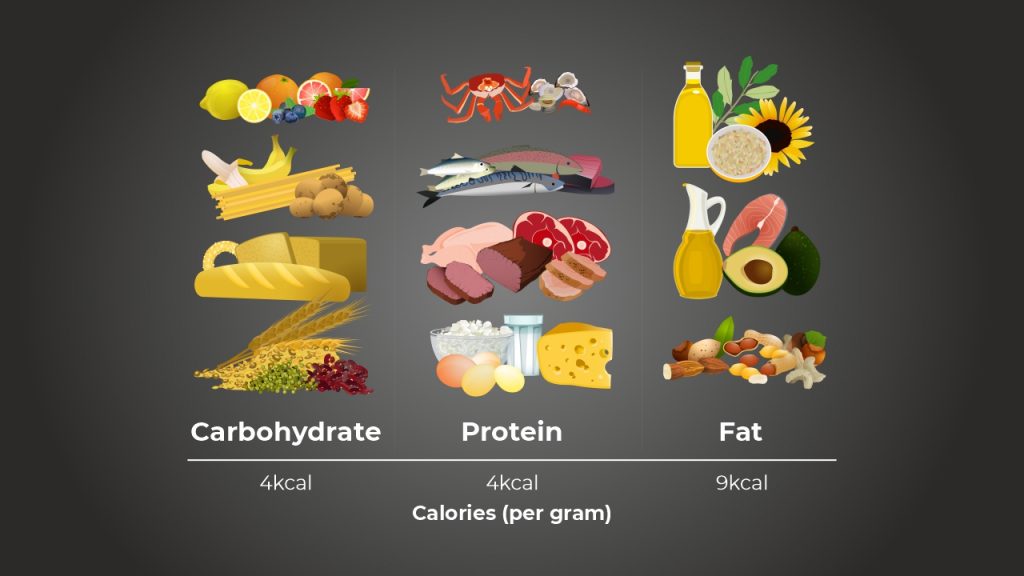
As we move deeper into the integration of artificial intelligence and wearable hardware, the question “what is the calorie?” shifts from a biological inquiry to a technological one. To understand the calorie today, we must look at how software, sensors, and machine learning are redefining our relationship with metabolic energy.
The Algorithmic Calorie: How Wearables Estimate Energy Expenditure
The most common interaction modern consumers have with the calorie is via the wrist. Smartwatches and fitness trackers from industry giants like Apple, Garmin, and Samsung have turned calorie tracking into a real-time, streaming data service. Yet, these devices do not actually measure calories. Instead, they use proxy data to estimate energy expenditure through sophisticated mathematical models.
Sensor Fusion and Data Inputs
The technology behind a modern wearable relies on “sensor fusion.” To calculate a calorie, the device combines inputs from several hardware components:
- Optical Heart Rate Sensors (PPG): By shining green light into the skin and measuring the light reflected back, these sensors detect blood flow volume. Higher heart rates generally correlate with higher metabolic demand, which the software translates into caloric burn.
- Accelerometers and Gyroscopes: These sensors track movement in three dimensions. By identifying specific motion patterns—such as the difference between a step and a pedal stroke—the software can apply different metabolic equivalent (MET) values to the activity.
- Biometric User Profiles: The algorithm filters all sensor data through the user’s digital profile, including age, weight, height, and biological sex, which establish the Basal Metabolic Rate (BMR).
The Role of Machine Learning in Accuracy
The challenge for tech developers is that every human body is unique. Two people of the same weight may burn calories at vastly different rates due to muscle density or hormonal profiles. To solve this, companies are increasingly deploying machine learning models trained on vast datasets of physiological data. These AI models can identify “signatures” of efficiency or fatigue, adjusting the calorie count based on how a user’s heart rate recovers after a sprint or how their gait changes over a long walk.
The Digitalization of Nutritional Input: AI and Image Recognition
While wearables track “calories out,” the “calories in” side of the equation has historically been the weakest link in health-tech due to the friction of manual data entry. However, the rise of computer vision and AI-powered apps is changing the nature of nutritional logging, turning the calorie into a visual data object.
Neural Networks and Food Recognition
Leading health apps are now integrating proprietary neural networks that allow users to simply point a smartphone camera at a plate of food. These AI tools perform several high-speed tasks:
- Object Detection: Identifying that a plate contains “salmon,” “quinoa,” and “broccoli.”
- Volume Estimation: Using depth-sensing technology (like LiDAR in modern smartphones) to calculate the portion size and volume of each ingredient.
- Database Cross-Referencing: Mapping those visual estimates against massive nutritional databases to produce an instantaneous caloric estimate.
This shift moves the calorie from a printed label on a package to a dynamic, searchable, and interpretable digital asset.
The Integration of Continuous Glucose Monitors (CGMs)
Perhaps the most significant technological leap in defining the calorie is the consumerization of Continuous Glucose Monitors. Originally medical devices for diabetics, CGMs are now being marketed as high-tech performance tools. These sensors provide a real-time stream of blood sugar data to a smartphone, showing exactly how a specific “calorie” affects an individual’s internal chemistry. In this tech-driven paradigm, a calorie is no longer a static number; it is a metabolic event that can be graphed, analyzed, and optimized in real-time.
The Future of Precision Nutrition: From Generalities to Digital Twins
As we look toward the next decade, the definition of a calorie will be further refined by precision health technologies. We are moving away from the “one-size-fits-all” model of 2,000 calories a day toward a model based on individual digital twins.
Digital Twins and Predictive Modeling
A “digital twin” is a virtual representation of a physical object—in this case, the human body. By synthesizing data from wearables, genetic testing (DNA), and microbiome sequencing, AI can create a predictive model of a user’s metabolism. In this ecosystem, the calorie is viewed through the lens of “bio-availability.”
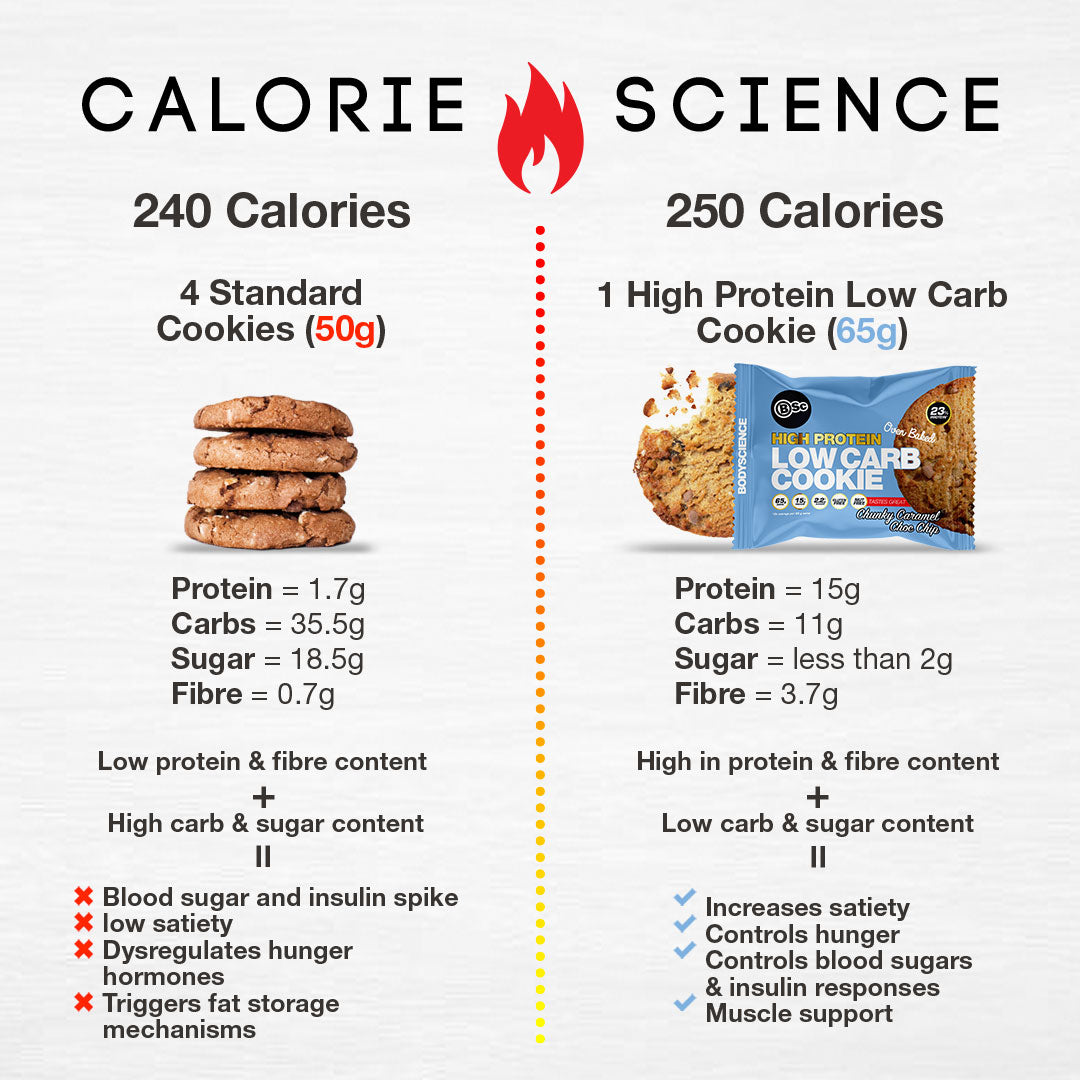
Tech companies are developing software that recognizes that 100 calories of almonds is not digitally or biologically equivalent to 100 calories of sugar. The software accounts for the “thermic effect of food” (the energy required to digest it) and the user’s specific gut bacteria profile. This level of granularity turns the calorie into a multi-dimensional data point that includes fiber content, glycemic load, and micronutrient density.
The Role of Big Data in Public Health
On a macro level, the aggregation of calorie data across millions of users provides a “big data” look at human health. Technology platforms can now analyze how caloric intake patterns correlate with sleep quality, stress levels (measured via Heart Rate Variability), and long-term wellness trends. This allows for the development of “nudge” engines—AI assistants that provide real-time feedback, such as: “Based on your low activity today and your current blood glucose, you should aim for a 400-calorie dinner with high protein.”
Privacy, Security, and the Calorie Data Economy
The transformation of the calorie into a digital metric brings significant challenges regarding data security and privacy. As calorie tracking becomes more precise, the data becomes more valuable—and more sensitive.
The Monetization of Metabolic Data
Information about what an individual eats and how much energy they expend is highly coveted by insurance companies, food conglomerates, and pharmaceutical firms. If a wearable device knows exactly how many calories you burn and the quality of your diet, that data could theoretically be used to adjust insurance premiums or target hyper-specific advertisements. The tech industry is currently at a crossroads, balancing the utility of shared health data with the necessity of end-to-end encryption and user anonymity.
Cybersecurity for Health-Tech Ecosystems
As we rely on cloud-based platforms to store our “caloric history,” the risk of data breaches increases. Modern health-tech firms are investing heavily in decentralized storage and blockchain technology to ensure that a user’s metabolic identity remains private. In this context, protecting your “calorie data” is becoming as critical as protecting your financial or social security information. The calorie has evolved from a simple unit of heat into a piece of highly sensitive personal intellectual property.

Conclusion: The New Metrology of Energy
What is the calorie? In the 21st century, it is much more than a thermal unit. It is the core currency of the health-tech revolution. It is a value calculated by sensors, refined by artificial intelligence, and visualized on high-resolution displays. It is a metric that bridges the gap between our physical biological processes and our digital lives.
As wearable technology becomes more ubiquitous and AI becomes more sophisticated, our understanding of the calorie will continue to shift. We are moving toward a future where “the calorie” is a personalized, real-time feedback loop that empowers individuals to master their own biology. In the tech world, the calorie is no longer something we just consume; it is something we track, analyze, and optimize to unlock the full potential of the human machine.
aViewFromTheCave is a participant in the Amazon Services LLC Associates Program, an affiliate advertising program designed to provide a means for sites to earn advertising fees by advertising and linking to Amazon.com. Amazon, the Amazon logo, AmazonSupply, and the AmazonSupply logo are trademarks of Amazon.com, Inc. or its affiliates. As an Amazon Associate we earn affiliate commissions from qualifying purchases.