
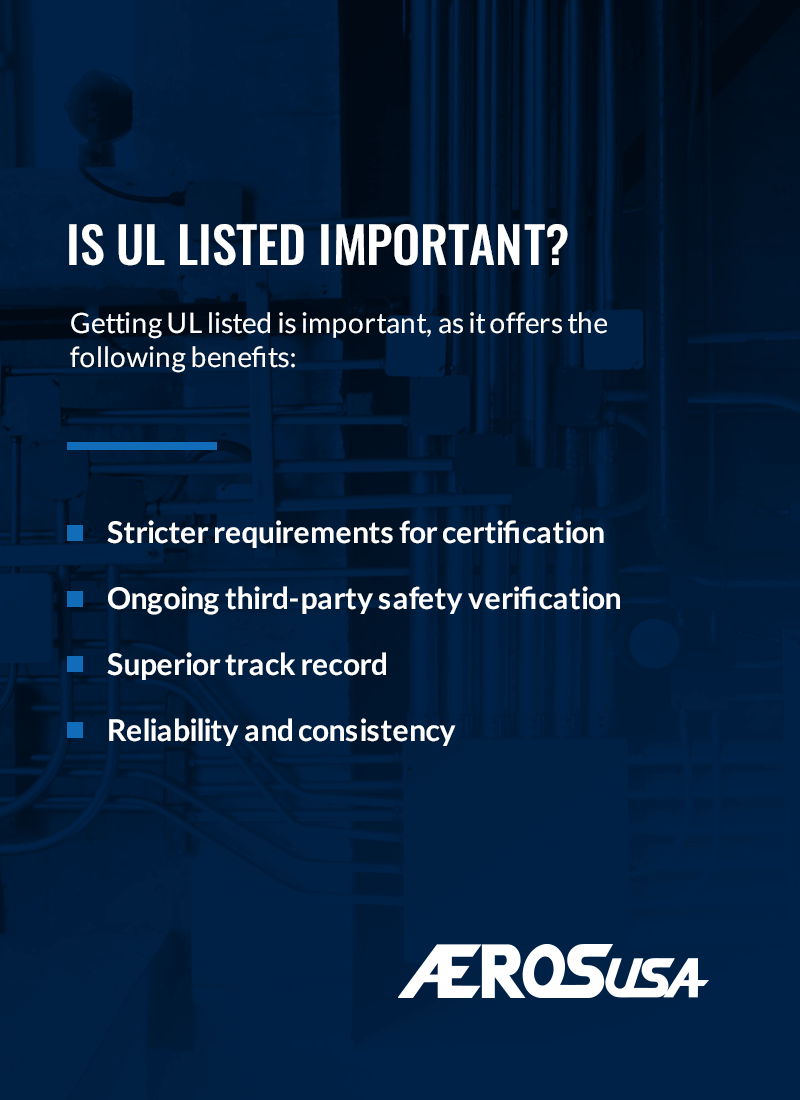
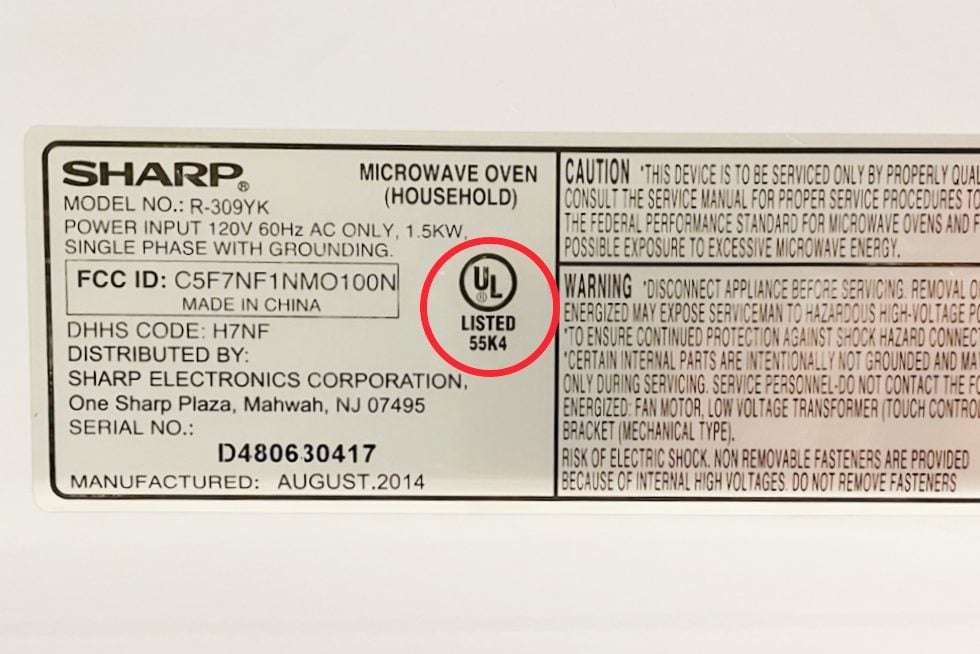
In the rapidly evolving landscape of consumer electronics, industrial hardware, and digital infrastructure, the term “UL Listed” serves as a cornerstone of technical integrity. Whether you are unboxing a high-end gaming laptop, installing a new smart home hub, or overseeing the deployment of a multi-petabyte data center, the small, circled “UL” logo is often present. Yet, despite its ubiquity, many tech professionals and enthusiasts remain unclear about the specific rigorous engineering requirements and testing protocols this certification entails.
To be UL Listed means that a product has been tested by Underwriters Laboratories (UL)—a global safety science leader—and determined to meet specific, documented safety and performance standards. In the context of technology, this certification is not merely a legal hurdle; it is a critical benchmark for hardware reliability, fire prevention, and electrical safety. As we integrate more complex circuitry and high-density power systems into our daily lives, understanding the technical nuances of UL Listing becomes paramount for ensuring both operational uptime and physical safety.

The Engineering Behind the Seal: Testing and Compliance
The process of achieving a UL Listing is an exhaustive journey through engineering stress tests, material analysis, and failure mode simulations. Unlike “self-certification” models used in some international markets, UL is a third-party validator. This independence ensures that a hardware manufacturer’s claims about power efficiency, heat dissipation, and insulation are verified by an objective technical authority.
Rigorous Hardware Testing Protocols
When a piece of technology—such as a power supply unit (PSU) or a network router—is submitted for UL Listing, it undergoes a series of “worst-case scenario” tests. Engineers at UL subject the device to overvoltage conditions, extreme temperature fluctuations, and physical impacts. For instance, in the realm of power electronics, a device must demonstrate that even if an internal component fails, the failure will be “contained.” This means the device will not catch fire, emit toxic fumes, or create an electrical shock hazard to the user or connected peripherals.
For modern gadgets powered by Lithium-ion batteries, the UL 2271 and UL 1642 standards are particularly vital. These tests evaluate the battery cells’ resistance to crushing, heating, and overcharging—common failure points that have led to high-profile tech recalls in the past decade.
Material Science and Component Integrity
UL Listing extends beyond the final product to the very materials used in construction. The plastics used in server chassis, the resins in circuit boards, and the shielding on high-speed data cables must all meet specific flammability ratings (such as UL 94). In a high-density tech environment, such as a server rack, a single non-compliant component can become a fuse that compromises millions of dollars in hardware. A UL Listed product guarantees that every internal material has been vetted for its ability to resist ignition and slow the spread of fire.
Why UL Listing is Critical for Modern Tech Ecosystems
As technology shifts toward the Internet of Things (IoT) and high-performance computing, the stakes for hardware failure have never been higher. A faulty smart plug is no longer just a minor inconvenience; it is a potential entry point for electrical instability in a fully automated home.
Consumer Electronics and User Safety
In the consumer tech sector, the UL mark is the primary defense against the influx of “gray market” electronics. Uncertified chargers and peripherals often lack the sophisticated voltage regulation and thermal cut-offs required for safe operation. A UL Listed charger for a smartphone or laptop includes dedicated circuitry designed to communicate with the device’s battery management system (BMS), ensuring that power delivery is throttled or disconnected if temperatures exceed safe thresholds. Without this certification, users risk damaging their expensive hardware or, worse, causing electrical fires.
Data Center Reliability and Infrastructure
For enterprise technology, UL Listing is a fundamental requirement for insurance and local building codes. Data centers utilize massive amounts of power, often distributed through complex Power Distribution Units (PDUs) and Uninterruptible Power Supplies (UPS). If these components were not UL Listed, the risk of “arc flash” or catastrophic thermal runaway would make the facility uninsurable.
Furthermore, UL standards like UL 60950-1 (and the newer UL 62368-1) specifically address the safety of Information Technology Equipment. These standards have evolved to cover not just electrical safety, but also “energy-based” safety, accounting for the high-power throughput required by modern AI processing units and GPU clusters.
IoT and the Convergence of Digital and Physical Safety
The rise of smart cities and automated industrial systems has blurred the lines between software and hardware safety. A UL Listed smart thermostat or industrial controller has been tested for its ability to maintain safe operations even if the network connection is lost or the software crashes. This “fail-safe” engineering is a core component of UL certification, ensuring that the physical hardware remains stable regardless of the digital state of the device.
UL Listed vs. UL Recognized: Deciphering Technical Certification
A common point of confusion in the tech industry is the distinction between “UL Listed” and “UL Recognized.” While they sound similar, they represent different levels of integration and testing, and using the wrong one in a design can lead to compliance failures.
UL Listed: The End-Product Standard
The UL Listed mark is reserved for complete, stand-alone products that are ready for consumer or industrial use. This includes items like desktop computers, monitors, printers, and external hard drives. When you see the UL Listed mark, it implies that the entire assembly—including the housing, the internal boards, the power cord, and the cooling system—has been tested as a unified system. It is the “gold standard” for products intended for the end-user.
UL Recognized: The Component Standard
In contrast, the UL Recognized mark (often depicted as a reverse ‘RU’ symbol) is for individual components that are intended to be part of a larger mechanism. A cooling fan inside a server or a specific capacitor on a motherboard might be UL Recognized. These components are not meant to be used on their own; rather, they are “pre-approved” to be used by manufacturers who are building a UL Listed product.
For tech developers and hardware engineers, sourcing UL Recognized components is a strategic move. It significantly streamlines the final UL Listing process for the end product, as the testing body already has data on the safety and performance characteristics of the internal parts.
The Impact of Global Tech Standards on Innovation
Some argue that strict certification processes like UL Listing can slow down the “move fast and break things” ethos of the tech industry. However, a closer look reveals that these standards actually facilitate global innovation by providing a common language of safety and reliability.
Streamlining International Product Launches
By adhering to UL standards, which are often harmonized with international standards such as the International Electrotechnical Commission (IEC), tech companies can more easily enter global markets. For example, the transition to UL 62368-1 was a major milestone in aligning North American and European safety standards for audio, video, and IT equipment. This harmonization allows a startup in Silicon Valley or a manufacturer in Shenzhen to design a single hardware architecture that meets the safety requirements of multiple jurisdictions, reducing R&D costs and time-to-market.
Supporting the Transition to Renewable Energy Tech
The tech sector is currently undergoing a massive shift toward electrification and renewable energy integration. From EV charging stations to residential battery storage systems (like the Tesla Powerwall), UL Listing is at the forefront of this transition. UL 9540, for instance, is the standard for Energy Storage Systems (ESS). This certification ensures that the complex interplay between chemical energy, power electronics, and software control systems is handled safely. Without these rigorous benchmarks, the adoption of green tech would be plagued by reliability concerns and safety incidents that could set the industry back decades.
The Future of UL in the AI and High-Density Computing Era
As we look toward the future, the definition of what it means to be UL Listed is expanding to meet the challenges of next-generation technology. We are entering an era of liquid-cooled servers, AI-driven power management, and ultra-fast charging protocols.
The next frontier for UL involves the intersection of cybersecurity and physical safety. In 2016, UL introduced the Cybersecurity Assurance Program (CAP), specifically the UL 2900 series of standards. While traditional UL Listing focuses on whether a device will catch fire, these newer certifications assess whether a device’s software vulnerabilities could lead to a physical safety failure. For example, could a hacker override the thermal sensors in a server, causing it to overheat and ignite? This holistic approach to safety—integrating hardware integrity with digital security—is the new mandate for the modern tech landscape.
In conclusion, “UL Listed” is far more than a compliance checkbox. It is a rigorous technical framework that ensures our increasingly complex world of gadgets, servers, and smart systems remains safe and functional. For the tech professional, it represents a commitment to engineering excellence. For the consumer, it provides the peace of mind necessary to embrace new innovations. As technology continues to permeate every facet of our lives, the role of UL as a guardian of safety and a catalyst for reliable innovation remains more vital than ever.
aViewFromTheCave is a participant in the Amazon Services LLC Associates Program, an affiliate advertising program designed to provide a means for sites to earn advertising fees by advertising and linking to Amazon.com. Amazon, the Amazon logo, AmazonSupply, and the AmazonSupply logo are trademarks of Amazon.com, Inc. or its affiliates. As an Amazon Associate we earn affiliate commissions from qualifying purchases.