
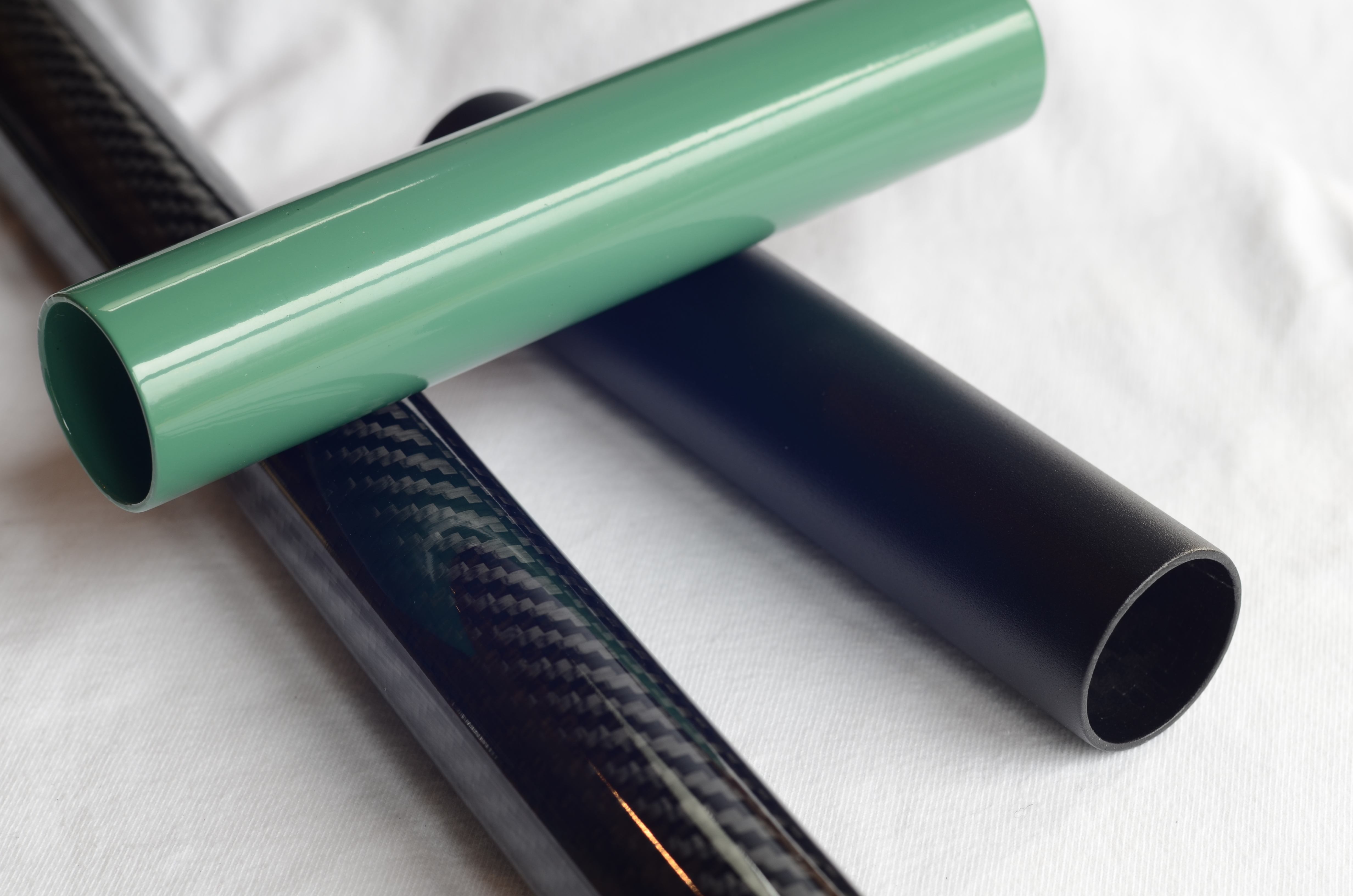
In the landscape of modern industrial technology and hardware engineering, the quest for materials that balance aesthetic precision with extreme durability is ongoing. While traditional liquid painting has been the standard for centuries, the emergence of powder coating has revolutionized the way we protect and finish steel components. At its core, powder coated steel is the result of an advanced dry finishing process that utilizes a mix of pigment and protective resins, applied electrostatically and cured under intense heat.
This technology is not merely a cosmetic choice; it is a sophisticated material science solution designed to withstand the rigors of high-performance environments. From the server racks that house the world’s data to the intricate chassis of electric vehicle (EV) batteries, powder coated steel has become the backbone of modern tech infrastructure. Understanding what this material is requires a deep dive into the physics of electrostatics, the chemistry of polymers, and the engineering of thermal curing.
The Engineering Behind the Finish: A Technological Overview
The technological breakthrough of powder coating lies in its application method. Unlike liquid paint, which relies on an evaporating solvent to deliver the pigment to a surface, powder coating is applied as a free-flowing, dry powder. This eliminates the need for volatile organic compounds (VOCs) and allows for a much thicker, more uniform layer than traditional methods.
The Physics of Electrostatic Spray Deposition (ESD)
The most common method of applying the powder to the steel substrate is Electrostatic Spray Deposition (ESD). This process utilizes a specialized spray gun that imparts a positive electric charge to the powder particles as they are propelled toward the workpiece. The steel component is grounded, creating an electrostatic field that attracts the charged particles.
This physical phenomenon ensures that the powder wraps around the entire component, even in complex geometries or recessed areas that would be difficult to reach with a standard spray. This “wrap-around” effect is a critical technological advantage for hardware engineers, as it ensures that every millimeter of the steel is protected from oxidation and environmental degradation.
Chemical Composition: Thermoplastics vs. Thermosets
The “powder” in powder coating is a complex blend of polymer resins, pigments, leveling agents, and flow modifiers. In the tech manufacturing sector, two primary types of polymers are used:
- Thermoset Polymers: These are the most common in industrial applications. During the curing process, the powder undergoes a chemical cross-linking reaction. Once cured, the coating cannot be remelted. This makes it exceptionally resistant to heat and chemical exposure, ideal for high-performance hardware.
- Thermoplastic Polymers: These powders melt and flow when heat is applied but do not undergo a chemical change. They are often used for thicker, more flexible coatings that require high impact resistance, such as those found on external industrial machinery.
The Thermal Curing Process: Molecular Stability and Strength
Once the steel has been coated with the dry powder, it must undergo a process known as thermal curing. This is where the material science truly comes to life. The coated steel is placed into a curing oven, where temperatures typically range from 350°F to 450°F (175°C to 230°C).
Molecular Cross-Linking and Film Formation
As the powder reaches its melting point, the individual particles flow together to form a continuous, liquid-like film. In thermoset powders, this heat triggers a chemical reaction called cross-linking. On a molecular level, the polymer chains bond together to create a rigid, three-dimensional network.
This molecular structure is significantly more stable than the simple dried film of liquid paint. It results in a finish that is tougher, more flexible, and more resistant to mechanical stresses. For engineers designing hardware that must endure vibration, thermal expansion, or physical impact, this molecular stability is a non-negotiable requirement.
Advanced Quality Control and Uniformity
Modern powder coating lines utilize sophisticated sensors and software to monitor the curing process in real-time. Infrared sensors track the surface temperature of the steel, ensuring that the entire component reaches the “soak time” required for complete cross-linking. Furthermore, digital thickness gauges—often utilizing ultrasonic technology—are used to ensure the coating meets precise engineering specifications, typically measured in microns. This level of precision is essential for tech components that must fit within tight tolerances, such as modular server components or aerospace housings.
Strategic Integration in the Modern Tech Infrastructure
Powder coated steel is ubiquitous in the technology sector, serving as the literal shell for the digital age. Its selection is driven by its unique combination of dielectric properties, thermal management, and physical ruggedness.
Data Centers and Network Hardware

The world’s digital infrastructure relies on server racks and enclosures that are almost exclusively made of powder coated steel. In a data center environment, these enclosures must provide more than just physical security. The powder coating provides a smooth, non-porous surface that resists dust accumulation—a critical factor in maintaining the airflow necessary for cooling high-density compute clusters.
Furthermore, specialized powder coatings can be engineered with anti-static properties. Dissipative coatings help manage electrostatic discharge (ESD) risks, protecting sensitive silicon components from catastrophic failure.
Electric Vehicles and Renewable Energy Systems
As the tech industry pivots toward sustainable energy, powder coated steel has found a new home in EV battery enclosures and solar inverter housings. These components are subjected to extreme environmental stress, including road salt, moisture, and rapid temperature fluctuations.
The superior corrosion resistance of powder coated steel—often tested via 1,000+ hour salt spray tests—ensures that the critical power electronics within an EV or a solar array remain protected for decades. In these applications, the coating acts as a high-performance barrier that prevents the electrochemical degradation of the steel substrate.
Green Manufacturing: The Environmental Technology of Powder Coating
In an era where “Green Tech” is a priority for corporate social responsibility and regulatory compliance, powder coating stands out as one of the most environmentally friendly finishing technologies available.
Elimination of Volatile Organic Compounds (VOCs)
Traditional liquid paints contain solvents that release VOCs into the atmosphere as they dry. These compounds contribute to ozone depletion and pose health risks to workers. Because powder coating is a dry process, it is virtually VOC-free. This allows manufacturing facilities to meet stringent environmental standards without the need for expensive “afterburner” systems to scrub exhaust air.
Closed-Loop Recovery and Efficiency
One of the most impressive technological features of a powder coating line is the reclaim system. In a liquid spray booth, overspray is wasted and becomes hazardous waste. In a modern powder coating booth, the “overspray” is captured by a vacuum system and passed through a cyclone separator or cartridge filter.
This reclaimed powder can be filtered and mixed back into the virgin powder supply, resulting in utilization rates of up to 98%. This high level of efficiency reduces material waste and lowers the total carbon footprint of the manufacturing process, making it the preferred choice for tech companies focused on sustainable supply chains.
The Next Frontier: Integration of Smart Materials and Nanotechnology
The technology of powder coating is not static. We are currently witnessing the integration of nanotechnology and “smart” materials into the coating process, further expanding the capabilities of steel hardware.
Anti-Microbial and Self-Healing Coatings
In the post-pandemic tech landscape, there is an increased demand for anti-microbial surfaces on shared hardware, such as kiosks, point-of-sale terminals, and medical devices. Engineers are now incorporating silver-ion technology into the powder coating matrix, creating surfaces that actively inhibit the growth of bacteria and viruses.
Additionally, research into self-healing polymers is making its way into the powder coating industry. These coatings contain micro-capsules filled with a “healing” resin. If the surface is scratched, the capsules rupture and release the resin, which then hardens to seal the breach. This technology could significantly extend the lifespan of hardware deployed in harsh industrial or outdoor environments.
Conductive and Thermal Management Coatings
While powder coating is traditionally an insulator, new formulations are being developed that incorporate carbon nanotubes or graphene to create conductive surfaces. This allows for EMI/RFI shielding directly on the steel enclosure, eliminating the need for separate shielding components in sensitive electronic devices.
Furthermore, thermally conductive powder coatings are being used to assist in heat dissipation. By enhancing the radiative properties of the steel surface, these coatings help pull heat away from internal components, contributing to the overall thermal efficiency of the hardware.
In conclusion, powder coated steel is far more than a simple finishing choice. It is a sophisticated technological solution that combines physics, chemistry, and environmental science to meet the demanding needs of the modern tech industry. As we continue to build the hardware of the future, the evolution of powder coating will remain a critical factor in ensuring our materials are as resilient and advanced as the software they protect.
aViewFromTheCave is a participant in the Amazon Services LLC Associates Program, an affiliate advertising program designed to provide a means for sites to earn advertising fees by advertising and linking to Amazon.com. Amazon, the Amazon logo, AmazonSupply, and the AmazonSupply logo are trademarks of Amazon.com, Inc. or its affiliates. As an Amazon Associate we earn affiliate commissions from qualifying purchases.