
In the landscape of modern marketing and personal development, the term “branding” is often relegated to logos, color palettes, and social media aesthetics. However, the history of Hollywood provides some of the most profound case studies in brand equity, marketability, and the catastrophic impact of brand dilution. The trajectory of Jan-Michael Vincent, once the highest-paid actor in television history, serves as a masterclass—and a cautionary tale—in the fragility of a personal brand. To understand what happened to Jan-Michael Vincent is to understand the mechanics of how a high-value asset can be systematically devalued through a lack of brand management, consistency, and crisis mitigation.
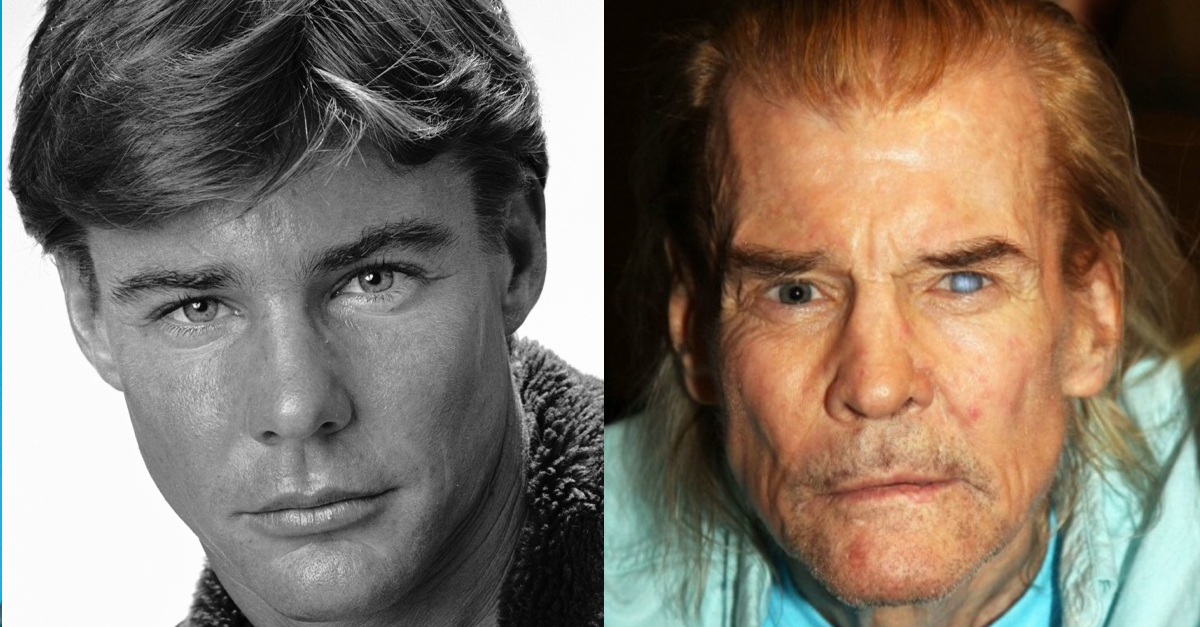
The Construction of a Premium Brand: The Leading Man Archetype
Before the era of digital influencers and viral fame, personal branding was built through the curated filters of the studio system and high-profile television networks. In the 1970s and early 1980s, Jan-Michael Vincent was more than just an actor; he was a premium brand asset. His identity was built on a foundation of specific brand pillars: rugged masculinity, “All-American” youthfulness, and an air of detached, brooding intensity.
Defining the Core Brand Pillars
The initial success of the Vincent brand was rooted in its versatility. He occupied a niche that resonated across multiple demographics. For male audiences, he represented a sense of adventure and physical prowess, seen in films like The Mechanic (1972) and Big Wednesday (1978). For female audiences, his aesthetic appeal was marketed as a blend of vulnerability and classic Hollywood stardom. This “dual-market appeal” is the holy grail of branding, allowing a personality to scale across different media formats and genres.
Scaling through Strategic Partnerships
A brand is often defined by the company it keeps. Early in his career, Vincent’s brand was bolstered by associations with established industry titans like Charles Bronson and Burt Reynolds. These “brand endorsements” by proxy signaled to the market that Vincent was a reliable, high-value investment. By the late 1970s, his market value was at an all-time high, leading to a period where his name alone could secure financing for a production—a level of brand equity few achieve.
Peak Brand Equity: The Airwolf Era and Market Dominance
In 1984, the Jan-Michael Vincent brand reached its zenith with the launch of the television series Airwolf. This period represents the “Peak Equity” phase of his career, where the brand was successfully leveraged into one of the most lucrative contracts in the history of the medium.
The Power of High-Value Leverage
During the height of Airwolf, Vincent was reportedly earning $200,000 per episode. In mid-1980s currency, adjusted for inflation, this remains a staggering figure for a television lead. This salary was not merely a payment for services rendered; it was a reflection of his brand’s “Star Power”—the perceived ability of his presence to drive ratings and advertising revenue. At this stage, the “Jan-Michael Vincent” brand was a blue-chip stock in the entertainment industry.
Product-Brand Integration
Airwolf was a perfect example of product-brand integration. The high-tech supersonic helicopter was the “product,” and Vincent’s character, Stringfellow Hawke, was the “brand identity” that made the product relatable. The two became synonymous. For a brand to reach this level of saturation, it must have a clear, recognizable “voice.” Hawke’s brooding, cello-playing, reclusive hero persona became the definitive version of the Vincent brand, solidifying his place in the cultural zeitgeist.
Brand Erosion: The Impact of Personal Volatility on Marketability

The downfall of Jan-Michael Vincent was not a sudden collapse but a gradual erosion of brand trust. In the world of branding, consistency is the currency of value. When a brand becomes unpredictable or associated with negative externalities, its market value plummets. For Vincent, the “product” became unreliable, leading to a swift and brutal devaluation.
The Conflict of Public vs. Private Brand
The core issue that led to the dissolution of Vincent’s career was the widening gap between his public persona (the heroic, disciplined pilot) and his private reality (battles with substance abuse and legal issues). In contemporary brand strategy, this is known as a “brand-promise gap.” When the reality of the brand fails to live up to the promise made to the consumer—or in this case, the studios and advertisers—the relationship is severed.
When the “Problematic” Label Becomes Permanent
By the end of the third season of Airwolf, the friction between the brand’s value and the cost of maintaining it became unsustainable. Reports of erratic behavior on set and a high-profile struggle with alcoholism began to leak into the trade publications. In branding, once a “negative narrative” takes hold in the public consciousness, it is incredibly difficult to pivot. The industry began to view Vincent as a “high-risk asset.” In any business, if the risk of an investment outweighs the potential return, the investment is terminated. Vincent was replaced, and his brand never recovered its premium status.
Crisis Management and the Failure to Pivot
One of the most critical aspects of brand longevity is the ability to manage a crisis and pivot to a new market position. Following the cancellation of Airwolf, the Jan-Michael Vincent brand entered a period of rapid decline characterized by a total failure in crisis communication and brand rehabilitation.
The Absence of a Brand Turnaround Strategy
In modern branding, when a celebrity or a corporation faces a scandal, there is usually a structured “Redemption Arc.” This involves public accountability, a strategic withdrawal from the spotlight, and a curated “comeback” that emphasizes growth and stability. Vincent’s brand, however, lacked this professional management. Instead of a strategic pivot, the brand doubled down on its decline, appearing in lower-budget, direct-to-video features that further diluted its former prestige.
The Long-Tail Effects of Brand Dilution
As the 1990s and 2000s progressed, the Jan-Michael Vincent brand moved from “Premium” to “Discount” to “Cautionary Tale.” The physical transformation caused by health issues and accidents further detached the brand from its original high-value aesthetic. This serves as a reminder that for a personal brand built on physical presence and youth, the failure to evolve the brand into a “legacy” or “elder statesman” position can result in total obsolescence once the original assets (youth and health) are gone.
Modern Lessons: Safeguarding Personal Brand Equity
The story of Jan-Michael Vincent is often told through a lens of tragedy, but from a strategic branding perspective, it offers invaluable lessons for the modern era. Today, every individual with a social media presence is managing a personal brand, and the stakes have never been higher.
Reliability as a Brand Pillar
If there is one lesson to be learned from Vincent’s career, it is that reliability is often more valuable than raw talent or unique positioning. In a competitive marketplace, stakeholders (employers, clients, audiences) will choose a “B-level” brand that is consistent over an “A-level” brand that is volatile. Success is not just about reaching the top; it is about maintaining the infrastructure that keeps you there.
The Importance of Brand Stewardship
Personal branding cannot be left to chance. It requires active stewardship. This means surrounding oneself with a team that can manage optics, handle crisis communication, and provide honest feedback regarding brand health. Jan-Michael Vincent’s trajectory might have been vastly different in the modern age of public relations, where “rehab-and-return” is a standard industry maneuver. However, without that stewardship, he was left to navigate the decline of his brand alone.

Conclusion: The Enduring Importance of Brand Maintenance
What happened to Jan-Michael Vincent was the result of a total collapse in brand integrity. While the man himself suffered significant personal hardships, the “Jan-Michael Vincent” brand provides a stark example of how quickly market dominance can vanish. In an age where digital footprints are permanent and brand equity is built in real-time, the need for authenticity, consistency, and professional brand management is more critical than ever. The rise and fall of this 80s icon remain a powerful case study for anyone looking to build a brand that is not just successful in the short term, but sustainable for a lifetime.
aViewFromTheCave is a participant in the Amazon Services LLC Associates Program, an affiliate advertising program designed to provide a means for sites to earn advertising fees by advertising and linking to Amazon.com. Amazon, the Amazon logo, AmazonSupply, and the AmazonSupply logo are trademarks of Amazon.com, Inc. or its affiliates. As an Amazon Associate we earn affiliate commissions from qualifying purchases.