
In the late 1980s and early 1990s, the name Bo Jackson was more than a sports reference; it was a global symbol of peak human performance and a masterclass in cross-platform branding. Long before the era of social media influencers and digital personal brands, Jackson achieved a level of market saturation that remains a gold standard for corporate identity and personal marketing. However, when a catastrophic hip injury in 1991 ended his dual-sport dominance, the world was left asking “what happened to Bo Jackson?” From a brand strategy perspective, the answer is not a story of decline, but rather a sophisticated transition from an active athletic asset to a legacy brand that commands respect, scarcity, and long-term equity.

The Architecture of an Iconic Personal Brand: The “Bo Knows” Era
To understand the longevity of Bo Jackson’s brand, one must first analyze its foundation. In 1989, Nike and the advertising agency Wieden+Kennedy launched the “Bo Knows” campaign. This was not merely an endorsement deal; it was a revolutionary approach to personal branding that leveraged Jackson’s unique status as an All-Star in both Major League Baseball (MLB) and the National Football League (NFL).
Diversification as a Brand Differentiator
In branding, “niching down” is often the recommended path to success. Bo Jackson took the opposite approach. By excelling in two vastly different arenas, his brand became synonymous with “versatility” and “unlimited potential.” This diversification made him recession-proof within the sports industry. If the baseball season was slow, his football persona took over the headlines. For Nike, this meant they could market a single individual across multiple product lines—cross-trainers, baseball cleats, and football gear—creating a unified marketing narrative that appealed to various demographics.
The Power of the “Polymath” Narrative
The “Bo Knows” campaign worked because it played into the archetype of the polymath. The commercials featured Jackson attempting everything from tennis to ice hockey and even blues guitar with Bo Diddley. This strategy successfully humanized an otherwise superhuman figure. By showing him “not knowing” certain skills, it created an endearing quality that built brand loyalty. It transitioned him from a distant elite athlete to a relatable cultural icon, a move that is essential for any personal brand looking to survive beyond their primary career.
The Brand Stress Test: Managing a Career-Ending Crisis
Every brand faces a crisis. For Bo Jackson, that crisis occurred on January 19, 1991, during an NFL playoff game. A seemingly routine tackle resulted in a dislocated hip and a subsequent diagnosis of avascular necrosis. For most athletes, this would have been the end of their commercial viability. However, the management of Jackson’s brand during this period serves as a vital case study in narrative control and resilience.
Strategic Narrative Control
Instead of disappearing from the public eye, Jackson’s team leaned into the narrative of “the comeback.” This is a classic brand pivot. When the product (his physical performance) was damaged, the brand identity shifted to focus on “determination” and “defying the odds.” His return to MLB with a prosthetic hip was not just a medical miracle; it was a branding triumph. It solidified the “Bo” brand as one of grit and resilience, moving the focus away from sheer statistics and toward character-driven value.
Maintaining Equity Through Scarcity
One of the most profound aspects of what happened to Bo Jackson is the preservation of his brand equity through intentional scarcity. Unlike many former stars who dilute their brand by appearing in every possible low-tier commercial or reality show, Jackson became selective. By limiting his appearances, he increased the value of his presence. In the world of high-end branding, scarcity equals luxury. Jackson understood that his “what if” factor—the mystery of how great he could have been—was a valuable brand asset that should not be tarnished by overexposure.
The Post-Athletic Pivot: Entrepreneurship and Corporate Identity
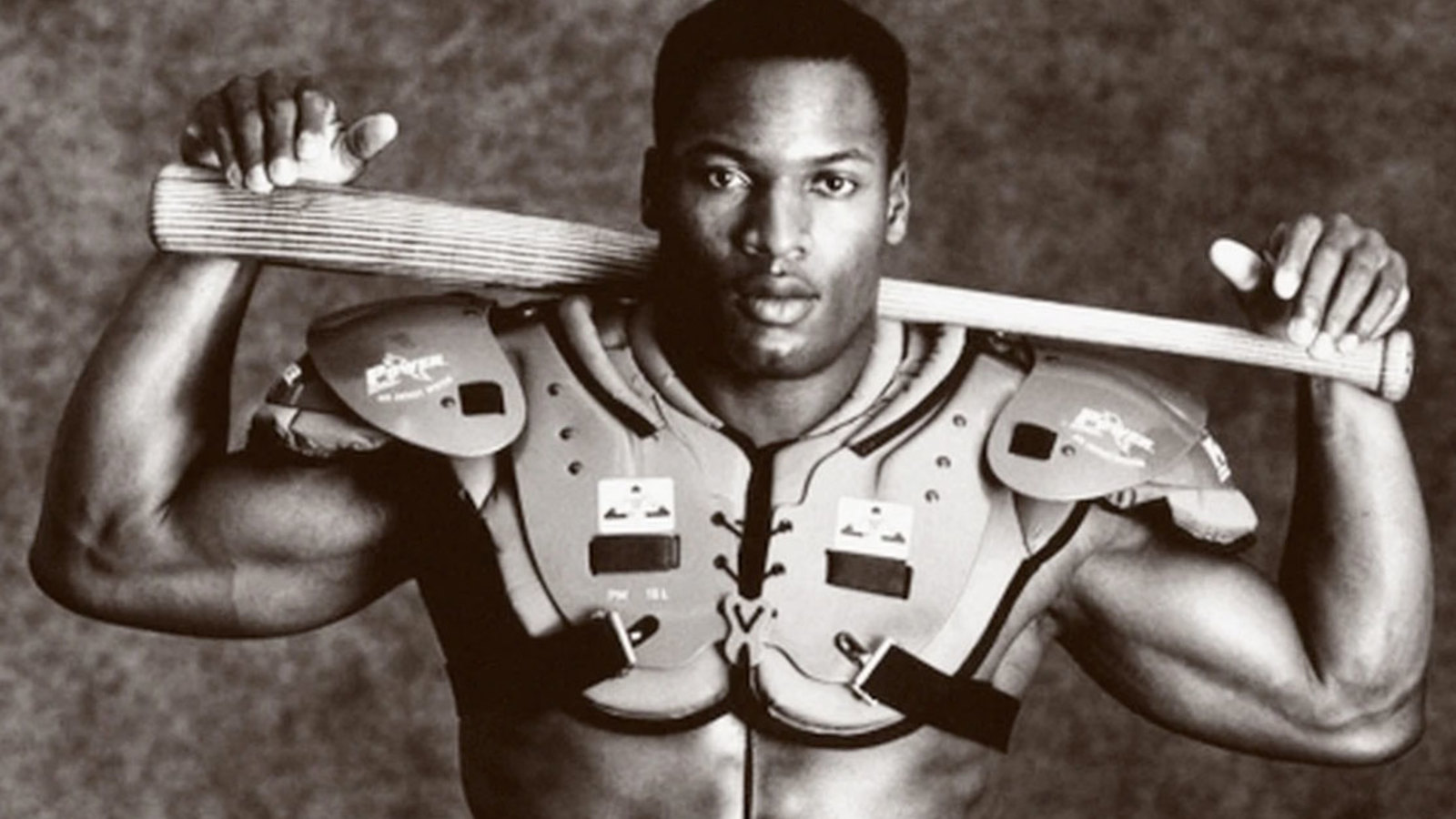
What happened to Bo Jackson after the cleats were hung up is a lesson in professional evolution. He did not retire into obscurity; he transitioned into a multifaceted entrepreneur, applying the same discipline to business that he did to the field. His post-career activities are strategically aligned with his core brand values of excellence, training, and performance.
Bo Jackson’s Elite Sports
Jackson’s primary business venture, Bo Jackson’s Elite Sports, is a direct extension of his personal brand. These multi-sport training centers capitalize on his reputation as the ultimate hybrid athlete. From a marketing standpoint, this is a perfect brand extension. He is not just selling his name; he is selling a methodology and a standard of training that he embodied. This ensures that his brand remains relevant to a new generation of athletes who may have never seen him play live but recognize the “Bo Jackson” standard.
Corporate Boardrooms and Strategic Partnerships
Beyond sports training, Jackson has navigated the world of business finance and corporate strategy with remarkable acumen. He has been involved in banking, food services (Bo Jackson’s Signature Foods), and even high-end architectural ventures. His ability to secure a seat at these tables is a result of his personal branding as a disciplined, high-intelligence leader. He successfully moved the perception of his brand from “the guy who runs over linebackers” to “the man who executes complex business strategies.”
Legacy Branding: The “What If” as a Permanent Asset
In the modern digital landscape, nostalgia is a powerful currency. Bo Jackson’s brand has arguably grown more potent in the decades since his retirement. This is due to a phenomenon in branding known as “legendary status,” where the brand is no longer judged by current performance but by its historical impact and the narrative surrounding it.
The Role of Digital Archiving
With the rise of YouTube and social media, Jackson’s highlight reels have found a second life. Young fans who were not alive in 1989 are now exposed to his wall-running catches and broken bats. For Jackson’s brand, this digital archival presence acts as passive marketing. It maintains his relevance without requiring active effort, allowing his brand to remain at the top of the “greatest of all time” (GOAT) conversations.
Lessons for Modern Brand Managers
The trajectory of Bo Jackson provides several key insights for modern professionals and brand managers:
- Authenticity is King: Jackson’s brand was built on actual, undeniable skill. No amount of marketing can save a brand that lacks a solid “product” (talent or service).
- Anticipate the Pivot: Jackson’s brand survived because it wasn’t tied solely to his health. It was tied to his character. Personal brands must find values that transcend their current job title.
- The Importance of Intellectual Property: Through his various ventures, Jackson has maintained control over his name and likeness. In the digital age, owning your IP is the only way to ensure long-term financial stability.
Conclusion: The Endurance of Excellence
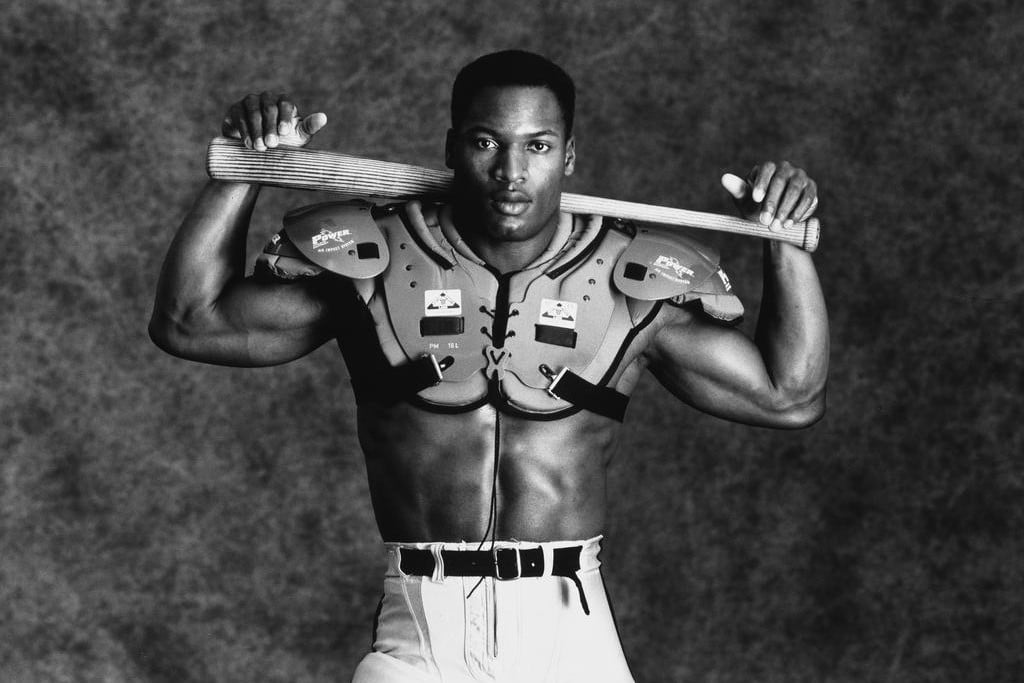
What happened to Bo Jackson? He evolved. He took the high-octane energy of a short-lived, dual-sport career and distilled it into a concentrated, high-value corporate identity. He shifted from being a tool for other brands (like Nike and Pepsi) to being the architect of his own corporate ecosystem.
His journey from the stadium to the boardroom is a testament to the fact that a personal brand, when managed with foresight and integrity, can outlast even the most spectacular physical career. Bo Jackson remains one of the most recognizable figures in American culture not because he played two sports, but because he understood how to market the essence of those achievements long after the games ended. In the world of branding, Bo still knows. He knows that longevity is not about staying the same; it is about knowing how and when to change.
aViewFromTheCave is a participant in the Amazon Services LLC Associates Program, an affiliate advertising program designed to provide a means for sites to earn advertising fees by advertising and linking to Amazon.com. Amazon, the Amazon logo, AmazonSupply, and the AmazonSupply logo are trademarks of Amazon.com, Inc. or its affiliates. As an Amazon Associate we earn affiliate commissions from qualifying purchases.