
In the saturated landscape of modern marketing, symbols often communicate faster and more profoundly than words. Among the most enduring and visually striking of these symbols is the “hand with eye,” historically known as the Hamsa or the Hand of Fatima. While its origins are rooted in ancient spirituality and protection, its migration into the world of brand strategy, corporate identity, and visual design has transformed it into a powerful tool for modern businesses. To understand what the hand with eye means in a commercial context, one must look past its mystical origins and examine how it functions as a vessel for brand values such as trust, vision, protection, and human-centric service.
For a brand, choosing a logo or a recurring visual motif is an exercise in semiotics—the study of signs and symbols. The hand with eye is a “multivalent” symbol, meaning it carries multiple layers of significance simultaneously. In an era where consumers are increasingly looking for brands that offer more than just a product, leveraging symbols with deep cultural resonance allows a business to tap into collective archetypes, establishing an immediate psychological connection with their audience.
The Origin Story: Cultural Heritage and Visual Power
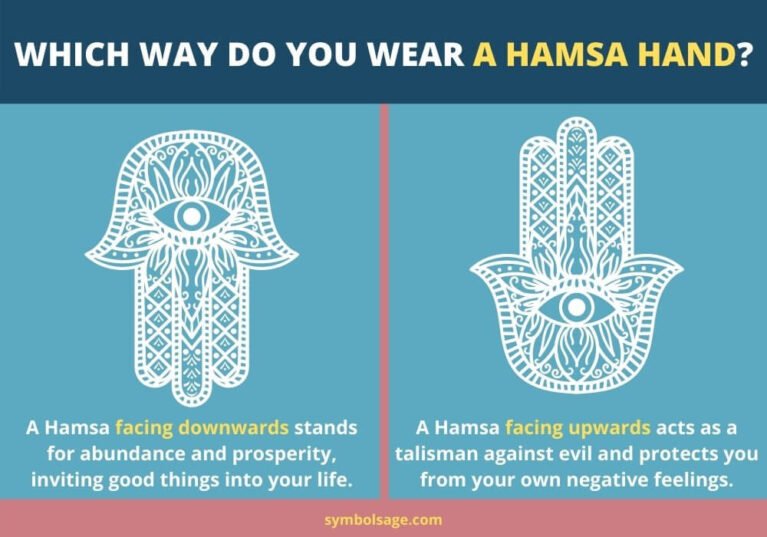
Before a brand can successfully implement the hand with eye into its visual identity, it must understand the weight of the symbol’s history. Traditionally, the Hamsa is a palm-shaped amulet popular throughout North Africa and the Middle East. It typically depicts an open right hand with an eye positioned in the center of the palm. Historically, it served a dual purpose: the hand represented strength and power, while the eye (the “Evil Eye”) was intended to ward off negative energy and provide watchful protection.
Ancient Roots and Universal Appeal
The reason the hand with eye remains so effective in modern branding is its universality. It is a symbol that predates modern borders and religions, appearing in various forms across Phoenician, Islamic, Jewish, and even some Christian traditions. From a branding perspective, this universality is a goldmine. It implies a sense of “ancient wisdom” and “global reach.” When a design agency selects this motif, they are often attempting to ground a modern company in a sense of timelessness.
In brand strategy, we call this “Archetypal Branding.” By using a symbol that feels familiar to the human psyche, a brand bypasses the skepticism often associated with new corporate entities. The hand with eye suggests that the brand is not just a participant in a market, but a guardian of a certain value system or a visionary in its field.
Decoding the Symbology for Visual Identity
From a design standpoint, the hand with eye offers a perfect balance of organic and geometric shapes. The symmetry of the Hamsa (often depicted with two symmetrical thumbs) provides a sense of stability and equilibrium. The eye, a circle within the palm, creates a natural focal point. In branding, the “focal point” is where the brand’s “truth” resides.
When a company uses the hand with eye, they are visually stating that their “vision” (the eye) is supported by their “capability” (the hand). This is a potent message for service-based brands, creative agencies, and security firms alike. It tells the consumer: “We see your needs, and we have the power to act on them.”
The Hand with Eye in Modern Branding: Trust, Protection, and Intuition
In the contemporary marketplace, the hand with eye has found a specialized home in industries that prioritize the “human touch” and “high-level insight.” As digital interactions become more clinical and automated, brands are looking for ways to re-humanize their identity.
Communicating Security and Watchfulness
In the sectors of digital security, insurance, and personal finance, the “eye” represents vigilance. It suggests a brand that is always watching over the client’s assets, guarding against threats. When paired with the “hand,” which symbolizes protection and intervention, the symbol becomes a shorthand for a “safe pair of hands.”
Brands that deal with sensitive data or significant life transitions often use variations of this symbol to provide a sense of psychological comfort. The message is clear: the brand is an active protector. This is particularly effective in an age of uncertainty; a brand that positions itself as a “watchful guardian” gains a competitive edge over those that appear purely transactional.
Evoking Authenticity and Craftsmanship
Conversely, in the lifestyle, wellness, and artisan sectors, the hand with eye takes on a different meaning. Here, the hand signifies the “handmade” and the “authentic.” It speaks to the craft and the physical effort put into a product. The eye, in this context, represents the “creator’s vision” or “intuition.”
For a premium skincare brand or a boutique design house, the hand with eye communicates that the product was created with intention. It suggests a brand that is “mindful”—one that sees the finer details that others miss. This alignment with mindfulness and intentionality is a key driver for modern consumers who prioritize “slow” consumption and ethical production.
Design Principles: Incorporating the Hamsa into Corporate Identity
When a brand strategist decides to utilize the hand with eye, the execution must be precise to avoid looking like a generic “new age” icon. The design must be elevated to fit a corporate or premium identity.

Minimalism vs. Ornamentation
Modern brand identity usually leans toward minimalism. To make the hand with eye work for a contemporary brand, designers often strip away the intricate floral patterns traditionally found on Hamsa amulets. By using clean lines, negative space, and geometric abstraction, the symbol becomes modern, scalable, and versatile.
For example, a tech-focused brand might use a single, unbroken line to form both the hand and the eye, symbolizing connectivity and seamless integration. A luxury brand might use gold foil and heavy embossing to highlight the “precious” nature of the symbol, emphasizing exclusivity and heritage.
Color Psychology in Spiritual Branding
The color palette chosen for this symbol significantly alters its meaning. Traditionally, the Hamsa is often blue (to represent the sky and ward off the evil eye). In branding:
- Blue: Conveys professionalism, trust, and calm. Often used by healthcare or tech brands.
- Gold/Black: Conveys luxury, authority, and mystery. Ideal for high-end fashion or consultancy firms.
- Earth Tones (Terracotta, Sage): Conveys groundedness, organic quality, and wellness. Used by sustainable and lifestyle brands.
By strategically pairing the symbol with a specific color story, a brand can fine-tune the emotional response it elicits from its target demographic.
Navigating Cultural Sensitivity and Brand Ethics
One of the most critical aspects of using the hand with eye in brand strategy is the ethical consideration of cultural appropriation. Because the symbol is sacred to many cultures and religions, brands must approach its use with respect and depth.
Avoiding Appropriation in Global Markets
When a brand uses a culturally significant symbol purely for “aesthetic” reasons without understanding its background, it risks a backlash. In the age of social media, “brand sincerity” is under constant scrutiny. A brand that adopts the hand with eye must ensure that its brand values align with the symbol’s inherent meaning. If a brand claims to be “protective” and “mindful” but has unethical labor practices, the use of the Hamsa will be seen as a hollow marketing gimmick.
To navigate this, many brand strategists recommend “evolutionary design.” This involves taking the concept of the hand and eye and re-interpreting it through the brand’s unique lens, rather than copying a traditional religious artifact directly. This shows a level of creative investment and respect for the source material.
Strategic Contextualization
Context is everything. If the symbol is used in a way that honors its history—for instance, a brand that supports Mediterranean artisans—the symbol becomes a bridge between the brand and the culture. It adds a layer of “storytelling” that consumers find compelling. They aren’t just buying a product; they are participating in a narrative that spans centuries.
The Future of Spiritual Symbols in the Digital Marketplace
As we move further into the digital age, the “hand with eye” is evolving once again. In the realm of user interface (UI) and user experience (UX) design, icons are the new universal language.
Emoji Culture and Brand Recognition
The Hamsa emoji has become a staple in digital communication, often used to signify “good vibes” or “protection.” Brands that understand this digital shorthand can use it to build community on social platforms. When a brand uses the symbol in its Instagram bio or marketing collateral, it signals to a specific subculture that the brand “speaks their language.” This is a form of brand signaling that builds immediate rapport with Gen Z and Millennial audiences who are comfortable with “mystic” and “spiritual” aesthetics.

The Rise of “Mystic Tech” Branding
We are seeing a trend called “Mystic Tech,” where technology companies (particularly in AI and data analytics) use spiritual symbols to explain complex concepts. In this niche, the “eye” represents the “insight” provided by big data or artificial intelligence, while the “hand” represents the “interface” or the “human application” of that data.
What does the hand with eye mean here? It means the “harmonization of the human and the digital.” It suggests that even in a world of algorithms, there is a “vision” and a “human touch” guiding the process. As AI becomes more pervasive, brands that can visually represent this balance will be more successful in winning consumer trust.
In conclusion, the hand with eye is more than just a decorative element; it is a sophisticated branding tool. Whether it is used to denote security in finance, craftsmanship in luxury goods, or insight in technology, the symbol carries a weight of meaning that few modern icons can match. For a brand to use it successfully, it must balance historical respect with modern design, ensuring that the “vision” in the palm of their hand is one that truly resonates with their audience’s values.
aViewFromTheCave is a participant in the Amazon Services LLC Associates Program, an affiliate advertising program designed to provide a means for sites to earn advertising fees by advertising and linking to Amazon.com. Amazon, the Amazon logo, AmazonSupply, and the AmazonSupply logo are trademarks of Amazon.com, Inc. or its affiliates. As an Amazon Associate we earn affiliate commissions from qualifying purchases.