
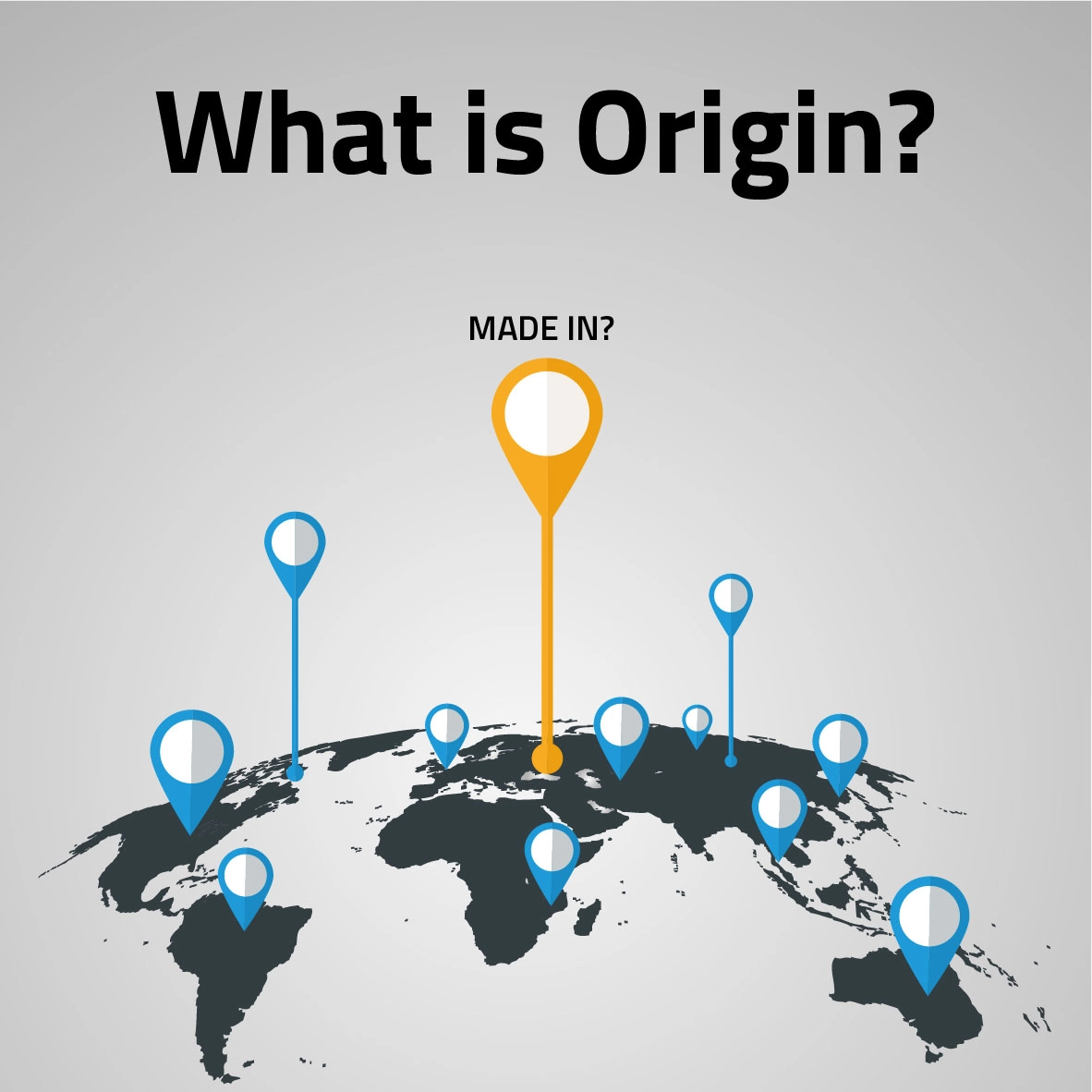
In the global marketplace, a product is rarely just the sum of its physical components. It is a vessel for stories, values, and expectations. When a consumer picks up a luxury watch and sees “Swiss Made” engraved on the back, or considers a new sports car with the label “German Engineering,” a complex psychological process begins. This process is driven by the Country of Origin (COO)—a concept that serves as one of the most potent, yet frequently misunderstood, tools in the brand strategist’s arsenal.
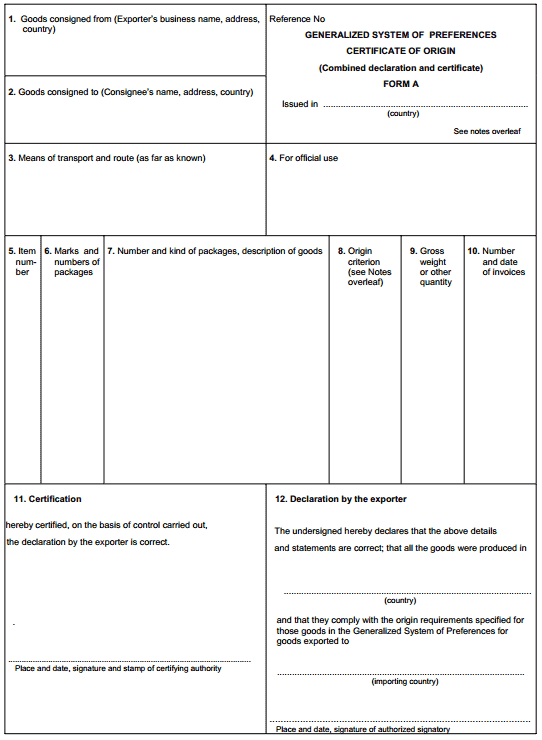
While legally the country of origin refers to the location where a product was manufactured, produced, or underwent its last substantial transformation, its meaning in the context of branding is far more profound. It is a strategic asset that influences consumer perception, justifies premium pricing, and creates a competitive “halo effect” that can take decades to build and only moments to lose.
The Psychology of the Country of Origin Effect (COE)
The Country of Origin Effect (COE) is a psychological phenomenon where consumers use their perceptions of a country to evaluate the quality, reliability, and value of a product. In brand strategy, this serves as a cognitive shortcut. Because modern consumers are bombarded with an overwhelming amount of information, they rely on stereotypes—both positive and negative—to make rapid purchasing decisions.
The Halo Effect and Brand Shortcuts
The “Halo Effect” occurs when the positive reputation of a country in a specific industry spills over onto a brand. For example, Italy has cultivated a reputation for artisanal excellence, high fashion, and culinary mastery. Consequently, a new leather goods brand emerging from Florence does not need to prove its design credentials from scratch; it inherits the prestige of its location. The COO acts as a surrogate for quality, allowing the brand to bypass the initial skepticism that often plagues new market entrants.
Cognitive vs. Affective Associations
Brand managers categorize COO associations into two types: cognitive and affective. Cognitive associations are logical; they relate to technical skills and infrastructure (e.g., Japanese electronics are perceived as technologically advanced). Affective associations are emotional; they relate to feelings and lifestyle (e.g., French perfumes are perceived as romantic and sophisticated). A successful brand strategy leverages both, using the country’s heritage to satisfy the consumer’s need for both functional reliability and emotional fulfillment.
Building Brand Equity Through National Identity
For a brand, the country of origin is a cornerstone of its corporate identity. It provides a foundation for storytelling that feels authentic rather than manufactured. When a brand aligns itself with the strengths of its home nation, it builds “provenance equity”—the value added to a product simply because of where it comes from.
Industry-Specific Dominance
Certain countries have become synonymous with specific industries, creating a powerful synergy for brands within those sectors.
- Germany (Engineering and Reliability): Brands like BMW, Bosch, and Siemens lean heavily into the “Vorsprung durch Technik” ethos. Their brand strategy is built on the pillars of precision, durability, and functional design.
- Switzerland (Precision and Trust): In the banking and horology sectors, Switzerland represents the gold standard. The “Swiss Made” label is a legally protected trademark that signifies a brand’s commitment to exacting standards.
- Japan (Innovation and Efficiency): From Toyota to Sony, Japanese brands have built a global identity around the concepts of Kaizen (continuous improvement) and miniaturization.
The Rise of “Designed In” vs. “Made In”
As global supply chains have become more complex, the definition of COO has evolved. A brand may be headquartered in one country, design its products in another, and manufacture them in a third. This has led to the strategic use of “Designed In” labels.
Apple is the pioneer of this strategy. By prominently featuring “Designed by Apple in California” on its packaging, the company distances itself from the perception of mass manufacturing in China and aligns itself with the innovation, creativity, and lifestyle of Silicon Valley. In this instance, the “Origin” is shifted from the factory floor to the creative studio, preserving the brand’s premium positioning.
Strategic Implementation: Leveraging COO for Competitive Advantage
Using country of origin in branding is not a passive act; it is a deliberate strategic choice. Not every brand should emphasize its origin, and the way it chooses to do so can vary based on market position and target audience.
Explicit vs. Implicit Branding
Brands can signal their origin explicitly or implicitly. Explicit signaling involves using the national flag, naming the country in advertisements, or using the country’s name in the brand itself (e.g., British Airways, Air France). Implicit signaling is more subtle, using cultural cues, language, or aesthetic styles associated with a region. A brand like Häagen-Dazs, for example, used a Scandinavian-sounding name to imply a heritage of European dairy quality, despite being founded in the Bronx, New York. This “foreign branding” strategy demonstrates how powerful the mere suggestion of a specific origin can be.
Overcoming Negative COO Perceptions
Not all countries enjoy a positive reputation in all sectors. Brands originating from countries perceived as “low-cost” or “low-quality” face a “liability of origin.” To counter this, brand strategists often employ one of three tactics:
- The Quality Pivot: Investing heavily in R&D to prove the stereotype wrong (e.g., Hyundai and Kia moving from budget options to award-winning luxury and EV leaders).
- Brand Anonymity: Minimizing the mention of origin and focusing on universal lifestyle benefits.
- The Heritage Blend: Highlighting specific regional craft within a country rather than the country as a whole (e.g., emphasizing “Handcrafted in [Specific Region]” to evoke artisanal rather than industrial vibes).
Country of Origin in the Age of Globalization and Transparency
In the modern era, the meaning of “Country of Origin” is being reshaped by the demand for radical transparency and the complexities of the digital economy. Consumers are no longer satisfied with a simple label; they want to know the “who, how, and where” of the entire supply chain.
The Ethics of Provenance
In contemporary brand strategy, COO is increasingly tied to ESG (Environmental, Social, and Governance) standards. A country’s reputation for labor laws, environmental regulations, and human rights now directly impacts the brands that call that country home. Brands originating from countries with strong ethical reputations can leverage this as a unique selling proposition (USP), appealing to the “conscious consumer.” Conversely, brands may face boycotts based on the political or social actions of their home country, proving that COO is a double-edged sword.
The Localization of Brand Heritage
While globalization has made the world smaller, it has also fueled a desire for “hyper-localism.” Many brands are shifting their strategy from national identity to regional or city-based identity. A brand is no longer just “American”; it is “Detroit-born” or “Brooklyn-based.” This strategy creates a sense of community and authenticity that broad national labels often lack. It allows the brand to tap into the specific grit, glamour, or creative energy of a localized culture.
The Future of Provenance: Digital and Cultural Origins
As we move further into a service-oriented and digital economy, the concept of a physical “origin” is becoming more abstract. Where is the country of origin for a software-as-a-service (SaaS) platform or a decentralized finance (DeFi) tool?
The Digital “Home”
In the tech-heavy branding world, origin is often defined by the “ecosystem” the brand belongs to. A fintech startup might leverage the reputation of London’s “City” or Singapore’s regulatory environment to build trust. Here, the “Country of Origin” signifies regulatory stability and intellectual capital rather than manufacturing prowess.

Culture as the New Geography
Finally, we are seeing the rise of brands that claim a “Cultural Origin” rather than a geographical one. These brands are born out of internet subcultures, global movements, or shared values that transcend borders. However, even these brands eventually find that consumers look for a physical anchor. Whether it is the headquarters location or the site of the first “pop-up” shop, the human desire to link a brand to a specific place remains a fundamental part of the consumer journey.
In conclusion, “Country of Origin” is far more than a regulatory requirement found on a shipping label. It is a vital component of brand architecture. By understanding the historical, psychological, and cultural weight of their home soil, brand strategists can craft narratives that resonate deeply with global audiences, turning a simple geographic fact into a powerful engine for brand loyalty and commercial success.
aViewFromTheCave is a participant in the Amazon Services LLC Associates Program, an affiliate advertising program designed to provide a means for sites to earn advertising fees by advertising and linking to Amazon.com. Amazon, the Amazon logo, AmazonSupply, and the AmazonSupply logo are trademarks of Amazon.com, Inc. or its affiliates. As an Amazon Associate we earn affiliate commissions from qualifying purchases.