
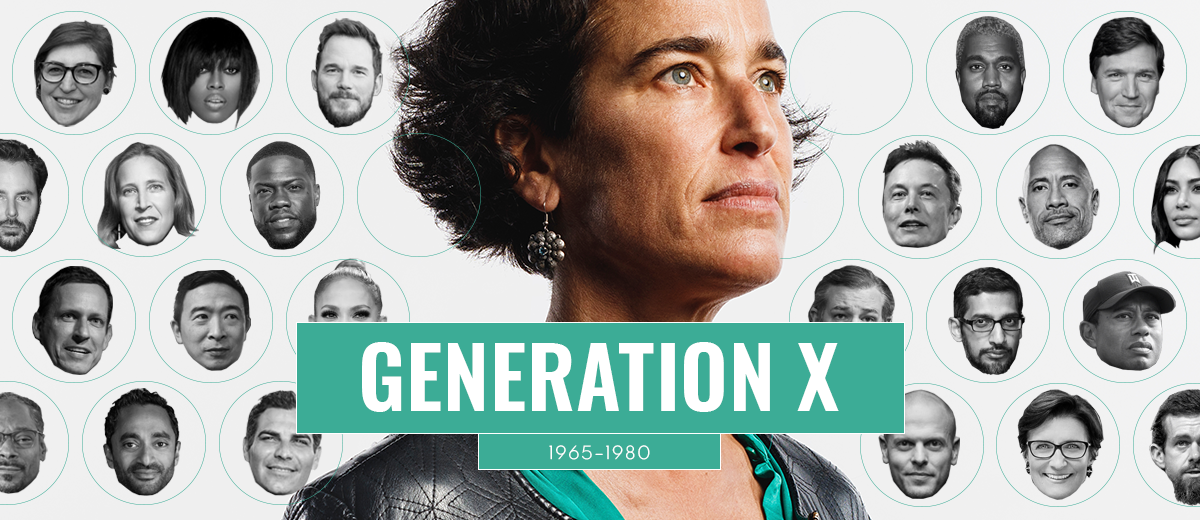
Generation X, often referred to as the “Forgotten Generation,” sits at a critical juncture in the global financial landscape. Born roughly between 1965 and 1980, this cohort followed the massive Baby Boomer generation and preceded the digitally native Millennials. While they may be smaller in number, their influence on personal finance, investment markets, and corporate leadership is profound. Understanding what the Gen X generation is requires looking past the pop-culture tropes of “slackers” and “latchkey kids” to see a demographic that currently holds the reins of the global economy, manages the highest levels of household income, and faces some of the most complex financial pressures in history.
As Gen X moves through their peak earning years, they have become the primary drivers of consumer spending and institutional investment. However, they also occupy a precarious position known as the “sandwich generation,” simultaneously supporting aging parents and adult children. This unique financial reality defines their approach to wealth management, risk, and retirement planning.
Defining the Financial Profile of Generation X
To understand Gen X from a financial perspective, one must recognize their role as the current engine of the economy. Most members of this generation are between the ages of 44 and 59, placing them squarely in their prime career stages. They are the CEOs, the senior managers, and the experienced entrepreneurs who have weathered multiple economic cycles, from the Dot-com bubble and the 2008 Great Recession to the post-pandemic inflationary period.
The Peak Earning Years
Statistically, Gen X earns more than any other generation currently in the workforce. Having spent two to three decades building professional expertise, they command high salaries and have often reached the zenith of their corporate ladders. This high earning capacity, however, is frequently offset by high expenditure. Unlike Millennials, many of whom delayed homeownership or marriage, Gen X is deep into the “accumulation” phase of life, managing mortgages, insurance premiums, and the rising costs of lifestyle maintenance.
The “Sandwich Generation” Dilemma
Perhaps the most defining financial characteristic of Gen X is their role as the “sandwich generation.” This term describes adults who are financially and emotionally squeezed between the needs of two other generations. Many Gen Xers are currently funding their children’s high-priced university educations while simultaneously providing financial support or specialized care for their elderly Boomer parents. This dual burden necessitates a high degree of financial literacy and sophisticated cash-flow management. For many in this cohort, the “side hustle” or secondary income stream isn’t just a hobby; it is a vital strategy to ensure their own retirement funds aren’t liquidated to cover family emergencies.
Wealth Accumulation and Investment Strategies
Gen X’s approach to investing is a fascinating hybrid of traditional stability and modern growth seeking. They were the first generation to see the widespread shift from corporate pensions to defined-contribution plans like the 401(k). This shift forced them to become active participants in their own financial destinies early on, fostering a sense of self-reliance that characterizes their investment behavior today.
From 401(k)s to Real Estate
For Gen X, wealth accumulation is often tied to diversified portfolios. While they are heavy contributors to employer-sponsored retirement plans, they are also significant players in the real estate market. Many Gen Xers purchased homes before the most recent meteoric rise in property values, allowing them to build substantial home equity. This equity often serves as a “safety net” or a source of capital for further investments, such as rental properties or small business ventures. Their investment philosophy tends to be more pragmatic than the idealistic “impact investing” often seen in younger cohorts; they prioritize ROI and long-term stability to ensure they can sustain their multi-generational responsibilities.

Risk Tolerance and Market Resilience
Having entered the workforce during the economic boom of the 90s, only to face the volatility of the early 2000s and the 2008 crash, Gen X has developed a resilient, if slightly cynical, view of the markets. They are generally less prone to panic-selling than younger investors during market corrections, having seen the long-term recovery process play out multiple times. Their risk tolerance is currently transitioning; as they approach the “red zone” of retirement (the ten years before and after retirement), many are shifting from aggressive growth stocks to value-oriented equities and fixed-income assets to protect their principal.
The Digital Shift in Personal Finance
While often overshadowed by the “digital native” labels given to Millennials and Gen Z, Gen X played a pivotal role in the adoption of financial technology. They were the early adopters of online banking, the first to use E*TRADE in the 90s, and the group that transitioned from paper checks to digital payments. In the current era, they use fintech tools not just for convenience, but as essential instruments for wealth optimization.
Adopting Fintech and Online Banking
Gen X has embraced the digitization of money with a focus on efficiency and data. They are prolific users of wealth management apps that provide a holistic view of their net worth, including mortgage balances, stock portfolios, and college savings accounts (529 plans). Unlike younger generations who might prefer purely mobile-first, “gamified” trading apps, Gen X tends to favor robust platforms that offer deep analytical tools and 24/7 security. They value the “hybrid” model—utilizing high-tech digital dashboards while still maintaining relationships with human financial advisors for complex tax and estate planning.
Side Hustles and the Gig Economy for Gen X
It is a misconception that the gig economy is the exclusive domain of the youth. A significant portion of Gen X is leveraging the digital economy to create “encore careers” or supplemental income. Whether it is consulting through professional networks, managing short-term rentals on platforms like Airbnb, or launching e-commerce brands on Shopify, Gen X uses technology to hedge against corporate instability. This entrepreneurial spirit is often driven by a desire for financial autonomy, moving away from the “corporate ladder” model they saw their parents follow, which was often dismantled by layoffs and restructuring.
Retirement Planning and Legacy Building
As the oldest members of Gen X move into their early 60s, the focus has shifted dramatically toward the endgame: retirement and the transfer of wealth. This generation is facing a retirement landscape vastly different from their predecessors, with the future of social security in question and the disappearance of the traditional “gold watch” retirement package.
Closing the Retirement Gap
One of the primary concerns for Gen X is the “retirement gap”—the difference between their current savings and what they will need to maintain their lifestyle in an era of increased longevity. Financial planners often note that Gen X is currently in a “catch-up” phase. They are utilizing the higher contribution limits allowed for those over 50 in 401(k) and IRA accounts. For many, the goal is not “early retirement” in the traditional sense, but “financial independence,” allowing them to work on their own terms or transition into lower-stress, passion-driven roles without sacrificing their standard of living.
Estate Planning and Generational Wealth Transfer
We are on the cusp of the “Great Wealth Transfer,” where trillions of dollars will pass from Baby Boomers to their Gen X and Millennial heirs. Gen X is the primary recipient of this initial wave. Consequently, estate planning has become a dominant theme in their financial lives. They are not only receiving inheritances but are also acutely focused on how to pass their own assets down to the next generation efficiently. This involves complex legal and financial structures—trusts, tax-advantaged gifting, and life insurance—to ensure that the wealth they have worked decades to build isn’t eroded by probate or high taxation.
Ultimately, Generation X is defined by its resilience and its role as the financial bridge between the old world and the new. They are the generation that mastered the transition from analog to digital, from pensions to portfolios, and from being children of the 70s to being the masters of the modern financial universe. By balancing the demands of their parents, their children, and their own futures, Gen X remains the most influential, albeit quietest, force in the world of money today. Understanding their financial journey is not just about looking at a demographic; it is about looking at the very blueprint of modern wealth management.
aViewFromTheCave is a participant in the Amazon Services LLC Associates Program, an affiliate advertising program designed to provide a means for sites to earn advertising fees by advertising and linking to Amazon.com. Amazon, the Amazon logo, AmazonSupply, and the AmazonSupply logo are trademarks of Amazon.com, Inc. or its affiliates. As an Amazon Associate we earn affiliate commissions from qualifying purchases.