
In the contemporary landscape of identity, the line between personal expression and brand strategy has become increasingly blurred. We live in an era where the individual is a brand, and the visual markers we choose to represent ourselves—whether they are digital avatars, fashion choices, or permanent ink—function as a sophisticated language of semiotics. When we ask, “What does a cherry tattoo mean?” we are not merely inquiring about a piece of body art; we are dissecting a potent symbol that has navigated the transition from traditional folk art to a high-stakes component of modern visual branding.

For brand strategists, designers, and individuals focused on personal identity, the cherry serves as a masterclass in dualistic symbolism. It is a visual shorthand that communicates a complex narrative of innocence, experience, luxury, and rebellion. Understanding how this icon functions allows us to better grasp the mechanics of visual communication in both corporate and personal spheres.
The Semiotics of the Icon: Understanding the Dualism of the Cherry
In the world of brand design, a symbol is most effective when it carries multiple layers of meaning that can be decoded by different audiences. The cherry is one of the few icons in the visual lexicon that successfully straddles the line between opposing concepts. To understand its meaning is to understand the power of “Visual Dualism.”
Innocence and Youthful Vitality
At its most fundamental level, the cherry is associated with the “first fruits” of spring. In the context of brand identity, this translates to freshness, vitality, and new beginnings. Many lifestyle and wellness brands utilize fruit-based iconography to signal organic growth and natural purity. When an individual adopts a cherry tattoo within this framework, the personal brand being projected is one of optimism and vibrant energy.
In traditional Japanese art, the cherry (often seen as the blossom or the fruit) represents the transience of life—a concept known as mono no aware. In modern branding, this translates to a sense of “living in the moment,” a sentiment that resonates deeply with Millennial and Gen Z consumer bases who prioritize experiences over static ownership.
Boldness, Sensuality, and Consumer Appeal
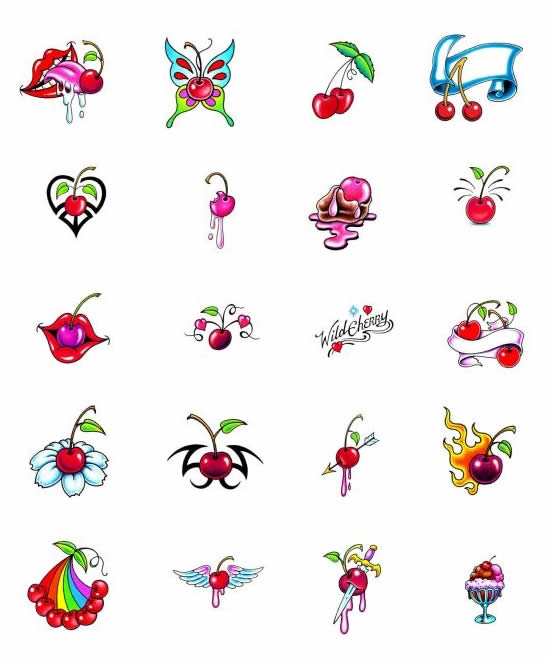
Conversely, the cherry has long been a symbol of sensuality and maturity. In the mid-20th century, particularly within the American “Old School” or “Traditional” tattoo movement, the cherry became a coded reference to female empowerment and sexual agency. For a brand, this “edgy” connotation is invaluable. It transforms a simple botanical image into a provocative statement of confidence.
This dualism—the ability to be both “sweet” and “daring”—is why the cherry is such a versatile tool in identity design. It allows a personal brand to maintain a level of approachability while simultaneously hinting at a deeper, more complex internal narrative.
Tattoos as the Ultimate Personal Brand Statement
The transition of tattoos from the fringes of society to the mainstream has fundamentally changed how we view personal branding. Today, a tattoo is not just art; it is a permanent logo. It is a strategic choice made to align one’s physical presence with their internal values.
The Visual Resume: Identity in the Modern Workplace
In the creative industries, branding, and marketing, personal tattoos are often viewed as indicators of creative risk-taking and aesthetic commitment. A cherry tattoo, with its vibrant red hues and symmetrical form, serves as a visual anchor. It tells a story of an individual who understands color theory, balance, and the historical weight of symbols.
From a brand strategy perspective, we call this “signal signaling.” By wearing a symbol with deep historical roots, the individual signals their membership in a certain cultural tribe—be it the rockabilly subculture, the high-fashion avant-garde, or the modern minimalist movement. Each of these tribes interprets the cherry differently, yet all recognize it as a deliberate choice of identity.
Building a Narrative Through Permanent Visuals
Consistency is the hallmark of any successful brand. When an individual chooses a tattoo, they are committing to a consistent visual narrative. The cherry, often depicted in pairs, represents partnership and balance. In the context of personal branding, this can symbolize a commitment to harmony or the dual nature of one’s professional and personal life.
The strategic placement of such a symbol also matters. A visible cherry tattoo on the wrist or forearm acts as a “touchpoint” in every social interaction, much like a logo on a letterhead or a website header. It is the first point of contact between the individual’s brand and the outside world.

Applying Tattoo Aesthetics to Corporate Identity Design
The influence of tattoo culture on corporate branding cannot be overstated. Designers frequently look to the bold lines and primary colors of traditional tattoo art to create logos that feel “authentic” and “timeless.” The cherry is a frequent subject of this cross-pollination.
The Rise of Illustration in Modern Branding
We are currently seeing a shift away from sterile, corporate minimalism toward “illustrative branding.” Consumers are increasingly drawn to brands that feel hand-crafted and human. The “tattoo aesthetic”—characterized by heavy outlines and saturated gradients—lends a sense of heritage and “grit” to modern companies.
When a tech startup or a boutique fashion house adopts a cherry-themed logo, they are borrowing the cultural capital of the cherry tattoo. They are positioning themselves as a brand that is classic yet contemporary, playful yet permanent. This is a deliberate strategy to build emotional resonance with a target audience that values authenticity over corporate polish.
Case Study: Pacha and the Global Iconography of the Twin Cherries
One of the most successful examples of the cherry as a corporate brand is the global nightlife empire, Pacha. Their twin cherry logo is one of the most recognizable symbols in the world. Originally designed to represent “the good life” of the Mediterranean, the logo has become synonymous with luxury, celebration, and high-energy entertainment.
Pacha’s success lies in its ability to take a simple fruit and elevate it to a status symbol. The logo works because it taps into the existing semiotics of the cherry—sweetness and indulgence—while adding a layer of exclusive, premium branding. This is the goal of any brand strategist: to take a common symbol and imbue it with so much specific meaning that it becomes inseparable from the company itself.
Strategic Considerations for Visual Symbolism
Whether you are designing a logo for a multinational corporation or choosing a symbol for your own skin, the strategic considerations remain the same. The “meaning” of a symbol is never static; it is shaped by color, context, and culture.
Color Psychology: The Impact of Vibrant Reds
The primary color of the cherry is red, a color that, in the world of marketing, is known to stimulate appetite, increase heart rate, and convey a sense of urgency and passion. From a branding perspective, red is a “dominant” color. It demands attention.
A cherry tattoo or logo uses this color psychology to ensure it is never overlooked. In a crowded digital or physical landscape, the “pop” of a red cherry serves as a visual hook. It draws the eye in and holds the viewer’s attention long enough for the secondary meanings—the sweetness, the dualism, the heritage—to be processed.
Cultural Resonances and Global Interpretations
In a globalized economy, brands must be aware of how their symbols are interpreted across different cultures. While the cherry is largely seen as a positive, playful icon in Western markets, its meaning can shift elsewhere. In some contexts, it is associated with fleeting beauty; in others, it is a symbol of agricultural prosperity.
For a personal brand, this means that a cherry tattoo may be read differently depending on the audience. A professional working in London might see it as a nod to retro-pop culture, while a designer in Tokyo might view it through the lens of traditional floral symbolism. This versatility is an asset for a global brand, as it allows for local “re-readings” of the symbol without losing its core identity.
The Enduring Legacy of Visual Shorthand
The question of “what does a cherry tattoo mean” leads us to a fundamental truth about branding and identity: we are visual creatures who seek meaning in the world around us. The cherry has endured as a symbol for centuries because it is simple, recognizable, and emotionally resonant.
In the realm of personal branding, the cherry tattoo is a testament to the power of the individual to curate their own visual narrative. It is a rejection of the bland and a celebration of the specific. For corporate brands, the cherry serves as a reminder that the most effective logos are often those that tap into deep-seated cultural archetypes.
As we move further into a visual-first digital age, the ability to decode and utilize these symbols will become an increasingly vital skill. Whether through the medium of ink on skin or pixels on a screen, the icons we choose define us. The cherry, in all its sweet and daring complexity, remains one of the most potent icons in our collective visual vocabulary—a permanent mark of identity in an ever-changing world.
aViewFromTheCave is a participant in the Amazon Services LLC Associates Program, an affiliate advertising program designed to provide a means for sites to earn advertising fees by advertising and linking to Amazon.com. Amazon, the Amazon logo, AmazonSupply, and the AmazonSupply logo are trademarks of Amazon.com, Inc. or its affiliates. As an Amazon Associate we earn affiliate commissions from qualifying purchases.