
In the landscape of modern consumer goods, few products have managed to achieve the level of “brand-as-lifestyle” status quite like boba tea. Originally a niche street food innovation from 1980s Taiwan, the beverage—also known as bubble tea—has transcended its culinary roots to become a multi-billion-dollar global industry. To ask “what does boba tea taste like” is to engage in a study of sensory branding, consumer psychology, and strategic market positioning.
From a brand strategy perspective, the taste of boba tea is not merely a collection of ingredients; it is a curated experience designed to trigger specific emotional and social responses. It is the perfect marriage of texture, flavor customization, and visual identity that has allowed it to penetrate diverse markets ranging from Southeast Asia to the heart of the American Midwest.

The Anatomy of a Flavor Profile: Sensory Marketing and the “QQ” Factor
At its core, the flavor profile of boba tea is built on a foundation of contrast. Unlike traditional beverages that focus solely on liquid flavor, boba tea introduces a physical dimension that redefines the drinking experience. This is the cornerstone of its brand identity.
Texture as a Brand Differentiator
The defining characteristic of boba tea is the inclusion of tapioca pearls, which offer a specific texture known in Taiwan as “QQ.” This term refers to a bouncy, rubbery, and resilient mouthfeel that is central to the product’s appeal. In marketing terms, “QQ” serves as a unique selling proposition (USP). It transforms a passive act (drinking) into an active, tactile experience (chewing).
This textural element creates a high level of “brand recall.” While a consumer might forget the specific nuance of a green tea base, they rarely forget the physical sensation of the pearls. This “chew” is a sensory anchor, ensuring that the brand experience is physically memorable in a way that standard sodas or coffees are not. For brands like Gong Cha or Sharetea, maintaining the consistent “bounce” of these pearls is as vital to their corporate identity as the secret formula is to Coca-Cola.
The Equilibrium of Sweetness and Customization
While the base of boba tea—typically a blend of black, green, or oolong tea mixed with milk or fruit syrups—is inherently sweet, the “taste” is strategically designed to be variable. The brilliance of the boba tea brand model lies in its rejection of a “one-size-fits-all” flavor profile.
By allowing consumers to adjust ice levels and sugar percentages (usually in increments of 25%, 50%, 75%, and 100%), boba brands empower the user. From a marketing standpoint, this is a masterclass in consumer agency. The drink tastes like whatever the consumer deems their personal “ideal,” which fosters a deep sense of brand loyalty and personal ownership. It isn’t just a drink; it is your drink.
Strategic Aesthetics: Why Boba “Tastes” Like Community and Lifestyle
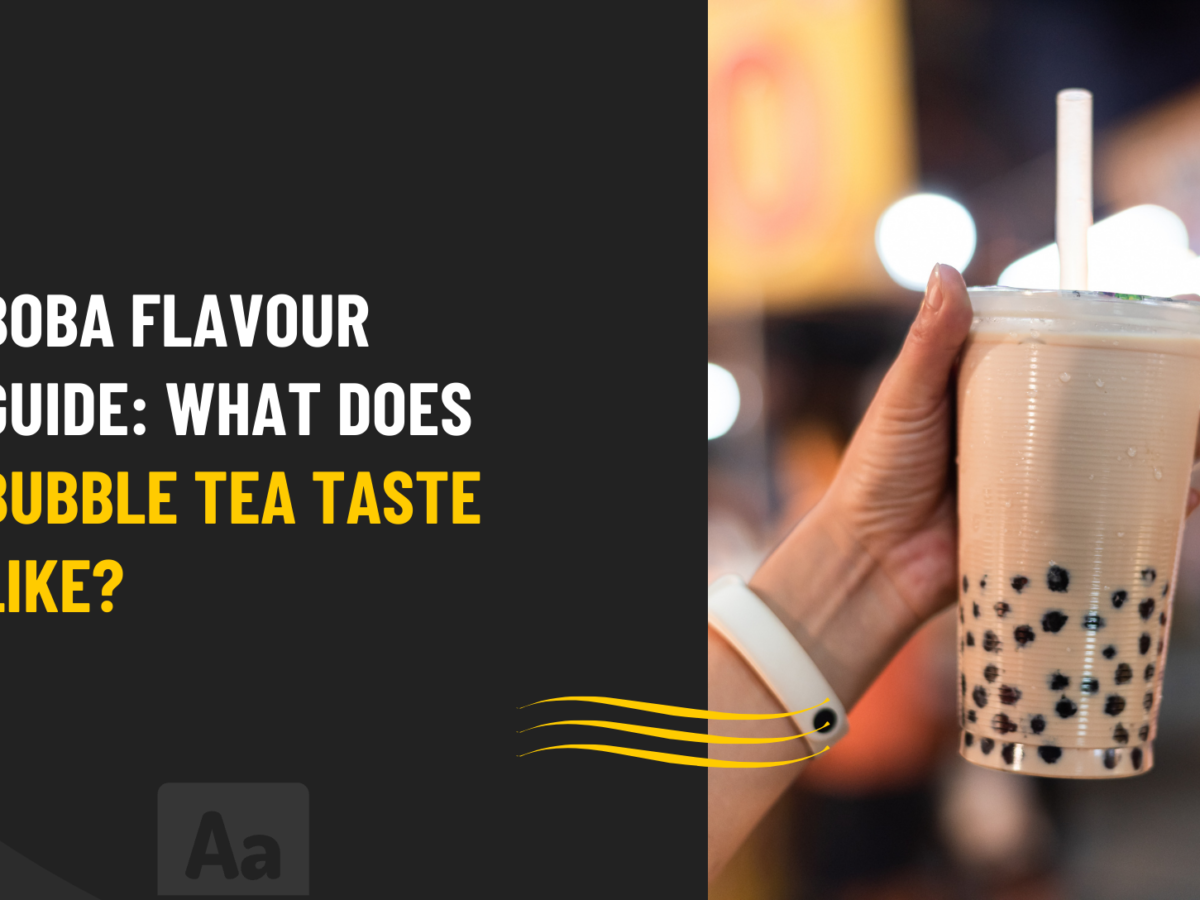
In the age of digital consumption, the “taste” of a product is heavily influenced by its visual presentation. For boba tea, the aesthetic is inseparable from the flavor. The visual of dark pearls resting at the bottom of a creamy, pastel-colored liquid has become a globally recognized icon.
The Visual Palette: Instagrammability and Color Theory
Modern boba brands utilize color theory to signal flavor expectations before the first sip is even taken. Taro milk tea is marketed with a soft lavender hue to signal floral sweetness; matcha tea utilizes a vibrant green to signal earthiness and health; brown sugar “tiger” teas use streaks of dark syrup against white milk to create a high-contrast visual that screams indulgence.
This visual strategy is a key component of the brand’s “social currency.” Because boba tea is highly “Instagrammable,” its taste becomes synonymous with modern, urban living and youthful sophistication. When a consumer holds a cup of The Alley or Tiger Sugar, they aren’t just consuming calories; they are broadcasting their participation in a specific cultural aesthetic. The drink tastes like the lifestyle it represents: trendy, globalized, and aesthetically curated.
Emotional Resonances in the Modern Consumer Base
Beyond the physical ingredients, boba tea tastes like nostalgia for some and adventure for others. For the Asian diaspora, the flavor profile—the specific creaminess of non-dairy creamer or the floral notes of high-mountain oolong—serves as a cultural touchstone, building a brand identity rooted in heritage.
For the western consumer, the taste represents an “affordable luxury.” It is a premium experience that is more accessible than a fine-dining dessert but more sophisticated than a fast-food milkshake. This strategic positioning allows boba brands to occupy a unique space in the “treat economy,” where the taste is associated with a reward for a long day or a social catalyst for a meeting with friends.
Case Studies in Flavor Branding: From Street Food to Luxury Retail
The evolution of boba tea’s taste can be traced through the branding strategies of industry leaders who have moved the product from simple plastic cups to artisanal glass carafes.
The Heytea Model: Premiumization through Sensory Excellence
Heytea, often referred to as the “Starbucks of boba tea” in China, revolutionized the market by introducing the “cheese foam” topping—a savory, salty, and creamy layer that sits atop the tea. This was a radical shift in flavor branding. By introducing a savory element to a traditionally sweet drink, Heytea created a sophisticated flavor profile that appealed to a more mature audience.
Their brand strategy focuses on “New Chinese Tea Culture,” emphasizing high-quality raw ingredients like fresh fruit and premium tea leaves over powders and syrups. Here, the taste of boba tea is redefined as “freshness” and “authenticity,” allowing the brand to command a higher price point and occupy premium real estate in luxury shopping centers.
Global Adaptation: Localizing the Taste Experience
As boba tea brands expanded globally, the “taste” was strategically adapted to fit local palates while maintaining the core brand identity. In the United States, brands often lean into more indulgent, dessert-like profiles with toppings like Oreo crumbles, pudding, and cheesecake foam. In Southeast Asia, flavors like pandan, durian, and salted mung bean are integrated into the menu.
This localization is a vital brand strategy. It allows the core “boba” identity to remain consistent—the cup, the wide straw, the pearls—while ensuring the flavor profile resonates with the specific cultural preferences of the local demographic. The result is a brand that feels both exotic and familiar.
The Future of Boba Branding: Innovation in the Experience Economy
As the market reaches a point of saturation, boba brands are looking toward the future of flavor to maintain their competitive edge. The “taste” of boba tea is currently undergoing a shift toward wellness and technological integration.
Clean Labeling and the Wellness Shift
The next frontier for boba branding is the “health-conscious” taste. As consumers become more wary of high sugar content and artificial ingredients, brands are pivoting toward “clean labeling.” This means using plant-based milks (oat, soy, almond), natural sweeteners like monk fruit or stevia, and real fruit purees.
The brand promise is shifting from “pure indulgence” to “permissible indulgence.” The taste of the future will be lighter, less cloying, and marketed through the lens of wellness. This allows boba tea to compete not just with milkshakes, but with the functional beverage market, positioning it as a drink that is both delicious and “good for you.”
Digital Integration and the Gamification of Taste
With the rise of mobile ordering and loyalty apps, the taste of boba tea is being gamified. Brands like Gong Cha and Chatime use data analytics to track consumer preferences and offer personalized recommendations. The “taste” becomes a data point, allowing brands to push new flavor combinations to specific segments of their audience.
Furthermore, the rise of “concept stores”—where the physical environment is designed to match the flavor of the drink—ensures that the brand experience is holistic. In these spaces, the tea tastes like the music, the lighting, and the minimalist furniture. It is a total immersion in a brand’s sensory universe.

The Enduring Allusion of the “Chewy” Brand
Ultimately, boba tea tastes like innovation. It is a product that refused to stay in its lane, evolving from a simple refreshment into a complex, customizable, and highly branded experience. By mastering the intersection of texture (the QQ factor), visual identity (Instagrammability), and consumer agency (customization), boba tea has created a brand footprint that is as resilient as the tapioca pearls at its center.
For any brand looking to capture the hearts and palates of a global audience, the boba tea model offers a clear blueprint: create a product that is not just consumed, but experienced; not just tasted, but felt; and not just bought, but shared. The taste of boba tea is the taste of a globalized future—sweet, complex, and infinitely adaptable.
aViewFromTheCave is a participant in the Amazon Services LLC Associates Program, an affiliate advertising program designed to provide a means for sites to earn advertising fees by advertising and linking to Amazon.com. Amazon, the Amazon logo, AmazonSupply, and the AmazonSupply logo are trademarks of Amazon.com, Inc. or its affiliates. As an Amazon Associate we earn affiliate commissions from qualifying purchases.