
The Mega Millions lottery represents one of the largest financial events in the world of speculative entertainment. For millions of participants, the question of “what time is Mega Millions picked” is the first step in a cycle of anticipation and financial planning. However, understanding the timing of the draw is only the surface of a much deeper conversation regarding personal finance, wealth management, and the mathematics of probability.
The Mega Millions drawings are held twice a week, every Tuesday and Friday at 11:00 PM Eastern Time. These drawings take place at the WSB-TV studios in Atlanta, Georgia. While the physical drawing of the balls takes only a few minutes, the financial implications for the winner—and the collective economic impact on the millions of players—span a lifetime. To navigate this landscape effectively, one must look beyond the clock and toward the fiscal realities of the game.
Understanding the Mega Millions Schedule and Draw Mechanics
Timing is critical in the lottery world, not just for knowing when to check your numbers, but for understanding the window of opportunity for participation. While the draw is anchored at 11:00 PM ET, the operational reality for the consumer varies significantly based on geographic location and local regulations.
The Specific Timing of the Draw
The 11:00 PM ET schedule is strictly maintained to ensure televised broadcasts and digital streams can synchronize across various jurisdictions. For those on the West Coast, the draw occurs at 8:00 PM PT, while Mountain Time and Central Time participants see the results at 9:00 PM and 10:00 PM, respectively. This synchronization is vital for the integrity of the game, ensuring that no tickets can be sold once the drawing process has begun.
Ticket Cut-off Times Across Different Jurisdictions
Perhaps more important than the draw time itself is the ticket sales cut-off time. Every participating state sets its own deadline for when sales must cease before the balls are dropped. In most states, sales stop between 15 minutes to an hour before the drawing. For instance, some states might close sales at 10:45 PM ET, while others may close at 10:00 PM ET. From a personal finance perspective, missing this window can lead to “missing out” on a specific jackpot tier, though statistically, it simply preserves your capital for the next round. Understanding your local cut-off time is an essential part of the “logistical” side of lottery participation.
How the Draw is Conducted
The draw involves two separate machines. The first contains white balls numbered 1 through 70, and the second contains the gold “Mega Ball” numbered 1 through 25. The process is overseen by independent auditors to ensure that the physical mechanics of the draw are unbiased. For the financially minded, this transparency is the “contract” between the state and the participant, ensuring that the extremely low odds are at least governed by fair play rather than manipulation.
The Financial Probability of Winning: Is It a Viable Strategy?
When we ask what time the numbers are picked, we are implicitly asking when we will know if our “investment” has paid off. In the world of finance, it is essential to distinguish between a speculative expense and a productive investment. The Mega Millions falls firmly into the former.
Calculating the Odds: 1 in 302 Million
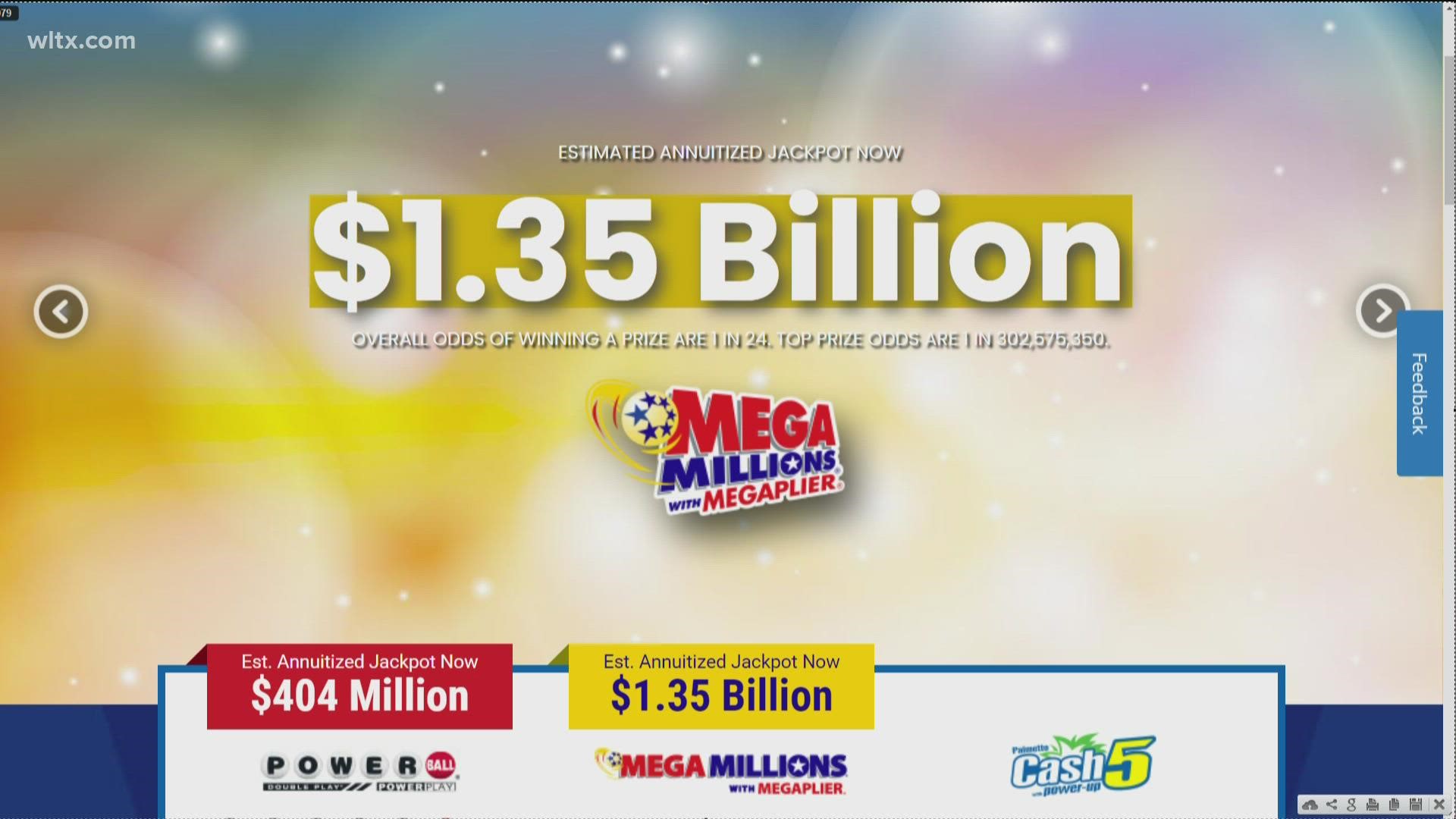
The mathematical reality of winning the Mega Millions jackpot is a staggering 1 in 302,575,350. To put this in a personal finance context, you are significantly more likely to be struck by lightning, become a billionaire through traditional entrepreneurship, or be cast as a lead in a Hollywood blockbuster than you are to hold the winning ticket. Understanding these odds is the first step in responsible financial behavior. When the draw happens at 11:00 PM, the statistical likelihood is that your $2 ticket will be worth $0.
The Concept of “Expected Value” in Lottery Play
In professional gambling and high-frequency trading, “Expected Value” (EV) is a calculation of how much a player can expect to win or lose on average per bet. For Mega Millions, the EV is usually negative. Even when the jackpot exceeds $1 billion, the “true” value of a ticket is often less than its $2 cost because of the high probability of splitting the prize with other winners and the immediate impact of taxes. When the jackpot is small, the EV is abysmal. Only in rare, massive jackpot scenarios does the EV technically turn positive, but even then, the variance is so high that it cannot be considered a sound financial strategy.
Opportunity Cost: Lottery Tickets vs. Compound Interest
A frequent participant might spend $4 to $10 a week on lottery tickets. While this seems negligible, the opportunity cost—what that money could have earned elsewhere—is substantial. If a 25-year-old invested $40 a month into a low-cost S&P 500 index fund with an average 7% annual return instead of buying lottery tickets, they would have approximately $100,000 by the time they reach retirement age. The 11:00 PM drawing represents a moment where that $40/month is either validated or evaporated; for 99.99% of people, compound interest is the more reliable path to wealth.
Taxation and the “Lump Sum vs. Annuity” Dilemma
If the 11:00 PM drawing results in a win, the financial complexity begins almost immediately. The first and most significant hurdle is the tax obligation, followed by the choice of how to receive the funds.
Federal and State Tax Withholdings
The moment a jackpot is claimed, the IRS becomes the winner’s largest “partner.” For U.S. citizens, there is a mandatory 24% federal withholding on gambling winnings. However, because the top federal income tax bracket is 37%, the winner will likely owe an additional 13% when they file their taxes. Furthermore, state taxes vary wildly. States like Florida, Texas, and Washington do not tax lottery winnings, whereas winners in New York or New Jersey could see an additional 8% to 10% taken by the state. This means a $1 billion “win” is instantly reduced by nearly half before a single dollar is spent.
The Mathematics of the Annuity Option
Mega Millions offers winners the choice between a one-time lump sum and an annuity paid over 30 years. The annuity option consists of one immediate payment followed by 29 annual payments, each 5% larger than the previous one. From a wealth preservation standpoint, the annuity is a powerful tool. It protects the winner from “lifestyle creep” and the risk of spending the entire fortune in a short period. It also provides a guaranteed income stream that is essentially inflation-protected.
The Psychology and Strategy of the Lump Sum
Most winners choose the lump sum (the “cash option”). The financial logic is that “a dollar today is worth more than a dollar tomorrow” due to the potential for investment. If a winner takes the lump sum and invests it in a diversified portfolio, they could theoretically outpace the 5% annual increase of the annuity. However, this requires immense discipline and a high-quality team of financial advisors. For many, the lump sum is a psychological trap that leads to rapid wealth depletion.
Wealth Management Strategies for Lottery Participants
The seconds following the 11:00 PM announcement are often filled with adrenaline, but they should be followed by a period of absolute silence and strategic planning. Managing a sudden windfall is a distinct branch of personal finance that requires specialized knowledge.
Immediate Financial Steps Post-Win
The first rule of winning a major jackpot is to remain anonymous for as long as the law allows. In some states, winners can claim prizes through a trust or an LLC to keep their names out of the public record. The second step is to secure the physical ticket in a safe deposit box and consult with a lawyer. The goal in the first 48 hours isn’t to spend money, but to build a defensive perimeter around the new assets.
Building a Professional Advisory Team
A lottery winner needs three key professionals: a tax attorney, a certified public accountant (CPA), and a fee-only financial planner. Unlike traditional financial advisors who may work on commission, a fee-only advisor is paid for their time, reducing the conflict of interest when managing millions. This team will help navigate the transition from a “labor-based” income to an “asset-based” income, ensuring the principal remains intact while the winner lives off the interest.
Avoiding the “Lottery Curse” and Maintaining Long-term Solvency
History is littered with stories of lottery winners who ended up bankrupt within five to ten years. This often happens because of “sudden wealth syndrome,” where the individual loses the ability to distinguish between affordable luxuries and unsustainable expenses. Professional wealth management involves setting a strict “burn rate”—a monthly budget that ensures the money lasts for generations. By treating the win as a corporate endowment rather than a personal checking account, winners can avoid the pitfalls of the “lottery curse.”
The Role of Small-Scale Gambling in a Balanced Financial Portfolio
While the lottery is not an investment, it does play a role in the “entertainment” sector of a household budget. From a personal finance perspective, the key is moderation and categorization.
Budgeting for Entertainment
Financial experts often recommend the 50/30/20 rule: 50% of income for needs, 30% for wants, and 20% for savings. Lottery tickets should fall strictly into the “30% for wants” category. If someone enjoys the ritual of checking the numbers at 11:00 PM, it should be funded by the same pool of money used for movies, dining out, or video games. As long as the expenditure does not interfere with the 20% savings goal, it is a harmless discretionary expense.
Psychological Benefits vs. Financial Risks
There is an undeniable psychological component to the Mega Millions. For the cost of a cup of coffee, a participant “purchases” the right to dream and fantasize about a different life for a few days. While this has no measurable ROI (Return on Investment), it provides a form of low-cost escapism. However, the risk arises when this escapism turns into “desperation play,” where individuals spend money they cannot afford to lose in the hopes of solving financial problems. In those cases, the 11:00 PM drawing is no longer a source of entertainment, but a source of significant financial stress.
In conclusion, knowing what time the Mega Millions is picked is a small detail in the larger machinery of personal finance. Whether you are a casual player or someone interested in the mechanics of wealth, the lottery serves as a powerful reminder of the importance of mathematical literacy, tax planning, and disciplined investing. The true “win” in personal finance isn’t found in a random drawing at 11:00 PM, but in the slow, steady accumulation of assets and the wise management of the resources we already possess.
aViewFromTheCave is a participant in the Amazon Services LLC Associates Program, an affiliate advertising program designed to provide a means for sites to earn advertising fees by advertising and linking to Amazon.com. Amazon, the Amazon logo, AmazonSupply, and the AmazonSupply logo are trademarks of Amazon.com, Inc. or its affiliates. As an Amazon Associate we earn affiliate commissions from qualifying purchases.