
The concept of “low blood pressure,” clinically known as hypotension, has traditionally been defined within the sterile walls of a doctor’s office. For decades, a reading below 90/60 mmHg was simply a data point on a chart, often discussed only when symptoms like dizziness or fatigue became debilitating. However, in the modern landscape of health technology, the definition of what is a low blood pressure level is being redefined by continuous data, wearable sensors, and sophisticated software algorithms. We are no longer looking at a single snapshot in time; we are looking at a dynamic, digital narrative of cardiovascular health.
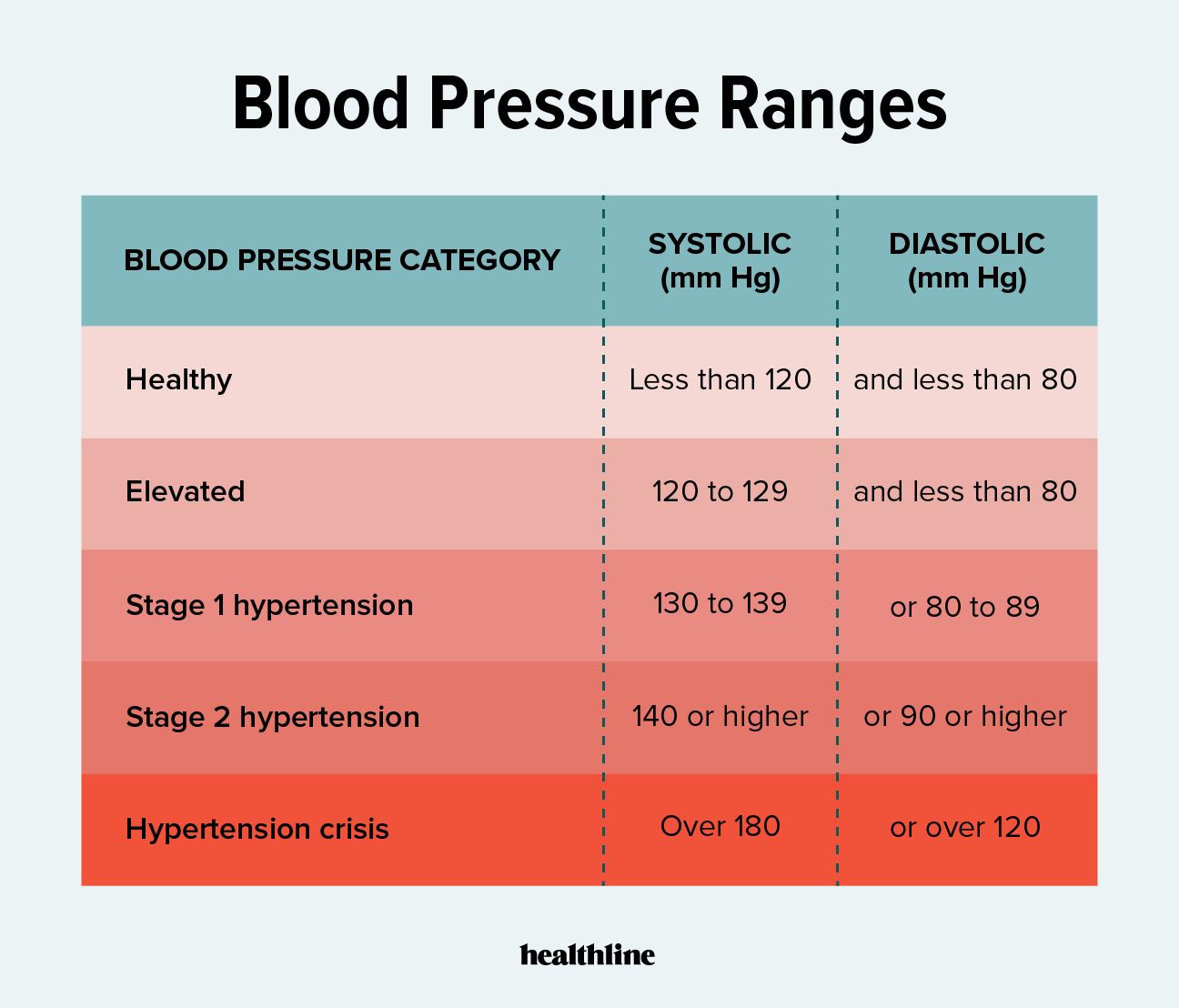
As technology integrates more deeply into our daily lives, the tools we use to measure and interpret these levels have evolved from manual sphygmomanometers to high-precision optical sensors and AI-driven predictive models. For tech enthusiasts and health-conscious consumers alike, understanding low blood pressure now requires an understanding of the hardware and software that tracks it.
The Evolution of Monitoring: From Manual Cuffs to Wearable Tech
For over a century, the gold standard for measuring blood pressure was the inflatable arm cuff. While accurate, these devices are cumbersome and provide only periodic data. The tech industry has spent the last decade miniaturizing this process, moving toward “cuffless” monitoring solutions that can identify low blood pressure levels in real-time.
The Shift from Clinical to Continuous Data
The primary challenge in identifying a low blood pressure level is its volatility. Blood pressure fluctuates based on posture, hydration, and stress. A single low reading in a clinic might be “white coat hypotension” or simply a momentary dip. Digital health tech has shifted the focus toward “ambulatory monitoring.” By using wearables that track blood pressure throughout the 24-hour cycle, software can establish a user’s unique baseline, making it easier to identify when a “low” reading is actually a cause for concern rather than a natural fluctuation.
The Rise of Pulse Wave Analysis (PWA)
Modern wearables, such as smart rings and advanced smartwatches, often utilize Pulse Wave Analysis. Instead of physically restricting blood flow with a cuff, these devices use Photoplethysmogram (PPG) sensors—the same green or red lights you see on the back of a fitness tracker—to measure the volume changes in blood vessels. Sophisticated algorithms then translate these light-based signals into pressure readings. This transition from mechanical to optical measurement is the backbone of modern cardiovascular tech.
How Digital Sensors Interpret Low Blood Pressure Metrics
When a device attempts to answer “what is a low blood pressure level,” it isn’t just looking for numbers below 90/60. It is processing a massive influx of raw data points. The hardware must filter out “noise”—movement, ambient light, and skin tone variations—to ensure the integrity of the biometric signal.
Photoplethysmography and Signal Processing
The core tech behind identifying low blood pressure levels in wearables is the PPG sensor. These sensors emit light into the tissue and measure how much is reflected back. As the heart beats, blood volume in the extremities changes, altering the light absorption. To detect low blood pressure, the software must analyze the “morphology” of the pulse wave. A “weak” wave or a specific delay in the pulse transit time (the time it takes for a pulse to travel from the heart to the wrist) can indicate a drop in pressure.
The Role of Accelerometers and Gyroscopes
Detecting low blood pressure level dips is often contextual. For instance, “orthostatic hypotension” occurs when blood pressure drops suddenly upon standing. Modern tech uses built-in accelerometers and gyroscopes to correlate a drop in blood pressure with a change in the user’s physical orientation. If the software detects a rapid transition from sitting to standing followed by a low pressure reading, it can provide a highly specific alert to the user, a feat impossible with traditional analog tools.
Software and AI: Predicting Hypotension Before it Happens
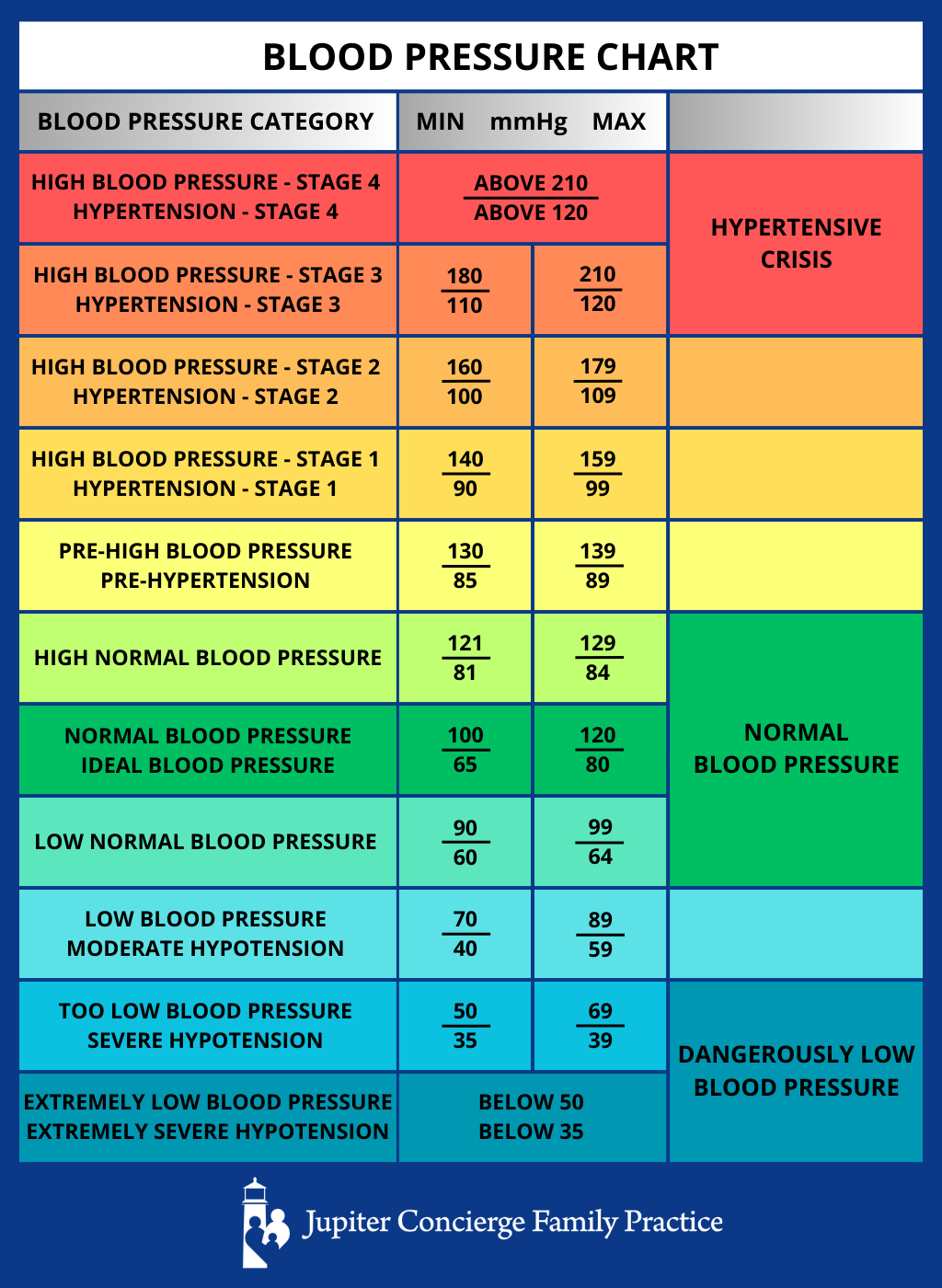
The most significant breakthrough in health tech isn’t just measuring what is a low blood pressure level, but predicting when it will occur. This is where Artificial Intelligence (AI) and Machine Learning (ML) become the primary drivers of innovation.
Machine Learning and Baseline Personalization
Every individual has a different “normal.” For an elite athlete, a resting blood pressure that looks “low” might actually be a sign of high cardiovascular efficiency. AI models analyze weeks of historical data to build a personalized profile for the user. By utilizing deep learning, these apps can distinguish between a healthy low pressure level and a symptomatic dip caused by dehydration or underlying tech-monitored issues like heart rate variability (HRV) anomalies.
Predictive Analytics in Remote Patient Monitoring (RPM)
In the enterprise and medical tech sectors, Remote Patient Monitoring platforms use predictive analytics to flag patients at risk of chronic hypotension. By aggregating data from thousands of users, these platforms can identify patterns—such as certain times of day or specific activity levels—that precede a drop in blood pressure. This allows healthcare providers to intervene digitally, perhaps via an automated push notification advising the patient to hydrate or adjust their medication, before the user even feels symptomatic.
Security and Data Integrity in Personal Health Monitoring
As we move toward a world where our gadgets constantly define and monitor our low blood pressure levels, the issue of digital security becomes paramount. Biometric data is among the most sensitive information a person can own, and the tech stack must be built to protect it.
Encryption and HIPAA Compliance
For any app or cloud service handling blood pressure data, encryption is non-negotiable. Data must be encrypted both “at rest” (on the device) and “in transit” (when being sent to a server). In the United States, developers must adhere to HIPAA (Health Insurance Portability and Accountability Act) standards, ensuring that the software architecture limits access to personal health information (PHI) and maintains a rigorous audit trail of who accesses the data.
The Edge Computing Advantage
To enhance both speed and security, many tech companies are moving toward “edge computing.” Instead of sending raw pulse wave data to a central cloud server to determine if a user has a low blood pressure level, the processing happens locally on the device’s chip. This reduces latency—providing near-instantaneous alerts—and ensures that the most sensitive raw data never leaves the user’s wrist, significantly lowering the risk of a massive data breach.
The Future of Non-Invasive Cardiovascular Tech
The question “what is low blood pressure level” will soon be answered by even more discrete and integrated technologies. The tech industry is currently moving beyond the wrist into the very fabric of our lives.
Smart Clothing and Bio-Sensors
We are seeing the emergence of “e-textiles”—clothing woven with conductive fibers that act as continuous EKG and blood pressure monitors. These garments provide a much larger surface area for data collection than a watch, potentially offering clinical-grade accuracy in detecting low blood pressure levels without the user ever having to “take” a measurement. The “invisible” nature of this tech ensures higher compliance and better long-term data sets.
The Integration of Digital Twins
One of the most exciting frontiers in health tech is the “Digital Twin.” This is a virtual model of a user’s cardiovascular system updated in real-time by wearable data. Engineers and developers are working on systems where a user’s digital twin can simulate how different variables—like a new medication or an increase in caffeine—will affect their blood pressure. By running these simulations, the software can warn the user if a specific action is likely to drop their pressure to a dangerous level, moving health tech from a reactive tool to a proactive guardian.
Final Thoughts on the Tech-Driven Health Landscape
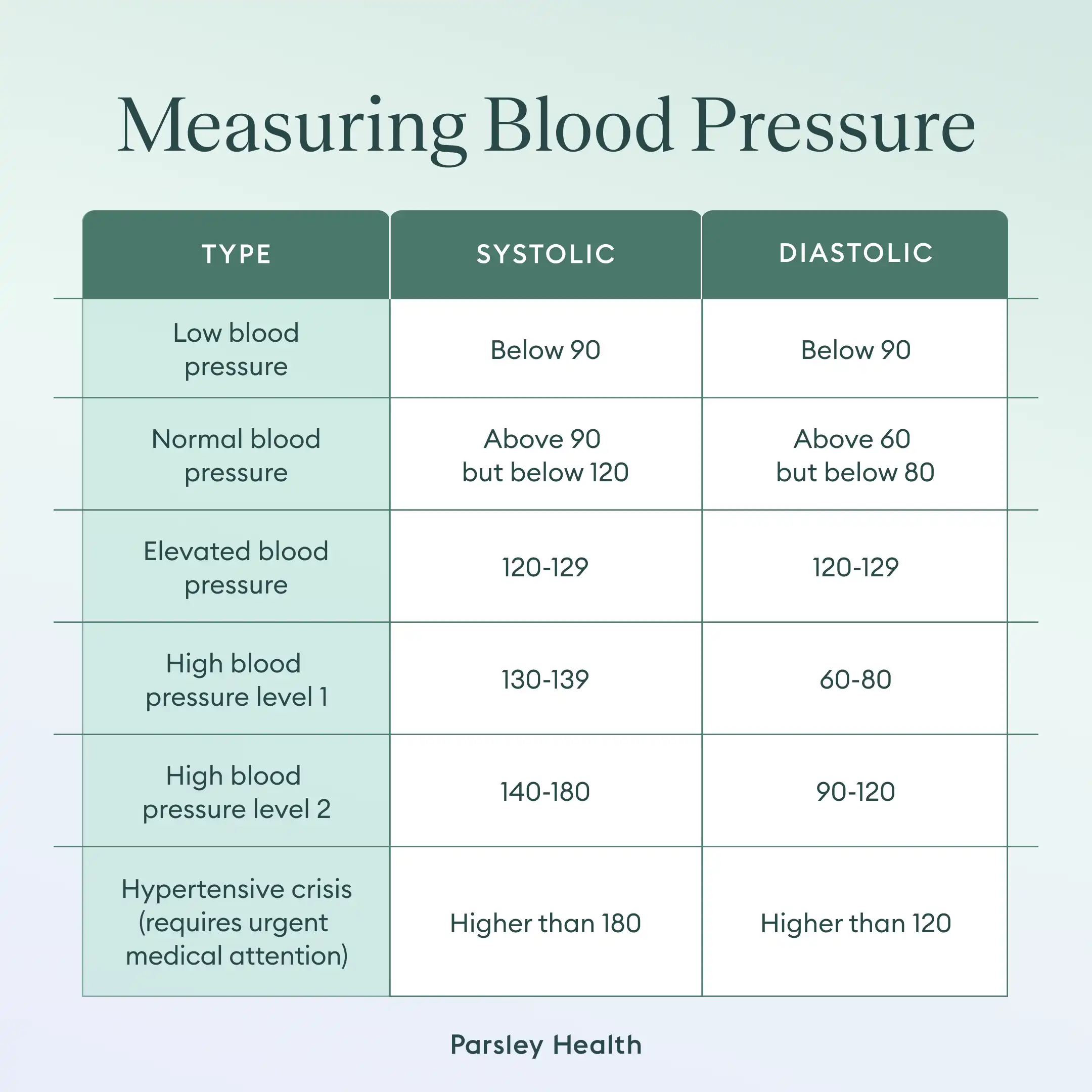
Understanding what is a low blood pressure level in the digital age requires a shift in perspective. It is no longer just about the numbers on a gauge; it is about the sophisticated interplay of PPG sensors, AI-driven baselines, and secure cloud infrastructures. As wearable technology continues to advance, the “low” in low blood pressure will be defined by personal data ecosystems that offer unprecedented insights into our longevity and daily performance. The fusion of hardware and software is turning the human body into an observable, predictable, and ultimately more manageable system.
aViewFromTheCave is a participant in the Amazon Services LLC Associates Program, an affiliate advertising program designed to provide a means for sites to earn advertising fees by advertising and linking to Amazon.com. Amazon, the Amazon logo, AmazonSupply, and the AmazonSupply logo are trademarks of Amazon.com, Inc. or its affiliates. As an Amazon Associate we earn affiliate commissions from qualifying purchases.