
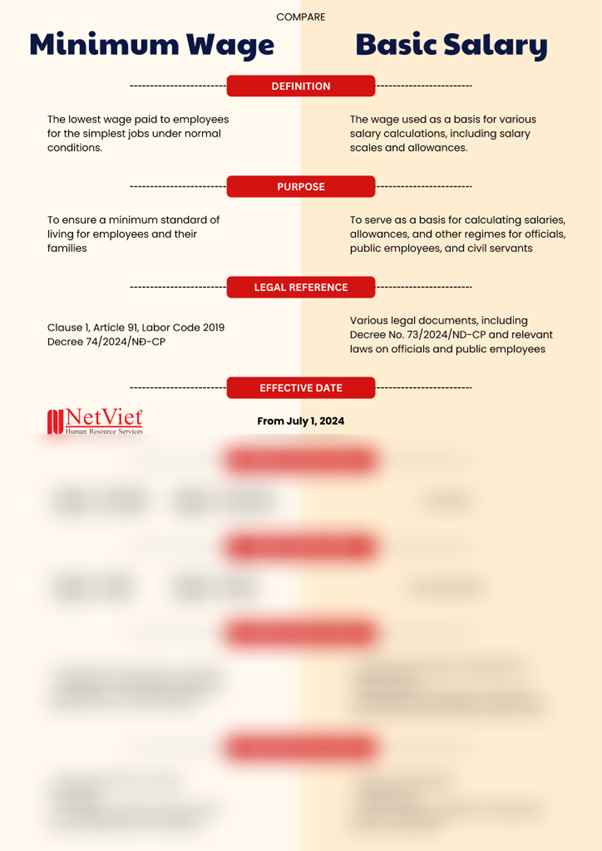
Minimum wage serves as the bedrock of the modern labor market, representing the lowest hourly remuneration that employers may legally pay their workers. More than just a number on a paycheck, it is a pivotal economic instrument designed to provide a “safety net” for the lowest-earning members of the workforce. For individuals, understanding the minimum wage is essential for personal budgeting and career planning; for business owners, it is a critical component of labor cost management and financial forecasting. This guide explores the complexities of minimum wage pay, its variations across jurisdictions, and its broader implications for personal and business finance.

The Structural Framework of Minimum Wage Legislation
The concept of a minimum wage is not a singular, fixed figure across the globe or even within a single country. In the United States, the structure is governed by the Fair Labor Standards Act (FLSA), but it is further complicated by a layered system of federal, state, and local mandates. To understand what the minimum wage pay is, one must look at where these different legislative tiers intersect.
The Federal Floor and the Fair Labor Standards Act
The federal minimum wage serves as the absolute baseline for covered, non-exempt employees. Established to ensure a minimum standard of living, this rate acts as a floor below which no state can legally fall. However, the federal rate remains static until changed by an act of Congress. When the federal rate remains unchanged for long periods, its “real value”—the actual purchasing power of those dollars—tends to erode due to inflation. This erosion creates a financial gap that often necessitates state-level intervention.
State and Local Autonomy
A significant portion of the workforce is subject to state or local minimum wage laws that exceed the federal requirement. Under the law, if a state or city mandates a higher wage than the federal government, the employer must pay the higher of the two. This has led to a diverse economic landscape where a worker in a high-cost-of-living area like Seattle or New York City may earn nearly double the federal minimum, while a worker in a state with no local minimum wage legislation remains at the federal baseline. For businesses operating across state lines, this creates a complex payroll environment that requires sophisticated financial tracking tools to ensure compliance.
The Living Wage vs. The Minimum Wage
It is important to distinguish between the legal minimum wage and what economists call a “living wage.” A living wage is a theoretical figure that represents the minimum income necessary for a worker to meet their basic needs—including housing, food, healthcare, and transportation—without government assistance. In many regions, the legal minimum wage falls significantly short of the living wage. This discrepancy is a primary driver for personal finance strategies, as many low-wage earners must supplement their primary income with side hustles or government programs to achieve financial stability.
Economic Implications for Employers and Employees
The adjustment of minimum wage pay triggers a ripple effect throughout the economy, influencing everything from the price of a fast-food meal to the long-term investment strategies of multi-billion-dollar corporations. Understanding these mechanics is vital for anyone looking to navigate the modern financial landscape.
Impact on Small Business Finance
For small business owners, labor is often the largest line item on the balance sheet. When minimum wage rates rise, businesses face an immediate increase in operating expenses. To maintain profit margins, business owners typically have three financial levers to pull: they can raise prices for consumers, improve operational efficiency to reduce hours worked, or accept lower profit margins.
Insightful business management involves more than just reacting to wage hikes; it requires proactive financial planning. Many successful enterprises use this as an opportunity to invest in training, believing that higher pay leads to lower turnover. In the world of business finance, the “cost of turnover”—the expense of recruiting, hiring, and training a new employee—can often exceed the cost of paying a higher hourly wage to retain an experienced worker.
Consumer Purchasing Power and Inflation
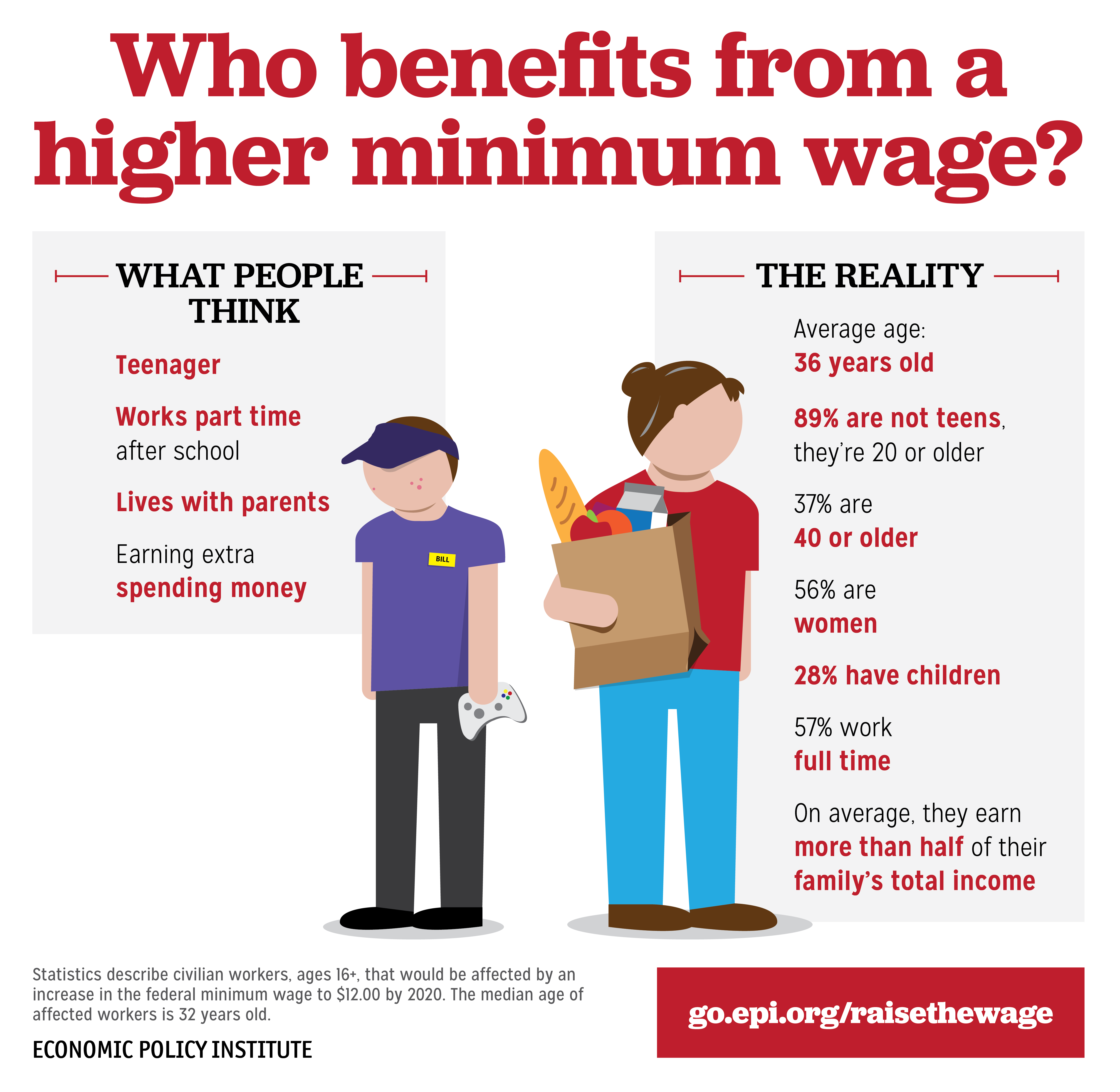
From a personal finance perspective, an increase in the minimum wage is designed to boost the purchasing power of low-income households. When these individuals earn more, they tend to spend that money immediately on essential goods and services, which can stimulate local economies.
However, there is an ongoing debate regarding the inflationary pressure of wage increases. If businesses pass the entirety of their increased labor costs onto the consumer, the resulting price hikes can negate the benefits of the wage increase. This “wage-price spiral” is a key consideration for investors and economists when analyzing the long-term health of the economy. For the individual, this means that a raise in pay must be balanced against the rising cost of living to determine their true financial progress.
Common Exceptions and Complexities in Compensation
While the general rule of minimum wage seems straightforward, the financial reality is filled with nuances. There are several categories of workers and types of compensation that do not follow the standard hourly rate model.
The Tipped Minimum Wage
One of the most complex areas of labor finance is the tipped minimum wage. In many jurisdictions, employers of “tipped employees” (such as servers or bartenders) are permitted to pay a lower direct cash wage, provided that the combination of tips and the cash wage equals at least the standard minimum wage. If the tips do not bridge that gap, the employer is legally required to make up the difference. This creates a variable income model for the employee, making personal budgeting significantly more difficult. Financial planning for tipped workers requires a high degree of discipline, often involving the use of “average income” forecasting rather than relying on a steady paycheck.
Exempt vs. Non-Exempt Status
Not every worker is paid by the hour. The FLSA distinguishes between “exempt” and “non-exempt” employees. Generally, exempt employees are paid a salary and are not eligible for overtime pay, provided they meet certain job duty criteria and earn above a specific salary threshold. As minimum wage levels rise, these salary thresholds often rise as well. This can lead to “compression,” where the gap between entry-level hourly workers and mid-level salaried managers shrinks, forcing companies to re-evaluate their entire compensation structure to maintain internal equity and morale.
Youth and Student Sub-Minimum Wages
To encourage the hiring of young, inexperienced workers, some regulations allow for a “youth minimum wage” for a limited period (usually the first 90 days of employment). Similarly, full-time students working in certain sectors may be paid a percentage of the standard minimum. From a career-building perspective, these roles are often seen as “stepping stones,” but from a financial standpoint, they require careful management to ensure the worker is gaining enough value in experience to offset the lower immediate pay.
Planning for a Post-Minimum Wage Economy
For those currently earning minimum wage, the goal is often to move beyond this baseline through skill acquisition and strategic financial planning. Simultaneously, businesses are looking for ways to remain profitable in an era of rising labor costs.
Upskilling and Career Progression
The most effective way to increase one’s “personal market value” is through upskilling. In the context of personal finance, education and certifications are capital investments. By moving into specialized fields—such as healthcare, technology, or skilled trades—workers can command wages that far exceed the legal minimum. Insightful financial planning involves identifying industries with high demand and low supply of labor, ensuring that time spent working also contributes to long-term earning potential.
The Role of Automation and Technology
As the cost of human labor increases, many businesses are turning to technology to bridge the gap. We see this in the proliferation of self-service kiosks in retail and automated assembly lines in manufacturing. For the business owner, this is a capital expenditure (CapEx) decision: investing in a machine today to reduce operational expenditure (OpEx) tomorrow. For the worker, this shift emphasizes the need for “soft skills” and technical literacy—traits that are harder to automate and therefore command higher pay.
Diversifying Income Streams
In today’s economy, relying on a single source of minimum-wage income is a high-risk financial strategy. Many individuals are turning to side hustles or the “gig economy” to supplement their earnings. Whether it is freelance writing, ride-sharing, or selling products online, diversifying income streams provides a buffer against economic shifts. This entrepreneurial approach to personal finance allows individuals to take control of their hourly “effective rate” by leveraging their unique talents outside of a traditional employment contract.
The Future of Minimum Wage and the Living Wage Movement
The conversation around minimum wage pay is evolving. In recent years, there has been a significant push toward a $15 federal minimum wage in the U.S., and some regions are already looking toward $20 or more.
Legislative Trends and Indexing
A growing trend in labor policy is “indexing” the minimum wage to inflation or the Consumer Price Index (CPI). This ensures that wages rise automatically as the cost of living increases, preventing the legislative stalemates that often leave wages stagnant for decades. For businesses, this provides a predictable schedule for cost increases, allowing for better long-term financial forecasting. For workers, it offers a degree of protection against the eroding power of the dollar.
The Universal Basic Income (UBI) Debate
As automation continues to reshape the labor market, some economists suggest that the concept of a minimum wage may eventually be supplemented or replaced by Universal Basic Income (UBI). The theory is that as machines perform more low-wage tasks, the government should provide a baseline income to all citizens to maintain economic stability. While still largely theoretical, the debate highlights the changing nature of how we value human labor and the financial structures we use to support it.
Final Financial Considerations
What the minimum wage pay represents is more than just a legal requirement; it is a reflection of the current economic climate and a vital data point for both personal and business finance. Whether you are an employee looking to maximize your earnings or an employer striving to balance a budget, staying informed about wage trends is essential.
By understanding the legislative floor, the economic impacts of wage changes, and the strategies available for growth, individuals and businesses can navigate the complexities of the labor market with confidence. The path to financial stability in a minimum-wage environment requires a combination of disciplined budgeting, strategic upskilling, and an eye toward future economic trends. As the landscape continues to shift, those who treat labor compensation as a dynamic component of their financial strategy—rather than a static number—will be best positioned for long-term success.
aViewFromTheCave is a participant in the Amazon Services LLC Associates Program, an affiliate advertising program designed to provide a means for sites to earn advertising fees by advertising and linking to Amazon.com. Amazon, the Amazon logo, AmazonSupply, and the AmazonSupply logo are trademarks of Amazon.com, Inc. or its affiliates. As an Amazon Associate we earn affiliate commissions from qualifying purchases.