
The traditional landscape of healthcare is undergoing a radical digital transformation. While many patients still ask, “What is a liver enzyme test called?” as a matter of medical curiosity, the answer increasingly lies at the intersection of biological data and advanced diagnostic technology. In professional medical and laboratory settings, these tests are collectively known as a Liver Function Test (LFT) or, more broadly, as part of a Comprehensive Metabolic Panel (CMP). However, in the modern tech era, these are no longer just numbers on a printed page; they are data points feeding into complex algorithms, AI-driven predictive models, and integrated health monitoring software.
The digitization of liver enzyme testing represents a significant leap in how we monitor metabolic health. By moving beyond static results and toward dynamic, data-driven insights, technology is redefining the diagnostic process from start to finish.
The Architecture of Liver Enzyme Data: LFTs and CMPs
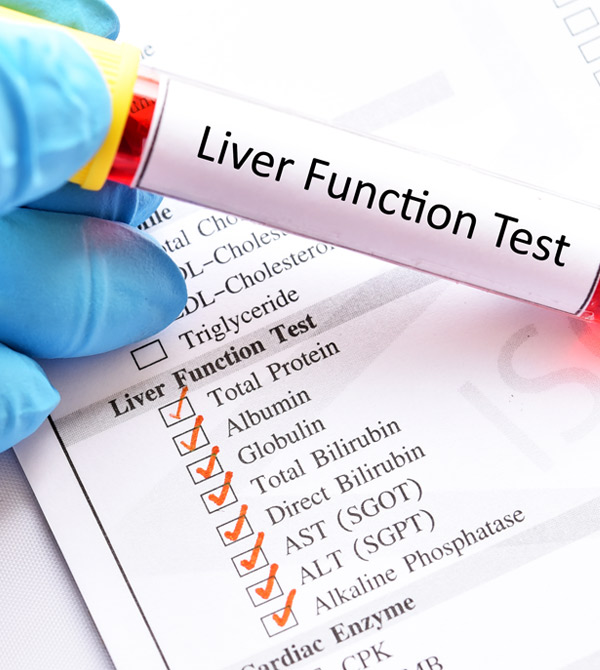
To understand the technological framework of liver diagnostics, one must first understand the specific parameters that software systems are designed to track. When a clinician orders a test to check liver health, they are typically looking at a battery of biomarkers that indicate cellular integrity and metabolic efficiency.
Key Biomarkers in the Digital Ledger
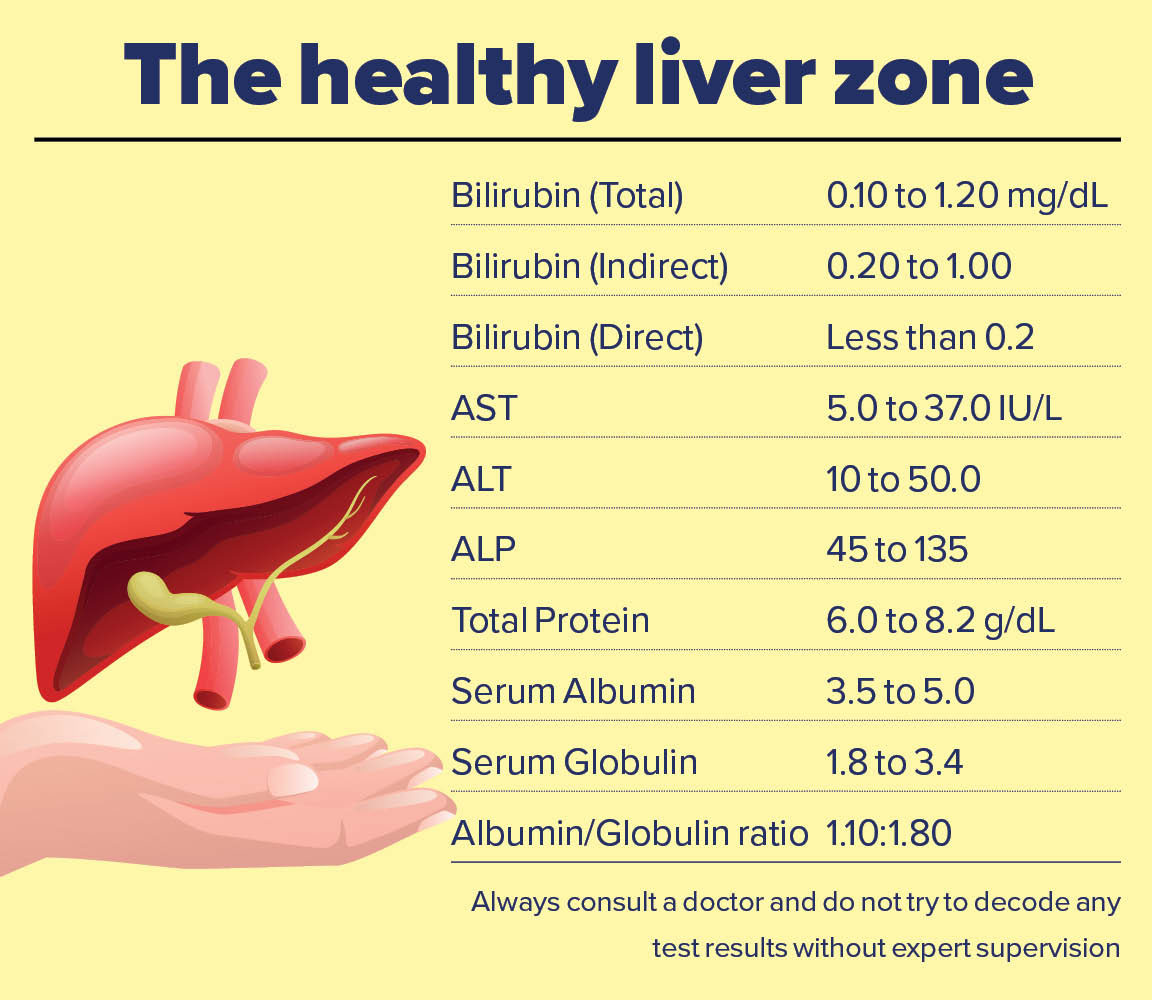
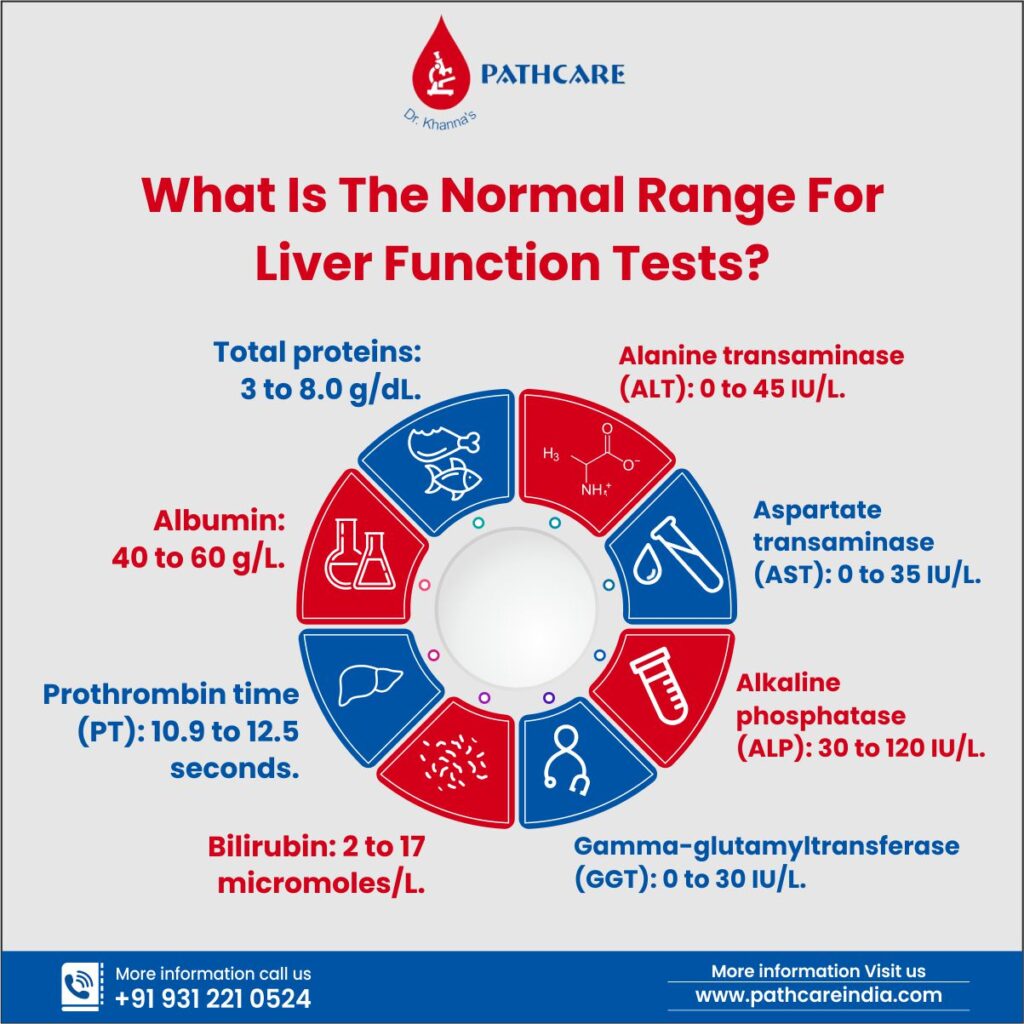
The primary enzymes tracked in these digital diagnostic panels include:
- ALT (Alanine Transaminase): Primarily found in the liver, this enzyme is the gold standard for detecting hepatic injury. High-performance diagnostic software flags ALT spikes as primary indicators of cellular leakage.
- AST (Aspartate Transaminase): While also found in the heart and muscles, its ratio to ALT is a critical variable for diagnostic algorithms to differentiate between various types of liver stress.
- ALP (Alkaline Phosphatase): This enzyme is crucial for diagnosing issues related to the bile ducts and bone metabolism.
- Bilirubin and Albumin: While not enzymes themselves, these proteins and waste products are vital components of the LFT data set, providing context on how well the liver is synthesizing proteins and clearing toxins.
In the tech-heavy environment of modern laboratories, these biomarkers are processed via automated analyzers. These machines utilize advanced spectrophotometry and chemiluminescence technology to quantify enzyme activity with a level of precision that was impossible two decades ago.
From Paper Reports to Structured Data
The shift from “tests” to “data streams” occurred with the rise of Health Level Seven (HL7) standards and Electronic Health Records (EHR). When a liver enzyme test is conducted today, the results are immediately ingested into a structured database. This allows for longitudinal tracking—comparing a patient’s current ALT levels against a ten-year history—enabling software to detect subtle trends that might escape the human eye during a standard consultation.
AI and Machine Learning: The New Frontier of Diagnostic Interpretation
The most significant tech trend in hepatology is the application of Machine Learning (ML) to liver enzyme results. A single liver enzyme test provides a snapshot; however, AI can analyze thousands of these snapshots simultaneously to identify patterns associated with specific pathologies.
Predictive Analytics for Hepatic Health
Modern diagnostic platforms now utilize predictive modeling to assess the risk of Non-Alcoholic Fatty Liver Disease (NAFLD) or progression to cirrhosis. By integrating liver enzyme data with other metrics—such as BMI, glucose levels, and lipid profiles—AI tools can generate a “risk score.”
For instance, the FIB-4 index, which once required manual calculation using age and enzyme counts, is now automatically computed by laboratory software. Advanced versions of these tools use neural networks to predict the likelihood of liver fibrosis more accurately than traditional biopsy-based models in some clinical scenarios.
Reducing Clinical Noise
One of the primary challenges in diagnostic technology is “noise”—insignificant fluctuations in enzyme levels caused by temporary factors like intense exercise or specific medications. AI-driven Clinical Decision Support Systems (CDSS) help clinicians filter this noise. By cross-referencing enzyme spikes with a patient’s digital pharmacy records and wearable activity data, these systems can suggest whether a high AST reading is a cause for concern or merely a byproduct of a recent marathon.
The Rise of Consumer-Facing Health Platforms and At-Home Tech
The decentralization of healthcare tech has brought liver enzyme testing out of the hospital and into the home. Direct-to-consumer (DTC) laboratory services have leveraged logistics software and user-friendly interfaces to make these tests accessible to the general public.
Digital Dashboards and Bio-Monitoring
Companies in the “Bio-Hacking” and wellness tech space provide users with comprehensive digital dashboards. When a user performs an at-home liver enzyme test (typically via a finger-prick blood spot), the results are uploaded to a cloud-based platform. These platforms visualize the data, offering intuitive charts that explain what “elevated ALP” means in the context of the user’s specific health goals.
This democratization of data is powered by robust backend APIs that connect third-party labs with consumer apps. It allows for a seamless flow of information, enabling users to track their metabolic health with the same granularity they use to track their stock portfolios or sleep cycles.
Wearable Integration and The Future of Real-Time Testing
While current liver enzyme tests require blood draws, the tech industry is hard at work on “lab-on-a-chip” technology and interstitial fluid sensors. The goal is to move toward continuous metabolic monitoring (CMM). Just as Continuous Glucose Monitors (CGMs) revolutionized diabetes management, upcoming biosensor technology aims to monitor liver enzymes in real-time. This would allow for the immediate detection of drug-induced liver injury or acute metabolic distress, pushing the notification directly to a smartphone or a physician’s monitoring station.
Data Security and Privacy in the Diagnostic Ecosystem
As liver enzyme data moves from local lab servers to the cloud, the importance of digital security cannot be overstated. Health data is among the most sensitive information an individual possesses, making it a prime target for cyber threats.
HIPAA-Compliant Cloud Infrastructure
Technology providers specializing in diagnostics must adhere to rigorous standards like the Health Insurance Portability and Accountability Act (HIPAA) in the US or GDPR in Europe. This involves end-to-end encryption for data in transit and at rest. When you access your liver enzyme results on a mobile app, that data is protected by multi-factor authentication (MFA) and hosted on secure, partitioned cloud environments provided by industry leaders like AWS HealthOmics or Google Cloud Healthcare API.
The Role of Blockchain in Medical Records
Some emerging tech startups are exploring blockchain technology to give patients absolute ownership of their diagnostic history. By storing liver enzyme results on a decentralized ledger, patients could grant temporary access to specific doctors without the data being stored permanently in a vulnerable, centralized hospital database. This “self-sovereign identity” model for health data represents a paradigm shift in medical privacy and interoperability.
Conclusion: The Convergence of Biology and Bits
What is a liver enzyme test called? In a clinical sense, it is an LFT or a CMP. In a technological sense, it is a vital input for the next generation of digital health tools. We are moving away from a world where a “test” is an isolated event and toward a future where metabolic monitoring is a continuous, automated, and highly intelligent process.
Through the integration of AI, the expansion of consumer-facing health platforms, and the implementation of rigorous data security protocols, the simple liver enzyme test has become a cornerstone of the digital health revolution. As software continues to eat the world, it is also learning to read our biology, providing us with the insights needed to live longer, healthier lives through the power of data. The evolution of these diagnostic tools ensures that the answer to “What is a liver enzyme test called?” will increasingly involve terms like “algorithm,” “data visualization,” and “predictive analytics.”
aViewFromTheCave is a participant in the Amazon Services LLC Associates Program, an affiliate advertising program designed to provide a means for sites to earn advertising fees by advertising and linking to Amazon.com. Amazon, the Amazon logo, AmazonSupply, and the AmazonSupply logo are trademarks of Amazon.com, Inc. or its affiliates. As an Amazon Associate we earn affiliate commissions from qualifying purchases.