
In the landscape of religious broadcasting, few names carry as much historical weight as the Eternal Word Television Network (EWTN). Founded by Mother Angelica in a garage in 1981, it grew from a grassroots operation into a global media empire spanning television, radio, and news syndication. However, as the media ecosystem has shifted from traditional cable to decentralized digital platforms, EWTN faces a critical branding crisis. To ask “what is wrong with EWTN” from a brand strategy perspective is to examine how a legacy entity struggles to reconcile its foundational identity with the demands of a modern, fragmented audience.
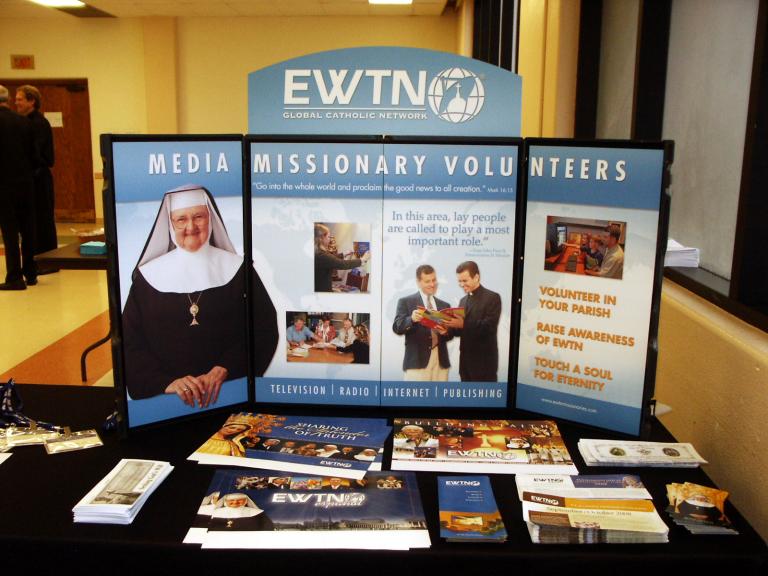
The challenges facing EWTN are not merely content-driven; they are structural and strategic. The brand is currently caught between its heritage as a traditionalist outpost and the necessity of reaching a younger, tech-savvy demographic that consumes media in fundamentally different ways. This tension has led to brand stagnation, a dated visual identity, and a messaging strategy that increasingly feels disconnected from the broader market it seeks to influence.
The Heritage Trap: When Legacy Becomes a Liability
The primary hurdle for EWTN is the “Heritage Trap.” In brand strategy, heritage is often a core asset—it builds trust and provides a sense of continuity. However, for EWTN, the legacy of its founder and its 1980s aesthetic has become a tether that prevents the brand from evolving.
The Shadow of the Founder
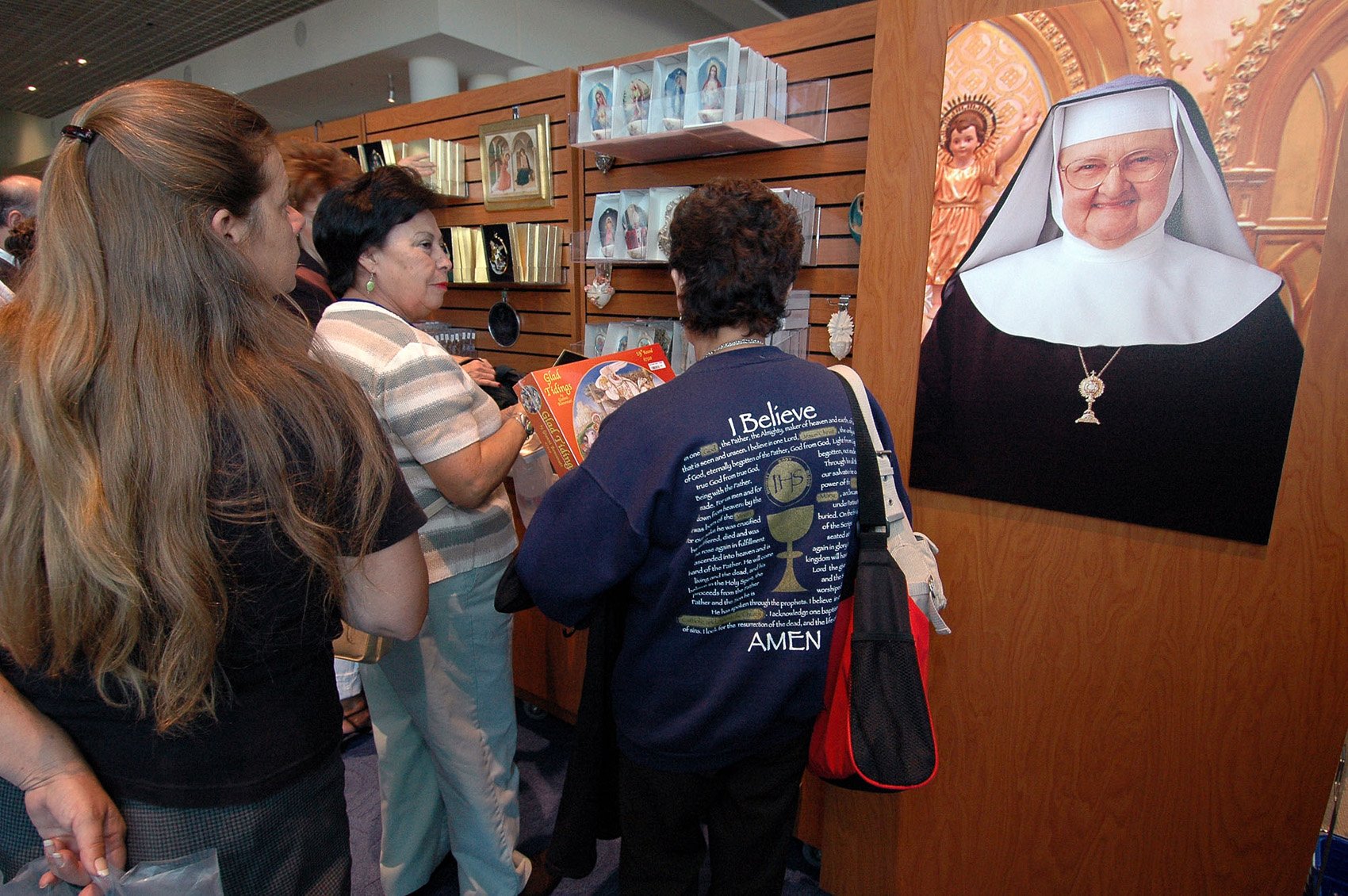
Mother Angelica was a branding powerhouse. Her personality was the brand. Since her passing, EWTN has struggled to find a cohesive “face” or a unifying voice. Instead of evolving the brand to stand independently of a single charismatic leader, the network has largely attempted to replicate the past. This creates a “museum effect,” where the programming and visual presentation feel like artifacts rather than living, breathing contemporary media. From a strategic standpoint, a brand that relies too heavily on its origin story without innovating its current narrative risks becoming a nostalgia product rather than a market leader.
Resistance to Rebranding
While secular networks like HBO, CNN, or even niche broadcasters like the Discovery Channel undergo periodic brand refreshes to stay relevant, EWTN has remained remarkably static. Its logo, set designs, and even the pacing of its broadcasts reflect a 1990s television philosophy. In an era where “clean,” “minimalist,” and “high-production-value” are the standard for digital credibility, EWTN’s visual language signals a lack of investment in modern aesthetics. This creates a barrier to entry for younger viewers who associate dated production values with low-quality information.
Fragmentation of the Brand Narrative
A strong brand requires a clear, consistent message. EWTN’s brand narrative has become increasingly fragmented as it attempts to serve multiple masters: traditionalist donors, a global international audience, and a growing news division that often clashes with its more devotional programming.
Editorial Polarization and Market Share
In recent years, EWTN’s news arms—including the National Catholic Register and the Catholic News Agency—have taken a more polemical tone. While this may appeal to a specific, highly engaged core demographic, it often alienates the “movable middle” of the market. From a brand positioning perspective, EWTN is moving from being a “universal” (Catholic) resource to a “niche” political-religious outlet. This narrowing of the brand funnel limits growth potential. When a brand becomes synonymous with a specific internal faction, it loses its ability to act as a broad-market leader, eventually leading to a ceiling on audience expansion.
The Global vs. Local Identity Crisis
EWTN broadcasts in multiple languages and across several continents. However, the “brand feel” remains intensely American. The corporate identity exported to Europe, Latin America, and Africa often feels like a translated version of a U.S. product rather than a localized brand experience. In a globalized market, successful brands practice “glocalization”—maintaining a core identity while adapting the brand’s look, feel, and tone to local cultural nuances. EWTN’s centralized, U.S.-centric brand control prevents it from achieving deep resonance in diverse international markets.
Digital Experience and the Technical Brand

In the 21st century, a brand is defined as much by its user experience (UX) as its message. This is where the “wrongness” of EWTN is most visible to the modern consumer. The network’s digital touchpoints—its apps, website, and streaming interface—lack the seamlessness required to compete in a saturated attention economy.
Interface Friction and User Retention
The EWTN app and website suffer from high friction. Navigation is counterintuitive, search functionality is often imprecise, and the video player technology lags behind industry standards. For a media brand, the “product” is the content, but the “package” is the digital interface. If the package is difficult to open, the consumer will move to a competitor. Newer Catholic media startups, such as Hallow or Word on Fire, have demonstrated that high-quality UX and modern design can capture significant market share rapidly. These competitors are winning not because their content is necessarily “better,” but because their brand delivery is frictionless.
Platform Parity and Discovery
EWTN has struggled with “platform parity”—the ability to deliver a consistent and high-quality experience across various devices (Smart TVs, mobile, web). Furthermore, its content discovery algorithms are virtually non-existent. In a world where Netflix and YouTube curate content for the user, EWTN’s “broadcast schedule” model feels archaic. To stay relevant, the brand needs to transition from a “push” model (telling the audience what to watch and when) to a “pull” model (making content easily discoverable and accessible on-demand).
The Sustainability of the Donation-Based Business Model
EWTN’s brand is uniquely tied to its “no-fee” donation model. While this was revolutionary in the 1980s, it creates a specific set of branding challenges in a competitive non-profit landscape.
The Donor Demographic Cliff
The brand’s reliance on a donor base that is largely aged 65 and older creates a demographic cliff. Because the brand has not successfully modernized its image to appeal to Millennials and Gen Z, it is failing to cultivate the next generation of financial supporters. A brand that does not appeal to the upcoming economic powerhouse demographics is a brand with an expiration date. EWTN’s marketing strategy remains focused on direct-response television appeals, a medium that is rapidly losing efficacy.
Competing for “Mindshare” in a Crowded Market
EWTN no longer holds a monopoly on Catholic media. The rise of independent podcasters, YouTube personalities, and well-funded tech startups has diluted EWTN’s brand equity. These smaller, more agile entities often have much stronger personal branding and community engagement. EWTN, as a large corporate entity, feels distant and institutional. In the modern market, consumers crave “authenticity” and “connection.” EWTN’s brand voice often feels overly formal and detached, making it difficult to compete for the “mindshare” of a younger audience that values relatability over institutional authority.
Strategic Pivot: Reclaiming Relevance in the Media Ecosystem
To correct its trajectory, EWTN requires more than a new coat of paint; it requires a fundamental shift in brand strategy. This involves a top-down reimagining of how the network interacts with the modern world.
Diversifying Content Formats
The brand needs to move beyond the “talk-show-on-a-set” format. The modern consumer prefers documentary-style storytelling, high-energy short-form video (TikTok/Reels), and interactive digital experiences. By diversifying its content formats, EWTN can break the perception that it is “television for the elderly” and start appearing in the feeds of a broader demographic. This isn’t just a content change; it’s a brand repositioning from “broadcaster” to “multi-platform content creator.”
Modernizing the Visual Language
A comprehensive visual rebrand is overdue. This includes a modernized logo, a cohesive color palette that works across digital and print, and a commitment to high-end cinematography. The goal should be to make EWTN’s content indistinguishable from high-quality secular media in terms of production value. When the visual “wrapper” matches the quality of the message, the brand gains immediate credibility with skeptics and younger audiences.
Community-Centric Branding
Finally, EWTN must shift from being a one-way broadcaster to a community builder. Successful modern brands are ecosystems. By leveraging social media for two-way communication, creating exclusive digital communities, and fostering a sense of belonging, EWTN can transform its passive viewers into active brand ambassadors.
In conclusion, what is “wrong” with EWTN is not a lack of mission or resources, but a failure to adapt its brand strategy to a radically different media environment. By clinging to a legacy model and ignoring the visual and functional expectations of the modern consumer, EWTN risks becoming a relic of the past rather than a voice for the future. The path forward requires a bold embrace of digital-first principles, a visual overhaul, and a strategic narrowing of the gap between its storied heritage and the contemporary user experience.
aViewFromTheCave is a participant in the Amazon Services LLC Associates Program, an affiliate advertising program designed to provide a means for sites to earn advertising fees by advertising and linking to Amazon.com. Amazon, the Amazon logo, AmazonSupply, and the AmazonSupply logo are trademarks of Amazon.com, Inc. or its affiliates. As an Amazon Associate we earn affiliate commissions from qualifying purchases.