
Managing a hormonal imbalance is often discussed through the lens of endocrinology and nutrition, but there is an undeniable, yet rarely discussed, intersection between endocrine health and personal finance. When your biological system is out of equilibrium, the ripple effects on your productivity, decision-making, and long-term financial security can be significant. Addressing hormonal health is not merely a medical necessity; it is a vital component of your overall financial strategy. By optimizing your health, you are effectively protecting your most valuable asset—your ability to generate income—and reducing the long-term cost of chronic health management.
The Economic Impact of Hormonal Health
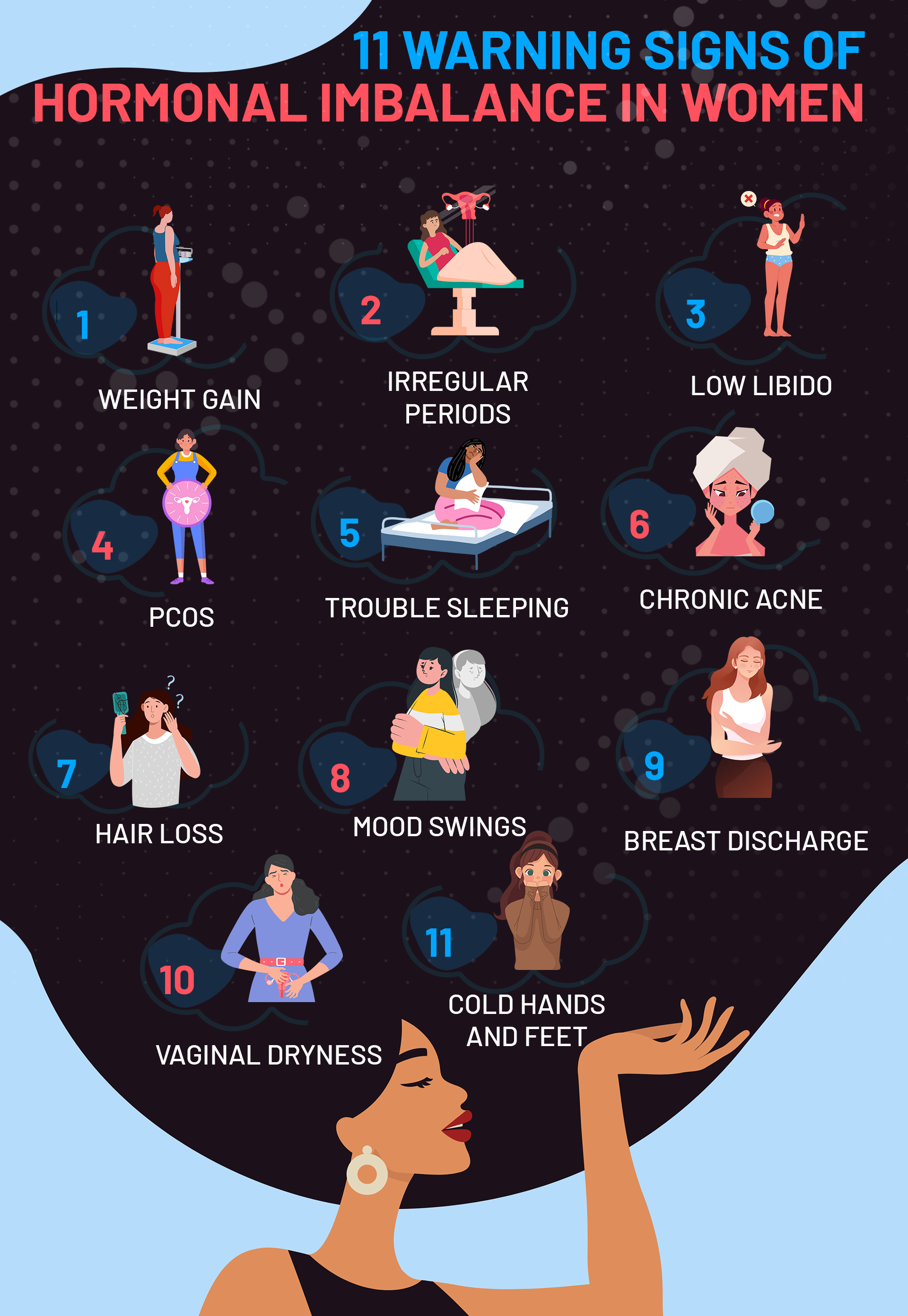
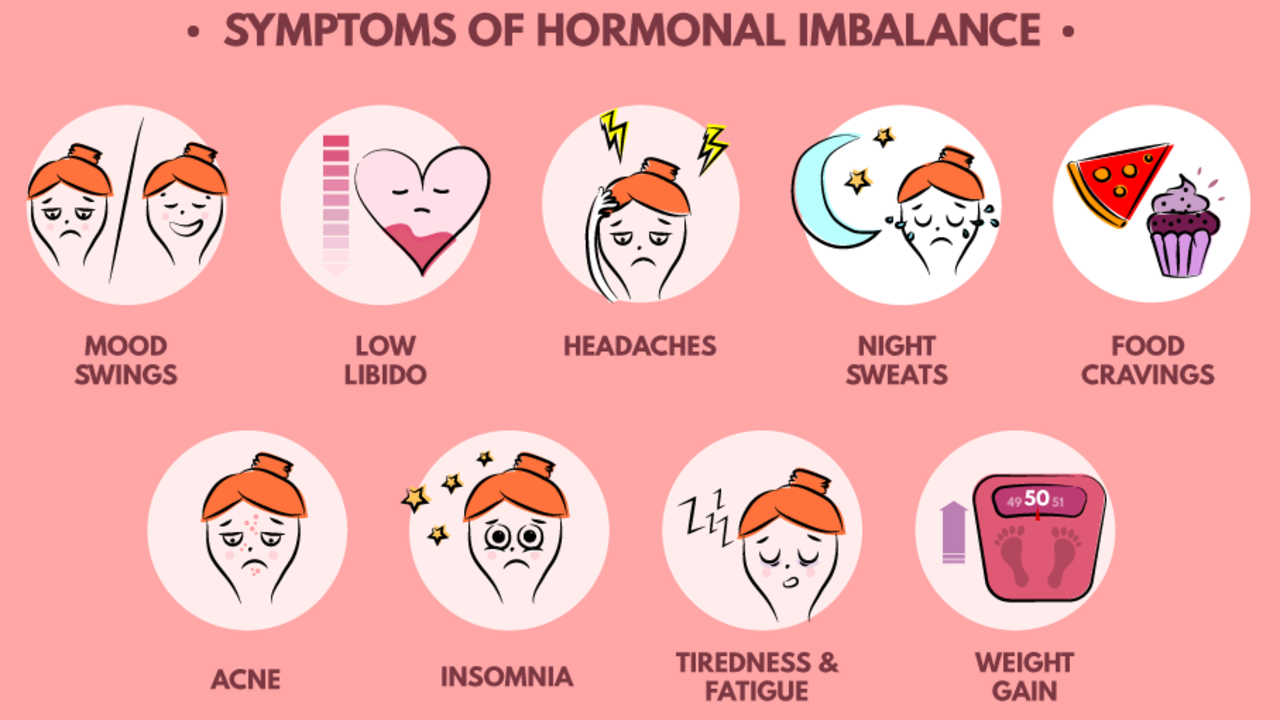
Hormonal imbalances, whether caused by stress-induced cortisol dysregulation, insulin resistance, or thyroid fluctuations, carry an implicit “tax” on your professional life. When your body is not functioning at its peak, your cognitive performance declines. In the world of professional growth and personal finance, your most important tool is your brain. If you are struggling with brain fog, fatigue, or mood instability, your ability to perform tasks, negotiate deals, or manage complex investment portfolios diminishes.
The Cost of Performance Diminishment
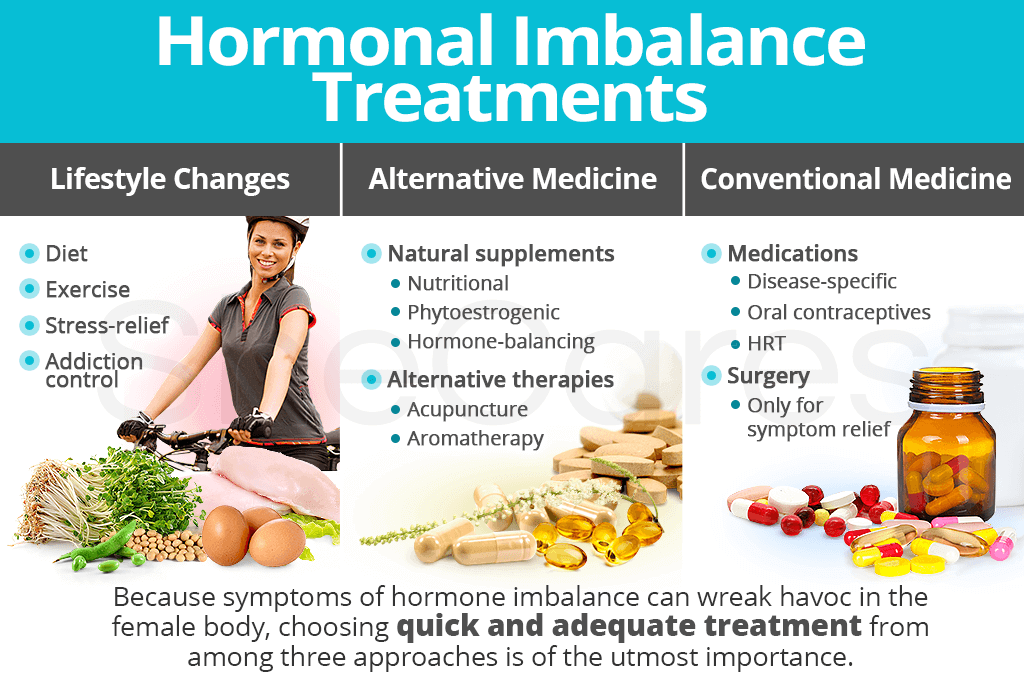
Consider the concept of “opportunity cost” in your career. If a hormonal imbalance leads to chronic fatigue, you may find yourself working longer hours to complete tasks that should take half the time, or perhaps failing to hit performance targets that lead to bonuses or promotions. Over the course of a year, this drop in efficiency can equate to thousands of dollars in lost earnings. By investing in the protocols necessary to balance your hormones—such as specific nutritional interventions, sleep hygiene, and specialized testing—you are not just spending money; you are recapturing lost productivity.
Long-Term Healthcare Liability
From a financial planning perspective, chronic health issues are a significant liability. Ignoring signs of hormonal imbalance today often leads to more severe metabolic issues down the road, such as Type 2 diabetes, cardiovascular complications, or osteoporosis. These conditions require lifelong medical intervention, prescription medication, and potentially time away from the workforce. Proactively spending on the foundational pillars of hormonal health—like functional medicine checkups or high-quality dietary adjustments—acts as an insurance policy against future, exponentially higher medical expenses.
Asset Allocation for Endocrine Resilience
If you view your health as an enterprise, you must treat your wellness expenditures as capital investments. Most people view health spending as a reactive cost, but a strategic approach treats these expenses as a proactive budgetary line item designed to yield a high return on investment (ROI) through sustained energy and longevity.
Prioritizing High-Yield Health Investments
Just as you would diversify your investment portfolio, you should prioritize your health budget to maximize results. Start with the “core holdings” of hormonal health:
- Diagnostic Testing: Allocate funds toward comprehensive hormone panels that go beyond standard insurance-covered blood work. Knowing exactly where your levels sit allows for precise interventions rather than trial-and-error spending on random supplements.
- Quality Nutrition: High-quality, nutrient-dense whole foods are more expensive than processed alternatives, but they are the primary fuel for hormone production. View the increased grocery bill as a maintenance cost for your most critical piece of machinery.
- Professional Guidance: Working with a functional medicine practitioner or a specialized nutritionist is akin to hiring a financial advisor. While it requires an upfront fee, it saves you from “market volatility” in your health—specifically, wasting money on unproven supplements or ineffective lifestyle trends.
Managing the Hidden Costs of Stress
Cortisol is the “debt” of the hormonal world. When you are chronically stressed, your body diverts resources away from vital processes like reproduction and metabolic regulation to prioritize immediate “survival.” In financial terms, this is like borrowing from your retirement fund to pay for everyday expenses; it is an unsustainable drain on your future reserves. Implementing stress-management strategies—such as dedicated downtime, meditation, or professional therapy—is a cost-saving measure that preserves your hormonal capital and prevents burnout, which is the ultimate derailment of any long-term financial goal.
Optimizing Your Environment for Hormonal Stability
External factors play a massive role in endocrine disruption, and many of these factors can be controlled through conscious consumer choices. Reducing your exposure to endocrine-disrupting chemicals (EDCs) is a form of risk management. By auditing your home and personal products, you reduce the systemic “friction” that keeps your hormones from functioning correctly.
Auditing Personal and Home Goods
Many common household items, including plastics, cleaning agents, and personal care products, contain substances that mimic or block hormones. Replacing these items—shifting to glass containers, non-toxic detergents, and natural cosmetics—is a strategic overhaul of your living environment. While there is a transition cost, the long-term benefit is a reduction in the inflammatory load on your body. Think of this as cleaning up your balance sheet by removing toxic liabilities.
The Financial Discipline of Consistency
The most successful investors know that compounding is the key to wealth. The same logic applies to hormonal health. You cannot “day-trade” your way to balanced hormones. It requires a disciplined, consistent approach to sleep, movement, and nutrition over months and years. Building a habit of regular sleep and consistent exercise creates a compounding effect on your mood and metabolic function. When you are consistent with your health habits, you reduce the volatility of your daily energy levels, allowing you to show up consistently in your professional and personal financial ventures.
Scaling Your Wellness Strategy
As you move through different stages of life, your hormonal needs will shift, and your strategy should scale accordingly. A one-size-fits-all approach is rarely efficient. You must regularly audit your health results, much like reviewing your financial statements.
Quarterly Performance Reviews
Set aside time every quarter to assess how you are feeling. Are your energy levels stable? Is your sleep quality improving? Are you experiencing fewer instances of hormonal-related stress? If the answers are no, it is time to pivot your strategy. Adjust your nutritional plan, revisit your diagnostic markers, or seek further expert consultation. This iterative process ensures that your “health enterprise” remains profitable and resilient in the face of life’s inevitable stressors.
The ROI of Longevity
Ultimately, the greatest financial goal is to maintain the capacity to enjoy the wealth you are building. A hormonal imbalance left unaddressed is a silent thief of time and vitality. By dedicating a portion of your financial and mental resources to managing your endocrine health, you are securing your ability to work, create, and invest for decades to come. When you frame hormonal health as a vital part of your financial infrastructure, you stop seeing it as a burden and start viewing it as a prerequisite for success.
Investing in your health is the only investment where the principal is your own physical and mental capacity. When your hormones are balanced, you possess the mental clarity to make better financial decisions, the stamina to pursue career growth, and the resilience to weather periods of economic uncertainty. In the final analysis, “what helps hormonal imbalance” is a combination of intentional resource allocation, disciplined consistency, and a recognition that your body is the foundation upon which your entire financial life is constructed. Treat your hormones with the same strategic focus you apply to your portfolio, and the dividends will be paid in the form of a high-performing, sustainable, and vibrant life.
aViewFromTheCave is a participant in the Amazon Services LLC Associates Program, an affiliate advertising program designed to provide a means for sites to earn advertising fees by advertising and linking to Amazon.com. Amazon, the Amazon logo, AmazonSupply, and the AmazonSupply logo are trademarks of Amazon.com, Inc. or its affiliates. As an Amazon Associate we earn affiliate commissions from qualifying purchases.