
In the high-stakes world of the food and beverage industry, operational excellence is often measured by the narrow margin between a profitable quarter and a devastating legal liability. While executive leadership often focuses on supply chain logistics and labor costs, one of the most significant threats to a food-service enterprise’s bottom line is hidden in plain sight: employee attire. Specifically, the question of what jewelry food handlers can wear is not merely a matter of aesthetic preference or workplace culture; it is a critical component of risk management, regulatory compliance, and financial sustainability.

For business owners, stakeholders, and financial managers, understanding the strict limitations placed on jewelry is essential for mitigating the “hidden costs” of non-compliance. A single piece of jewelry falling into a production line or harborng pathogens can lead to product recalls, massive FDA fines, and irreparable brand damage. This guide explores the intersection of food safety regulations and business finance, detailing what is permissible and why rigid enforcement is a fiscal necessity.
The Regulatory Landscape: FDA Compliance as a Financial Safeguard
The primary authority governing food safety in the United States is the Food and Drug Administration (FDA) Food Code. Section 2-303.11 of the Food Code explicitly addresses the issue of jewelry. From a business finance perspective, these regulations serve as the baseline for operational risk. Failure to adhere to these standards can result in downgraded health ratings, which directly correlate with a decrease in consumer foot traffic and revenue.
The “Plain Band” Exception
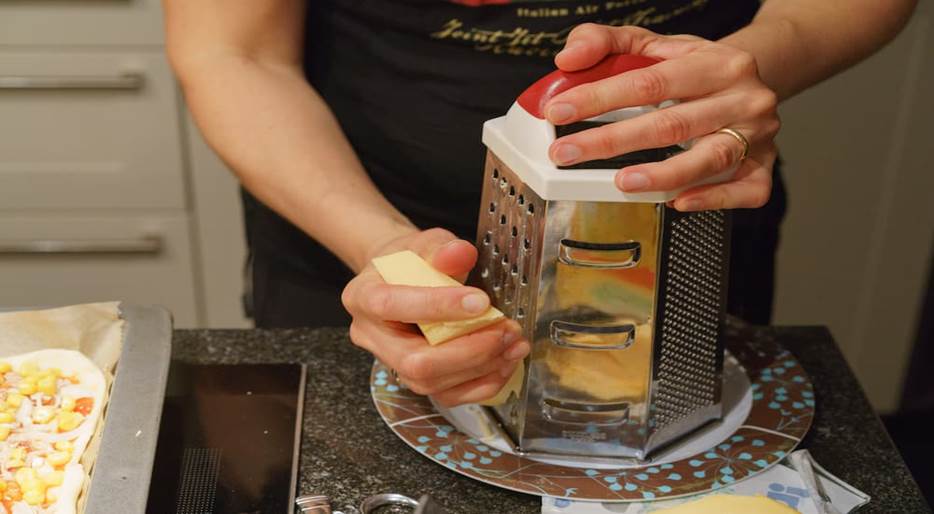
According to the FDA, food handlers are prohibited from wearing any jewelry on their arms or hands while preparing food, with one notable exception: a plain ring, such as a wedding band. This exception is not a concession to sentimentality but a calculated risk assessment.
A plain band—one without stones, filigree, or intricate engravings—is relatively easy to clean and sanitize. From a liability standpoint, a plain band lacks the “nooks and crannies” where bacteria like E. coli or Salmonella can thrive. Furthermore, because it lacks a setting, there is no risk of a gemstone becoming dislodged and falling into a customer’s meal, which would constitute a physical hazard.
Prohibited Items and Their Financial Implications
Beyond the plain ring, the list of prohibited items is extensive:
- Watches and Bracelets: Even “smart” watches are prohibited. These items are impossible to sanitize effectively and interfere with proper handwashing techniques.
- Rings with Stones: Diamonds, emeralds, and other settings are high-risk. If a stone falls out, the business faces a “physical hazard” claim.
- Dangling Jewelry: Necklaces and earrings are generally prohibited or strictly limited because they can fall into food or get caught in machinery, leading to worker’s compensation claims.
For a business, enforcing these rules is about protecting the “Quality of Earnings.” A restaurant that ignores these rules may save on management time in the short term but risks a “Liquidity Event” should a major foodborne illness outbreak occur.
Quantifying the Risk: Why Jewelry is a Liability to Your Bottom Line
To a financial officer, jewelry in a kitchen represents a multi-tiered liability. These risks can be categorized into three distinct financial threats: physical contamination, biological contamination, and mechanical interference.
The Cost of Physical Contamination
Physical contamination occurs when a foreign object enters the food product. If an earring back or a watch pin falls into a dish, the financial consequences are immediate. Beyond the cost of the meal itself, the business faces the potential for litigation. The average settlement for a personal injury claim involving a foreign object in food can range from several thousand to tens of thousands of dollars, depending on the severity of the injury (e.g., a broken tooth or a choked customer).
Moreover, in a large-scale food manufacturing environment, a missing jewelry item could necessitate the disposal of an entire production batch. If a worker realizes they have lost a ring in a vat of sauce, the resulting “shrinkage” is a direct hit to the gross profit margin.
Biological Hazards and Insurance Premiums
Jewelry acts as a reservoir for pathogens. Studies have shown that the skin underneath rings and watches harbors significantly higher bacterial counts than bare skin. When a food handler wears a watch, they cannot wash their wrists effectively, increasing the risk of cross-contamination.

From an insurance perspective, a history of health code violations—often triggered by improper jewelry use—can lead to higher premiums for General Liability and Product Liability insurance. Underwriters view jewelry non-compliance as a proxy for poor overall management, signaling a higher probability of future claims.
Mechanical Risks and Worker’s Compensation
In commercial kitchens equipped with high-speed mixers, slicers, and grinders, jewelry is a significant safety hazard. A necklace or a loose bracelet can easily become caught in moving parts, leading to traumatic injuries. These incidents trigger worker’s compensation claims, which increase the “Experience Modifier Rate” (EMR) of the business. A high EMR results in higher insurance costs for years, directly impacting the company’s EBITDA (Earnings Before Interest, Taxes, Depreciation, and Amortization).
Branding and Customer Trust: The Revenue Impact of Food Safety
In the modern digital economy, a brand’s reputation is its most valuable intangible asset. Personal branding for chefs and corporate branding for restaurant chains are both tied to the perception of cleanliness and professionalism.
The “Social Media Audit”
We live in an era where customers are “armchair inspectors.” A single viral photo of a food handler wearing a stack of bracelets while preparing a sandwich can lead to a PR nightmare. The loss of customer trust translates directly into lost revenue. For a franchise, this can even lead to the termination of a franchise agreement, a catastrophic financial loss for the operator.
Professionalism as a Value Driver
Strict adherence to a no-jewelry policy signals to both employees and customers that the business prioritizes safety over aesthetics. This culture of discipline often extends to other areas of the business, such as inventory management and waste reduction. By positioning food safety as a core brand value, companies can justify premium pricing, as consumers are often willing to pay more for the assurance of high-quality, safe food.
Developing a Cost-Effective Jewelry Policy for Your Business
Implementing a jewelry policy is not just a human resources task; it is a strategic business decision. To maximize the Return on Investment (ROI) of such a policy, business leaders should focus on clarity, consistency, and training.
Drafting the Policy for Maximum Compliance
A well-drafted policy should be included in the employee handbook and signed during the onboarding process. To minimize friction and potential labor disputes, the policy should be framed as a “Safety and Financial Protection Initiative.”
- Specify Allowed Items: Clearly state that only a plain, smooth metal band is permitted.
- Define “Food Handler”: Ensure the policy applies to everyone from the head chef to the occasional dishwasher.
- Medical and Religious Exemptions: Consult with legal counsel to navigate the financial risks of discrimination lawsuits. In many cases, medical alert bracelets may be required to be worn as an anklet or secured in a way that does not compromise food safety.
Training and Internal Audits
The cost of a weekly internal “safety audit” is negligible compared to the cost of a formal FDA inspection failure. Managers should be trained to perform visual checks at the start of every shift. Integrating these checks into the digital “Daily Operational Report” allows upper management to track compliance across multiple locations, providing a data-driven approach to risk management.
Investing in Storage Solutions
One practical way to increase compliance is to provide secure, on-site lockers for employees to store their jewelry. While this requires a small initial capital expenditure, it removes the “I have nowhere to put it” excuse and reduces the likelihood of employees trying to hide jewelry under gloves—a practice that actually increases the risk of bacterial growth.
The Long-Term Financial Health of Food Service Enterprises
In conclusion, the question of what jewelry food handlers can wear is a fundamental concern for any business looking to protect its capital and ensure long-term growth. While the “plain band” rule may seem like a minor detail, it represents the front line of defense against the astronomical costs of foodborne illness, physical injury litigation, and brand erosion.
By viewing food safety through the lens of business finance, operators can transform a simple compliance task into a competitive advantage. Strict jewelry policies reduce insurance premiums, minimize waste, protect the brand, and ensure that the business remains a viable, profit-generating entity in a volatile market. In the food industry, the most expensive piece of jewelry is the one that causes a recall; the most valuable is the one that is left in the locker.
aViewFromTheCave is a participant in the Amazon Services LLC Associates Program, an affiliate advertising program designed to provide a means for sites to earn advertising fees by advertising and linking to Amazon.com. Amazon, the Amazon logo, AmazonSupply, and the AmazonSupply logo are trademarks of Amazon.com, Inc. or its affiliates. As an Amazon Associate we earn affiliate commissions from qualifying purchases.