
Managing a health crisis like kidney stones is often discussed in clinical terms, focusing on hydration, urology, and pain management. However, for the average individual, a kidney stone episode is not just a medical event; it is a significant financial event. Between emergency room visits, imaging, pharmacological interventions, and potential surgical procedures, the cost of treating kidney stones can devastate a household budget. Understanding how to “break down” these costs—both literally and figuratively—is essential for personal financial stability. By proactively investing in preventative measures, you are not just safeguarding your health; you are protecting your net worth.

The High Cost of Reactive Healthcare
When it comes to kidney stones, the “reactive” model is the most expensive path you can take. Most people do not realize that the sudden onset of renal colic often leads them directly into the most costly tier of the healthcare system: the emergency room.
The Emergency Room Premium
The financial reality of an ER visit for a kidney stone is staggering. Beyond the base facility fee, you are looking at expenses for CT scans, intravenous pain management, laboratory workups, and consultations. Without comprehensive insurance, a single ER visit can range from several thousand dollars to over ten thousand. Even with insurance, high deductibles and co-pays turn a medical emergency into a financial burden that can deplete an emergency fund overnight.
The Price of Surgical Intervention
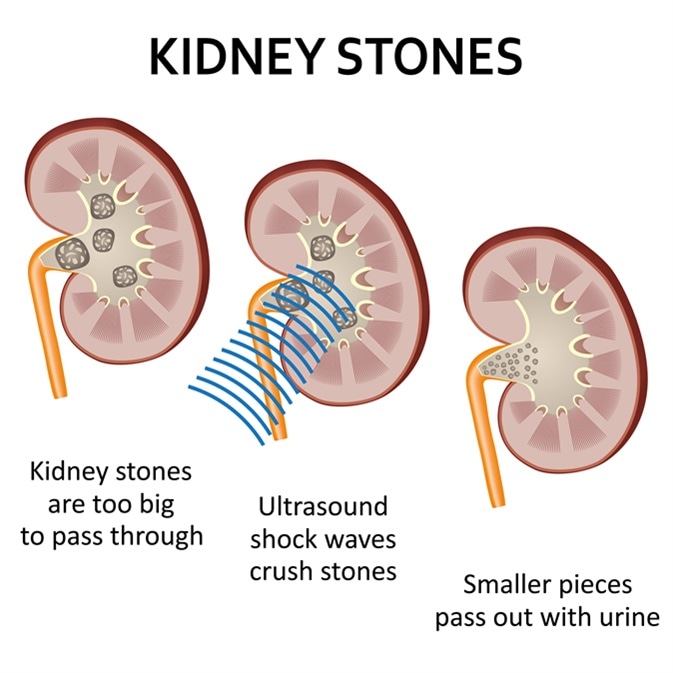
If the stone is too large to pass on its own, medical professionals may recommend procedures such as ureteroscopy or extracorporeal shock wave lithotripsy (ESWL). While these procedures are effective, they come with substantial out-of-pocket costs. Deductibles, coinsurance percentages, and the necessity of taking unpaid or limited leave from work create a compounding financial impact. By viewing prevention as a form of “wealth insurance,” you can understand the ROI of consistent health habits.
The Economics of Preventative Lifestyle Choices
Prevention is the most cost-effective medical strategy available. When you invest time and small amounts of money into preventative habits, you are essentially engaging in a form of “health arbitrage”—spending a little now to avoid spending a massive amount later.
Investing in Dietary Infrastructure
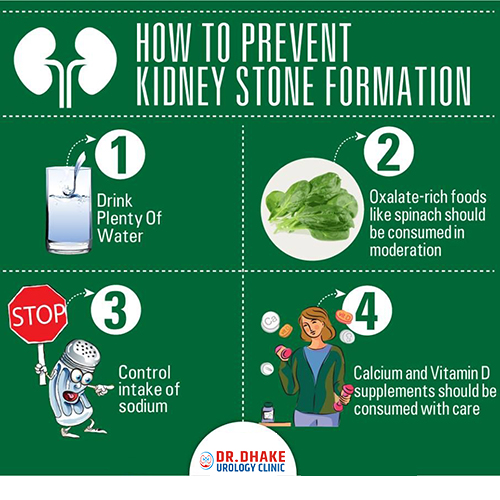
The most significant “break down” of kidney stones occurs before they ever form, primarily through dietary adjustments. From a financial standpoint, switching from processed, high-sodium foods to whole, kidney-friendly options is a net gain. High-sodium diets are a primary driver of stone formation. By opting for home-cooked meals using fresh vegetables and fruits, you lower your grocery bill while simultaneously reducing your risk of stone-related medical expenses.
The Value of Hydration
Hydration is the single most important, and cheapest, tool for preventing stones. Purchasing a high-quality reusable water bottle is a one-time investment that pays dividends daily. By replacing expensive, high-sugar sodas or energy drinks—which can contain phosphoric acid, a contributor to stone formation—with filtered water, you are optimizing your personal cash flow. The cumulative savings from cutting out daily convenience beverages can fund a significant portion of your health savings account (HSA) contributions over a year.
Leveraging Financial Tools to Manage Healthcare Expenses
If you are prone to kidney stones, you must treat your health like a business asset that requires capital reserves. Utilizing specific financial vehicles can mitigate the shock of sudden medical bills.
Maximizing Health Savings Accounts (HSAs)
An HSA is perhaps the most powerful tool for someone dealing with chronic or recurrent health issues. Because contributions are tax-deductible, your money grows tax-free, and withdrawals for qualified medical expenses are also tax-free. If you anticipate the possibility of stone-related procedures, maximizing your HSA contributions allows you to pay for these treatments using pre-tax dollars. This is effectively a discount on your medical bills, as you are avoiding the income tax you would have otherwise paid on that money.
Budgeting for the “Unplanned” Medical Bill
Financial health requires a dedicated buffer for medical emergencies. If you have a history of kidney stones, your emergency fund should be calibrated differently than someone with no history. Consider establishing a “Medical Sinking Fund.” By setting aside a small, fixed amount each month specifically for healthcare costs, you prevent a stone-related procedure from forcing you to dip into long-term savings or, worse, rely on high-interest credit card debt.
Cost-Benefit Analysis of Supplements and Testing
The marketplace is saturated with supplements that claim to prevent kidney stones. As with any investment, you must conduct a cost-benefit analysis before spending your hard-earned money.
Evaluating Claims vs. Clinical Data
Many over-the-counter supplements for “stone dissolving” lack rigorous clinical evidence. Before investing in these products, consult with a urologist. It is far more fiscally responsible to pay for a professional consultation than to spend hundreds of dollars on unproven supplements. If a doctor suggests citrate supplements or specific magnesium formulations, these are evidence-based interventions that represent a legitimate return on investment by preventing the need for future lithotripsy or ER visits.
The ROI of Diagnostic Testing
If you have had multiple stones, investing in a 24-hour urine collection test is essential. While this test has an upfront cost, it provides a data-driven blueprint for prevention. Knowing exactly why your body is forming stones—whether due to calcium oxalate, uric acid, or low urine volume—allows you to target your “preventative spend” correctly. Trying to fix the problem without data is like investing in a stock without reading the balance sheet; it is speculative and prone to failure.
Long-Term Wealth Planning and Health Maintenance
Ultimately, the goal is to decouple your net worth from your medical history. High-quality health allows you to maximize your earning potential and minimize your capital expenditures on healthcare.
Protecting Your Human Capital
Your ability to work and generate income is your greatest financial asset. A severe kidney stone event can sideline you for days or even weeks. By maintaining a strict preventative regimen—staying hydrated, monitoring sodium intake, and staying ahead of routine checkups—you are protecting your capacity to earn. When viewed through this lens, a glass of water is not just a beverage; it is a tool for maintaining your professional productivity.
The Compounding Effect of Healthy Habits
Just as compound interest builds wealth over time, the consistent application of preventative health habits builds a “reserve” of wellness. The cost of a kidney stone is not just the medical bill; it is the time lost, the stress induced, and the potential for long-term renal damage. By proactively managing your risk, you ensure that your financial plan is not derailed by avoidable medical catastrophes. Treat your body with the same strategic discipline you apply to your investment portfolio, and you will find that the highest-yielding asset you own is, in fact, your own good health.
aViewFromTheCave is a participant in the Amazon Services LLC Associates Program, an affiliate advertising program designed to provide a means for sites to earn advertising fees by advertising and linking to Amazon.com. Amazon, the Amazon logo, AmazonSupply, and the AmazonSupply logo are trademarks of Amazon.com, Inc. or its affiliates. As an Amazon Associate we earn affiliate commissions from qualifying purchases.