
When we ask the question “where is Amazon headquarters,” we are often looking for a physical address. However, for a company that has redefined global commerce, “headquarters” is less about a single GPS coordinate and more about a sophisticated brand strategy. Amazon does not merely occupy office space; it builds ecosystems that serve as physical manifestations of its corporate identity, mission, and “Day 1” philosophy.
Today, Amazon’s headquarters is split across two primary hubs: Seattle, Washington, and Arlington, Virginia (commonly known as HQ2). Together, these locations represent the dual pillars of Amazon’s brand—its heritage of disruptive innovation and its future as a global institutional powerhouse.

The Heart of the Brand: Seattle and the Urban Campus Philosophy
For decades, the answer to “where is Amazon headquarters” was simply Seattle. Unlike many tech giants that retreated to isolated suburban “spaceships,” Amazon made a deliberate brand choice to integrate into the urban core of Seattle’s South Lake Union neighborhood. This decision was a masterstroke in corporate identity, signaling a brand that is connected, accessible, and grounded in the energy of city life.
The Spheres: A Living Symbol of Innovation
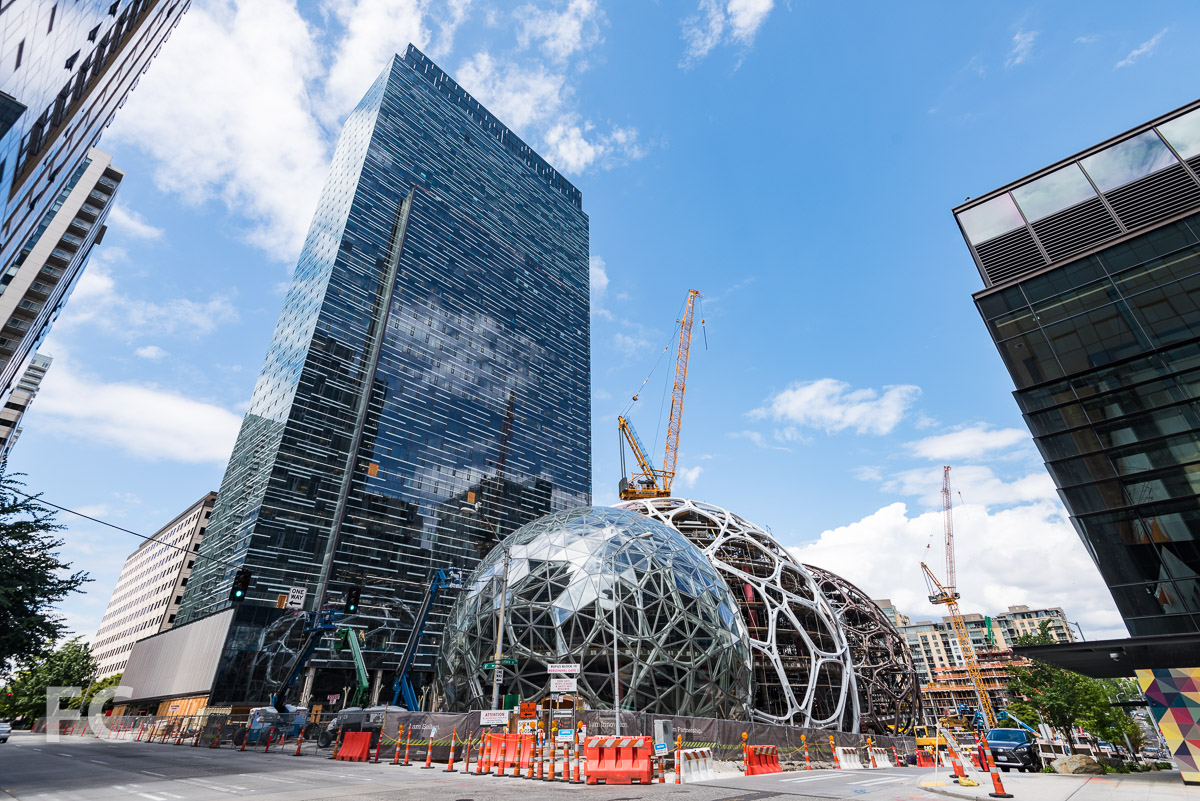
If a brand is a promise, The Spheres in Seattle are the physical proof of Amazon’s commitment to “thinking outside the box.” These three glass-and-steel orbs, housing over 40,000 plants from 30 countries, serve as the crown jewel of the Seattle campus. From a branding perspective, The Spheres are not just a workspace; they are a landmark. They communicate a brand that values biophilia, creativity, and the well-being of its employees. By creating a literal rainforest in the middle of a concrete jungle, Amazon reinforces its identity as a company that makes the impossible possible.
Integrating into the City Fabric
Amazon’s Seattle headquarters is not walled off. The brand strategy here is one of “urban infusion.” By choosing not to build a closed campus, Amazon branded itself as a vital organ of the city. The ground-floor retail, public dog parks, and open plazas invite the community in, blending the line between the corporate entity and the public. This strategy humanizes a massive multinational corporation, framing it as a neighbor rather than an unreachable monolith.
HQ2 and the Strategic Expansion of Corporate Identity
In 2017, Amazon launched one of the most successful branding exercises in corporate history: the search for a second headquarters, or HQ2. This wasn’t just a business move; it was a high-stakes marketing campaign that forced hundreds of cities to “pitch” themselves to the Amazon brand. The eventual selection of Arlington, Virginia, marked a new era in the company’s corporate identity.
Arlington and the East Coast Power Play
By establishing a major presence in Arlington, just across the Potomac River from Washington, D.C., Amazon strategically repositioned its brand. If Seattle represents the “Garage Startup” roots and tech innovation, Arlington represents the “Global Institution.” This proximity to the nation’s capital aligns the Amazon brand with the halls of power, emphasizing its role as a critical infrastructure provider for both the private and public sectors.
The Helix: Visualizing Growth and Nature
The centerpiece of the Arlington headquarters (PenPlace) is “The Helix.” Much like The Spheres in Seattle, The Helix is a brand icon. Its spiraling outdoor walking path, covered in native greenery, is designed to mirror the DNA of the company—constant movement, growth, and a connection to the natural world. In terms of brand design, The Helix serves as a visual anchor that distinguishes Amazon from the standard rectangular glass towers of its competitors, reinforcing its identity as a leader in sustainable and visionary architecture.

The “Day 1” Culture: Branding Through Workspace
To understand where Amazon’s headquarters is, one must understand the “Day 1” philosophy. Jeff Bezos famously named the primary office building in Seattle “Day 1” to remind employees (and the world) that the company is just getting started. This philosophy is baked into the very walls of their headquarters.
From Garage to Global Giant
The brand story of Amazon begins in a garage in Bellevue, Washington. The headquarters today, despite its scale, attempts to maintain that “scrappy” brand identity. The interiors often feature industrial aesthetics, recycled materials, and open-plan layouts that encourage the “two-pizza team” structure. This interior branding ensures that even as the company grows into a trillion-dollar entity, the internal culture—the “brand on the inside”—remains focused on agility and customer obsession.
Maintaining a Startup Mentality in a Multibillion-Dollar Brand
The physical layout of Amazon’s offices is designed to prevent the brand from becoming stagnant. “Day 2 is stasis,” Bezos often said. By creating flexible workspaces and “collision zones” where employees from different departments can interact, the headquarters acts as a catalyst for the constant reinvention that the Amazon brand is known for. The location is not just where people work; it is where the brand’s culture is actively manufactured and maintained.
The Global Footprint: Satellite Offices as Brand Ambassadors
While Seattle and Arlington are the primary answers to “where is Amazon headquarters,” the reality is that the Amazon brand is decentralized. With major corporate hubs in cities like New York, Austin, Berlin, and London, the brand’s physical presence is global.
Localizing a Global Identity
Each Amazon corporate office is a localized expression of the master brand. In London’s Shoreditch, the office reflects a trendy, creative energy. In New York’s Hudson Yards, it reflects a fast-paced, high-stakes corporate environment. This “Satellite HQ” strategy allows Amazon to recruit diverse talent while ensuring the brand remains adaptable to local cultures. It proves that the Amazon brand is not a rigid template, but a fluid identity that can thrive anywhere.
Employer Branding and the War for Talent
The design and location of these headquarters are also key tools in Amazon’s employer branding. In the tech industry, the office is a perk. By building headquarters in vibrant, walkable urban centers with world-class amenities, Amazon markets itself as a top-tier employer. The “Headquarters” is essentially a 1,300-word (or in this case, multi-million square foot) advertisement for why the brightest minds in tech and business should want to work for Amazon.
Future Outlook: The Brand’s Physical Legacy
As Amazon continues to evolve, the definition of its “headquarters” will likely shift further. With the rise of hybrid work, the brand is now exploring how the “Headquarters” can exist digitally and physically simultaneously. However, the commitment to iconic architecture suggests that Amazon still believes in the power of physical space to anchor a brand.
The headquarters of Amazon is more than just a place where servers are managed and logistics are coordinated. It is a monumental expression of brand strategy. From the biophilic design of The Spheres to the strategic positioning of HQ2 in the shadow of the Capitol, every brick and pane of glass is a deliberate choice.
When you ask “where is Amazon headquarters,” you are looking at the map of a brand that has successfully integrated itself into the fabric of the modern world. Whether it is the rainy streets of Seattle or the bustling avenues of Arlington, Amazon’s headquarters remain the physical manifestation of a brand that refuses to leave “Day 1.” Through its buildings, Amazon tells a story of innovation, scale, and an unrelenting drive to be the most customer-centric company on Earth. That story, more than any specific address, is the true home of Amazon.
aViewFromTheCave is a participant in the Amazon Services LLC Associates Program, an affiliate advertising program designed to provide a means for sites to earn advertising fees by advertising and linking to Amazon.com. Amazon, the Amazon logo, AmazonSupply, and the AmazonSupply logo are trademarks of Amazon.com, Inc. or its affiliates. As an Amazon Associate we earn affiliate commissions from qualifying purchases.